

_1745823981883.webp)

Email:benson@guangdongmorui.com
Whatapp:8613530341575
Add: No.3 Xuwu Road, Baoan District, Shenzhen, China.
osmosis drinking water system supplier
Verified Quality: Industrial Osmosis Drinking Water System Manufacturing
Procurement managers handle water treatment infrastructure across South America, Southeast Asia, Europe, the Middle East, and Africa. For them, long-term project viability boils down to one thing: a manufacturer with verified osmosis drinking water systems, ideally a osmosis drinking water system supplier they can rely on. These systems purify water in several stages. Semi-permeable membranes do the filtering, trapping contaminants at the molecular level. Hydrostatic pressure overcomes natural osmotic forces, so pure water molecules separate from dissolved solids, heavy metals, and organic pollutants. Potable water production today depends on these systems.
Water treatment projects everywhere run into serious operational trouble. In the Middle East and Africa, high salinity and source water that shifts often can make membranes scale early, and systems can fail without warning, so having a dependable osmosis drinking water system supplier in your corner can make a real difference. Missing compliance paperwork for international markets also stalls procurement teams, which means costly customs delays in Europe or South America. Then there are running costs. Heavy energy use and low recovery rates cut into the profits of potable water production. At remote sites in Southeast Asia, dependable technical support is hard to find. The fallout is major downtime, and that puts local water security at risk.
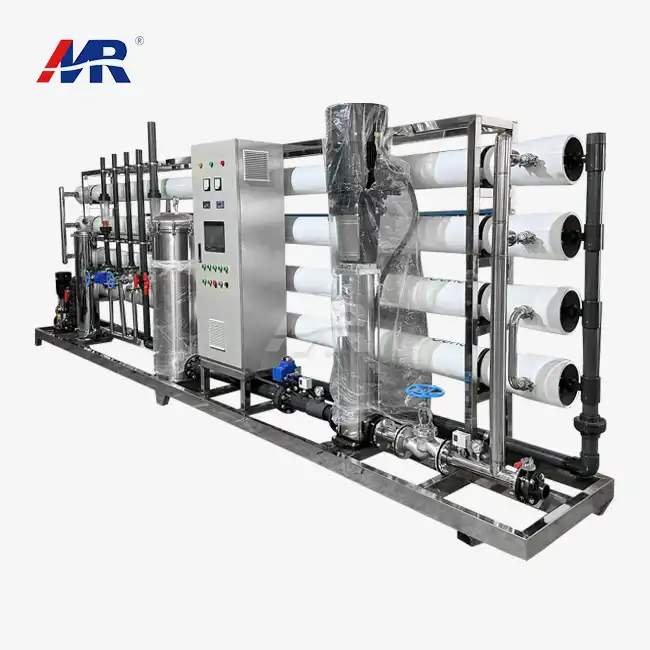
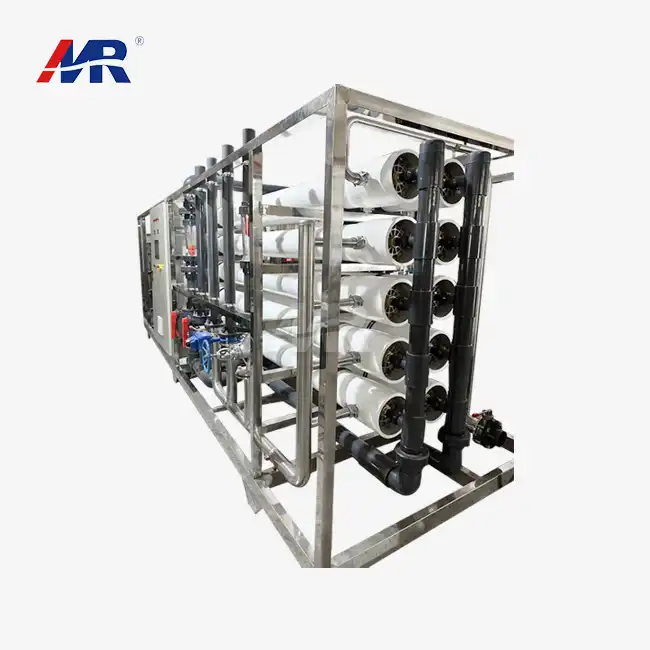
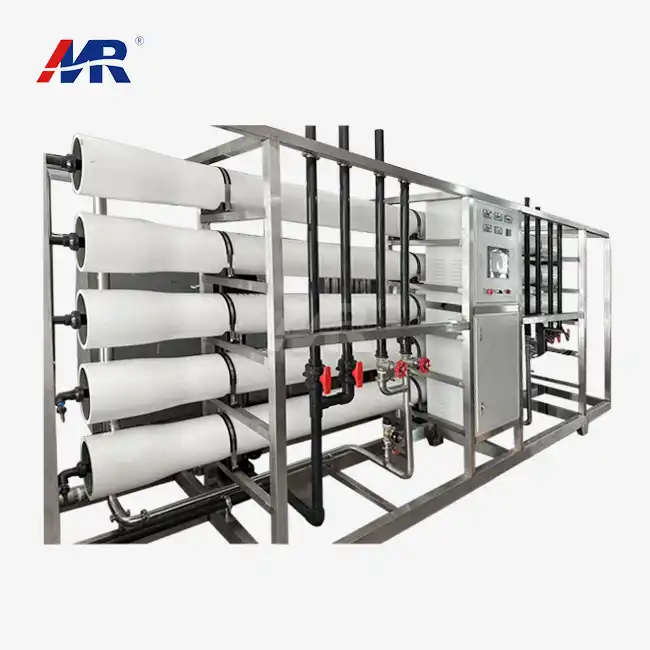
Guangdong Morui Environmental Technology Co., Ltd has supplied engineered osmosis drinking water systems since 2005, and those systems are built to handle these tough international demands. Nearly two decades in the industry stand behind a portfolio that holds ISO, CE, and ROHS certifications, narrowing the gap between technical reliability and global regulatory compliance. The flagship model, MR-BWRO-10TH, is made for potable water manufacture and pairs high output with efficient use of resources. Because the company backs its claims with verified performance data and clear technical documentation, procurement professionals can qualify vendors faster and with confidence.
- Industrial-Grade Performance: Built for high-volume potable water manufacture, the MR-BWRO-10TH reaches a 99% salt rejection rate. Output quality stays premium.
- Optimized Resource Efficiency: Recovery runs at 55-70% on this osmosis drinking water system. Wastewater discharge falls sharply, and so does the environmental impact. That matters most in regions where water is scarce.
- Verified International Compliance: Every osmosis drinking water system meets ISO, CE, and ROHS standards. Fitting into European and South American regulatory frameworks is simple.
- Balanced Energy Consumption: At 28kw/hour, the system keeps costs down for large-scale water treatment projects in markets that watch energy use closely.
- Durable Engineering for Global Logistics: We use corrosion-resistant materials and heavy-duty components to build this equipment. It holds up through long-distance shipping and keeps running in a wide range of operating climates.
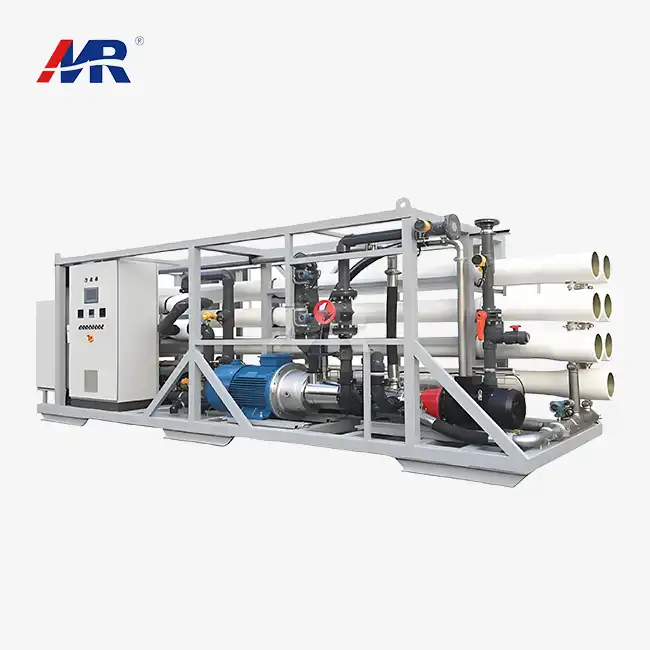
Procurement teams may request full technical specifications and factory audit documents. These support internal risk reviews and project planning. We also supply detailed performance reports and regional case studies. They help show that systems last and match local conditions. High-rejection membranes, combined with energy-efficient pumps, provide a steady flow of high-purity water for industrial and municipal use.
Related Products
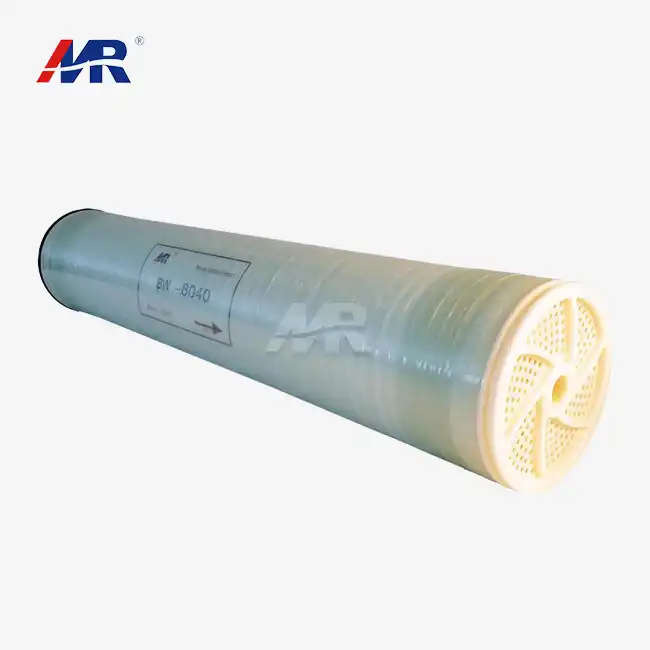
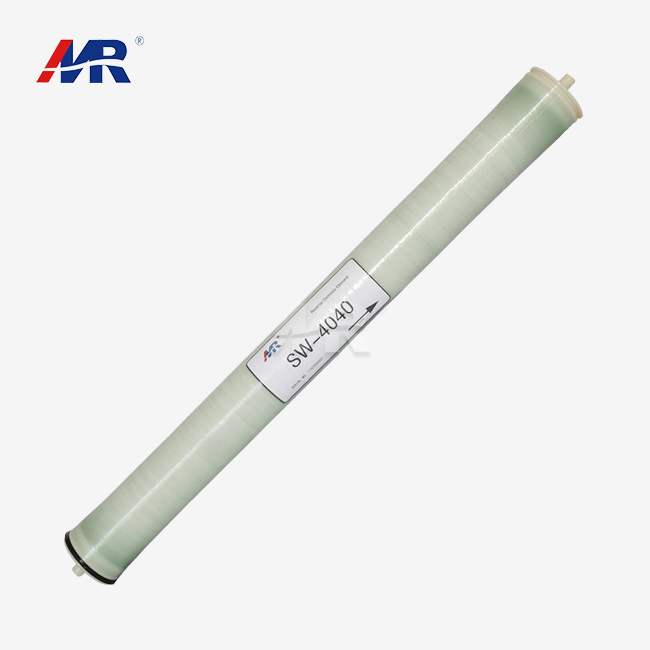
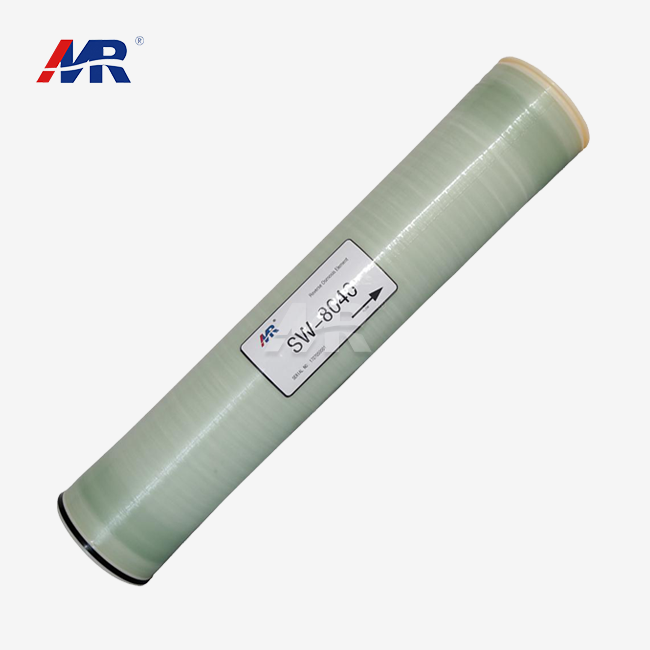
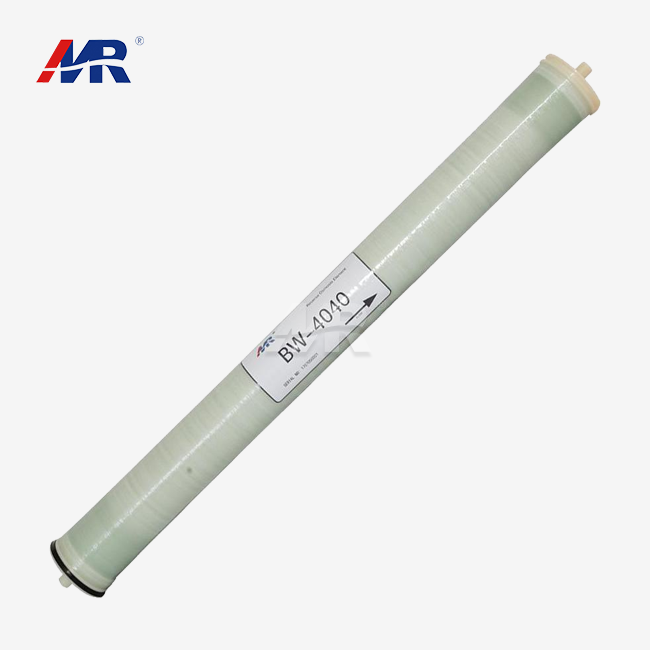
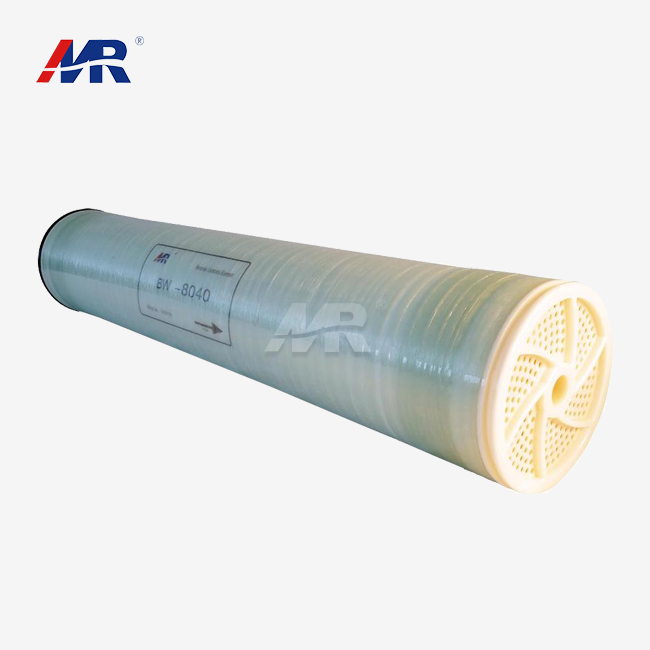
Osmosis Drinking Water System Solutions that Deliver Proven Excellence
Founded in 2005, Guangdong Morui Environmental Technology Co., Ltd. has grown into a leading authority in water treatment, specializing in high-capacity osmosis drinking water systems. With nearly two decades of manufacturing know-how, we've become a dependable osmosis drinking water system supplier for municipal and industrial clients across South America, Southeast Asia, Europe, the Middle East, and Africa.
The MR-BWRO-10TH model is a solid example of what our engineering can do. We built it for large-scale potable water production. It delivers an impressive 99% salt rejection rate and a recovery rate of up to 70%. That kind of performance helps our systems tackle modern challenges like high TDS, heavy metals, and molecular-level contaminants. We've completed projects in many environments, and as an osmosis drinking water system supplier, we've worked from high-salinity areas in the Middle East to tough industrial sites in Southeast Asia. These systems keep output steady for local brand factories and utility providers.
Morui works under strict ISO, CE, and ROHS standards. Every osmosis drinking water system goes through rigorous testing so it stays stable over the long term. We do more than ship equipment. We also provide full technical support, such as remote commissioning, onsite training, and maintenance guidance. This keeps power efficiency optimized at 28kw/hour and supports maximum system uptime.
Guangdong Morui is a trusted partner in the global water treatment sector. We deliver the engineering precision and certification-backed reliability that sustainable, cost-effective drinking water infrastructure depends on.
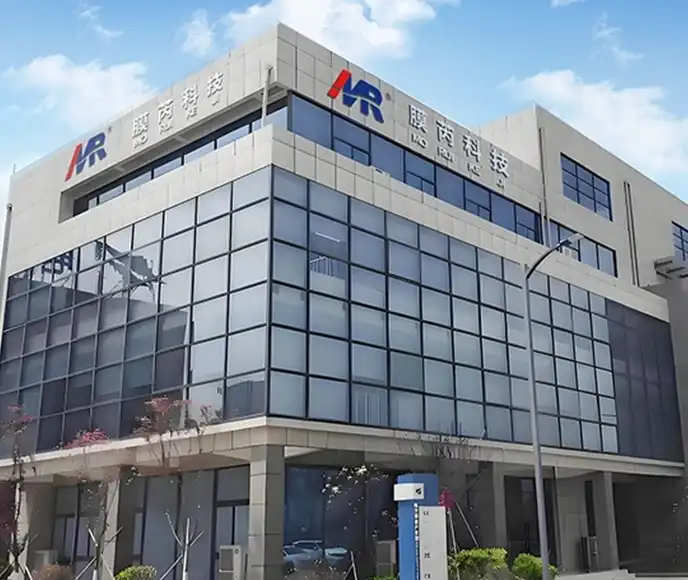
Advanced Industrial Desalination for Potable Water Production Worldwide
I. A Look at Where These Systems Are Used
In industrial water treatment, an osmosis drinking water system handles the crucial task of turning brackish or contaminated water into potable water of high purity. Bottled water plants in Southeast Asia and Africa often use them because municipal supply there regularly fails to meet WHO safety standards. Food and beverage producers in Europe and the Middle East rely on the same systems, often through an osmosis drinking water system supplier, to get ingredient water that stays consistent from batch to batch. That consistency matters. Dissolved solids left in the water can alter a product's taste and wear down sensitive processing equipment.
II. The Problems Customers Face
Water producers in South America, the Middle East, and other regions like these face serious problems. High Total Dissolved Solids (TDS) and PFAS, the so-called "forever chemicals," are at the top of the list. They still have to meet international rules like CE and ISO standards, and for an osmosis drinking water system supplier, aging filtration technology makes that a struggle. Energy costs add another burden, and membranes foul often. When recovery rates fall short, operating costs climb beyond what the business can handle. At remote sites, maintenance gets complicated, downtime drags on, and the fallout can mean real financial damage and broken supply chains.
III. The Osmosis Drinking Water Solution from Guangdong Morui
Guangdong Morui Environmental Technology Co.,Ltd has been building its expertise since 2005. The company's solution is modular and heavily automated, built around the MR-BWRO-10TH series. It reaches past basic filtration into a complete "turnkey" engineering model. Advanced membrane technology is paired with intelligent control systems. The result is stable, high-capacity output that meets the strict quality demands of the global market.
IV. Inside the System: Architecture and Key Components
High-Efficiency Pre-Treatment Unit
Multi-stage media filtration removes suspended solids and chlorine. It protects the primary membranes from fouling, a real risk in the high-turbidity groundwater common across Southeast Asia.
MR-BWRO-10TH Membrane Module
At the heart of the system are brackish water membranes built for the task. They reject 99% of salt and run at a 55-70% recovery rate, so heavy metals and molecular-level contaminants stay out.
Automation and Power Management
A centralized PLC runs the system and keeps its 28kw/hour power draw under control. Flow and pressure are tracked in real time, so the system adjusts to changing raw water quality on its own, with no manual input.
Integrated CIP (Clean-In-Place) Module
This maintenance module cleans the membranes with chemicals automatically. It extends the system's lifespan and reduces labor costs in areas where technical service teams are not nearby.
V. Solution Strengths and Measurable Gains
- High purity assurance: The system rejects 99% of dissolved solids. That meets the strictest potable water safety codes.
- Operational efficiency: Recovery runs at 55-70%. This reduces water waste and significantly lowers the cost per liter produced.
- Certified quality: Full compliance with ISO, CE, and ROHS makes entry into regulated European and South American markets easier.
- Energy optimization: The system draws a calibrated 28kw/hour. This keeps output high while supporting industrial energy conservation.
- Rapid deployment: Because the design is modular, on-site installation takes about 30% less time than traditional builds.
VI. Rollout and Service Capacity
Implementation follows a clear process. Raw water analysis and custom design come first. Then factory testing and global logistics. For the Middle East, Southeast Asia, and Africa, the service framework covers remote diagnostics and a prioritized spare parts supply chain. Local operators get technical training too. This keeps systems stable over the long term and cuts reliance on outside technicians.
VII. Typical Application Example
A commercial water plant in Southeast Asia saw salinity climb in its source wells. That trend put its production license at risk. The plant installed the MR-BWRO-10TH setup and restored output to 10 tons per hour. Salt rejection stayed at 99%. Chemical cleaning dropped by 20%, and the plant cleared every regional health and safety audit in its first month.
VIII. Technical Specification Review
Engineering teams can study detailed water analysis reports to find the membrane configuration that works best at a given TDS level. For the 10 T/H system, the performance data sheets show flux rates and pressure requirements. That helps with infrastructure planning.
This high-performance reverse osmosis design purifies water reliably at the molecular level. It is built for large-scale potable water production.
FAQs
1. How do I choose the most suitable osmosis drinking water system for commercial potable water production?
Selecting the right system requires a thorough analysis of your raw water quality, required daily output, and specific industry applications. When evaluating an osmosis drinking water system, you must prioritize the Total Dissolved Solids (TDS) removal efficiency and the durability of the membrane components. For large-scale manufacturing, it is essential to consider the system's footprint and modularity. At Guangdong Morui Environmental Technology Co.,Ltd, we recommend starting with a detailed water analysis report to determine if pre-treatment modules, such as ultrafiltration or carbon dosing, are necessary to protect the RO membranes. With nearly two decades of experience since 2005, we suggest looking for systems that offer a balance between high salt rejection and sustainable energy consumption to ensure long-term ROI for your bottling or processing plant.2. What are the core technical specifications I should look for in a high-capacity reverse osmosis system like the MR-BWRO-10TH?
For industrial-grade potable water manufacture, technical parameters define the system's reliability and cost-effectiveness. A high-performance osmosis drinking water system, such as our MR-BWRO-10TH model, typically features a salt rejection rate of approximately 99%, ensuring the removal of molecular-level contaminants, heavy metals, and dissolved solids. You should also evaluate the power consumption—our model operates at 28kw/hour—and the recovery rate, which generally ranges between 55% and 70%. A higher recovery rate means less wastewater, but it must be balanced against membrane longevity. If your project requires specific flow rates or custom configurations, providing your site-specific parameters to our engineering team will allow us to optimize the system design for your unique operational environment.3. Do your osmosis drinking water systems comply with international safety standards for the Middle East, Africa, and European markets?
Compliance with international regulations is critical for ensuring water safety and facilitating smooth customs clearance. Our osmosis drinking water system units are manufactured under strict ISO quality management protocols and carry CE and ROHS certifications, which are widely recognized across Europe, the Middle East, and Southeast Asia. These certifications verify that the electrical components and materials used in the water path meet rigorous safety and environmental standards. While these certifications cover general international requirements, specific local health department regulations or import standards may vary by country. We recommend consulting with local authorities to confirm specific regional mandates; however, our extensive export history to South America and Africa ensures that our documentation meets most global tender requirements.4. How does the recovery rate impact the efficiency of an osmosis drinking water system in regions with high water scarcity or high salinity?
In regions like the Middle East or parts of Africa where water resources are scarce, maximizing the recovery rate of an osmosis drinking water system is vital. A recovery rate of 55-70% means that a significant portion of the feed water is converted into high-quality permeate rather than being discharged as brine. However, in high-salinity environments, increasing the recovery rate can lead to membrane scaling or fouling if not managed correctly. We suggest implementing advanced anti-scalant dosing and routine chemical cleaning (CIP) cycles to maintain peak performance. By monitoring the pressure differential across the membranes, operators can ensure the system remains efficient without exceeding the 28kw/hour power threshold, thereby reducing the overall cost per cubic meter of purified water.5. Can Guangdong Morui Environmental Technology Co.,Ltd provide installation and maintenance support for projects located in Southeast Asia or South America?
Since our establishment in 2005, Guangdong Morui Environmental Technology Co.,Ltd has developed a robust support framework for our international clients in Southeast Asia, South America, and beyond. For an osmosis drinking water system project, we provide comprehensive technical documentation, including detailed installation manuals, P&ID drawings, and video tutorials to guide your local engineering team. For large-scale industrial installations, we can offer remote commissioning support or dispatch technical experts for on-site supervision, depending on the project scope and regional travel guidelines. We also maintain a consistent supply of genuine replacement parts and membranes to ensure your system experiences minimal downtime. We encourage customers to share their specific project location and logistical requirements so we can tailor a support package that fits their local operational needs.
Best Selling Products
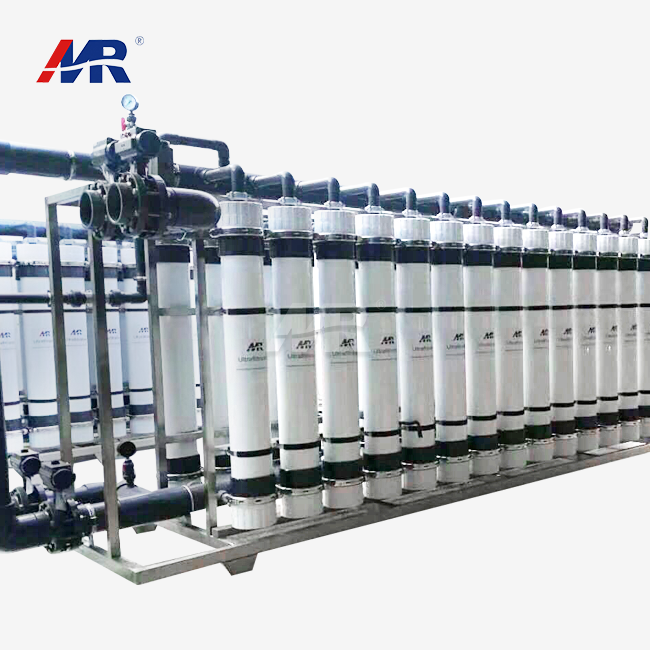
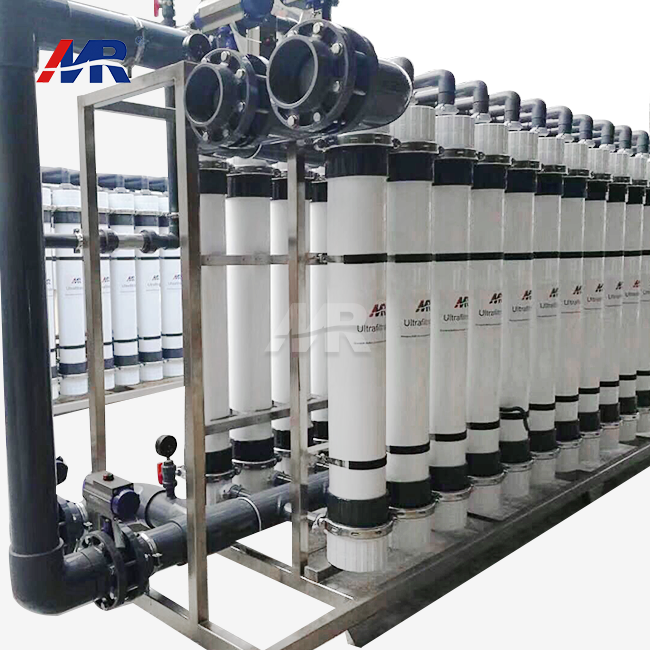
Related Blogs
Related Search
Email:benson@guangdongmorui.com
Whatapp:8613530341575
Add: No.3 Xuwu Road, Baoan District, Shenzhen, China.