

_1745823981883.webp)

Tel: +86-1353-0341575
Email:benson@guangdongmorui.com
Whatapp:8613530341575
Add: No.3 Xuwu Road, Baoan District, Shenzhen, China.
electrodeionization edi system supplier
Advanced Electrodeionization EDI System Engineering for International Ultrapure Standards
Procurement managers across South America, Southeast Asia, Europe, the Middle East, and Africa need reliable industrial water treatment partners. Before a project can succeed over the long term, they have to check how technically capable a supplier is, and bringing in a proven electrodeionization edi system supplier often makes that decision much clearer. An electrodeionization (EDI) system sits at the top of modern water purification. It combines electrodialysis and ion exchange to continuously remove ions from feed water. That gives you a chemical-free route to high-resistivity ultrapure water.
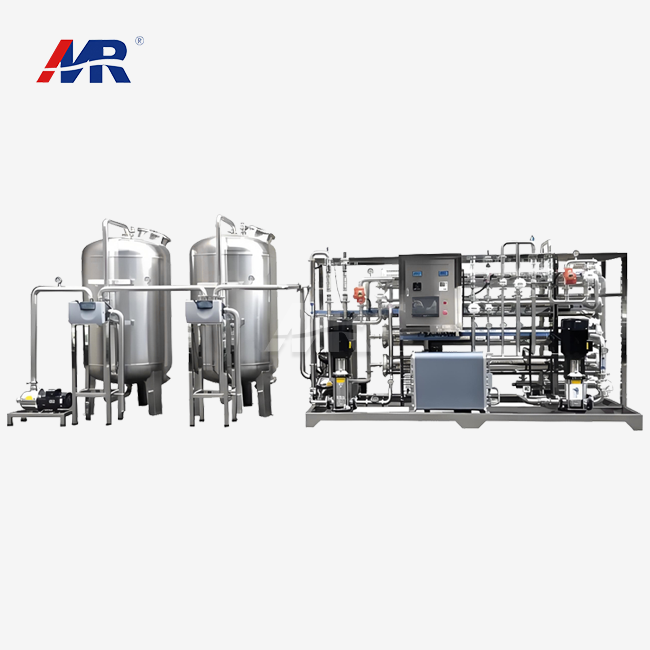
Facilities that need high-purity water face their own challenges when they operate in many different global markets. In regions such as Southeast Asia and Africa, feed water quality often swings. That can foul membranes sooner than expected. European and Middle Eastern operations also face tough regulations and rising electricity costs. Procurement teams also struggle with long lead times for specialized components. They often lack localized technical documentation that meets ISO and CE standards. Without a strong EDI system manufacturer and electrodeionization edi system supplier that understands these logistics and environmental factors, systems often suffer from dissolved CO2 interference. They may also fail to remove weakly ionized species such as silica and boron well enough. Both issues can compromise the integrity of the final product water.
Guangdong Morui Environmental Technology Co., Ltd was founded in 2005. The company supplies engineered electrodeionization (EDI) systems. These systems are built to handle complex industrial requirements while keeping operation simple. Its flagship MR-EDI-2TH model is optimized for ultrapure water production. It serves sectors from microelectronics to pharmaceuticals. The systems use high-efficiency ion transport technology. That removes the need for hazardous acid and caustic regeneration. As a result, facilities in heavily regulated markets significantly reduce their environmental footprint and safety risks.
- Performance Metrics for Ultrapure Grades: The system reaches a salt rejection rate of 99.99%. That ensures reactive silica and other ions are removed, so the system meets ASTM and ISO 3696 Grade 1 standards.
- Optimized Energy Management: The MR-EDI-2TH draws 8.5kW per hour. That keeps throughput high while holding energy use down, and that balance matters a great deal to industrial plants in Europe and the Middle East.
- Global Certification and Compliance: Every electrodeionization (EDI) system unit is built under ISO quality management systems and carries CE and ROHS certification. This helps units clear customs and win regulatory approval in South America and Southeast Asia.
- Robust System Recovery: A stable 55% recovery rate ensures a consistent supply of high-resistivity water while managing reject streams effectively in water-stressed regions.
- Durable Modular Design: The internal ion exchange resins are continuously self-regenerated by the electric field, extending the typical module lifespan to 5–7 years with minimal maintenance intervention.
Technical teams can facilitate better project outcomes by reviewing the comprehensive performance data and integration requirements of the MR-EDI-2TH. Detailed engineering specifications, CAD drawings, and site-specific configuration guides are available to assist in the validation of the system's compatibility with existing reverse osmosis pre-treatment stages. The stable electrochemical regeneration process provides a predictable and sustainable solution for the most demanding ultrapure water applications in modern industry.
Related Products
Reliable Electrodeionization EDI System Provider: Guangdong Morui
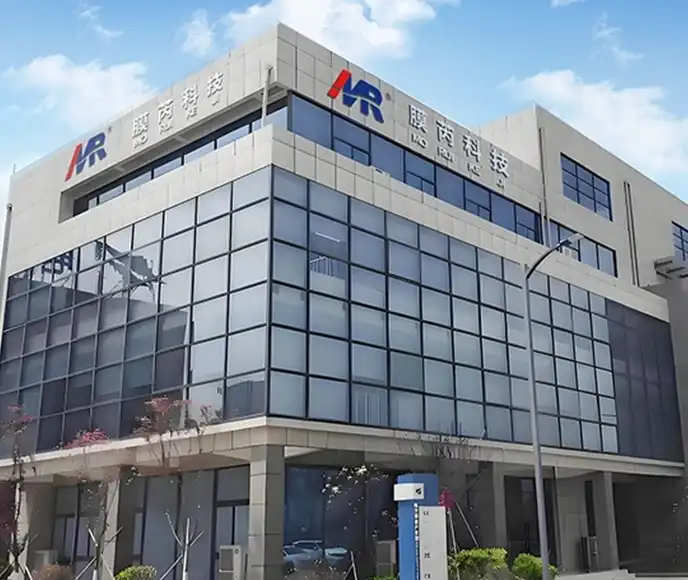
Guangdong Morui Environmental Technology Co., Ltd was founded in 2005. We are a professional manufacturer of high-performance water treatment systems. With close to twenty years of experience, we've become a trusted electrodeionization edi system supplier, engineering and building EDI systems for customers across South America, Southeast Asia, Europe, the Middle East, and Africa.
The MR-EDI-2TH model shows what our technical strength looks like in practice. We built it for ultrapure water production. This EDI system, which reflects our work as a electrodeionization edi system supplier, reaches a 99.99% salt rejection rate and removes silica well, so output meets ASTM D5127 and ISO Grade 1 standards. Advanced ion transport technology lets our systems run without chemicals. That greatly reduces operational hazards and downtime.
Quality and reliability are at the center of how we work. Our facility is ISO-certified, and every EDI unit carries CE and ROHS markings. We use strict factory acceptance testing (FAT) and quality control. That helps our modules last 5 to 7 years on average, and we keep a steady 98% on-time delivery rate for international projects.
Morui makes integration smooth. We offer full technical support shaped around the markets we serve, including remote commissioning, site training, and maintenance guidance. We are committed to being your long-term partner, and to meeting your industrial needs with sustainable, efficient high-purity water.
Advanced Ultrapure Water Engineering via Integrated Electrodeionization Systems
Application Overview
Industrial plants rely on high-purity water as a critical utility. Electrodeionization (EDI) systems, typically supplied by a electrodeionization edi system supplier, are used mostly in sectors that need water resistivity up to 18.2 MΩ·cm. The pharmaceutical industry uses them to stay within pharmacopeia standards for injection-grade water. Electronics and semiconductor makers need them for wafer rinsing; even trace ions there can hurt yield. Power plants also count on this technology for high-pressure boiler feed water, since it prevents turbine scaling and corrosion.
Customer Challenges and Pain Points
Operators in South America, Southeast Asia, Europe, the Middle East, and Africa each run into different regional problems. In Southeast Asia and South America, high humidity and varying feedwater quality often cause traditional ion exchange resins, even those from an electrodeionization edi system supplier, to foul quickly.
- Regulatory compliance: In Europe, strict adherence to ISO 3696 Grade 1 and CE safety standards is required. Equipment without certification is a liability.
- Operational Costs: In the Middle East and Africa, chemical consumables are costly. Getting rid of acid and alkali regenerants is also hazardous to the environment. Together, these put a heavy financial and ecological strain on operations.
- Technical Downtime: Conventional systems have to shut down often to regenerate resin. That causes production bottlenecks and drives up labor costs.
Guangdong Morui Environmental Technology Co.,Ltd Solutions
Guangdong Morui Environmental Technology Co.,Ltd has been supplying ultrapure water production since 2005, and it does so with a modular approach. At the center of that approach sits the electrodeionization edi system, specifically the MR-EDI-2TH model, which slots into water treatment trains that are already in place. It takes the place of traditional mixed-bed polishers and runs a continuous, chemical-free process. That lines up with global sustainability goals and with strict international certifications, including ISO and ROHS.
System Design and Main Components
The system is built as a tough, multi-stage platform. It is made to last and to run with precision:
- Advanced Pre-treatment Unit: It uses high-efficiency Reverse Osmosis (RO) to remove 95-99% of ions. This keeps the EDI stack safe from scaling. It also holds feed water conductivity within optimal limits.
- MR-EDI-2TH Module: This is the core unit, with specialized ion-exchange membranes and resin. Its power consumption is 8.5kw/hour. It reaches a salt rejection rate of 99.99% and holds a stable recovery rate of 55% for highly concentrated ultrapure needs.
- Automated Control Hub: This PLC-based system tracks resistivity, flow rates, and voltage in real time. That lets it run unattended and connect to factory-wide SCADA networks.
- CIP (Clean-in-Place) Module: A separate maintenance system for routine cleaning. It lets you clean the stack without taking it apart. This helps keep fouling from dissolved CO2 or silica under control.
Advantages of This Solution and Benefits You Can Measure
- Extreme Purity: Salt rejection reaches 99.99%, and the system consistently meets ASTM D5127 Type E-1.2.
- Operational Efficiency: Regeneration uses no chemicals. That removes the need to store hazardous materials or run neutralization systems.
- Energy Optimization: At high output, the system targets 8.5kw/hour of power use. That brings down the facility's overall carbon footprint.
- Space Savings: The modular footprint is up to 50% smaller than traditional ion-exchange columns. That makes it a good fit for retrofits in tight industrial spaces.
- Continuous Production: Regeneration causes zero downtime, so ultrapure water is available 24/7. This raises total plant productivity by roughly 15-20%.
Implementation and Service Capability
Guangdong Morui Environmental Technology Co.,Ltd supports global projects with a full lifecycle service model. It starts with feedwater analysis and custom engineering, then moves to on-site commissioning in places as different as the Middle East and Southeast Asia. The process is built for fast deployment. Technical support covers remote diagnostics, plus a strong supply chain for critical spare parts. That way, systems in remote areas keep running at peak performance with little need for local hands-on work.
Typical Application Case
A large-scale pharmaceutical manufacturer in Southeast Asia needed to switch from chemical-intensive water treatment to a more sustainable approach. The plant was dealing with high silica levels and fluctuating resistivity. They installed an MR-EDI-2TH solution, with a double-pass RO system upstream. That brought resistivity to a stable 16 MΩ·cm. The transition cut chemical handling costs by 90% and successfully met all local environmental discharge regulations.
Technical Consultation and Planning
Navigating the complexities of ultrapure water requirements requires precise data and expert configuration. Technical personnel are available to review specific feedwater parameters and site conditions to provide detailed sizing and energy consumption forecasts. Documentation regarding ISO and CE compliance, along with comprehensive performance data for the South American and European markets, is available for technical validation. Continuous electrochemical regeneration mechanisms maintain high resistivity levels while eliminating the logistical complexities of hazardous acid and alkali handling.
FAQs
1. What is an electrodeionization EDI system, and why is it preferred over traditional ion exchange for ultrapure water production?
An electrodeionization EDI system is a chemical-free water treatment process that uses electricity, ion-exchange membranes, and resin to remove ionized species from water. Unlike traditional ion exchange, which requires hazardous chemicals for regeneration and causes downtime, EDI operates continuously and regenerates itself automatically. Since its founding in 2005, Guangdong Morui Environmental Technology Co.,Ltd has specialized in these systems to provide high-resistivity water (up to 18.2 MΩ·cm). By eliminating chemical handling, EDI is safer and more environmentally friendly. For industrial applications requiring consistent purity, such as electronics or pharmaceuticals, EDI offers a compact footprint and lower long-term operational costs compared to conventional deionization beds.2. How do I select the right electrodeionization EDI system for my facility's specific water requirements?
Choosing the correct system involves analyzing your feed water quality, required flow rate, and energy efficiency goals. For example, our MR-EDI-2TH model is designed for ultrapure water production with a power consumption of approximately 8.5kw/hour and a salt rejection rate of 99.99%. When selecting a unit, you must ensure that a Reverse Osmosis (RO) system is installed upstream, as EDI requires high-quality feed water to prevent scaling and resin overloading. You should also consider the recovery rate; while the MR-EDI-2TH offers a 55% recovery rate, specific configurations can be adjusted based on your source water. We recommend sharing your raw water analysis with Guangdong Morui to ensure the system is optimized for your local conditions.3. Do electrodeionization EDI systems meet the environmental and safety standards required in Europe, Southeast Asia, and the Middle East?
Yes, high-quality EDI equipment must adhere to international standards to ensure reliability and safety. Guangdong Morui’s systems are manufactured under ISO certification and comply with CE and ROHS standards, which are critical for entering the European and Southeast Asian markets. These certifications ensure that the electrical components are safe and that the materials used do not contain restricted hazardous substances. While these international standards provide a baseline for quality, users in the Middle East or Africa should also verify local electrical codes and environmental regulations. Our systems are built to withstand diverse climatic conditions, ensuring that your ultrapure water project remains compliant with both global and local regulatory frameworks.4. What are the common operational challenges for an electrodeionization EDI system in regions with high-salinity source water?
In regions like parts of Africa or the Middle East, high-salinity or hard water can pose challenges for EDI modules. The most critical factor is the pre-treatment stage; an electrodeionization EDI system must be preceded by an RO system to remove 95-99% of ions. If the feed water has high levels of dissolved CO2 or hardness, it can lead to scaling or a drop in product water resistivity. To maintain the MR-EDI-2TH model's 99.99% salt rejection rate, we suggest monitoring the feed water's conductivity and potentially using a degasser to remove CO2. Regular Clean-In-Place (CIP) procedures are recommended if you notice a sudden drop in performance, ensuring the longevity of the module, which typically lasts 5 to 7 years.5. Can Guangdong Morui provide technical support and installation services for EDI projects in South America or Southeast Asia?
Guangdong Morui Environmental Technology Co.,Ltd offers comprehensive technical support for international clients across South America, Southeast Asia, and beyond. With nearly two decades of industry experience, we provide detailed installation manuals, remote commissioning guidance, and video technical support to ensure your electrodeionization EDI system is set up correctly. For large-scale industrial projects, we can often coordinate specialized technical assistance to help with system integration. Our MR-EDI-2TH is designed for easy integration into existing water treatment lines, but having professional oversight during the initial startup is vital for calibrating the 8.5kw/hour power supply and ensuring optimal ion transport. Please contact our engineering team with your project coordinates for a tailored service plan.
Best Selling Products
Related Blogs
Related Search
Tel: +86-1353-0341575
Email:benson@guangdongmorui.com
Whatapp:8613530341575
Add: No.3 Xuwu Road, Baoan District, Shenzhen, China.