

_1745823981883.webp)

Email:benson@guangdongmorui.com
Whatapp:8613530341575
Add: No.3 Xuwu Road, Baoan District, Shenzhen, China.
membrane bioreactor mbr supplier
Membrane Bioreactor (MBR) Systems Global Water Projects Can Rely On
Procurement managers in South America, Southeast Asia, Europe, the Middle East, and Africa often end up upgrading water treatment infrastructure. One early decision shapes the whole project: finding an MBR manufacturer that is stable and verified. A membrane bioreactor (MBR) is an advanced wastewater treatment system. It pairs biological breakdown with fine membrane filtration, and a membrane bioreactor mbr supplier can help you choose the right one. Traditional secondary clarifiers are gone. A compact physical barrier takes their place, and it works at high efficiency.
Operating large water treatment plants across different regions comes with its own set of headaches. In humid Southeast Asia or at industrial hubs in South America, keeping effluent quality consistent can be a real battle. Usually, sludge bulking and shifting organic loads are the culprits. Maintenance crews in the Middle East and Africa also deal with high energy costs and the threat of membrane fouling. When filtration media can't handle chemicals, that fouling can cause expensive downtime. And without a membrane bioreactor mbr supplier that offers international certifications and proven material durability, industrial operators might miss the tighter environmental rules in Europe and beyond.
Guangdong Morui Environmental Technology Co.,Ltd started in 2005. The company takes on these regional pain points with engineered membrane bioreactor (MBR) solutions that focus on durability and clear technical information. Morui brings nearly two decades of manufacturing experience. Its certification portfolio includes ISO, CE, and ROHS. Every module is built to meet the strict standards that global infrastructure tenders demand. The systems separate sludge retention time from hydraulic retention time. That gives operators precise control over the biological process, even when industrial conditions swing.
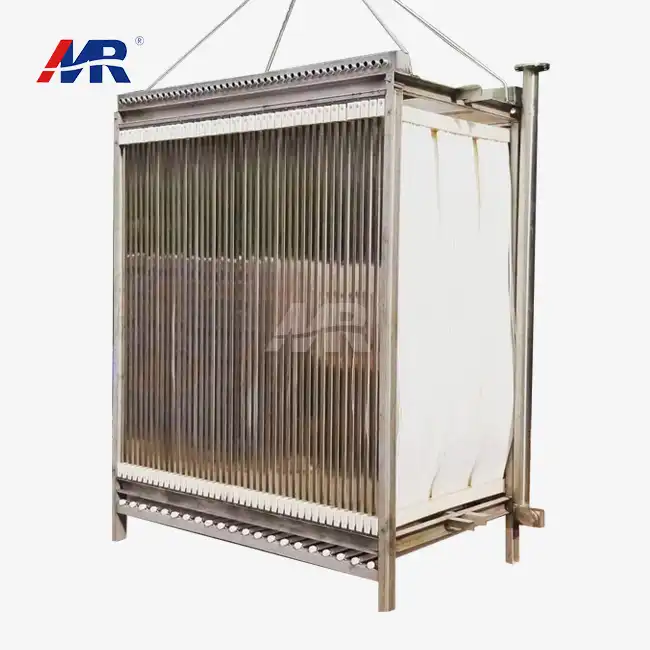
The MR-MBR-313 series is made for high-capacity water treatment. It uses advanced PVDF material, so it holds up over the long term and resists oxidative cleaning agents. With a precise 0.2um pore size, this membrane bioreactor (MBR) technology acts as a dependable barrier against pathogens and suspended solids. The result is high-quality reclaimed water for industrial reuse or agricultural irrigation.
- High-strength PVDF construction. The MR-MBR-313 is built with reinforced PVDF. That gives it high tensile strength and chemical resistance through intensive Cleaning-in-Place (CIP) cycles.
- Precision microfiltration. A nominal pore size of 0.2um lets the membrane bioreactor (MBR) remove turbidity at a consistently high rate and meet "Class A" discharge standards.
- Space-saving design. Each module packs 34.5m² of effective filtration area into a compact 2000X1250X30mm frame. That shrinks the overall system footprint by a wide margin.
- Compliance and paperwork, wherever your project sits. Every membrane bioreactor (MBR) we make comes out of ISO-certified processes. That means the documents you need for project approvals in Europe and South America are already in place.
- Built for loads that shift. High Mixed Liquor Suspended Solids (MLSS) levels are something this system handles without trouble. Operations stay steady across a wide range of industrial applications.
Engineers get the parameters they need for feasibility studies and equipment selection from the technical data sheets and system integration guides for the MR-MBR-313 series. Detailed performance metrics make flux rates and energy consumption profiles easier to compare, so the system fits with regional operating budgets. Going with high-performance PVDF filtration modules supports the longer-term move toward sustainable, circular water management.
Related Products
About Guangdong Morui Environmental Technology Co.,Ltd
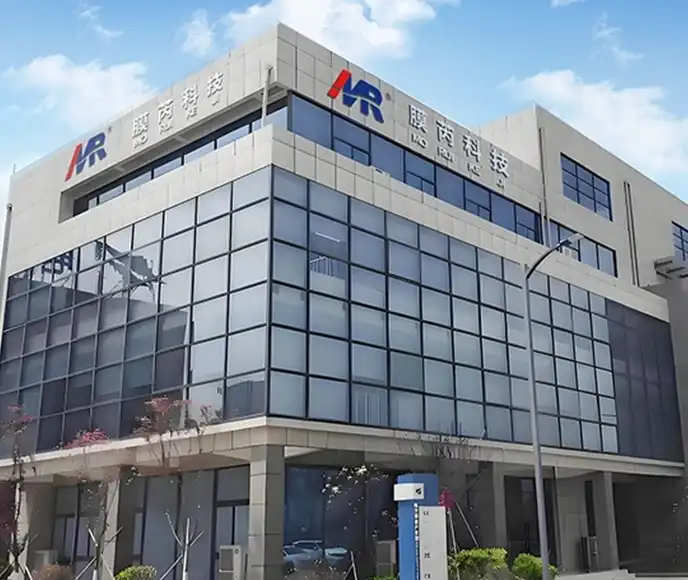
Guangdong Morui Environmental Technology Co.,Ltd got its start in 2005. Today, we're a leading membrane bioreactor mbr supplier, delivering MBR solutions for water treatment to customers all over the world. Almost two decades of engineering experience backs our work. Our customers are located in South America, Southeast Asia, Europe, the Middle East, and Africa. We provide advanced filtration systems for municipal and industrial applications.
High-performance membranes are our bread and butter. We make PVDF reinforced modules, like the MR-MBR-313, with a 34.5m² filtration area and a 0.2μm micron rating. These systems, which we offer as a membrane bioreactor mbr supplier, can handle high MLSS concentrations (8,000–15,000 mg/L). They're perfect for municipal plant upgrades where land is tight, or for industrial wastewater treatment with high COD.
Guangdong Morui follows a strict quality management system. We hold ISO, CE, and ROHS certifications. Every membrane bioreactor unit goes through integrity testing. That gives it the tensile strength and chemical resistance needed for intensive Cleaning-in-Place (CIP) cycles and stable long-term operation.
Our partners work across several time zones. To support them, we provide full technical services: remote commissioning, onsite training, and professional maintenance guidance. Guangdong Morui remains committed to proven, high-flux filtration technology. It meets strict international discharge standards for sustainable water reuse.
Advanced MBR Systems for Wastewater Treatment Worldwide
Common Uses
Membrane bioreactors (MBR) combine biological breakdown with high-purity filtration, and water treatment plants everywhere depend on them. When traditional gravity settling can no longer keep up with modern standards, Guangdong Morui Environmental Technology Co., Ltd steps in as a membrane bioreactor mbr supplier offering specialized systems. Common uses include:
- Municipal upgrades. For city plants in Southeast Asia and Europe, a membrane bioreactor mbr supplier can help add capacity even when space is tight.
- Industrial wastewater. In South America, textile, pharmaceutical, and petrochemical plants use these systems to handle high COD and TOC loads.
- Decentralized commercial reuse. Resorts and hospitals in the Middle East and Africa recycle graywater. They use it again as non-potable water for irrigation and cooling.
Challenges and Barriers Customers Deal With
Every market runs by its own rules. That means the technical approach has to be solid. In Europe and South America, effluent standards are tough. They cover Class A discharge and CE-related environmental directives. Conventional systems cannot always deliver the steady water quality these rules demand. High organic loads and shifting temperatures are common in Southeast Asia and the Middle East. They often cause sludge bulking, which makes systems unstable. Land is expensive in these regions, and maintenance takes a lot of labor. So automated, compact systems are the practical choice. If these challenges go unaddressed, the result is environmental non-compliance, high operating costs, and frequent downtime.
How Our Integrated MBR Works
Guangdong Morui builds membrane bioreactors (MBR) as modules. That setup keeps hydraulic retention time (HRT) separate from sludge retention time (SRT). High-performance PVDF membranes sit right inside the biological process, so secondary clarifiers are not needed. The layout shrinks the footprint by as much as 50%, and mixed liquor suspended solids (MLSS) hold steady at 8,000–15,000 mg/L.
System Layout and Key Components
Four separate units do the work:
- Pre-treatment unit: High-precision screening and equalization shield the membrane from physical damage.
- MR-MBR-313 host module: This unit provides 34.5m² of filtration area and a 0.2µm micron rating. PVDF gives it the tensile strength and chemical resistance that high-flux performance requires.
- Automated control system: With PLC/SCADA integration, operators can watch transmembrane pressure (TMP) in real time and adjust flux automatically.
- CIP maintenance module: A dedicated Cleaning-in-Place system holds permeability steady over the long term. It does this by running controlled chemical recovery cycles.
What You Get, and the Numbers That Prove It
- Cleaner effluent. Suspended solids (SS) come out below 1 mg/L, and turbidity stays under 0.1 NTU. That clears even the toughest reuse standards.
- Built to last. The PVDF reinforced membrane (Model: MR-MBR-313) resists fouling and holds up against aggressive cleaning agents.
- Efficient to run. Automated aeration lifts oxygen transfer and membrane scouring. Energy use drops as a result.
- Saves space. The unit measures 2000x1250x30mm, so it stays compact. It also allows modular expansion on sites where room is tight.
Project Delivery and Support: How We Work
We've been in business since 2005, which gives us close to two decades of know-how. Our implementation work runs from site-specific hydraulic modeling through to final commissioning. For projects in the Middle East, Southeast Asia, and Africa, we provide remote diagnostic support and fast spare parts supply. ISO, CE, and ROHS certifications mean every module meets international safety and performance standards.
A Real Example: Textile Plant in Southeast Asia
High dye concentrations and shifting hydraulic loads put a large textile plant in Southeast Asia under real strain. The plant was struggling. It brought in the MR-MBR-313 modular solution. In the same area, treatment capacity rose 40%. The effluent was clean enough that 70% of the water could go back into the production line. Raw water costs fell sharply. The plant also stayed at 100% compliance with local environmental discharge regulations.
The membrane's specialized PVDF structure forms a physical barrier. Pathogens and contaminants can't cross it. Permeability stays high, so the membrane can support industrial-grade water reclamation.
FAQs
1. How should I evaluate the right membrane bioreactor MBR for an industrial wastewater upgrade?
When selecting a membrane bioreactor MBR, you must evaluate the membrane material, pore size, and effective filtration area. For industrial applications, PVDF (Polyvinylidene Fluoride) is the preferred material due to its superior chemical resistance during intensive Cleaning-in-Place (CIP) cycles. Our MR-MBR-313 model, for instance, features a 0.2μm micron rating and a generous 34.5m² surface area, ensuring high flux and stable effluent quality. We recommend checking the design flux (typically 10–30 LMH) against your specific raw water characteristics, such as COD and TSS levels. Since 2005, Guangdong Morui Environmental Technology Co.,Ltd has specialized in matching these parameters to complex industrial needs. We suggest providing your specific influent parameters so our engineers can verify the optimal configuration for your facility.2. What are the typical lead times and shipping considerations for MBR membrane modules to South America or Africa?
For international projects in South America or Africa, delivery timelines usually range from 2 to 4 weeks for standard orders, depending on current production volume at our ISO-certified facility. As an established manufacturer since 2005, Guangdong Morui Environmental Technology Co.,Ltd optimizes the packaging of our MR-MBR-313 modules (2000X1250X30mm) to ensure they withstand long-distance maritime transit. When planning your project, consider: 1) The port of entry’s customs clearance speed; 2) The seasonal impact on shipping routes; and 3) The quantity of modules required for your MLSS targets (typically 8,000–15,000 mg/L). We provide all necessary documentation, including CE and ROHS certifications, to facilitate smooth importation. For large-scale municipal or industrial orders, we recommend contacting us early to lock in production slots and coordinate logistics.3. For projects in Southeast Asia and the Middle East, how does the membrane bioreactor MBR cope with high temperatures and fouling?
In regions like Southeast Asia and the Middle East, high ambient temperatures can accelerate biological activity and potential membrane fouling. Our membrane bioreactor MBR systems utilize reinforced PVDF membranes with a 0.2um pore size, which are specifically designed to maintain structural integrity and high tensile strength under varying thermal conditions. To ensure longevity, we recommend: 1) Implementing automated air-scouring to prevent sludge cake buildup; 2) Maintaining precise control over the Sludge Retention Time (SRT) to optimize biomass health; and 3) Utilizing our chemical-resistant modules for effective recovery cleaning. Our MR-MBR-313 is engineered to handle these demanding environments by decoupling hydraulic and solids retention, allowing for consistent high-quality reclaimed water even in tropical or arid climates.4. Which international certifications and quality standards should I look for when importing MBR systems into Europe?
European markets demand strict compliance with safety and environmental standards. When sourcing a membrane bioreactor MBR, you should ensure the manufacturer holds ISO 9001 quality management certification and that the products carry CE and ROHS marks. These certifications verify that the equipment meets essential European health, safety, and environmental protection requirements. Additionally, effluent quality must typically meet local "Class A" or specific industrial discharge limits, which usually involve monitoring BOD, nitrogen, and phosphorus levels. Guangdong Morui Environmental Technology Co.,Ltd strictly adheres to these international standards, ensuring our MR-MBR-313 modules are compatible with rigorous European regulatory frameworks. However, we always advise clients to confirm specific local discharge mandates with regional authorities before finalizing the system design.5. What technical support and authenticity verification does Guangdong Morui offer for international water treatment projects?
Verifying supplier expertise is crucial for long-term project success. Guangdong Morui Environmental Technology Co.,Ltd has been a dedicated player in the water treatment industry since 2005, offering deep technical expertise in membrane bioreactor MBR technology. We provide comprehensive support, including initial design consultations, detailed CAD drawings for the MR-MBR-313 integration, and remote installation guidance for projects across Southeast Asia, Europe, and beyond. To verify our strength, clients can request our ISO, CE, and ROHS documentation and case studies from similar geographic regions. For complex installations, we can provide specific parameters for aeration, backwash frequency, and chemical dosing to ensure your system reaches its design life. If you are managing a new project, please reach out with your site specifications for a customized technical proposal.
Best Selling Products
Related Blogs
Related Search
Email:benson@guangdongmorui.com
Whatapp:8613530341575
Add: No.3 Xuwu Road, Baoan District, Shenzhen, China.