_1745823981883.webp)

edi system in water treatment supplier
Verified EDI Systems for Global Ultrapure Water Standards
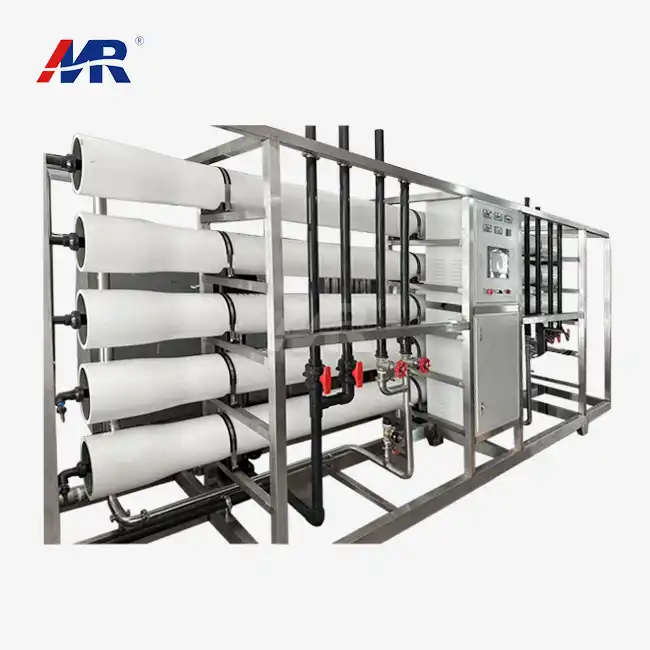
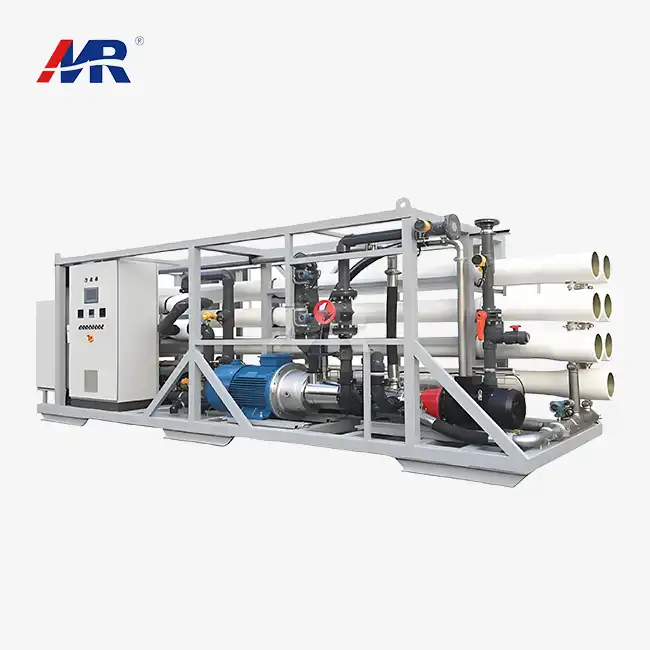
For procurement managers and lead engineers in South America, Southeast Asia, Europe, the Middle East, and Africa, a dependable EDI water treatment system is a must. It keeps industrial processes running the way they should. EDI in water treatment works through a complex electrochemical process. Ion-selective membranes, ion exchange resins, and a DC electrical field all work together, and a trusted edi system in water treatment supplier can help you get that balance right. They continuously remove ionized species from water. This technology is the backbone of ultrapure water production. For demanding sectors such as electronics, pharmaceuticals, and power generation, it offers a stable, chemical-free choice over traditional mixed-bed deionizers.
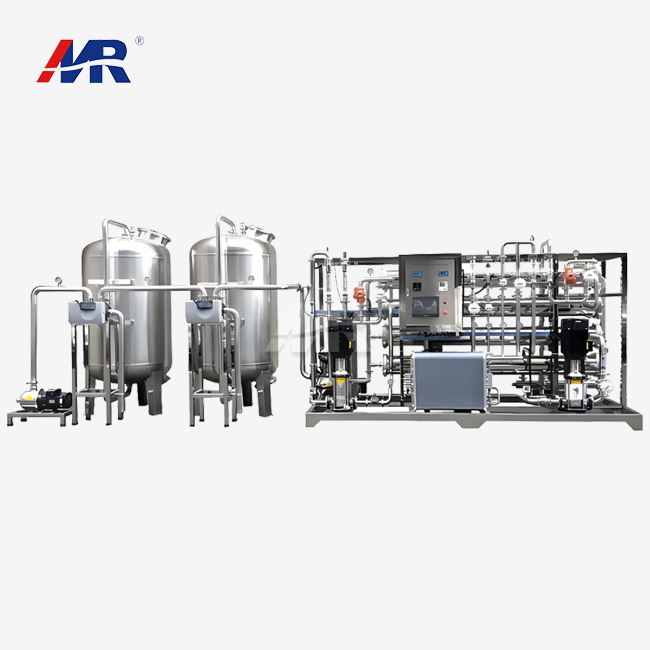
Factories around the world hit major snags when they upgrade their water purification infrastructure. In regions such as Southeast Asia and the Middle East, high ambient temperatures and shifting feed water salinity can cut system life short. The usual headaches include the logistics and safety risks of handling hazardous regeneration chemicals, water quality that changes during batch processing, and rising energy costs in large-scale operations. Procurement teams that source from an edi system in water treatment supplier often lack international certifications, such as CE or ROHS. Those certifications are required for regulatory compliance in European markets. That gap can lead to costly project delays and technical mismatches.
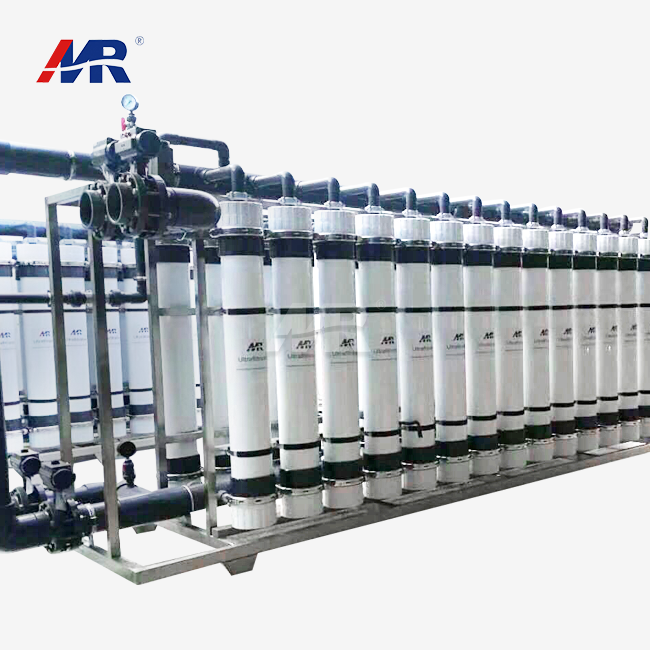
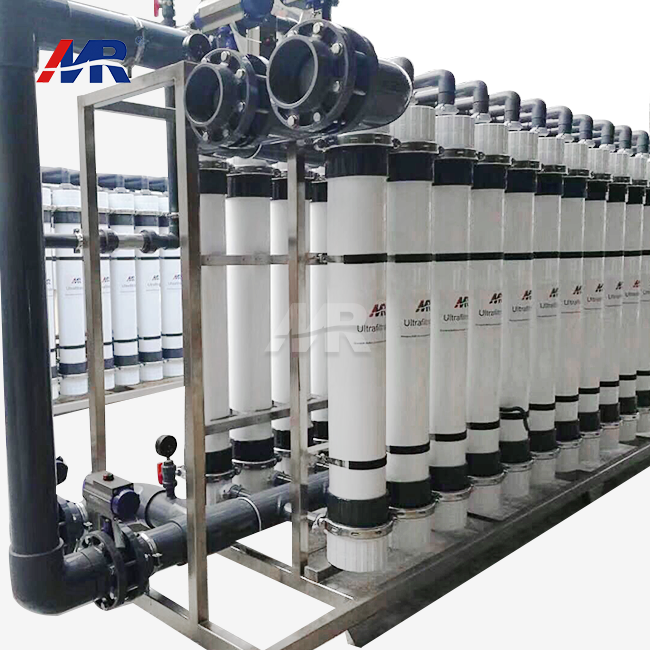
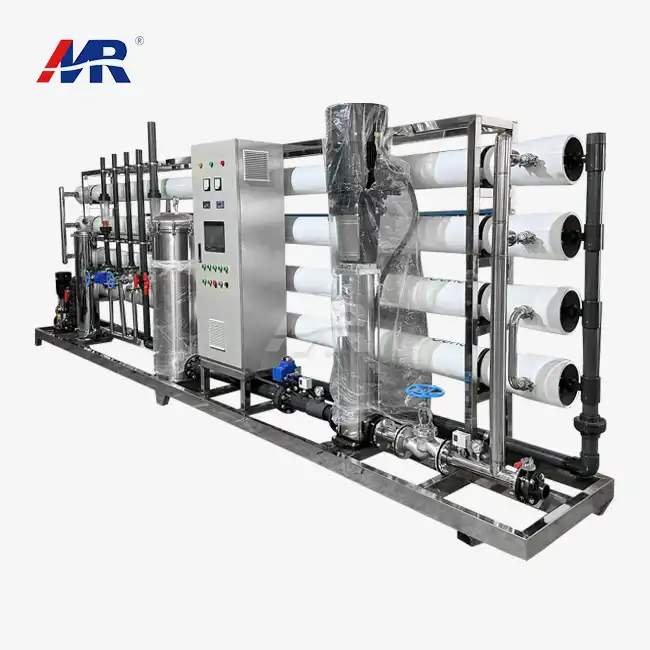
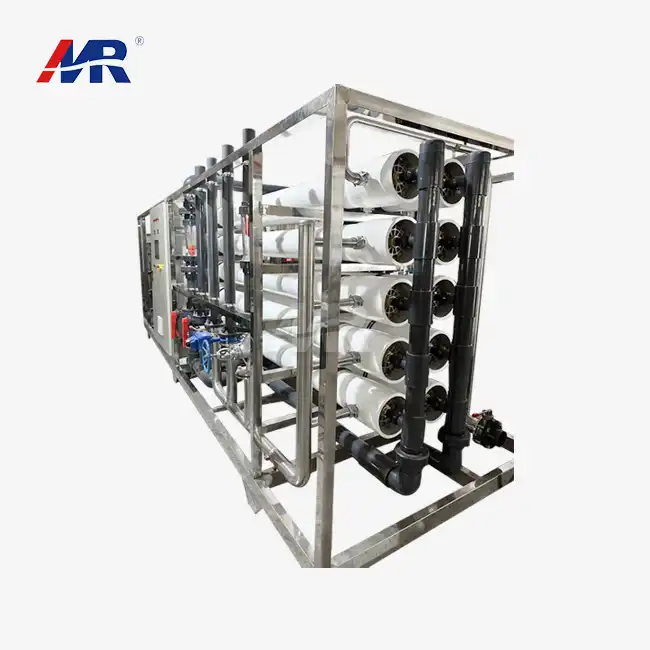
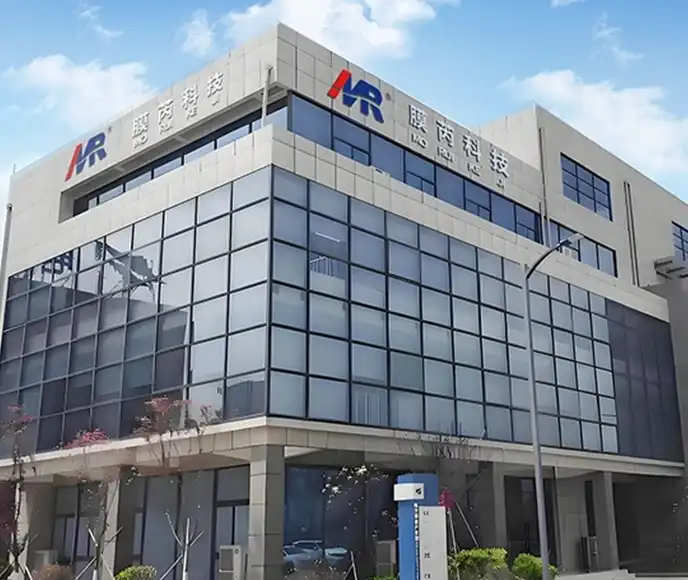
Guangdong Morui Environmental Technology Co., Ltd was established in 2005. It takes on these challenges with engineered EDI water treatment systems. Operational transparency and technical reliability come first. The Model MR-EDI-3TH shows that expertise. This system is built specifically for high-precision ultrapure water production. Morui puts its focus on checking technical parameters and manufacturing standards. That focus helps procurement managers in South America and Africa at every stage of the equipment lifecycle. Its systems are designed to run under diverse environmental conditions. They also meet the strict conductivity requirements that modern industrial applications need.
The technical superiority of this edi system in water treatment is defined by its ability to deliver consistent results without the downtime associated with resin regeneration. Key advantages of our systems include:
- Precision Ultrapure Water Output: The MR-EDI-3TH reaches a salt rejection rate of 99.99%. This produces water that meets the 10-18.2 MΩ·cm resistivity standards required for sensitive processes.
- Optimized Energy Efficiency: The system draws 10kw/hour. Set that against traditional thermal or chemical purification, and the operational carbon footprint drops sharply.
- Strict Regulatory Compliance: Every EDI water treatment system is built to ISO standards and carries CE and ROHS certifications. That makes integration into regulated markets in Europe and the Middle East straightforward.
- Sustainable Water Recovery: The system reaches a 55% recovery rate. You get high-purity output and still save resources. For plants in water-stressed regions, that balance matters a great deal.
- Industrial Durability: With a modular design, the system runs 24/7 and never has to stop. Batch-based deionization gives uneven results. This setup fixes that problem, and it needs fewer maintenance interventions.
For organizations evaluating long-term technical partnerships, comprehensive documentation and performance data are available to facilitate the supplier auditing process. Technical consultations can be arranged to align the system’s modular capacity with specific project flow rates and feed water characteristics. These sessions allow engineers to review the integration of electrochemical stacks and control systems before final deployment. The continuous removal of residual salts and silica through electrochemical means provides a stable foundation for high-purity industrial requirements.
Related Products
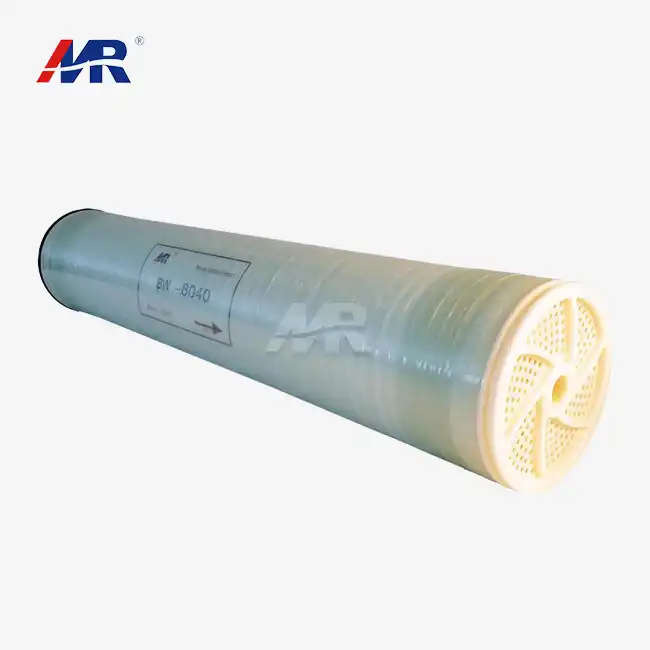
Guangdong Morui Environmental Technology Co., Ltd.: Professional EDI Solutions
Guangdong Morui Environmental Technology Co., Ltd. got its start in 2005. We're a leading manufacturer focused on advanced water treatment solutions. After nearly two decades in the industry, we've become a trusted global supplier of high-performance EDI systems for water treatment. These systems, backed by our role as a dependable edi system in water treatment supplier, support critical industrial infrastructure in South America, Southeast Asia, Europe, the Middle East, and Africa.
Our MR-EDI-3TH series shows what our engineering can do. It's made for high-precision ultrapure water production. With a 99.99% salt rejection rate and a stable 55% recovery rate, our edi system in water treatment supplier approach helps facilities move from hazardous chemical regeneration to continuous, eco-friendly operation. That's especially important for semiconductor and pharmaceutical sectors, where 10-18.2 MΩ·cm water quality is non-negotiable.
Everything at Morui starts with quality and reliability. Our manufacturing is ISO, CE, and ROHS certified, so every unit meets strict international safety and environmental standards. Power consumption is optimized to just 10kw/hour, which helps our partners around the world cut operating costs without lowering output purity.
For long-term project success, we offer complete technical support built for international markets. That includes remote system debugging, onsite technical training, and local maintenance guidance. Guangdong Morui stays committed to high-efficiency solutions that deliver sustainable value for industrial water projects worldwide.
High-Efficiency EDI Solutions for Sustainable Ultrapure Water Production
Application Scenarios in Modern Industry
For high-precision manufacturing and life sciences, the EDI system in water treatment is a must. Partnering with a reliable edi system in water treatment supplier often makes the difference, since this is the final critical step to reach ultrapure water (UPW). Common applications include:
- Semiconductor & Electronics: Wafer rinsing needs water with resistivity up to 18.2 MΩ·cm, which the edi system in water treatment supplier supplies. Even trace ions can ruin production yields.
- Pharmaceuticals & Biotech: It removes dissolved gases and weakly ionized substances like silica and boron, so the water meets strict USP/EP standards for Water for Injection (WFI).
- Power Generation: It supplies high-pressure boiler feed water. This prevents scaling and corrosion in turbines.
Regional Obstacles and the Problems Customers Face
An EDI system for water treatment runs into distinct environmental and regulatory hurdles across South America, Southeast Asia, and the Middle East:
- Strict Compliance: Markets in Europe and Southeast Asia demand full adherence to CE and ROHS standards so equipment stays safe and environmentally compatible.
- Chemical Logistics and Safety: In remote parts of Africa and South America, sourcing and handling hazardous acids and caustics for traditional resin regeneration is a logistics challenge and brings major safety risks.
- Energy and Water Scarcity: Facilities in the Middle East and Southeast Asia face high utility costs. So system recovery rates and energy use (the 10kw/hour threshold, for example) are critical to operational viability.
- Maintenance Downtime: Conventional systems are taken offline often to replace resin. Each stop causes huge productivity losses and high labor costs.
The Guangdong Morui Integrated EDI Solution
Guangdong Morui Environmental Technology Co.,Ltd, established in 2005, offers a modular, "turnkey" approach to electrodeionization. With the MR-EDI-3TH model integrated, the solution moves facilities from erratic batch processing to continuous, 24/7 ultrapure water production. This electrochemical process removes chemical dependency. It uses DC fields and ion-selective membranes to keep high-purity output flowing without interruption.
System Architecture and Technical Specs
The solution is structured into four primary modules designed for maximum reliability:
- RO Pre-treatment Interface: Optimized to deliver stable feed water, ensuring the EDI stack operates within its ideal conductivity range.
- MR-EDI-3TH Core Stack: The heart of the system, achieving a 99.99% salt rejection rate and a 55% recovery rate, specifically engineered to remove residual CO2 and silica.
- Intelligent Control & Automation: A PLC-based system tracks voltage and flow in real time. It keeps power consumption efficiency at 10kw/hour.
- Integrated CIP (Cleaning-In-Place): A dedicated maintenance module stops scale buildup in high-hardness conditions. It works without taking the system apart.
Operational Benefits You Can Measure
- Chemical-Free Operation: Cuts acid/alkali consumption by 100%. That lowers environmental footprint and operator risk.
- Consistent High Purity: water quality stays steady at 10-18 MΩ·cm, well above what standard deionization methods deliver.
- Low Energy Footprint: The optimized 10kw/hour power draw reduces operational expenditure compared to thermal distillation.
- Minimal Footprint: The modular design requires 60% less space than traditional mixed-bed ion exchange units.
Global Implementation and Support
ISO, CE, and ROHS certifications mean the manufacturing process meets international quality standards. Implementation runs through raw water analysis at the site, custom P&ID design, and strict factory acceptance testing (FAT). For markets in South America and the Middle East, remote diagnostics and a strong spare parts supply chain keep systems up and running over the long term.
Typical Implementation Case
A large pharmaceutical plant in Southeast Asia struggled with water quality that kept fluctuating and high chemical disposal costs. After deploying the MR-EDI-3TH solution, the plant held water resistivity steady at 16 MΩ·cm and cut annual maintenance labor by 40%. Switching to a continuous flow model removed the weekly downtime that came with chemical regeneration cycles.
Strategic Implementation Support
Technical consultations include a detailed configuration analysis based on your raw water conditions and purity targets, for industrial projects worldwide. Full documentation and maintenance schedules keep operations sound over the long term across different international markets. Integrating advanced electrodeionization technology keeps resistivity steady and delivers high-purity water for sensitive manufacturing environments.
FAQs
1. What is an EDI system in water treatment and how does it improve upon traditional deionization methods?
An EDI system in water treatment, or Electrodeionization, is an advanced electrochemical process that utilizes ion exchange resins, ion-selective membranes, and a DC electrical field to continuously deionize water. Unlike traditional Mixed Bed deionizers that require periodic shutdowns for hazardous acid and caustic chemical regeneration, an EDI system operates continuously 24/7. This transition from batch to continuous processing eliminates the need for chemical handling and significantly reduces a facility's carbon footprint. For industries requiring high-purity standards, Guangdong Morui’s systems effectively remove residual salts, dissolved gases, and weakly ionized substances like silica and boron to reach ultrapure water standards (10-18.2 MΩ·cm). We recommend evaluating EDI for any project where operational safety and environmental sustainability are priorities.2. What technical parameters are most critical when selecting an EDI system for ultrapure water production?
When evaluating an EDI system in water treatment, you should focus on the salt rejection rate, recovery rate, and energy efficiency. For instance, our MR-EDI-3TH model is engineered for high-performance ultrapure water production, featuring a salt rejection rate of 99.99% and a recovery rate of 55%. Power consumption is another vital factor; this specific model consumes approximately 10kw/hour. It is also essential to ensure the feed water has been properly pre-treated, typically through a double-pass Reverse Osmosis (RO) system, to protect the EDI membranes from scaling. If you are unsure about your raw water compatibility, providing a water quality analysis report to Guangdong Morui Environmental Technology will allow us to calculate the optimal configuration for your specific flow requirements.3. For projects in Europe, Southeast Asia, or the Middle East, which certifications ensure the reliability of an EDI system?
International quality standards are crucial for verifying supplier credibility and ensuring equipment safety in global markets. An EDI system in water treatment intended for use in Europe or the Middle East should typically carry CE certification for electrical safety and ROHS compliance for hazardous substance control. At Guangdong Morui Environmental Technology, established in 2005, we maintain ISO certification to ensure our manufacturing processes meet rigorous international quality management standards. While these certifications provide a baseline for reliability and safety, equipment owners should always verify specific local electrical codes and environmental regulations in their respective regions—whether in Southeast Asia or South America—to ensure full compliance with regional water discharge and safety laws.4. How does an EDI system in water treatment handle common industrial challenges like energy consumption and maintenance?
One of the primary benefits of an EDI system in water treatment is the reduction in maintenance complexity compared to traditional chemical-based systems. Because the ion exchange resins are continuously regenerated by the electrical field, there is no downtime for chemical cleaning cycles. Regarding energy, modern units like the MR-EDI-3TH are designed to balance high salt rejection (99.99%) with sustainable power usage, typically around 10kw/hour for industrial scales. To maintain peak efficiency and prevent fouling, it is vital to monitor the feed water's hardness and silica levels. We suggest implementing a routine monitoring schedule for electrical current and pressure differentials. For facilities in Africa or South America where chemical supply chains might be volatile, the self-regenerating nature of EDI provides a significant logistical advantage.5. Can Guangdong Morui Environmental Technology provide technical support and installation for water treatment projects in South America or Africa?
Since our founding in 2005, Guangdong Morui Environmental Technology has developed extensive experience supporting international water treatment projects across South America, Africa, Southeast Asia, and beyond. We understand that purchasing an EDI system in water treatment is a long-term investment that requires reliable technical guidance. We provide comprehensive documentation, remote technical support, and can coordinate factory-level consultancy for system integration. For large-scale industrial installations, we offer guidance on commissioning and operator training to ensure your team can manage the 99.99% salt rejection performance effectively. We encourage potential partners to contact us with their specific project parameters and site conditions so we can provide a tailored technical proposal that accounts for local environmental factors and infrastructure requirements.