

_1745823981883.webp)

Email:benson@guangdongmorui.com
Whatapp:8613530341575
Add: No.3 Xuwu Road, Baoan District, Shenzhen, China.
membrane mbr supplier
Optimizing Industrial Water Treatment with Certified MBR Membrane Technology
For procurement managers in South America, Southeast Asia, Europe, the Middle East, and Africa tasked with upgrading water treatment infrastructure, identifying a verified membrane mbr supplier is essential for long-term operational success. A membrane mbr (Membrane Bioreactor) represents the advanced integration of biological degradation and microfiltration, serving as a high-efficiency barrier that eliminates the need for traditional secondary sedimentation while producing superior effluent quality.
In regions such as Southeast Asia and South America, industrial facilities often struggle with fluctuating chemical oxygen demand (COD) and inconsistent influent quality, which can lead to frequent system failures. In the Middle East and Africa, high operational costs and the scarcity of technical support necessitate systems that offer exceptional mechanical durability and low maintenance requirements. Furthermore, European markets demand strict adherence to CE and ISO certifications to ensure regulatory compliance and environmental safety. Without a verified, high-performance solution, facilities risk irreversible fouling, frequent membrane replacement, and costly downtime due to non-compliant discharge.
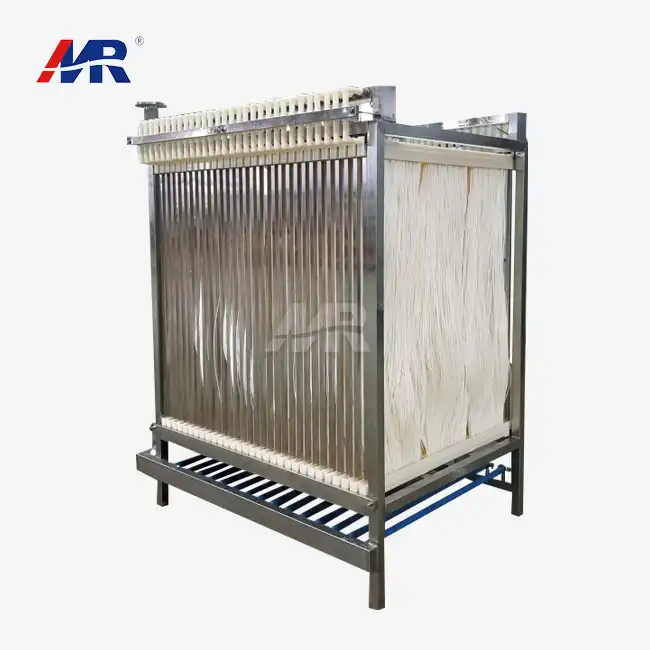
Guangdong Morui Environmental Technology Co., Ltd., established in 2005, provides specialized membrane mbr solutions designed to address these specific regional challenges. By utilizing advanced PVDF (Polyvinylidene Fluoride) materials, the MR-MBR-150 series offers superior chemical resistance and tensile strength compared to standard PES alternatives. These modules are specifically engineered for demanding applications including municipal wastewater reclamation, textile dyeing, and landfill leachate treatment. With full ISO, CE, and ROHS certifications, the company ensures that every filtration module meets the rigorous documentation and quality standards required by international procurement departments.
- High-Performance PVDF Construction: The MR-MBR-150 utilizes PVDF material to provide excellent hydrophilicity and chemical stability, allowing for aggressive cleaning cycles across a wide pH range (2-12).
- Precision Microfiltration: A nominal pore size of 0.2um ensures the effective removal of suspended solids and colloidal matter, delivering high-clarity effluent suitable for industrial reuse or sensitive discharge.
- Optimized Spatial Efficiency: Each module features a 15m² filtration area within a compact 1300X1000X30mm dimension, maximizing flux in space-constrained water treatment plants.
- Certified Global Compliance: Adherence to ISO, CE, and ROHS standards facilitates seamless integration into projects across Europe and the Middle East, reducing regulatory approval timelines.
- Robust Fouling Resistance: The internal structure is designed to handle high MLSS levels (8,000 to 15,000 mg/L), significantly reducing the physical footprint of the bioreactor while maintaining stable permeate flow.
Technical dossiers, including detailed flux curves and chemical resistance tables, are available to assist in the verification of system compatibility for specific industrial site conditions. Professional engineering support is provided to ensure the membrane mbr configuration matches the precise hydraulic and organic loading requirements of the target facility.
The integration of PVDF fiber technology with a 0.2-micron filtration threshold provides a consistent physical barrier for high-purity industrial effluent production.
Related Products
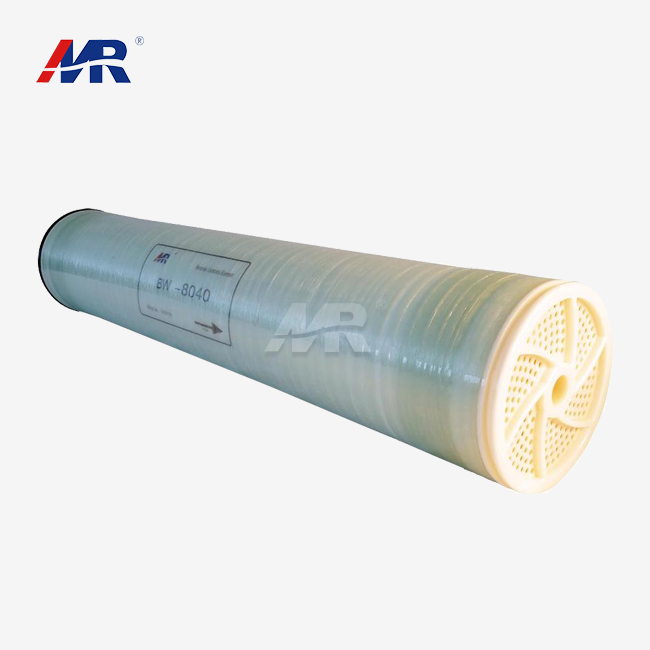
Guangdong Morui Environmental Technology Co., Ltd. Offers Reliable Membrane MBR Solutions
Guangdong Morui Environmental Technology Co., Ltd. got its start in 2005. As a leading manufacturer and membrane mbr supplier in this field, we build advanced water treatment systems. For nearly 20 years, our main focus has been R&D and production of high-performance membrane MBR technology, and our systems support critical infrastructure projects across South America, Southeast Asia, Europe, the Middle East, and Africa.
Landfill leachate and high-COD industrial wastewater aren't easy to treat, but we know both inside and out. Our MR-MBR-150 series, built with what you'd expect from a membrane mbr supplier that focuses on tough jobs, uses premium PVDF materials and a precise 0.2μm rating. That creates a solid barrier against complex organic molecules. The modules keep flux steady even in high MLSS environments. Municipal reclamation and textile dyeing plants often pick them for exactly that reason.
Quality and reliability come first at every step. Our facility holds ISO certification, and our products carry CE and ROHS marks. That shows we meet international safety and environmental standards. Every membrane MBR module goes through strict integrity testing. These checks confirm mechanical durability and chemical resistance. They also help ensure stable operation over the long term.
We support our global partners with a full range of technical services, from remote debugging to on-site maintenance training. If you're upgrading a local facility in Southeast Asia or designing a new plant in the Middle East, Morui Environmental has the technical expertise to integrate the system smoothly. We're committed to being your long-term partner as you work toward sustainable water management goals.
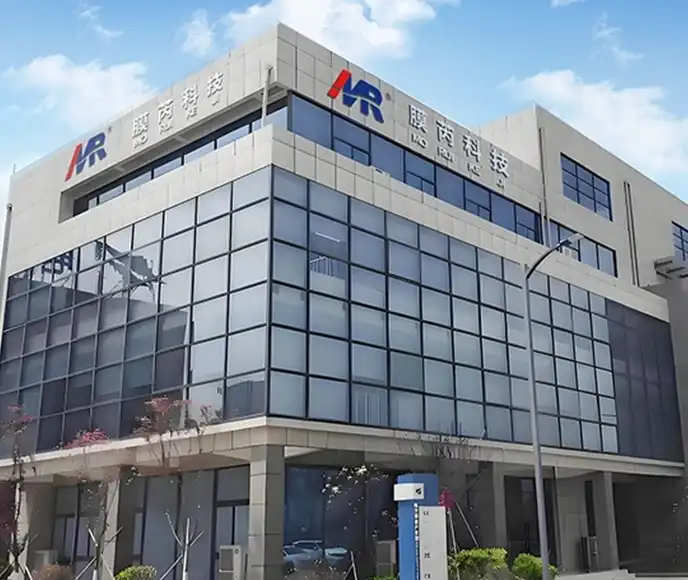
Worldwide Wastewater Reuse with Precision-Built MBR Membrane Systems
A Quick Look at Municipal and Industrial Applications
When effluent needs to meet strict standards, MBR membrane technology takes care of the filtration step that counts the most. Guangdong Morui Environmental Technology Co.,Ltd, a trusted membrane mbr supplier, designs and builds custom systems for municipal wastewater reclamation in dense cities where land is tight. The treated water comes out clean enough to reuse for landscaping and cooling. Our systems also operate in textile and dyeing plants with heavy COD loads, and at landfill leachate sites. In those settings, the membrane works as a key barrier against complex organic molecules before the water moves on to further purification.
Regulatory and Operating Hurdles Worldwide
Our clients in South America, Southeast Asia, Europe, the Middle East, and Africa each face their own environmental pressures. In Europe and South America, meeting discharge rules means following strict CE and ISO standards. In Southeast Asia and Africa, high heat and influent quality that keeps changing tend to foul membranes quickly. That sends maintenance costs up, and downtime risk rises with them. We take these problems head-on with automated, fouling-resistant designs that, thanks to the right membrane mbr supplier, use less energy and need far less manual labor. They also meet international ROHS and environmental safety benchmarks.
The Membrane MBR Solution from Guangdong Morui
We have worked in this field since 2005, so we bring close to two decades of expertise. Our membrane MBR solutions come as modular or turnkey systems, and we tailor each one to the water chemistry at your site. With the MR-MBR-150 module, the system replaces traditional secondary sedimentation tanks with a compact, high-efficiency filtration process. That cuts the footprint by up to 50% and gives effluent clarity that conventional biological treatment can't match.
System Design and Key Components
- Pre-treatment unit. Fine screens and grit removal trap large debris before it can reach the membrane. That protects the membrane from mechanical damage.
- MR-MBR-150 membrane modules. Each module gives 15m² of area (1300X1000X30mm) and uses PVDF rated at 0.2um. It stands up well to chemicals and mechanical stress.
- Integrated control system. A PLC automates filtration cycles, backwashing, and aeration. Flux holds steady between 10 and 30 LMH.
- CIP (Cleaning-In-Place) module. A dedicated chemical cleaning loop works across aggressive pH ranges (2-12). It restores membrane permeability without any need to take the unit apart.
Advantages You Can Measure
- Longer service life. PVDF and internal braid reinforcement keep fibers from breaking. So the membranes last much longer.
- Fine filtration. With a 0.2um pore size, the membrane removes suspended solids and pathogenic bacteria completely.
- Tight footprint. At just 1300X1000X30mm, the module packs in at high density and gets the most out of the effective filtration area.
- Energy savings: the advanced aeration design cuts scouring power use by 15-20% compared with traditional models.
Project Delivery and Service, No Matter Where You Are
Guangdong Morui takes a project from start to finish. That means the first chemical analysis, system sizing, manufacturing, and shipping to any country. For partners in the Middle East and Southeast Asia, we offer remote diagnostics and a spare parts supply chain that moves fast. We also give local operators standard technical training. That way, every installation can reach its design flux and recovery targets under local environmental conditions.
One Real Example: Textile Wastewater in Southeast Asia
A large textile manufacturer needed a reliable way to handle chemical concentrations that kept changing. With a multi-skid MR-MBR-150 setup, the plant kept MLSS steady at 10,000 mg/L. The treated effluent met strict local reuse standards. That let the facility recycle 70% of its process water and cut biological sludge by 30%.
If your industrial wastewater project is specialized and needs high-performance filtration modules, we can give you the technical specs and configuration details.
The integrated PVDF MBR system gives high effluent quality and a long service life. That makes it a good fit for industrial water reuse projects anywhere in the world.
FAQs
1. [How does membrane MBR technology improve wastewater treatment compared to traditional sedimentation?]
Membrane Bioreactor (MBR) technology represents a significant leap over traditional secondary clarifiers by using a physical barrier to separate liquids and solids. For instance, the MR-MBR-150 from Guangdong Morui Environmental Technology utilizes a PVDF membrane with a precise 0.2μm micron rating. This ensures a stable, high-quality effluent with significantly lower turbidity, even when sludge settling properties are poor. In regions like Southeast Asia or Europe where land is at a premium, membrane MBR systems allow for a much smaller footprint by maintaining higher MLSS levels (typically 8,000 to 15,000 mg/L). We recommend MBR for projects requiring high-grade reclaimed water for industrial cooling or landscaping, as it provides a more consistent barrier against complex organic molecules than traditional sedimentation methods.2. [What factors should I evaluate to verify the reliability of a membrane MBR supplier for international projects?]
When sourcing membrane MBR modules for large-scale projects in the Middle East, Africa, or South America, verifying the manufacturer’s history and certifications is crucial for long-term stability. A reputable supplier should have extensive industry experience; for example, Guangdong Morui Environmental Technology has been specialized in water treatment since 2005. You should confirm that the products meet international standards such as ISO, CE, and ROHS, which ensure quality consistency and safety. Furthermore, evaluate the technical specifications of the modules, such as the material (PVDF is preferred for durability) and the effective filtration area (our MR-MBR-150 offers 15m²). Choosing an established manufacturer ensures you receive modules with high tensile strength and the necessary technical documentation for local regulatory approval.3. [How do PVDF-based MBR membranes perform in high-COD industrial environments like textile dyeing or leachate treatment?]
In demanding environments common in Southeast Asia and the Middle East, industrial wastewater often contains high COD and fluctuating chemical concentrations. The PVDF (Polyvinylidene Fluoride) material used in our membrane MBR modules offers superior chemical resistance and mechanical durability compared to standard PES membranes. It can operate across a wide pH range (2-12), which is essential for performing aggressive Chemical-In-Place (CIP) cleaning to remove stubborn organic fouling or scaling. For high-strength influent like landfill leachate, the MBR membrane acts as a critical barrier that protects downstream processes. We suggest maintaining a design flux of 10-30 LMH to optimize performance. For specific industrial applications, please contact Guangdong Morui Environmental Technology to discuss your raw water parameters for tailored flux recommendations.4. [What are the typical regulatory and certification requirements for membrane MBR systems in European and South American markets?]
Deploying membrane MBR technology in Europe or South America usually requires compliance with stringent environmental and safety directives. Most projects require components to carry CE and ROHS certifications to ensure the equipment meets health, safety, and environmental protection standards. Additionally, manufacturing facilities should be ISO certified to guarantee consistent production quality. While these certifications provide a global baseline, specific discharge limits and water reuse standards usually involve local regulations, which can vary significantly between countries. Guangdong Morui Environmental Technology provides fully certified MBR modules that help streamline the local permitting process. We recommend consulting with a local environmental engineer to ensure the MBR system's effluent quality meets the specific legal requirements of your project location.5. [What technical support and maintenance steps are necessary to ensure the longevity of MBR modules in harsh climates?]
In regions like Africa and the Middle East, where environmental conditions can be harsh, the longevity of a membrane MBR system depends on robust design and proper maintenance. Our MR-MBR-150 is designed with reinforced PVDF to prevent fiber breakage and withstand fluctuating temperatures. To prevent fouling, we recommend a three-pillar maintenance strategy: consistent air scouring to vibrate the fibers and remove surface sludge, regular backwashing, and periodic chemical cleaning (CIP). The 0.2μm pore size is specifically engineered to balance filtration precision with flow permeability. Guangdong Morui Environmental Technology provides comprehensive technical guidance and remote support to help local operators manage these systems effectively. If your project is located in a remote area, please reach out to us for a customized maintenance schedule based on your specific water characteristics.
Best Selling Products
Related Blogs
Related Search
Email:benson@guangdongmorui.com
Whatapp:8613530341575
Add: No.3 Xuwu Road, Baoan District, Shenzhen, China.