

_1745823981883.webp)

Tel: +86-1353-0341575
Email:benson@guangdongmorui.com
Whatapp:8613530341575
Add: No.3 Xuwu Road, Baoan District, Shenzhen, China.
EDI plant supplier
Reliable EDI Plant Engineering for Ultrapure Water Production
Procurement managers from South America, Southeast Asia, Europe, the Middle East, and Africa all know one thing: you need a dependable EDI plant for ultrapure water production. It keeps things running and helps them meet regulations. EDI, or electrodeionization, uses ion exchange membranes and DC current to pull ionized species out of water. In industrial water treatment, it's a chemical-free alternative, as any EDI plant supplier knows, to traditional resin beds.
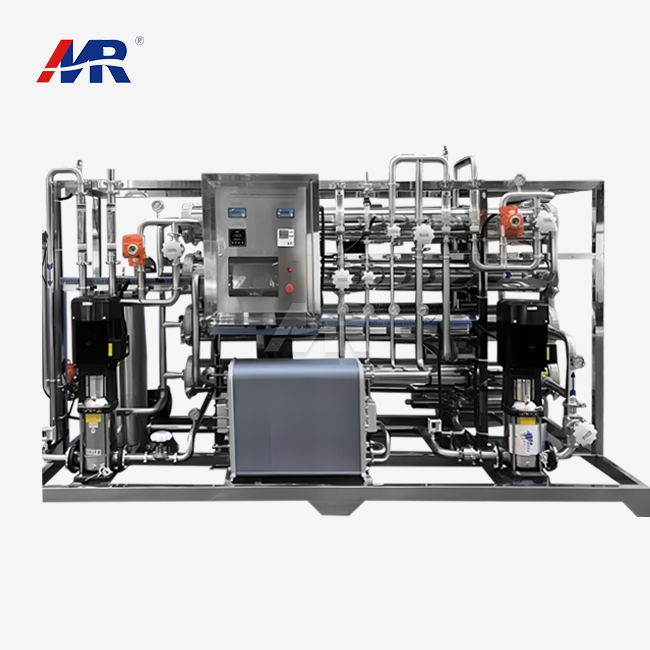
Water treatment differs by region, and every region brings its own operational headaches. In Europe and South America, strict environmental rules on hazardous chemical discharge make traditional acid and alkali resin regeneration harder to handle. Over in Southeast Asia and the Middle East, facility managers often battle system stability when feed water conditions change. On top of that, older purification technologies drive up energy costs. And for high-purity water systems, working with an EDI plant supplier gets even tougher when fast technical support is hard to find and remote sites risk downtime.
Guangdong Morui Environmental Technology Co.,Ltd started in 2005. The company takes on these global challenges by building advanced EDI plant solutions made for long-term efficiency and structural integrity. Its engineering focuses on the Model MR-EDI-1TH, built for ultrapure water production in demanding industrial settings. These systems reach a 99.99% salt rejection rate, so their output always meets the highest purity standards. As a veteran EDI plant manufacturer, Morui brings nearly two decades of industry experience. Its hardware is certified by ISO, CE, and ROHS, meeting the strict safety and performance benchmarks for international trade and local industrial standards.
- Continuous Ultrapure Production: This EDI plant technology removes the need for chemical regeneration cycles. It runs 24/7 without the periodic downtime that traditional deionization methods require.
- Energy-Efficient Performance: With a calibrated power consumption of 4kw/hour for the MR-EDI-1TH model, the system effectively lowers operational overhead for facilities in high-energy-cost regions.
- Superior Ionic Removal: The integration of high-performance stacks achieves a 99.99% salt rejection rate, providing the high-resistivity water necessary for sensitive electronics and pharmaceutical water treatment.
- Certified Global Durability: Each system is constructed according to ISO and CE standards, featuring robust components designed to maintain performance in the humid climates of Southeast Asia and the arid environments of the Middle East.
- Optimized Water Recovery: The system is engineered to maintain a steady 55% recovery rate, balancing water conservation goals with the intensive requirements of industrial ultrapure water manufacturing.
Technical teams may submit specific project parameters to receive a comprehensive evaluation of system compatibility and estimated performance metrics. Detailed technical data sheets and selection tables for the MR-EDI series are available to assist in the formal validation of supplier capabilities and technical specifications. Engaging in a technical consultation with an application engineer provides clarity on how these modular systems integrate into existing infrastructure.
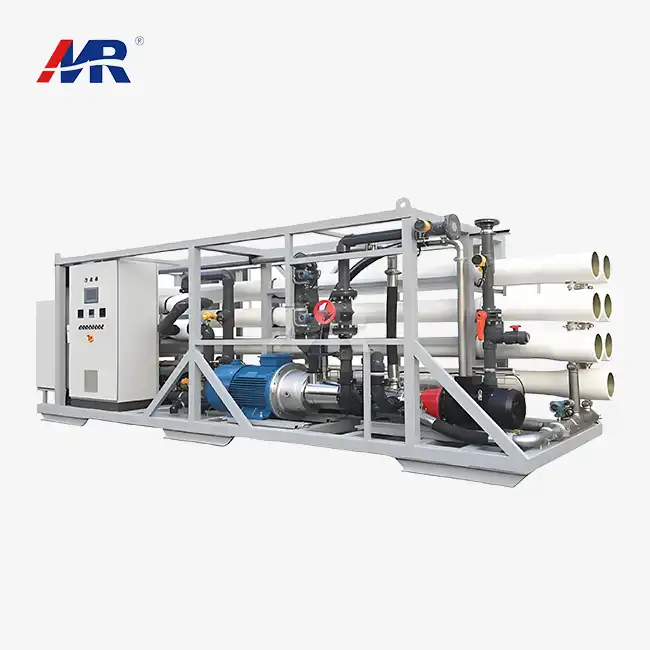
High-performance electrodeionization modules facilitate the continuous delivery of high-resistivity water through a sustainable and chemical-free purification process.
Related Products
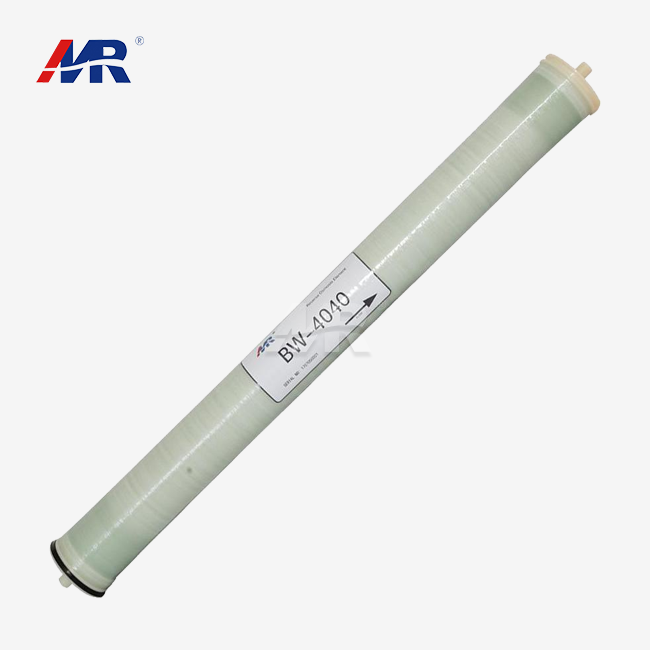
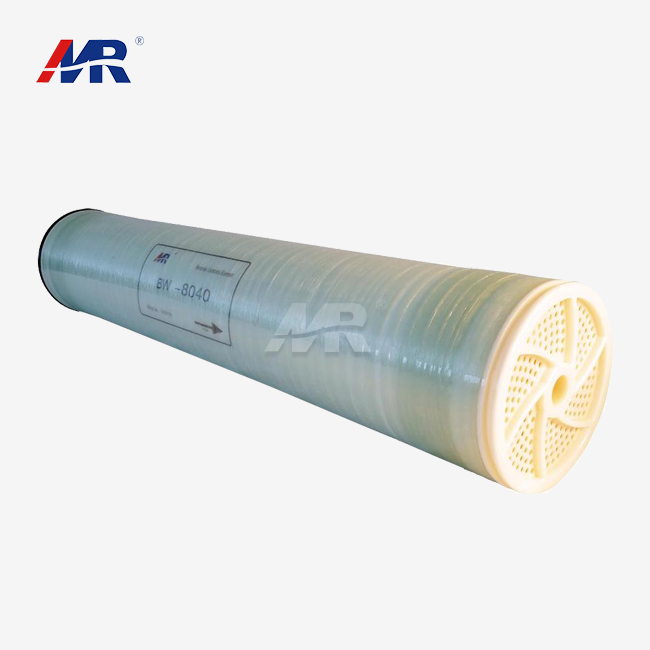
Reliable EDI Plant Solutions by Guangdong Morui Environmental Technology
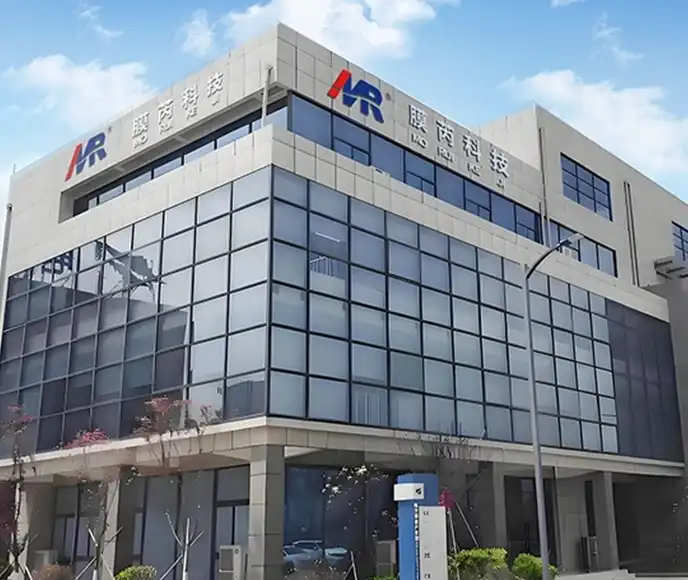
Guangdong Morui Environmental Technology Co., Ltd. has been operating since 2005. We are a leading EDI plant supplier and manufacturer of advanced industrial water treatment systems. Our high-performance EDI plant solutions serve demanding markets in South America, Southeast Asia, Europe, the Middle East, and Africa. That work has earned us a reputation as a benchmark for reliability in ultrapure water technology.
You can see our technical know-how in the MR-EDI-1TH series, which is built for ultrapure water production. Salt rejection hits 99.99%, and as an EDI plant supplier, we've optimized power consumption to 4kw/hour. These systems deliver continuous, high-resistivity water up to 18.2 MΩ·cm, with no hazardous chemical regeneration. That means our designs meet strict international standards for pharmaceutical and electronic-grade water applications.
Our ISO, CE, and ROHS certifications back the quality and authenticity of our work. Morui Environmental runs strict testing protocols, so every EDI plant reaches a high recovery rate and a significantly lower 3-year total cost of ownership than traditional ion exchange methods.
Customers around the world count on us for a full range of technical services. That includes remote debugging, onsite operational training, and proactive maintenance support. We hold ourselves to high standards. That's why Morui Environmental remains your trusted long-term partner for sustainable, efficient water treatment projects worldwide.
Sustainable Ultrapure Water Production via Integrated EDI Plant Technology
Overview of Industrial Applications
High-resistivity water is essential in modern industry. It protects product integrity and keeps operations efficient. An EDI plant (Electrodeionization), often sourced from a reliable EDI plant supplier, is used mainly in sectors where water must be free of minerals. Pharmaceutical companies rely on it for USP-grade purified water. Electronics manufacturers use it to rinse semiconductor wafers. Power plants use it for high-pressure boiler feed water to prevent turbine scaling. These settings need a continuous, high-volume supply of water with resistivity that often exceeds 15-18 MΩ·cm.
Regional Issues and Operating Pain Points
High-purity water systems run into different geographic hurdles across South America, Southeast Asia, Europe, and the Middle East. In Europe, tough environmental rules demand removing hazardous chemical waste. That makes traditional ion-exchange regeneration less and less compliant. Over in the Middle East and Southeast Asia, feed water can be highly saline and temperatures swing wildly. If you don't manage it well, scaling happens fast. Global manufacturers also face rising labor costs and turn to an EDI plant supplier for help. Resin regeneration cycles can cause serious downtime. That can halt production lines and mess up supply chain stability.
Guangdong Morui’s EDI Plant Solution
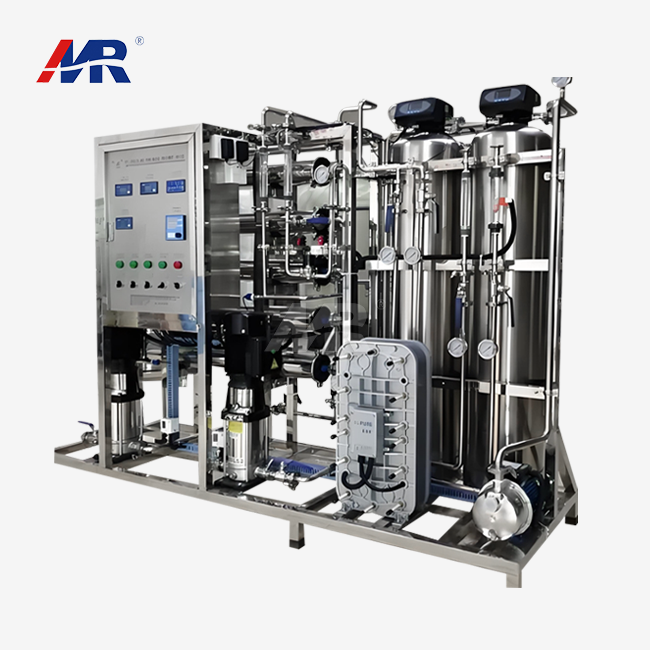
Guangdong Morui Environmental Technology Co.,Ltd was founded in 2005. We build a modular, automated system that replaces outdated deionization beds that rely heavily on chemicals. It pairs advanced Reverse Osmosis (RO) with Electrodeionization. The outcome is a steady flow of ultrapure water, with no acid or alkali regeneration. The system follows a "Green Water" philosophy. It keeps environmental impact low and meets ISO, CE, and ROHS international standards.
System Architecture and Technical Specs
The Morui EDI solution is structured to ensure long-term stability through a multi-stage approach:
- Advanced Pre-treatment: Incorporates hardness removal and carbon filtration to protect the EDI stacks from fouling and oxidative damage.
- The EDI Core (Model MR-EDI-1TH) sits at the heart of the plant. It uses DC voltage to migrate ions continuously and delivers a 99.99% salt rejection rate, so water quality stays consistent.
- Energy-Efficient Power Module: Built for high-performance output, this module keeps power consumption controlled at just 4kw/hour. That helps optimize the total cost of ownership.
- Integrated Control System: PLC automation monitors resistivity, flow rates, and pressure live, so operators rarely need to step in.
Benefits You Can Measure, Advantages That Pay Off
- Chemical-Free Operation: There are no hazardous chemicals to buy, store, or neutralize, so those costs vanish.
- Superior Water Quality: Salt rejection holds steady at 99.99%, which keeps performance reliable for sensitive pharmaceutical work.
- High Operational Efficiency: The system reaches a 55% recovery rate. It saves water while still delivering high-purity output.
- Continuous Production: Regeneration means taking resin beds offline. With EDI, that's not necessary. It stays available 24/7.
- Compact Footprint: Compared to traditional ion-exchange systems, the modular design takes up 60% less space.
Global Implementation and Support
Morui supports its global clientele in South America, Africa, and beyond through a comprehensive service lifecycle. This includes initial raw water analysis, custom system configuration, and remote diagnostic support. With established supply chains, we ensure that critical components and technical guidance are accessible, minimizing lead times and facilitating rapid deployment in diverse industrial environments.
Typical Application Case: Pharmaceutical Grade Water
A large-scale laboratory in Southeast Asia transitioned from traditional DI tanks to a Morui MR-EDI-1TH system to meet stringent ISO standards. The project addressed inconsistent water quality and high labor costs associated with resin replacement. Following installation, the facility achieved a stable water resistivity of 16 MΩ·cm, reduced energy overhead by 30%, and completely eliminated hazardous chemical discharge from their water treatment site.
The integrated electrodeionization architecture provides a reliable and sustainable methodology for achieving consistent high-resistivity water in demanding industrial environments.
FAQs
1. What criteria should be prioritized when selecting an industrial EDI plant for ultrapure water production?
When choosing a high-performance EDI plant, focus on the system's salt rejection rate, power efficiency, and stable output resistivity. For instance, the MR-EDI-1TH model from Guangdong Morui Environmental Technology Co., Ltd. is designed for high-demand applications, offering a salt rejection rate of 99.99% and a power consumption of just 4kw/hour. You should also evaluate the system’s recovery rate—typically around 55% for standard ultrapure configurations—to ensure it balances water conservation with high-purity output. As a professional manufacturer established in 2005, we recommend analyzing your raw water quality first, specifically monitoring hardness and silica levels, to determine if additional pre-treatment is required. For a technical assessment tailored to your specific flow rate requirements, we encourage you to contact our engineering team directly.2. How does an EDI plant improve long-term ROI compared to traditional ion exchange systems?
An EDI plant (Electrodeionization) significantly reduces the Total Cost of Ownership (TCO) by eliminating the need for hazardous chemical regeneration. Unlike traditional ion exchange resin beds that require acid and alkali handling, an EDI system utilizes electricity to continuously regenerate ion-exchange resins. This leads to three major benefits: first, it eliminates downtime associated with regeneration cycles; second, it reduces labor costs and safety risks related to chemical storage; and third, it minimizes environmental impact, helping facilities meet "green" manufacturing standards. While the initial investment may be higher, the lack of chemical consumables typically results in a payback period of 2–3 years. Guangdong Morui provides ISO-certified systems that ensure long-term stability in diverse markets, from Southeast Asia to Europe.3. For water treatment projects in Europe, Southeast Asia, or the Middle East, what certifications are essential for an EDI plant?
For international projects, compliance with safety and quality standards is critical for both legal operation and equipment longevity. An EDI plant intended for the European market usually requires CE and ROHS certifications to ensure electrical safety and the absence of hazardous substances. In Middle Eastern or Southeast Asian markets, ISO 9001 certification serves as a baseline for manufacturing quality management. Guangdong Morui Environmental Technology Co., Ltd. adheres to these international benchmarks, ensuring that our MR-EDI series meets the rigorous demands of global infrastructure. Generally, local regulations may also involve specific pressure vessel codes or environmental discharge permits; we advise confirming these with local authorities. Our team can provide the necessary documentation to support your compliance process during the procurement phase.4. How do challenging feed water conditions in regions like Africa or South America affect EDI plant performance?
In regions where raw water may have high hardness or fluctuating mineral content, such as parts of Africa and South America, pre-treatment is vital for protecting the EDI plant. High levels of calcium, magnesium, or dissolved CO2 can lead to scaling within the EDI stack, which decreases resistivity and increases energy consumption. To maintain a 99.99% salt rejection rate, we suggest a two-stage approach: first, ensure robust Reverse Osmosis (RO) pre-filtration; second, implement a degasifier if CO2 levels exceed 10ppm. The MR-EDI-1TH is engineered to handle these variations when paired with proper pre-treatment modules. If you are dealing with high-salinity source water, please share your water analysis report with Guangdong Morui so we can optimize the system configuration for your specific location.5. Can Guangdong Morui provide technical support and installation guidance for EDI plant projects located overseas?
Yes, Guangdong Morui Environmental Technology Co., Ltd. has supported global clients since 2005, spanning markets across South America, Southeast Asia, the Middle East, and Africa. We offer comprehensive technical support packages that include detailed installation manuals, P&ID drawings, and remote commissioning assistance via video conferencing. For large-scale industrial EDI plant installations, we provide step-by-step guidance on membrane loading, electrical connectivity (specifically managing the 4kw/hour power load), and system calibration to achieve the desired ultrapure water parameters. While site-specific labor laws and safety protocols vary by country, our team ensures that the equipment itself meets international CE and ROHS standards. For complex projects requiring customized layouts, we invite you to discuss your site requirements with our technical consultants to ensure a seamless integration.
Best Selling Products
Related Blogs
Related Search
Tel: +86-1353-0341575
Email:benson@guangdongmorui.com
Whatapp:8613530341575
Add: No.3 Xuwu Road, Baoan District, Shenzhen, China.