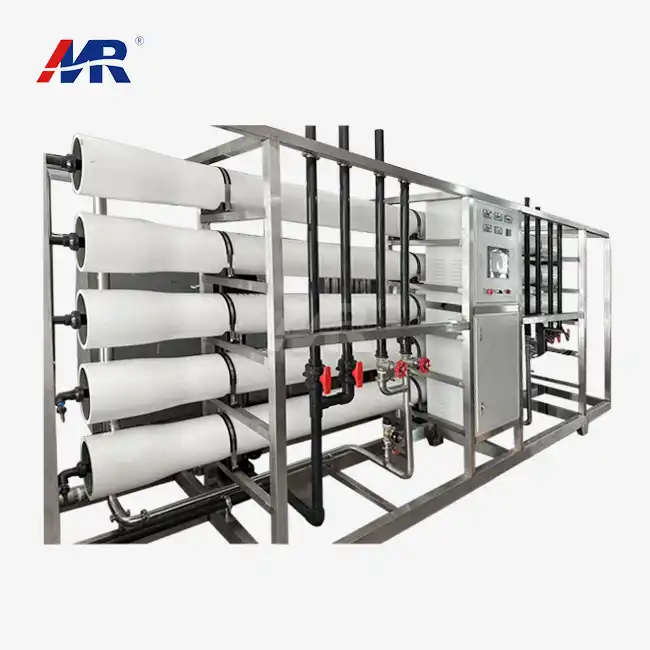
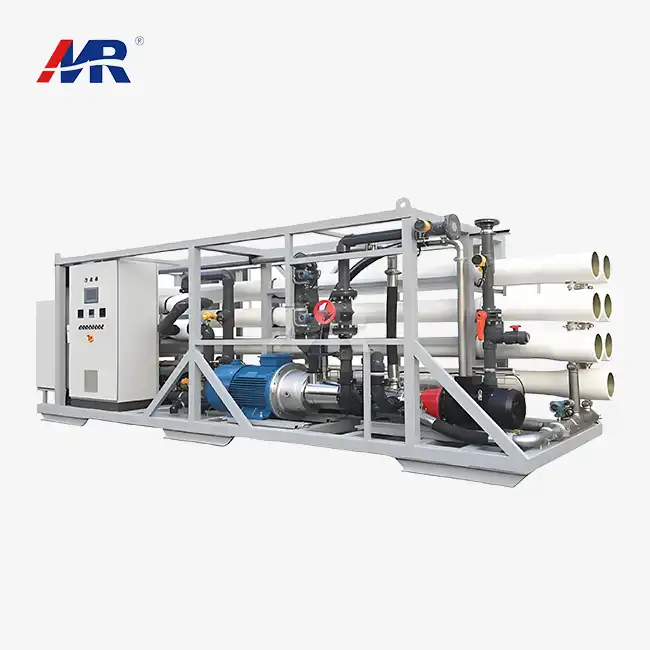
_1745823981883.webp)

edi water purification system supplier
Sustainable Electrodeionization Systems for Rigorous Industrial Standards
If you're a procurement manager running industrial water treatment projects in South America, Southeast Asia, Europe, the Middle East, and Africa, you need a reliable edi water purification system supplier you can count on. Without one, operations can become unstable. Electrodeionization (EDI) is the most advanced type of electrochemical water processing. It combines ion-exchange membranes and resin with electric current to make ultrapure water. No chemical regeneration is required. High-precision industries rely on this technology because production quality depends on steady water resistivity.
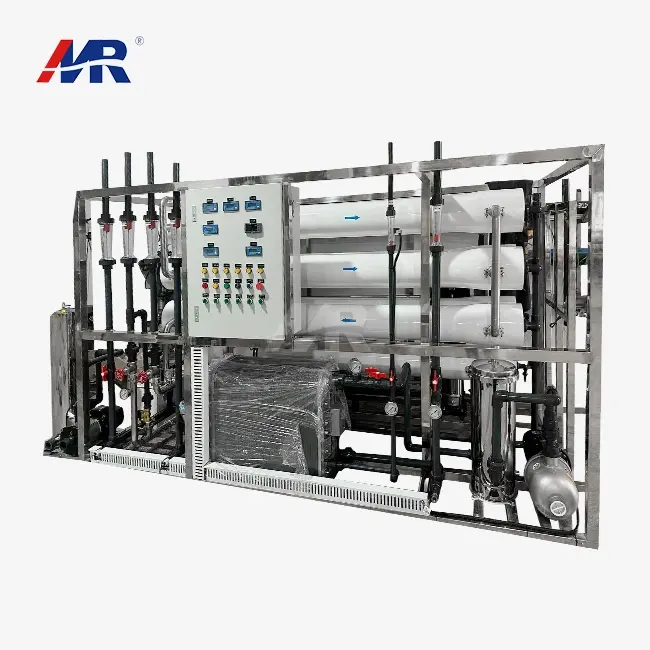
Water treatment plants worldwide run into very different operating headaches. In Southeast Asia and Africa, feed water quality shifts all the time, which can wear out resin quickly in traditional systems. European operations, meanwhile, have to comply with tougher environmental rules for discharging neutralized wastewater. Industrial hubs in South America and the Middle East often struggle with high costs and logistics headaches when sourcing hazardous regeneration chemicals such as hydrochloric acid. On top of that, downtime and slow technical support only make things worse. So for facilities that want to modernize, switching to a low-maintenance, chemical-free EDI water purification system from a trusted edi water purification system supplier is a strategic priority.
Guangdong Morui Environmental Technology Co., Ltd. was founded in 2005. We build durable EDI water purification systems for these tough international settings. Our engineering method avoids the inefficiencies of standard ion exchange. We use a continuous, sustainable process that cuts downtime and chemical handling risks. As an experienced EDI water purification system manufacturer, we make sure every modular design fits cleanly into existing ultrapure water loops. We support it with full technical documentation that makes procurement and auditing easier.
- International Quality Certification: Every edi water purification system is made to ISO, CE, and ROHS standards. That ensures full compliance with the safety and quality benchmarks required in European and Middle Eastern markets.
- High-purity technical performance: The MR-EDI-4TH has a 99.99% salt rejection rate. That gives the precise deionization that pharmaceutical and microelectronics applications need.
- Resource efficiency in water treatment: The system is built to balance productivity and conservation. It maintains a 60% recovery rate. This is critical for projects in regions that face high water stress or strict conservation mandates.
- Operating costs stay in check: the MR-EDI-4TH uses 14kw/hour, yet it turns out a high volume of ultrapure water. For large-scale facilities, that energy draw is manageable.
- Proven Global Logistics: Since 2005, the company has developed the specialized expertise required to provide technical support and ensure the durability of components shipped to humid tropical climates or arid industrial zones.
To make it easier to verify system specifications, detailed technical dossiers and performance data sheets for the MR-EDI-4TH series are available for engineering review. Specialized technical consultations can give a deeper analysis of how these electrodeionization solutions work with specific reverse osmosis permeate profiles to maximize module lifespan.
Electrochemical regeneration runs continuously. That keeps the supply of high-resistivity water steady and does away with the environmental risks tied to traditional acid and caustic resin cleaning cycles.
Related Products
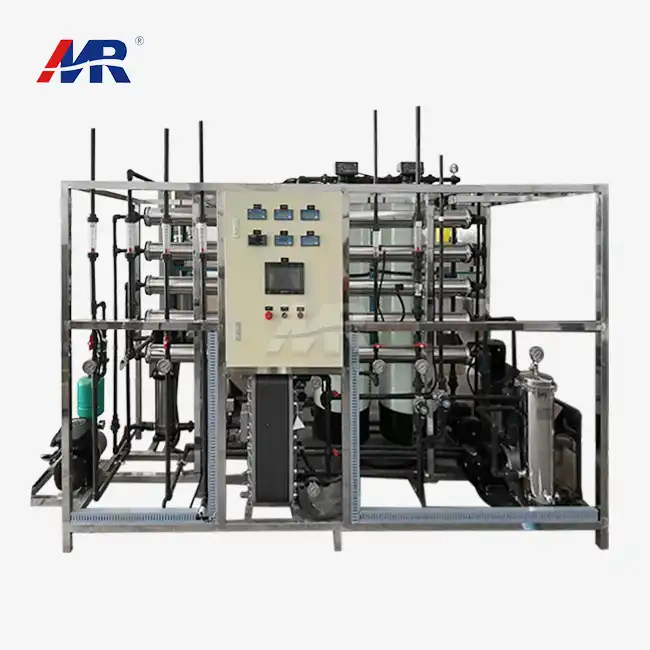
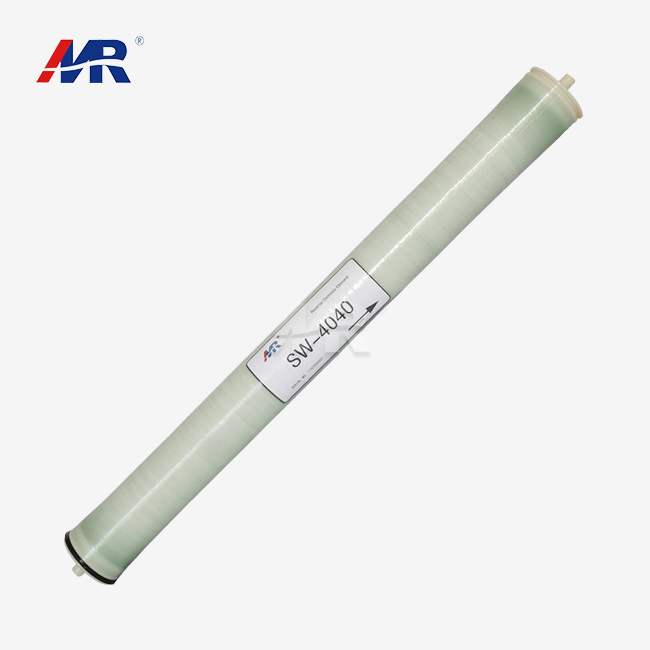
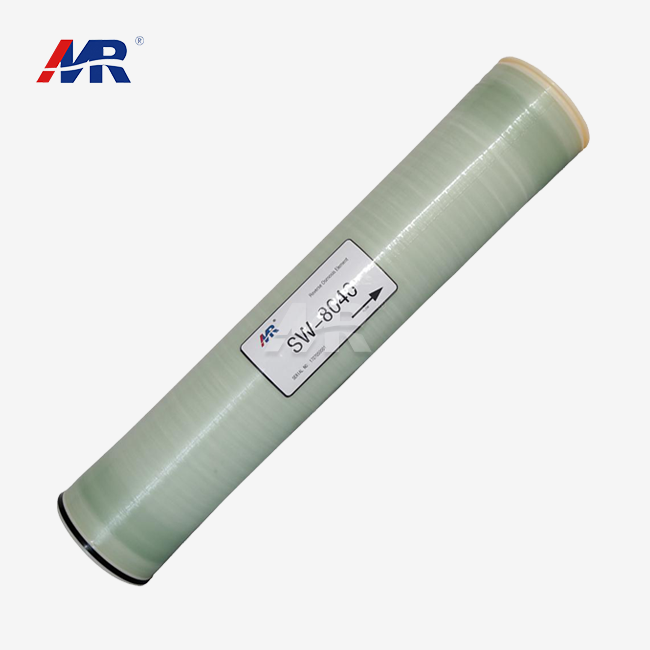
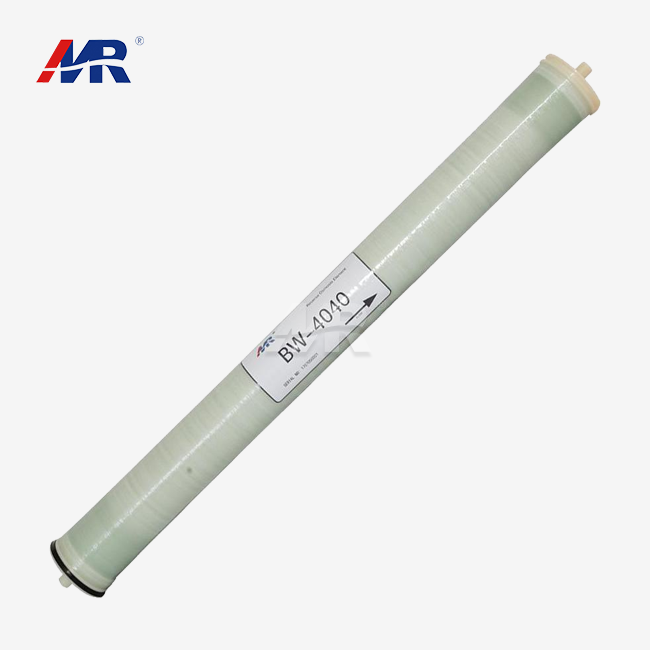
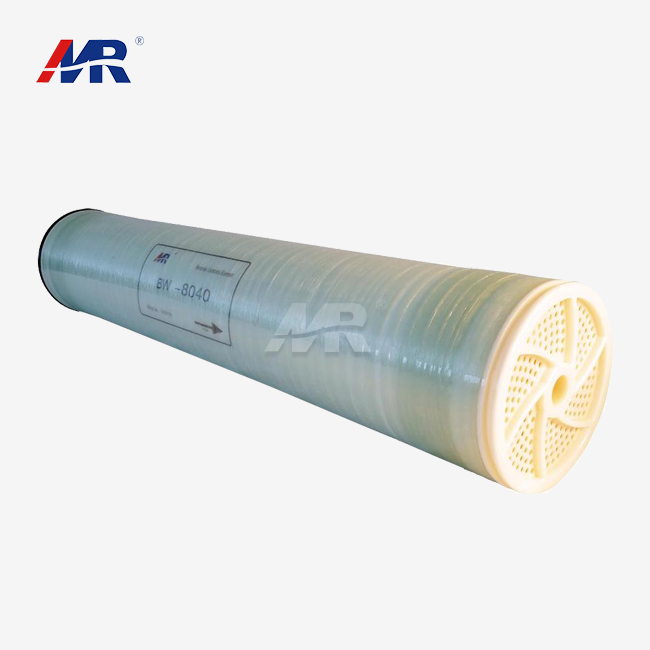
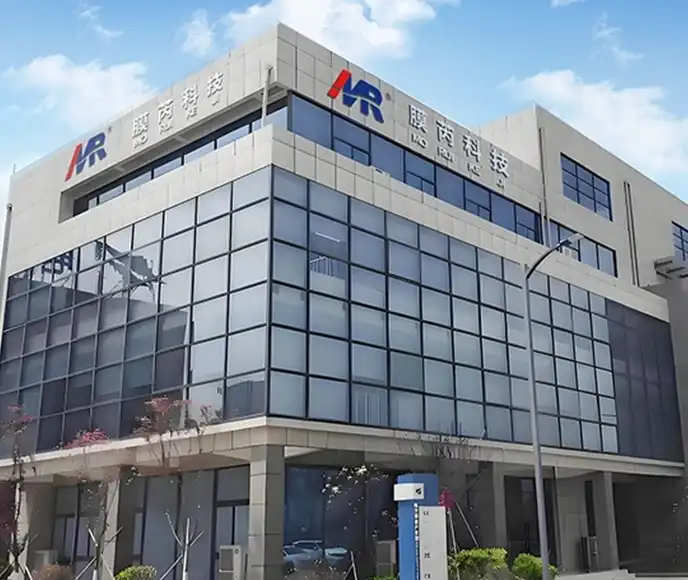
Guangdong Morui: Professional EDI Water Purification Solutions Since 2005
Guangdong Morui Environmental Technology Co., Ltd. started operations in 2005. We're a leading manufacturer focused on high-performance water treatment solutions. After nearly 20 years in the business, we've become a premier global provider of EDI water purification systems, and as a dependable edi water purification system supplier we serve industrial clients across South America, Southeast Asia, Europe, the Middle East, and Africa.
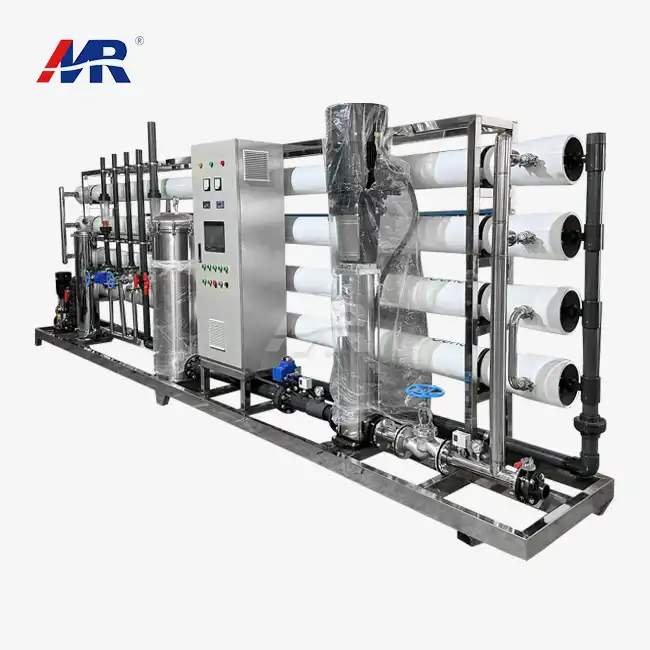
Our technical strength comes from high-efficiency models like the MR-EDI-4TH, designed for ultrapure water. It hits a 99.99% salt rejection rate and 60% recovery. As a sustainable, chemical-free alternative to traditional ion exchange, it stands out. We've successfully delivered custom solutions for high-precision industries such as semiconductor manufacturing and pharmaceutical production. Working as an edi water purification system supplier, we know that running efficiently at 14kw/hour is critical for cost management in those fields.
Our operations rest on quality and compliance. Our manufacturing facility is ISO-certified. Our products hold CE and ROHS certifications, so they meet strict international standards. Before shipment, we also run strict tests on electrical parameters. That way, every EDI water purification system we ship has a reliable module service life of 7 to 10 years.
Morui gives its international partners complete technical support. This covers remote commissioning, maintenance training for each site, and local support in our key markets. We're committed to helping clients cut operational downtime and environmental burdens with innovative technology.
Work with Morui for long-term reliability and real expertise in advanced deionization projects. Get in touch today to see how our solutions can improve your ultrapure water production.
FAQs
1. What is an edi water purification system and how does it differ from traditional ion exchange methods?
An EDI water purification system is an advanced electrochemical solution that combines ion-exchange membranes, resins, and electricity to produce ultrapure water. Unlike traditional ion exchange beds that require hazardous chemicals like hydrochloric acid or sodium hydroxide for regeneration, EDI is a continuous, chemical-free process. This technology eliminates system downtime and the environmental burden of neutralizing hazardous wastewater. For facilities looking to upgrade, Guangdong Morui Environmental Technology Co.,Ltd suggests focusing on the feed water's RO permeate quality. Ensuring low hardness (typically <1 ppm) and low CO2 levels is critical, as excessive minerals can foul the resin. By integrating this system, you achieve a sustainable and reliable method for high-purity water production while significantly reducing operational costs associated with chemical handling and disposal.2. What are the key performance indicators for an industrial-grade edi water purification system?
When evaluating an industrial edi water purification system, three critical parameters are salt rejection, recovery rate, and energy efficiency. For instance, our MR-EDI-4TH model is engineered to achieve a remarkable salt rejection rate of 99.99% and a recovery rate of 60%, ensuring consistent ultrapure water for demanding applications. Power consumption is another vital factor; our system typically operates at approximately 14kw/hour. To maximize the 7-to-10-year lifespan of the EDI modules, we recommend implementing a robust pre-treatment stage, such as ultrafiltration or UV sterilization, to prevent organic fouling and bacterial growth. If you are comparing different configurations, we invite you to share your specific water analysis with Guangdong Morui Environmental Technology Co.,Ltd for a tailored efficiency projection and professional component selection.3. Does an edi water purification system from Morui comply with international standards for export to Europe and Southeast Asia?
Navigating international compliance is essential when importing an edi water purification system for projects in Europe, the Middle East, or Southeast Asia. Guangdong Morui Environmental Technology Co.,Ltd ensures that our systems meet global benchmarks, holding recognized certifications including ISO, CE, and ROHS. These certifications verify that our equipment adheres to rigorous safety, health, and environmental protection standards required for global trade. However, projects in different regions often involve specific local electrical codes or water discharge regulations. We generally recommend that clients verify local grid compatibility and specific environmental permits for their project site. As an established manufacturer since 2005, we provide comprehensive technical documentation and certification copies to support your local permitting process, ensuring your system operates within the legal framework of your specific country.4. In regions like the Middle East or Africa, what feed water quality is required to maintain a stable edi water purification system?
In regions with challenging raw water conditions, such as parts of Africa and the Middle East, the performance of an edi water purification system depends heavily on the effectiveness of the pre-treatment stage. High dissolved CO2 and water hardness are common pain points that can significantly lower product water resistivity or cause mineral scaling. To optimize performance, we suggest using membrane degassing upstream of the EDI unit to remove weakly ionized gases. Additionally, the feed water must be RO permeate with hardness levels maintained below 1 ppm. Guangdong Morui Environmental Technology Co.,Ltd provides specialized modular designs that can be adjusted based on your local source water characteristics. Periodic monitoring of electrical parameters and occasional Clean-In-Place (CIP) procedures are also recommended to mitigate fouling and maintain the system's high salt rejection rates over time.5. If my project is located in South America or Southeast Asia, how can Guangdong Morui Environmental Technology Co.,Ltd support installation and maintenance?
For projects located in South America or Southeast Asia, Guangdong Morui Environmental Technology Co.,Ltd offers extensive technical support to ensure the successful deployment of your edi water purification system. We provide detailed installation manuals, video guides, and remote commissioning support to assist your local engineering teams. While our high-quality modules are designed for a service life of up to 10 years, long-term stability requires consistent maintenance, including monitoring the 14kw/hour power consumption and salt rejection efficiency. If your facility requires on-site expertise, we can coordinate with regional partners or provide virtual technical training for your operators. To receive a precise service plan and installation quote tailored to your international project, please contact our team with your site-specific layout and utility details for a professional consultation.