

_1745823981883.webp)

Tel: +86-1353-0341575
Email:benson@guangdongmorui.com
Whatapp:8613530341575
Add: No.3 Xuwu Road, Baoan District, Shenzhen, China.
2m3/hour seawater desalination equipment supplier
Reliable 2m3/Hour Seawater Desalination Equipment for Industrial Use Worldwide
For procurement managers and engineers in water treatment across South America, Southeast Asia, and the Middle East, sourcing reliable 2m3/hour seawater desalination equipment is a basic step toward local water security. This capacity, a common focus for any 2m3/hour seawater desalination equipment supplier, strikes a critical balance between footprint and output. It delivers a steady supply of fresh water from high-salinity sources for marine, industrial, and coastal commercial applications.
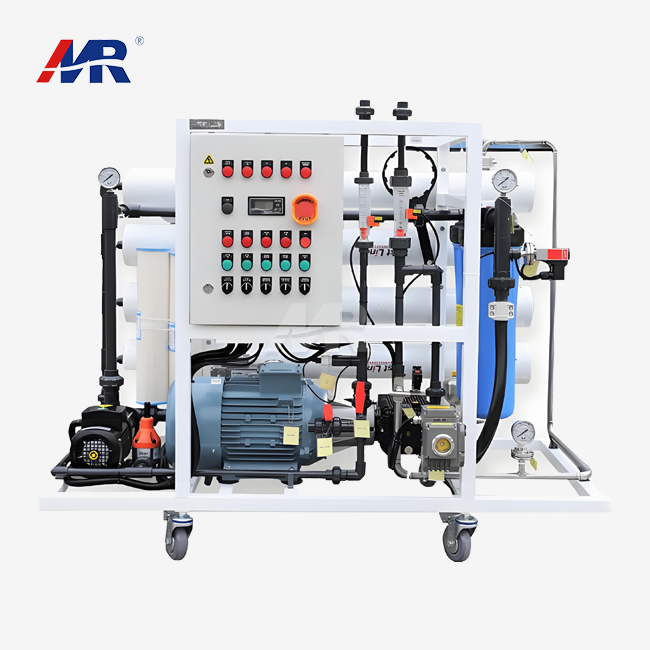
Take Africa or Southeast Asia. A system running there runs into environmental and logistical problems you won't find just anywhere. Lower-quality systems often can't take the strain. Energy use is high, so operating costs climb. When seawater salinity goes up and down, membranes wear out fast. Corrosive coastal air makes equipment maintenance a real headache, too. If you're a 2m3/hour seawater desalination equipment supplier, you also need to meet international standards like ISO, CE, and ROHS. That matters because it helps you avoid project delays and stay compliant with local environmental rules over the long haul.
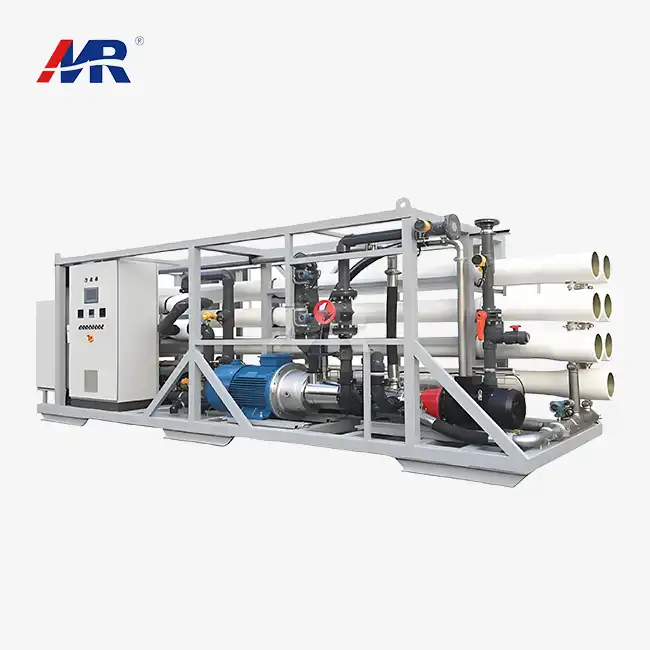
Guangdong Morui Environmental Technology Co.,Ltd has been in business since 2005. The MR-SWRO-2TH model is the company's answer to these industry demands. It is built for the high-temperature, high-TDS (Total Dissolved Solids) conditions common in the Middle East and South America. This is Morui's specialty. The unit combines high-rejection RO membranes with heavy-duty high-pressure pumps. For operators around the world, that means a 2m3/hour seawater desalination system with high uptime and low maintenance.
The MR-SWRO-2TH model offers several data-driven advantages for professional water treatment applications:
- High Salt Rejection Rate: The system holds a 99% salt rejection rate. That means the permeate meets the strict quality standards needed for industrial and potable use.
- Optimized Energy Efficiency: This 2m3/hour seawater desalination equipment draws 12kw/hour. That design choice is meant to cut the facility's carbon footprint and operating costs.
- Balanced recovery rates. Run the system at 38-45% recovery, and fresh water output stays level with brine discharge. That balance helps membranes last longer in the tough waters off Southeast Asia.
- Certified manufacturing standards. The equipment meets ISO, CE, and ROHS requirements. So buyers in Europe and South America get the safety and quality paperwork they need.
- Corrosion-resistant build. The hardware uses high-grade stainless steel and chemical-resistant parts. That stops it from failing in the humid, salty conditions along African coastlines.
Technical departments seeking to verify performance data or align these specifications with regional project requirements can facilitate a technical review through a formal consultation. This process allows for the customization of pre-treatment modules to better handle local turbidity and biological loads. The MR-SWRO-2TH system delivers a consistent 48,000-liter daily freshwater yield through a multi-stage reverse osmosis process engineered for high-salinity maritime environments.
Water Treatment Solutions With a Proven Track Record
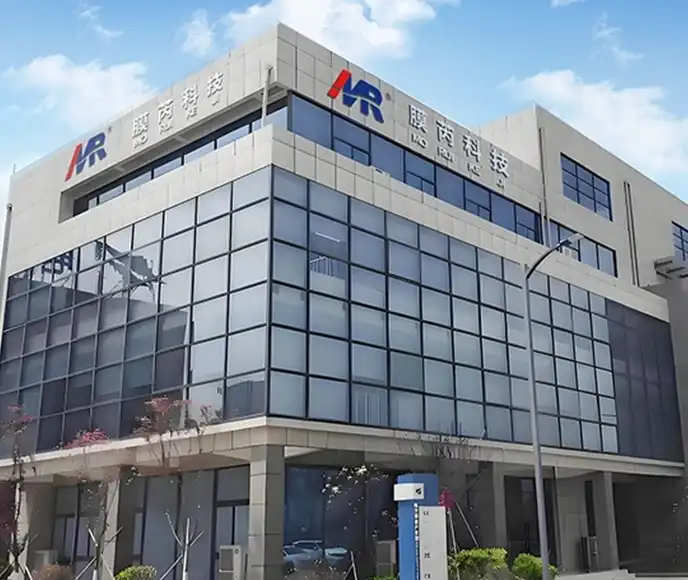
Guangdong Morui Environmental Technology Co., Ltd. started up in 2005, and we've been building water treatment systems ever since. That's nearly twenty years of hands-on work. Today, our customers are spread across South America, Southeast Asia, Europe, the Middle East, and Africa. Many of them come to us, a 2m3/hour seawater desalination equipment supplier, for high-precision seawater desalination equipment rated at 2m3/hour.
The MR-SWRO-2TH is built to handle coastal and offshore sites. In those places, salt and moisture can tear equipment down fast. High-efficiency RO membranes pair with rugged high-pressure pumps. Together, they hold salt rejection steady at 99%. Remote resorts and industrial stations in Southeast Asia and the Middle East, often sourcing through a 2m3/hour seawater desalination equipment supplier, pick this model for its compact, containerized design and optimized 12kw/hour energy consumption.
Quality comes first in everything we do. We hold ISO, CE, and ROHS certifications. Every unit gets tested hard before it ships, so you get a 38-45% recovery rate and steady performance over the long run. Strict production management keeps our on-time delivery rate at 98%. That helps you meet your project deadlines.
Global partners rely on Morui for technical services like remote commissioning and on-site operator training. If you run operations in Africa or South America, we give you dedicated support through the full lifecycle of your 2m3/hour seawater desalination equipment, helping it perform at its best. Explore our solutions and secure a reliable freshwater future with a proven industry leader.
Reliable 2m3/h Seawater Desalination Solutions for Global Regions
Application Scenarios
When a water supply is decentralized, a seawater desalination unit rated at 2m3/hour can be a real lifesaver. In Southeast Asia and the Middle East, that capacity suits boutique island resorts and offshore oil platforms, so finding a dependable 2m3/hour seawater desalination equipment supplier matters. Hauling in freshwater there costs way too much. In South America and Africa, these systems tend to serve coastal farms and small industrial processors. They provide a steady water source that doesn't rely on the local municipal grid or seasonal rain.
Where Customers Run Into Trouble
Desalination plants in places like South America, Southeast Asia, and Africa run into environmental and logistical hurdles you won't see as often elsewhere, so having a 2m3/hour seawater desalination equipment supplier on hand can make a real difference.
- Corrosive Marine Environments: Salt and high humidity in the air wear down equipment fast. If the materials aren't marine-grade, a system can fail within months.
- Tight Limits on Power: Electricity costs run high in remote areas. Equipment that draws too much power pushes up the total cost of ownership.
- Gaps in Technical Support: Some regions have little local technical help on hand. Complex systems can stay down for a long time when something goes wrong. That makes high automation and simple maintenance vital for keeping operations running.
- Regulatory Compliance: European and Middle Eastern markets do not treat international standards like ISO, CE, and ROHS as optional. Those rules are there to protect safety and the environment.
Guangdong Morui’s 2m3/hour Desalination Solution
Guangdong Morui Environmental Technology Co.,Ltd, established in 2005, provides a modularized MR-SWRO-2TH solution designed for rapid deployment and high durability. Our approach integrates advanced Reverse Osmosis (RO) technology into a compact, plug-and-play system that transforms high-TDS seawater into high-quality potable or process water. By focusing on a "Turnkey Engineering" philosophy, the solution addresses the volatility of raw water quality while maintaining a steady output of 2,000 liters per hour.
System Architecture and Key Components
The MR-SWRO-2TH system is organized into four primary functional blocks:
- Pre-treatment Unit: Here, multi-media and activated carbon filtration do the heavy lifting. They remove suspended solids and chlorine. That keeps the RO membranes protected from fouling and oxidation.
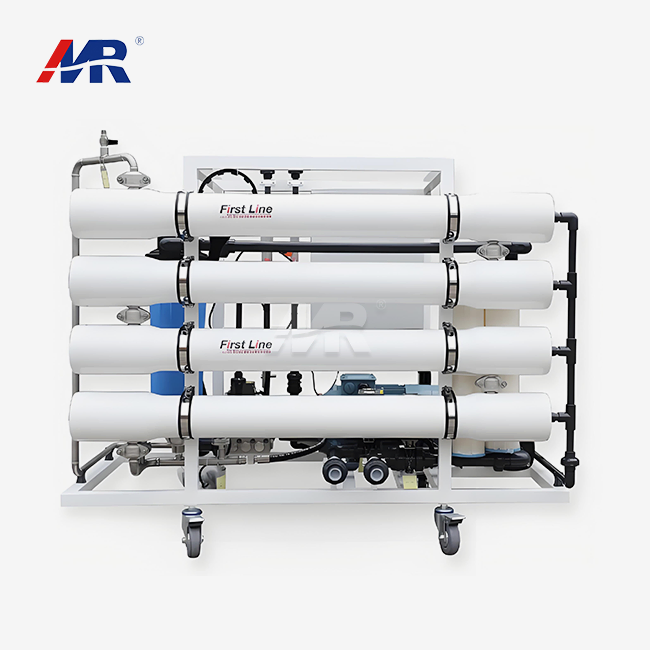
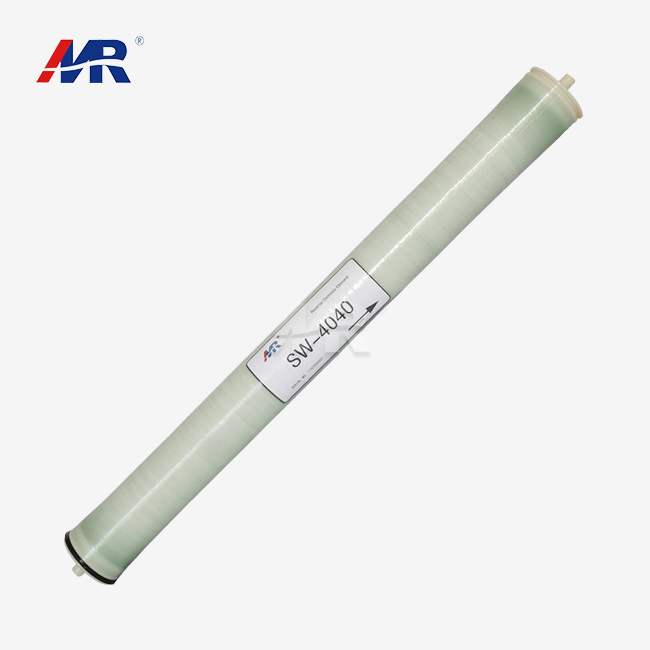
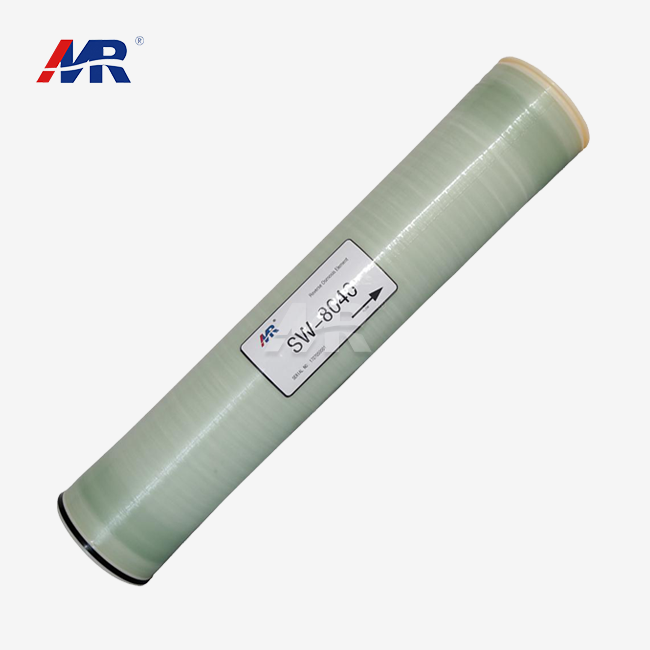
- RO Membrane Module: The RO membrane is the core of the system. It rejects 99% of salt and takes out dissolved salts and bacteria. The water then meets WHO drinking water standards.
- High-Pressure Pump System: Built to handle a 2m3/h flow rate, this pump works against osmotic pressure and draws 12kw/hour. Output holds steady, and energy use stays under control.
- Automated Control Center: PLC systems are built in to track pressure, flow, and conductivity. This allows unattended operation and automatic shut-off when conditions become abnormal.
Advantages of This Solution and Measurable Benefits
- High Efficiency: Recovery reaches 38-45%, so you get the most freshwater out of the least seawater.
- Energy Optimization: It's tuned to run at 12kw/h, so operating costs stay lower than older models that were never optimized.
- Durability: It's built with corrosion-resistant stainless steel and high-grade PVC, so its projected service life is 15–20 years.
- Certified Quality: It fully meets ISO, CE, and ROHS standards. That makes customs clearance easier and helps secure regulatory approval in Europe and the Middle East.
- Compact footprint. The modular build fits into tight spaces, such as shipping containers or small utility rooms.
Implementation and Service Capability
Guangdong Morui supports global clients with a comprehensive service lifecycle. From initial water quality analysis and customized design to manufacturing and global shipping, every step is handled by experienced engineers. We offer remote diagnostic capabilities to assist operators in Africa and South America, ensuring that spare parts and technical guidance are accessible within minimal lead times.
Typical Application Example
A coastal resort in Southeast Asia needed a steady supply of fresh water for 50 guests. Trucking water in had grown expensive and unreliable. After installing the MR-SWRO-2TH, the resort cut its water procurement costs by 60%. Output holds at 2m3/h, and the system keeps a 99% salt rejection rate even as seasonal seawater salinity rises and falls.
Technical Assessment and Specifications
Detailed technical documentation and performance charts are available for site-specific integration. Built for high-salinity marine conditions, the reverse osmosis system holds consistent permeate quality and stable operation over the long term.
FAQs
1. What are the primary considerations when selecting a 2m3/hour seawater desalination equipment for coastal resorts or small industrial sites?
Choosing the right scale of desalination depends on your daily freshwater requirements and the specific salinity of your source water. A 2m³/hour system, such as our MR-SWRO-2TH model, is designed to bridge the gap between portable units and large-scale plants, producing up to 48 cubic meters of fresh water daily. Key technical parameters to evaluate include the salt rejection rate—which should ideally be 99% or higher to ensure potability—and the recovery rate. Our systems typically achieve a 38-45% recovery rate, balancing water output with membrane longevity. For projects in Southeast Asia or Africa, where environmental conditions vary, we recommend a thorough analysis of Raw Water Total Dissolved Solids (TDS) before final configuration to ensure the system meets your specific purity needs.2. How does the expertise of Guangdong Morui Environmental Technology Co., Ltd ensure the reliability of these desalination systems?
Reliability in water treatment stems from manufacturing experience and quality control. Established in 2005, Guangdong Morui Environmental Technology Co., Ltd has nearly two decades of industry expertise. Our 2m3/hour seawater desalination equipment is built with high-grade, corrosion-resistant materials like stainless steel to withstand harsh maritime environments. We adhere to strict international standards, holding ISO, CE, and ROHS certifications, which verify our commitment to safety and performance. Each unit is engineered to maintain a stable power consumption of approximately 12kw/hour, ensuring predictable operational costs. By integrating high-efficiency high-pressure pumps and premium RO membranes, we provide a solution that minimizes downtime and extends the equipment's service life to 15-20 years with proper maintenance.3. Can the 2m3/hour seawater desalination equipment handle high-salinity water in regions like the Middle East?
Yes, our equipment is specifically engineered to perform in high-salinity and high-temperature environments common in the Middle East and parts of Africa. Seawater in these regions often exceeds 40,000 ppm TDS, which requires robust membrane technology and precise pressure management. The MR-SWRO-2TH model utilizes advanced reverse osmosis (RO) membranes that maintain a consistent 99% salt rejection rate even under these challenging conditions. To prevent fouling and scaling, which are typical industry pain points, we incorporate multi-stage pre-treatment filters. We recommend that clients in these regions provide a detailed water chemistry report so we can customize the pre-filtration stages, ensuring the equipment operates efficiently while maintaining its 38-45% recovery rate.4. What are the typical energy requirements and operational costs for running a 2m3/h desalination unit?
Energy efficiency is a critical factor for offshore platforms and remote coastal facilities in South America and Southeast Asia. Our 2m3/hour seawater desalination equipment is optimized for a power consumption of 12kw/hour. To keep operational costs low, we focus on the "Specific Energy Consumption" by using high-efficiency motors and optimized hydraulic designs. Beyond electricity, typical costs include the replacement of pre-filter cartridges and periodic chemical cleaning of the RO membranes. We suggest implementing a routine maintenance schedule to monitor the system's 38-45% recovery rate; a drop in this rate often indicates the need for cleaning. For a comprehensive operational cost analysis tailored to your local utility rates, please contact Guangdong Morui for a personalized consultation.5. What certifications and support are available for international projects in Europe or South America?
International water treatment projects usually involve strict compliance with local safety and environmental regulations. Our desalination equipment is fully CE and ROHS certified, meeting the rigorous technical standards required for the European market and ensuring environmental safety. For clients in South America and other global regions, Guangdong Morui provides comprehensive technical documentation and remote installation guidance to facilitate smooth commissioning. While local regulations regarding brine discharge and mineral content in drinking water vary, our systems are designed to be adaptable. We recommend checking with local authorities regarding specific "Point of Use" water standards. Our team is available to provide specialized advice and technical support to ensure your 2m3/hour seawater desalination equipment complies with all regional mandates.
Best Selling Products
Related Blogs
Related Search
Tel: +86-1353-0341575
Email:benson@guangdongmorui.com
Whatapp:8613530341575
Add: No.3 Xuwu Road, Baoan District, Shenzhen, China.