

_1745823981883.webp)

RO Membrane Compatibility Guide for Brackish and Industrial Water
Selecting the right membrane/8040-reverse-osmosis-membrane">ro water filter membrane for brackish and industrial water treatment determines whether your facility achieves consistent purity standards while controlling operational costs. Compatibility issues between membrane technology and water chemistry cause premature failures, fouling, and unexpected downtime across manufacturing, pharmaceutical, and municipal sectors. This guide equips procurement managers, plant engineers, and technical decision-makers with practical criteria to match reverse osmosis membranes to specific water conditions, ensuring reliable performance and maximizing return on investment throughout the membrane's operational lifespan.
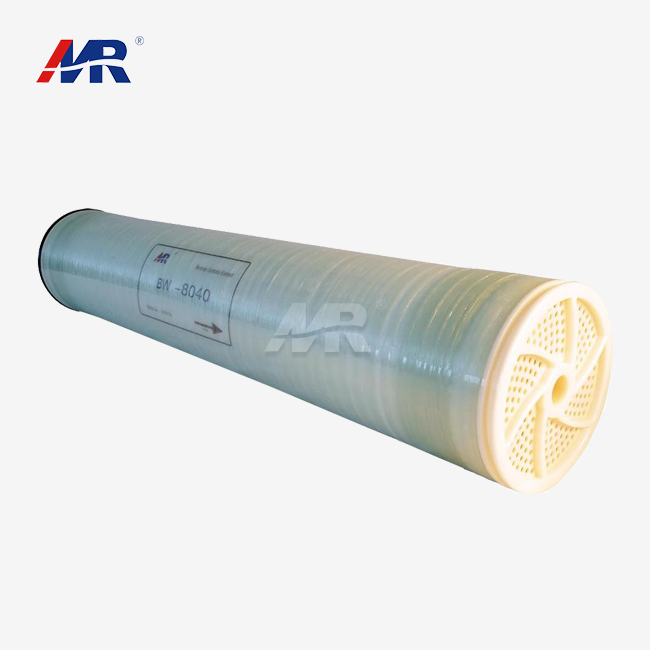
Understanding RO Membrane Technology for Brackish and Industrial Water
Reverse osmosis technology pushes water under pressure through layers of semipermeable membranes that block dissolved salts, organics, and other impurities but let clean water molecules pass. The process depends on selective permeability. The rejection efficiency and flow rates are set by the membrane materials and pore structures.
Core Operating Principles
ro membranes don't just filter things mechanically; they also work through diffusion and solution mechanisms. The applied pressure is higher than the osmotic pressure, which moves water molecules through thin-film composite layers while focusing the toxins that were rejected in the retentate stream. How different ions, colloids, and organic substances interact with the filter barrier is directly related to the chemistry and surface properties of the membrane.
Membrane Types and Material Compatibility
Thin-Film Composite (TFC) membranes are used a lot in industry because they reject more water and are more sensitive to chlorine. This makes them perfect for drinking water and water used in factories where chemicals are used to kill germs. Thin-Film Fluoropolymer (TFF) types are more durable in tough chemical conditions like those found in petrochemical and electroplating plants. Even though they are not as common, cellulose acetate membranes can handle chlorine in some situations where chemical residues make TFC variants less useful.
Performance Metrics That Matter
The flux rate, which is usually given in gallons per square foot per day (GFD), measures the flow of permeate per unit area of membrane. Higher flow speeds up production, but if the water chemistry goes beyond what was planned, it could hurt the rejection efficiency. The salt rejection rate shows how well membranes remove dissolved solids. Depending on the end use, 96–99.5% rejection is usually needed in commercial settings. Recovery rate shows how much of the feed water is turned into permeate. It balances the efficiency of production with the risk of concentration polarization, which speeds up fouling.
The temperature of the water has a big effect on how well the barrier works. Every degree Celsius change affects permeate flow by about 3%, so temperature correction factors are needed when comparing specifications. Total dissolved solids (TDS) levels, pH ranges, and contaminant profiles all have a direct effect on the choice of membrane. Different membrane designs are needed for brackish water sources with a TDS level of 1,500 to 10,000 mg/L and industrial process streams with changing amounts of organic matter or heavy metals.
Common Challenges in RO Membrane Application and Maintenance
Industrial RO systems have problems that can lower their performance and shorten the life of the membranes if they are not handled properly. Early detection of failure signs stops expensive production pauses and lets focused corrective actions happen.
Identifying Membrane Failure Modes
A close look shows physical damage like tears, delamination, or oxidation spots that show chemical attack. Some signs that something isn't working right are uneven pressure differences between membrane stages, drops in the quality of the permeate (shown by conductivity spikes), and a lower normalized flow even though everything is working fine. Tracking performance trends with ASTM D4194 testing protocols shows that performance slowly gets worse before it fails completely.
Fouling Mechanisms and Prevention
Minerals settle out when the quantity goes over the limits of solubility. This is especially true for calcium carbonate, calcium sulfate, barium sulfate, and silica compounds. Crystallization can be stopped by adding antiscalant and adjusting the pH. Chemical treatment plans are guided by regular checks of the Langelier Saturation Index (LSI) and the Stiff-Davis Stability Index.
Biofouling happens when microorganisms stick to membrane surfaces and make biofilm layers that make them more resistant and hide harmful bacteria. Microbial populations in feed water can be controlled by chlorination or other biocides. However, TFC membranes need to be dechlorinated before they can come into contact with the water. UV disinfection and membrane bioreactors (MBR) are biocontrol methods that don't use chemicals and can be used in sensitive situations.
Particulate fouling happens when solids that are suspended in the fluid build up on the surfaces of membranes. This usually happens when pretreatment fails to keep the turbidity below 1 NTU. Multimedia filtration, cartridge filters with a fineness of 5 microns or less, and inline strainers all help keep particles from hurting the membranes.
Fouling from oils, humic substances, and waste from industrial processes creates hydrophobic barriers that slow down the flow of permeate. Advanced oxidation, activated carbon filtration, and coagulation get rid of organic intermediates before they reach RO elements.
Cleaning Protocols for Extended Membrane Life
Sodium hydroxide, EDTA, and surfactants are used in alkaline cleaning Products for ro water filter membrane to get rid of organic waste and biological deposits. Acid cleaning removes inorganic scales using citric, hydrochloric, or sulfamic acid mixtures chosen based on the composition of the scales, which can be confirmed through deposit analysis.
How often you clean depends on how often dirt is seen in standardized performance data. When normalized pressure drop goes up 15% or normalized salt passage goes up 10-15% above baseline values set during commissioning, most industrial systems need to be cleaned.
How to Choose the Right RO Membrane for Your Industrial and Brackish Water Needs
When membrane specifications are matched to water characteristics, the system works at its best and costs the least over its entire life. Before making a final decision about buying, decision-makers should look at a number of factors.
Water Source Analysis Requirements
An in-depth study of water finds out about its turbidity, temperature ranges, microbial communities, silica concentration, total dissolved solids (TDS), and organic carbon content (TOC). It is common for brackish groundwater to have high levels of hardness and silica, which means that specific membrane formulations with better scaling resistance are needed. The types of contaminants in industrial wastewater streams are very different, so pretreatment and membrane selection have to be done in a way that is specific to each manufacturing process.
Changes in temperature affect predictions of membrane performance. When sizing systems, places where temperatures change with the seasons must take flux changes into account. High-temperature membrane versions that keep their structural stability under heat stress are needed for long-term operation above 45°C.
Comparing Leading Membrane Brands
Dow FilmTec membranes have a wide range of products that can be used in brackish water, seawater, and certain industrial settings. Their FilmTec BW30 series works well in brackish water with TDS levels between 2,000 and 10,000 mg/L, and their FilmTec LE (Low Energy) series lowers the working pressure needed for systems that care about energy efficiency.
Some of Hydranautics' goods are CPA membranes, which are known for their high rejection and fouling resistance in tough industrial settings. Their ESPA series strikes a good balance between performance and moderate operating pressures, making it ideal for treating brackish water in the pharmaceutical and electronics industries.
Toray membranes focus on quality control and long-lasting performance. The TM series elements are widely used in Asian markets and are becoming more popular in North American installs. Their membranes for salty water work well even when the water quality changes, which is common in well water uses.
Application-Specific Recommendations
Ultra-low conductivity is needed for boiler feedwater systems. To get resistivity above 10 megohm-cm, two-pass RO configurations or RO mixed with electrodeionization (EDI) are usually needed. When choosing a membrane, it's important to get rid of as much silica and dissolved solids as possible, which are what cause boiler scaling and steam contamination.
For direct water contact uses, food and beverage handling needs membranes that are NSF-certified and meet FDA standards. Membranes with sanitary end caps and antibacterial surface treatments help these systems because they stop biofilm from forming between sanitation rounds.
In order to make water that meets USP (United States Pharmacopeia) standards for Purified Water or Water for Injection precursor streams, pharmaceutical and research companies need screens. The membranes and the way the system is built must be able to handle validation protocols and regular cleaning with hot water or approved chemicals.
Procurement Insights: Where and How to Buy RO Water Filter Membranes Bulk and OEM
To get the most out of water treatment investments, strategic procurement balances the quality of the membrane, the total cost of ownership, and the dependability of the supplier. Before signing a long-term supply agreement, B2B buyers should look at a number of different ways to get supplies and the terms of the deal.
Identifying Reliable Suppliers and Distributors
Genuine membranes with maker warranties, expert help, and replacement guarantees can be bought from authorized distributors. Global networks run by big makers make sure that products are always available and that specs are the same everywhere. When you work directly with manufacturers, you can get discounts and choices for customization for big installations that need hundreds of membrane parts.
Third-party suppliers and brokers for ro water filter membrane may have good prices, but you need to be very careful to make sure the products they sell are real and are stored properly. When membranes are fake or not kept properly, they break down early and system guarantees are voided. Ask for performance certificates that are specific to each batch, vacuum integrity test results, and tracking paperwork that proves where the product was made.
Life-Cycle Cost Analysis
The price of the membrane itself is only a small part of the total costs of ownership. Operating pressure needs often use more energy than the membranes cost over their three- to five-year working lives. Different types of low-energy membranes cost more, but they save money in the long run because they use less power in large systems.
How often you replace it depends on the quality of the water and how well you take care of it. Membranes can last five to seven years in well-maintained systems that treat brackish water that has been properly pretreated, but in tough industrial settings, they may need to be replaced every two to three years. Divide the total cost of the elements by the number of years they are expected to be used to get the yearly cost of the membrane. Then, compare this cost to the energy saved and the production capacity to find the best standard.
OEM Customization and Bulk Purchasing
OEMs make customized membrane configurations that fit the size and flow needs of a specific vessel. They also take into account the water's chemical makeup. Custom membrane lengths, interconnector designs, and performance specs make system design better for installations with limited area or special treatment goals.
Buying in bulk through annual contracts gets you better prices and a steady supply for places that have more than one system or are planning growth. Different manufacturers have different minimum order numbers, but for normal brackish water setups, they usually start at 20 to 30 elements per pallet. The terms that are negotiated should include price protection rules, shipping schedules that work with maintenance cycles, and expert help for fixing problems and making things work better.
Best Practices for Ensuring RO Membrane Compatibility and Long-Term Performance
For RO to work, the membrane needs to be chosen correctly, and there needs to be strict operational discipline and proactive maintenance protocols. Structured methods are used throughout the lifecycles of projects by organizations that get better results.
Case Study Insights from Industrial Deployments
A company that makes medicines used a dual-stage RO with interstage pH change to treat salty well water with 4,500 mg/L TDS and high silica levels. This increased the membrane's life from three years to six years while keeping the quality of the permeate at USP standards. Antiscalant optimization and automated CIP (Clean-In-Place) cycles cut down on the need for manual work and increased the amount of time that production could run.
A city water treatment plant that was adding more treatment space put in low-energy brackish water membranes, which cut energy use by 22% compared to normal elements while still getting rid of 98.5% of dissolved solids. Integrated pretreatment using ultrafiltration got rid of turbidity spikes that used to shorten the life of membranes when water quality changed with the seasons.
Implementation Checklist for Procurement Teams
Start by doing a full study of the water that includes all the important factors, such as yearly changes and worst-case scenarios. Get membrane makers involved early on in the planning process to make sure the system will work and to find the best pretreatment needs. Set ASTM testing guidelines for checking incoming membranes, such as rejecting salt and certifying flux under standard conditions.
During commissioning, set standardized performance baselines and record pressure, flow, temperature, and conductivity data that can be used to analyze trends. Set up automated data logging that keeps track of normalized specific flux (NSF) and normalized salt passage (NSP) to find fouling before it affects output. Instead of picking random times for preventive maintenance, use performance prompts to set them. For example, cleaning should begin when NSF drops 10% or differential pressure rises 15% from normal values.
Teach the operations staff the right way to start up, shut down, and preserve the membrane so that it doesn't get damaged when it's not being used. Keep enough extra membranes on hand in case you need to replace them in an emergency. This is especially important for key production systems where long lead times for replacements make unacceptable downtime risks. Write down all of the cleaning steps, chemical mixtures, and results of testing. This will create institutional knowledge that will help maintenance get better over time.
Conclusion
Water chemistry analysis, application-specific performance needs, and overall cost factors must be balanced when choosing a suitable ro water filter membrane technology. The success of treating brackish and industrial water rests on matching the membrane's properties to the types of contaminants present and following the right preparation and maintenance procedures. When decision-makers take the time to learn about basic compatibility factors, carefully evaluate a supplier's capabilities, and set up disciplined operational practices, they can improve water quality, make membranes last longer, and get the best treatment economics that support long-term business goals.
FAQ
1. How often should RO membranes be replaced in industrial applications?
How often you change the membrane relies on the quality of the feed water, how well the pretreatment works, and how well you take care of the system. When systems that clean salt water are run correctly, the membranes usually last between three and seven years. If the water chemistry is hard or the preparation isn't good enough, industrial uses may need to change them every two to three years. Instead of using fixed schedules to figure out the best time to replace something, keep an eye on normalized performance data.
2. Can fouled RO membranes be cleaned and reused effectively?
If you clean fouled membranes the right way right away, they will work well again. Cleaning products that are alkaline get rid of organic and bacterial buildup, while cleaning products that are acidic break down artificial scales. How well you clean relies on the type and amount of dirt. When cleaned before flux drops by more than 20%, membranes usually get back 85 to 95% of their original performance. Extremely dirty elements may keep losing flux permanently, meaning they will need to be replaced eventually, even if they are cleaned.
3. What technical differences distinguish TFC from TFF membranes for brackish water?
TFC (Thin-Film Composite) membranes are very good at rejecting water and can be used in a wide range of brackish water situations. However, they are sensitive to chlorine and need to be treated with dechlorination first. Thin-Film Fluoropolymer (TFF) membranes can handle tougher chemical conditions and pH changes that happen in certain industrial processes. Most brackish water systems choose TFC technology because it works better and costs less when chlorine damage is prevented by proper preparation.
Partner with Morui for Your Industrial RO Membrane Solutions
With 14 branches, in-house membrane production, and 20 years of experience in the field, Guangdong Morui Environmental Technology offers complete water treatment solutions. Our engineering team helps choose the right membranes, makes sure that systems are set up correctly, and does all the installation and testing work needed for brackish and industrial water problems. Leading ro water filter membrane manufacturers with whom we keep strategic relationships provide us with access to high-quality products at low bulk prices and quick delivery.
Our 20 engineers use tried-and-true methods to make sure that performance and lifecycle costs are optimized, whether you need complete wastewater treatment systems, ocean desalination solutions, or specialized pharmaceutical-grade water production. Get in touch with Morui at benson@guangdongmorui.com right away to talk about your unique needs, get full technical proposals, or look into volume pricing as a reliable RO water filter membrane supplier.
References
1. American Society for Testing and Materials. (2021). ASTM D4194 - Standard Test Methods for Operating Characteristics of Reverse Osmosis and Nanofiltration Devices. West Conshohocken: ASTM International.
2. Greenlee, L.F., Lawler, D.F., Freeman, B.D., Marrot, B., & Moulin, P. (2019). Reverse Osmosis Desalination: Water Sources, Technology, and Today's Challenges. Water Research, 43(9), 2317-2348.
3. Membrane Technology Research Institute. (2020). Industrial RO Membrane Performance Optimization: A Comprehensive Guide for Brackish Water Applications. Berkeley: University of California Press.
4. Qasim, M., Badrelzaman, M., Darwish, N.N., Darwish, N.A., & Hilal, N. (2019). Reverse Osmosis Desalination: A State-of-the-Art Review on Membrane Materials, Fouling Mechanisms, and Cleaning Strategies. Chemical Engineering Journal, 368, 352-365.
5. United States Pharmacopeia Convention. (2022). USP 43-NF 38: Water for Pharmaceutical Purposes - General Chapter 1231. Rockville: USP Convention.
6. Water Quality Association. (2020). Reverse Osmosis Membrane Technology: Selection, Application, and Maintenance Standards for Industrial and Commercial Systems. Lisle: WQA Technical Publications.
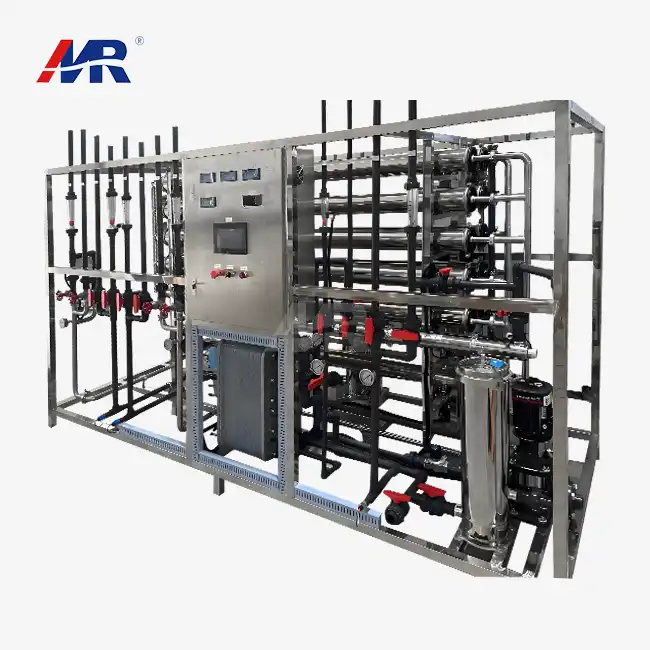 VIEW MORE2000 liters/hour EDI system
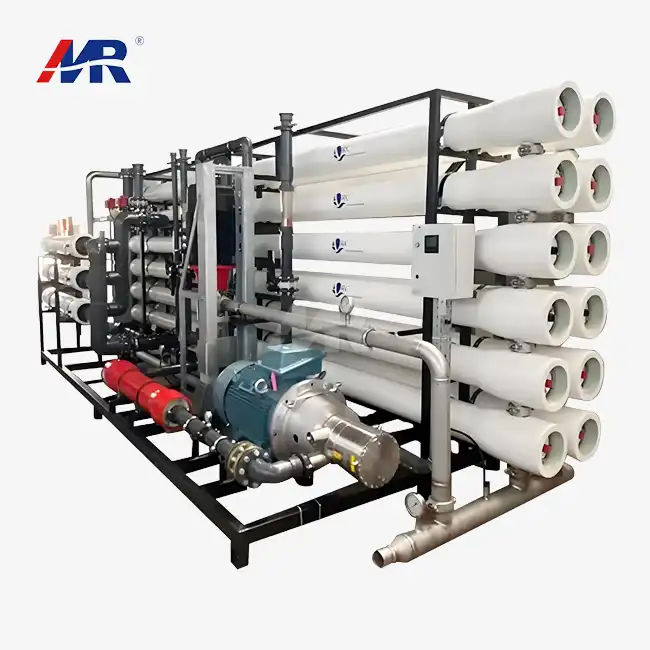 VIEW MORE45m3/hour seawater desalination system
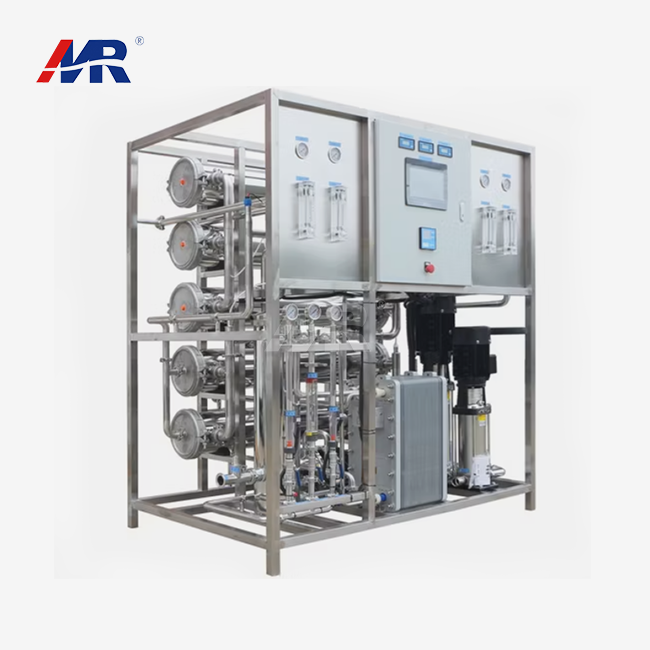 VIEW MOREro edi water system
 VIEW MORE2T/H seawater desalination plant
 VIEW MOREreverse osmosis membranes
 VIEW MORE200m3/hour ultrafiltration equipment
 VIEW MORE15T/H ultrafiltration system
 VIEW MORE25m3/hour seawater desalination plant
