

_1745823981883.webp)

Exploring Advanced Leachate Collection Technology: Benefits for Modern Landfill Sites
There is more and more pressure on modern landfills to keep waterways and wildlife nearby from getting contaminated. A leachate collection system in landfill facilities is the main defense mechanism; it collects polluted liquid that is released when trash breaks down before it gets to areas that are sensitive to the environment. These high-tech buildings use geosynthetic walls, drainage networks, and tracking tools to make sure they follow the rules and keep people healthy. As environmental rules get stricter across the US, it's important for people in charge of garbage removal operations to know what advanced collection technologies can do and how they can help.
Understanding Landfill Leachate Collection Systems
What Is Leachate and Why Does It Require Management?
Leachate is a poisonous liquid that is made when rainwater seeps through trash and dissolves chemicals, heavy metals, and organic matter. If this contaminated fluid is not contained properly, it will move down through the dirt until it reaches aquifers that provide drinking water to towns. The makeup changes a lot depending on how old the trash is, the weather, and the type of trash that is being thrown away. This makes it hard for landfill workers to keep track of a leachate collection system in landfill operation.
Core Components of Collection Infrastructure
Multiple designed layers work together to keep modern landfills contained. High-density polyethylene (HDPE) geosynthetic liners make walls that garbage cells can't get through, stopping them from moving lower. On top of these covers, drainage layers made of gravel or geocomposite materials direct dirty water toward lines for collection. HDPE lines with holes in them carry the gathered fluid to places where it can be treated or stored. Monitoring wells placed around the boundaries let workers know right away if the system is breached, so they can fix the problem before it causes damage to the environment.
The Distinction Between Collection and Removal
Collection and removal are often used equally, but they actually do different things. Collection systems use gravity-fed sewage networks or pump-assisted systems to collect and move leachate within the landfill's area. This liquid is taken out of collection sumps by removal systems, which then take it to treatment centers. For waste management to work well, both parts must work reliably over many years of use. When engineers plan these systems, they have to think about how trash settles, how fluid volumes change with the seasons, and how biofilms can build up in drainage networks and cause them to get clogged.
Innovations and Advanced Technologies in Leachate Collection
Limitations of Traditional Collection Methods
In earlier generations, a leachate collection system in landfill was based on simple pipe networks and dirt draining layers. These shapes often broke too soon because of biofilm buildup, calcium carbonate precipitation, and pressure forces from waste on top. Leachate builds up above lining systems when draining layers get clogged, which lowers hydraulic conductivity and raises hydrostatic pressure. This pressure can make the liner less stable, which can cause leaks into the environment that require expensive cleanup projects and fines from the government.
Enhanced Geosynthetic Solutions
Recent progress in material science has led to the creation of textured geomembranes that have better friction properties. This makes it less likely that the liner will slip on hills. Multi-layer geocomposite drainage systems have filter fabrics that keep small particles out while keeping the ability to run for a long time. The strong leachate formulas don't break down these materials chemically, so they can be used for more than 20 years and up to 50 years or more. Laboratory tests show that good geocomposites keep more than 90% of their original flow capacity even after being in a dump for a long time.
Double-Layer Protection Systems
Newer landfill plans now use double-liner setups to provide extra protection. The main liner collects most of the leachate, and a second liner below it protects it in case the first one fails. Between the two liners is a layer that detects leaks. This lets workers find main liner breaches before contamination gets out. This method protects the environment a lot better, especially at places that deal with dangerous trash or are near water sources that are sensitive to pollution.
Optimized Pipe Network Design
Modern collection lines have more complex hole designs and coats inside that keep minerals from scaling. Some systems use lines with a bigger diameter to slow down the flow, which keeps particles from settling and causing blockages. Strategically placing pipes at different heights allows for the settlement of garbage over time, keeping the landfill's hydraulic efficiency high throughout its lifecycle. Regularly placed cleanout ports make it easier to do upkeep, which lowers long-term running costs.
Integration with Gas Management Systems
Modern dump design takes into account how managing wastewater and gas can work together. Methane and carbon dioxide are released when biological trash breaks down, along with contaminated liquids. Integrated tracking systems keep an eye on both fluid amounts and gas pressures, giving facility managers a full picture of how the facility is running. This all-around method makes things safer, gets the most energy out of waste gas, and makes environmental control better overall.
Benefits of Advanced Leachate Collection Technology for Modern Landfill Sites
Environmental Protection and Regulatory Compliance
Groundwater contamination is much less likely now, thanks to advanced collection technologies. This protects drinking water sources and marine areas. The Resource Conservation and Recovery Act (RCRA) in the United States sets strict performance standards for a leachate collection system in landfill facilities that store city solid garbage. Better systems with extra barriers and constant tracking help operators show they are following the rules during regulatory checks. This way, they don't get fines, which can stop operations and hurt companies' reputations.
Operational Efficiency and Extended Lifespan
High-performance drainage materials and well-designed pipe networks keep the hydraulic capacity stable over decades, which lowers the need for expensive repairs. Leak detection layers help find problems early, so fixes can be focused on specific areas instead of having to rebuild the whole system. When operators switch from traditional to advanced collection methods, they say their upkeep costs go down by 30 to 40 percent. Longer component lifespans also lower the damage that making and putting new materials does to the environment.
Financial Return on Investment
Even though advanced systems have higher starting capital costs than basic setups, lifecycle research shows that they have big economic benefits. When environmental leaks are stopped, the cleanup costs that usually go over millions of dollars are avoided. Avoiding fines from regulators protects business licenses and keeps money coming in. Many facilities get their full costs back within 7–10 years by lowering their upkeep needs, avoiding fines, and staying open longer before they have to close.
Enhanced Stakeholder Confidence
People who live near landfills are more worried than ever about how the environment will affect their health and property values. Using cutting-edge containment technologies shows that a company is responsible, which builds trust with citizens and local officials. This respect makes it easier to renew permits and get permission to grow, which helps the business stay open for a long time. Environmental Certifications earned through excellent performance can also lead to new business opportunities with clients who care about the environment.
How to Select the Best Leachate Collection System for Your Project
Site-Specific Assessment Criteria
Before picking the right collection tool, the site needs to be fully described. Geological conditions affect the choice of liner. For example, clay grounds naturally slow down water flow, while broken bedrock needs stronger barriers. The rate of wastewater production is affected by climate trends. Areas with a lot of rain need more hydraulic capacity. The type of waste also counts, since industrial waste may make more aggressive leachate chemicals than regular trash. Before choosing the parts of a leachate collection system in landfill, engineers should carefully consider these factors.
Regulatory Framework Considerations
Minimum performance standards are set by federal, state, and local laws, but project requirements should try to go above and beyond these levels whenever possible. In some areas, double-liner systems are needed for all new facilities, while in others, they are only needed for facilities that handle toxic trash. Knowing what standards apply keeps you from having to make expensive changes during the licensing process. Talking to environmental lawyers and government agencies early on in the planning process makes it clear what is expected and speeds up the approval process.
Technology Comparison: Single vs. Double Layer
Single-liner systems that can reliably find leaks can be enough to protect places with good bedrock and low environmental sensitivity. Double-liner designs provide better protection and are appropriate in high-risk areas or where legal standards require redundancy. To make the choice, you have to weigh the starting costs against your long-term risk tolerance and the amount of damage you might be exposed to. Many owners think the extra 20 to 30 percent in building costs is worth it for the peace of mind that comes with a double-liner.
Passive vs. Active Collection Approaches
Gravity-driven passive systems use the least amount of energy and are easiest to operate in places with enough relief in the ground. Active systems with submersible pumps work best on flat areas or when exact control of the leachate level is needed. In hybrid methods, both strategies are used together. In normal situations, gravity flow is used, and pumps provide extra power during times of high output. Choosing the right method relies on the geography of the site, how the climate changes, and how the business runs.
Strategic Procurement Guidance
Working with makers with a lot of experience makes sure that you can get things that have been tested and shown to work well in the field. Reliable suppliers offer expert support during the planning process, which helps engineers find the best configurations for each spot. When you compare bids from different sellers, you can find prices that are cheap while still meeting quality standards. Getting to know skilled installation workers is important because mistakes in the field can damage the system, and using the right installation methods is just as important as choosing the right materials.
Maintenance and Troubleshooting of Leachate Collection Systems
Recognizing Early Warning Signs
Key success factors help good landfill managers find problems early on before they get worse. More leachate in collection sumps means they can't drain as well because they're getting clogged. If the flow rate in the extraction lines goes down, it means that there are clogs that need to be fixed. Odd smells near monitoring wells could mean that the lining of the leachate collection system in landfill has been broken, allowing water to move laterally. When the water quality changes in wells that are lower on the slope, it is clear that the control has failed. However, by this time, the damage to the environment has already been done.
Routine Inspection Best Practices
Visual checks of exposed lines and sumps every three months find damage or buildup of debris. Hydraulic performance trends are measured by testing the flow through each collection pipe once a year. Video inspections done on a regular basis with pipeline cams show what's going on inside without having to dig. These preventative steps cost a lot less than fixing systems after they break down. Writing down what was found during a check makes performance records that are useful for government reviews and insurance reviews.
Cleaning and Rehabilitation Techniques
Biofilm and mineral layers can be removed from collection lines with high-pressure water jetting, which increases flow capacity. Biodegradable detergents can be used in chemical processes to break down organic buildups without hurting HDPE materials. When jetting doesn't work, mechanical augers can get rid of stubborn blockages. When geocomposite drainage layers get clogged, they may only need to be augmented with more extraction points instead of being replaced completely. This is a cost-effective way to restore capacity.
Case Study: Proactive Maintenance Success
About 12 years after opening, a regional dump in the Mid-Atlantic started to drain less well. Instead of waiting for the system to break down, management cleaned all of the pipes in all of the gathering zones. The flow rate went up by 60%, and within three months, the amounts of waste were back to normal. The $180,000 investment in maintenance saved about $2.3 million in emergency repairs and fines from the government, showing that preventive care is a smart way to save money.
Conclusion
Modern landfills need an advanced leachate collection system in landfill technologies to keep them running smoothly and legally. These technologies protect the environment and help landfills meet their business goals. From simple drainage systems to complex multi-layer designs with built-in tracking, the change shows that both government rules and the business world's understanding of long-term value. When people are choosing a collection system, they should look for materials that have been used before, security that works in more than one way, and compatibility with the conditions at the site. While the initial costs are higher than with traditional methods, the longer lifespans, lower upkeep needs, and lack of environmental responsibilities make up for it in terms of financial returns and peace of mind.
FAQ
1. What is the typical lifespan of a modern leachate collection system in landfill applications?
With regular upkeep, high-quality systems that use modern geosynthetics and well-designed pipe networks should work well for 30 to 50 years. These deadlines are often pushed back for double-liner setups with leak detection because the redundant design keeps major breakdowns from happening. Actual lifespan varies a lot on the type of trash, the weather, and the quality of upkeep. This is why regular checks of the leachate collection system in landfills are so important for longevity.
2. How do active and passive collection technologies differ in practical application?
Gravity moves leachate through drainage layers and into collecting places in passive systems, which need little energy and a sloped site. Active systems use pumps to remove fluid from any surface, even if it's not flat. They allow for exact level control, but they need electricity infrastructure and ongoing maintenance. A lot of sites use hybrid systems that use gravity flow while also having backup pumps for times when there is a lot of flow.
3. What regulatory requirements govern leachate collection system design in the United States?
The federal RCRA Subtitle D rules set basic standards for local solid waste landfills. These standards include requirements for liner types and monitoring. Different states usually have stricter rules. For example, some states need double-liner methods or better ways to find leaks. Because of things like closeness to water resources or community worries, local permitting authorities may add site-specific conditions to permits. This means that early regulatory consultation is very important during project planning.
Partner with Morui for Proven Leachate Collection System Solutions
The long-term success and environmental performance of your project depend on how well you choose a leachate collection system in landfill provider. The 14 branches and 500 committed employees of Guangdong Morui Environmental Technology Co., Ltd. give the company a wide range of water treatment knowledge that they use in the municipal, commercial, and garbage management sectors. Our engineering team creates unique collection systems for each site that use cutting-edge membrane technologies, the best draining materials, and built-in tracking systems. We do the whole implementation process, from the initial review to supplying the equipment, installing it, commissioning it, and providing ongoing expert support. We offer high-quality parts at reasonable prices thanks to our own membrane production plants and agreements with big names in the industry, such as Shimge Water Pumps and Runxin Valves. Get in touch with our technical experts at benson@guangdongmorui.com to talk about how our tried-and-true waste leachate management solutions can help your site protect the environment and run more smoothly.
References
1. Rowe, R.K., and Islam, M.Z. (2020). "Impact of Landfill Liner Time-Temperature History on the Service Life of HDPE Geomembranes." Journal of Geotechnical and Geoenvironmental Engineering, Vol. 146, No. 8.
2. Giroud, J.P., Zornberg, J.G., and Zhao, A. (2021). "Hydraulic Design of Geosynthetic and Granular Liquid Collection Layers." Geosynthetics International, Vol. 28, No. 3, pp. 234-253.
3. United States Environmental Protection Agency (2021). "Municipal Solid Waste Landfills: Technical Guidance for RCRA Subtitle D Facilities." EPA Publication 530-R-21-002.
4. Koerner, G.R., and Koerner, R.M. (2019). "Lessons Learned from Landfill Leachate Collection System Failures." Geotextiles and Geomembranes, Vol. 47, No. 2, pp. 162-175.
5. Benson, C.H., et al. (2022). "Performance Assessment of Alternative Landfill Liner Systems." Journal of Environmental Engineering, Vol. 148, No. 6.
6. Waste Management Research Foundation (2023). "Best Management Practices for Leachate Collection System Maintenance and Rehabilitation." Technical Report WMRF-2023-07.
 VIEW MOREedi water treatment
 VIEW MOREedi module water treatment
 VIEW MORE45m3/hour seawater desalination system
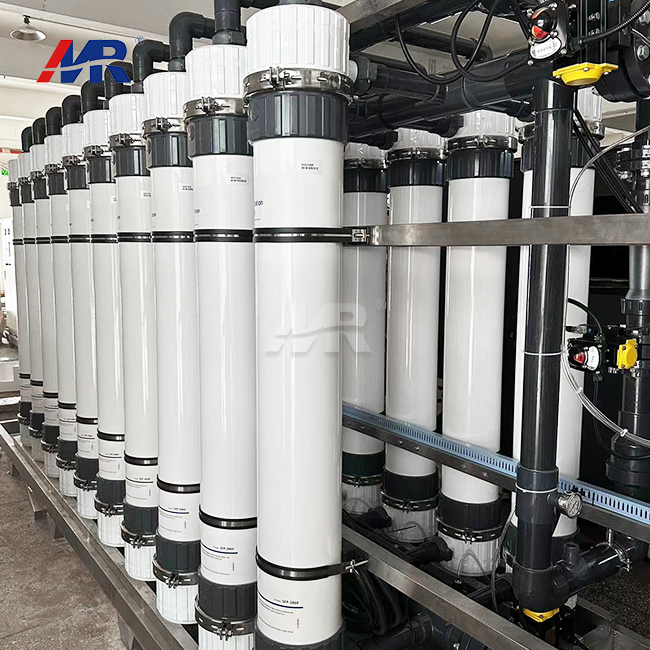 VIEW MOREwater ultrafiltration system
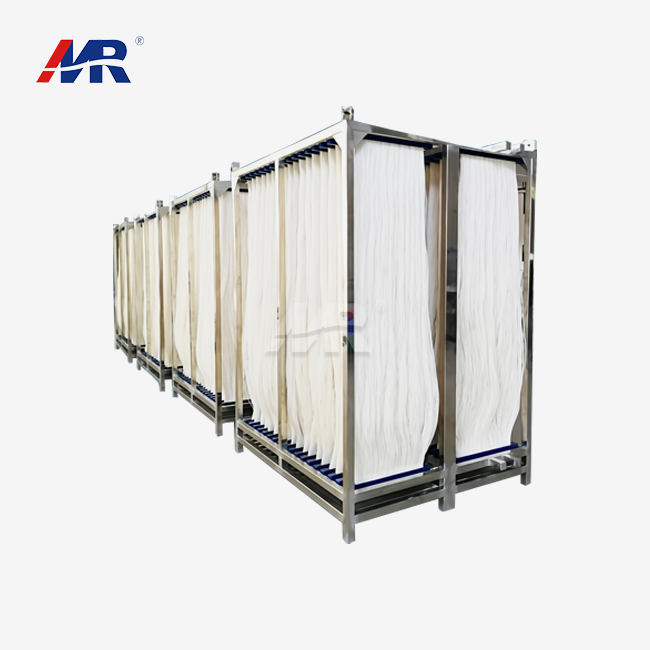 VIEW MOREbioreactor wastewater treatment
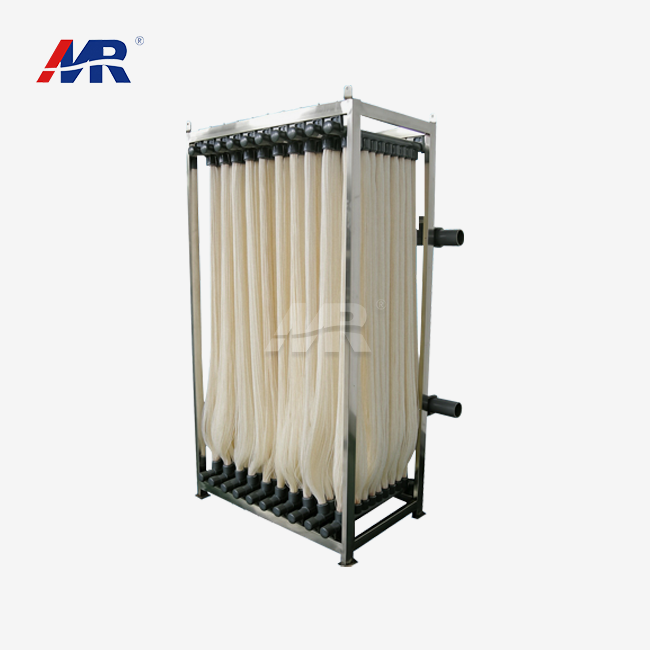 VIEW MOREbiological reactor wastewater treatment
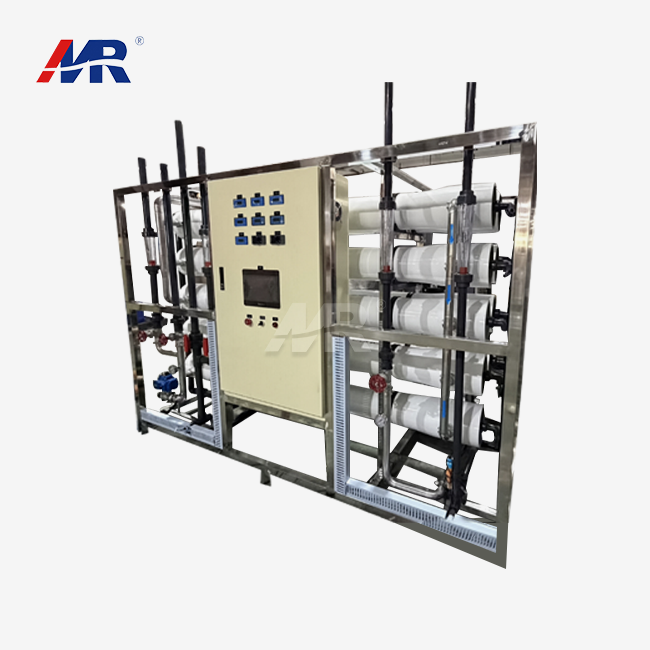 VIEW MORE8 stage reverse osmosis system
 VIEW MOREreverse osmosis plant
