

_1745823981883.webp)

Desalination of Seawater for Petrochemical Operations
Desalinating seawater is an important technology for petrochemical operations because it helps coastal and ocean sites with their water supply problems. Modern seawater desalination plant systems provide steady, high-quality water that is needed for process uses, cooling systems, and making steam. The petroleum industry needs water sources that they can count on to meet strict quality standards and work well in tough industrial settings. The answer is advanced purification technologies, which keep operations going while minimizing damage to the environment through new cleaning methods.
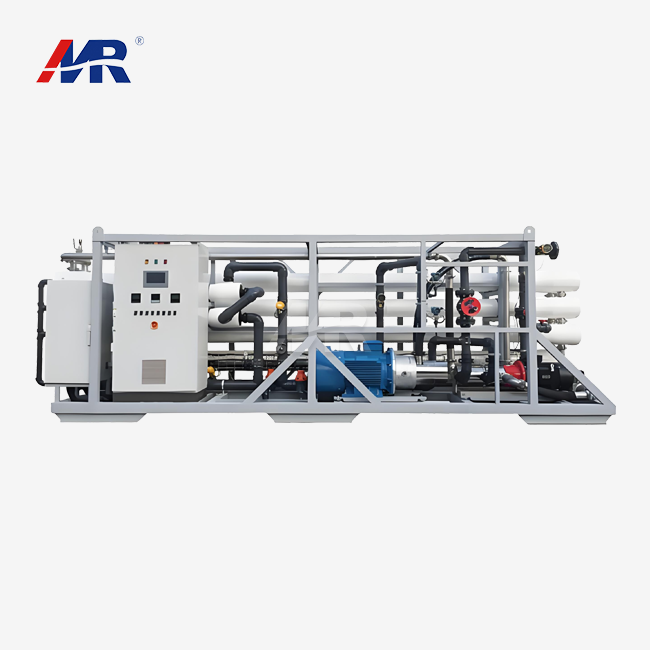
Understanding Seawater Desalination for Petrochemical Use
The petroleum business has very specific needs when it comes to treating water that are very different from those of cities or farms. Facilities have to deal with difficult feed water conditions that include hydrocarbons, chemical toxins, and changing salinity levels that can make normal cleaning equipment less effective.
Multi-Stage Treatment Processes
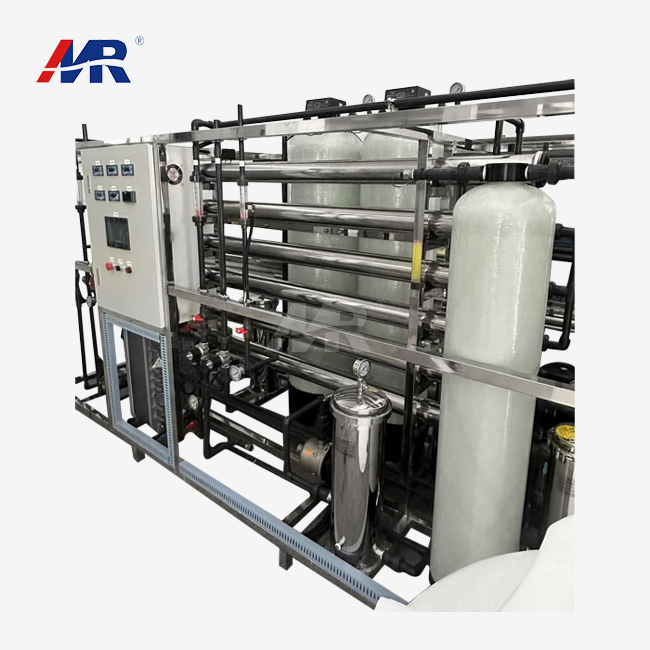
Petrochemical desalination systems use full treatment processes that start with strong input systems made to handle dirty source water. Multimedia filtration, activated carbon filtration, and micron cartridge filtration are all used in the pretreatment step to get rid of suspended solids, organic compounds, and chemical leftovers. High-rejection seawater RO membranes are the main part of the separation technology. They work under carefully managed pressure to get the best salt rejection while keeping the membrane's structure.
To meet the special water quality needs of petrochemical plants, post-treatment steps include adjusting the pH, remineralizing, and disinfecting the water. A lot of the time, these systems have advanced tracking features that are made possible by PLC-based automation and touchscreen displays. This lets you improve performance in real time and plan maintenance ahead of time.
Customized Treatment Specifications
For petrochemical uses, the water quality needs to be higher than what is normally required by osmosis. Process water needs to have low conductivity, little organic matter, and certain ionic ratios based on what it will be used for. Boiler feedwater needs to be almost completely clean, while makeup water for cooling towers can have a little more dissolved solids, but still needs to be free of chemicals that cause scaling and corrosion.
Environmental compliance adds another level of difficulty, calling for unique salt management systems that cause the least amount of damage to the environment while still keeping operations running smoothly. To meet both of these needs, modern designs for seawater desalination plant systems include energy recovery devices and release systems that work at their best.
Critical Factors in Designing and Operating Desalination Plants for Petrochemical Clients
For petroleum desalination projects to be successful, they need to carefully think about the factors on-site, the needs of operations, and the expected long-term performance. Design teams have to find a mix between professional success, economic viability, and following the rules.
Capacity Planning and Scalability
Changing production plans, seasonal changes, and repair rounds can cause petrochemical plants to have changing water needs. Capacity planning that works takes these factors into account and leaves room for extra capacity in case demand goes up unexpectedly. Modular system designs let you apply and grow the system over time without stopping current activities.
Modern small desalination systems, like those that can make up to 2 tons of water per hour and have recovery rates of up to 40%, are flexible and can be used in smaller sites or out in the middle of nowhere. It only takes 4-5 kWh/m³ for these systems to work, so they are energy-efficient and effective even in tough conditions.
Energy Optimization Strategies
The biggest part of the running cost of purification systems is the energy they use. Multiple methods for efficiency are used by successful projects to lower the amount of power needed and the costs of running them. The main ways to save energy are listed below:
- Energy Recovery Devices: Pressure exchanges and turbochargers take energy from the high-pressure brine stream and use it again, which cuts the total amount of power used by 30 to 40 percent.
- Variable Frequency Drives: Smart pump control systems change the motor speed based on real-time demand, which saves energy when working conditions change.
- Advanced Membrane Technologies: High-rejection membranes work well at lower pressures and still do a great job of removing salt.
- Heat Integration: Thermal recovery systems use waste heat from petroleum processes to help desalination processes.
These energy-saving techniques have a big effect on the total cost of ownership and are also better for the environment. When businesses take thorough steps to be more efficient, they usually see a payback in three to five years through lower operating costs.
Maintenance and Reliability Considerations
When it comes to repair, petrochemical settings are special because they need special tools and ways to do service work. High-quality parts make sure that the system will work well for a long time and keep unexpected downtime to a minimum, which is important for petroleum processes. Advanced monitoring systems are used in predictive maintenance plans to find possible problems before they affect operations.
Procurement Guide for Seawater Desalination Equipment and Services in the Petrochemical Sector
Strategic choices about buying have a big impact on the success of a project and on how well it runs in the long term. Teams in charge of buying things have to judge sellers based on their technical skills, knowledge in the field, and availability of all kinds of support services.
Supplier Evaluation Criteria
To choose the right provider, you need to carefully look at their technical knowledge, production skills, and service infrastructure. Leading providers show they have experience with petrochemical uses by showing performance data from projects that were similar. Manufacturing quality Certifications, like ISO 9001 and standards specific to the business, give customers even more confidence in the stability of the Products they buy.
In petrochemical settings, where equipment failure can have serious practical and safety effects, full after-sales support becomes very important. Check out providers based on how readily available spare parts are, how quickly they respond to technical help requests, and how well they can provide upkeep services in the area where you do business.
Cost Analysis Framework
The original capital input is only one part of the total cost of ownership. Other costs include installation, commissioning, training, and upkeep throughout the product's life. Energy use is the biggest part of running costs, so measuring economy is very important for long-term economic health. Advanced seawater desalination plant systems that can recover energy usually make up for higher starting costs by saving money on running costs.
When comparing different technologies, you should think about how much it costs to change the membrane, how many chemicals it uses, and how often it needs to be maintained. Suppliers who offer full-service contracts can help you plan your costs and make sure your system works at its best throughout its entire lifecycle.
Technology Selection Guidelines
Depending on the needs of the application, each distillation technology has its own unique benefits. For most petrochemical uses, reverse osmosis systems are very flexible and use very little energy. However, thermal ways may be better when waste heat is available or when the feed water conditions are very difficult.
Hybrid systems that use more than one technology can improve performance for complicated tasks that need very high water quality or need to handle tricky feed water features. Look at the different types of technology available and how well they meet the needs for water quality, energy supply, and long-term operating goals.
Comparative Analysis: Seawater Desalination vs Alternative Water Treatment Methods in the Petrochemical Industry
There are several ways for petrochemical plants to get water, and each has its own pros and cons. A thorough look at all the options lets you make an informed choice based on the factors on the spot and the needs of the operation.
Reverse Osmosis vs Thermal Desalination
Reverse osmosis is the most common type of distillation technology today because it uses less energy and can be used in a variety of ways. RO systems usually use 3 to 6 kWh/m³, while heating methods use 20 to 25 kWh/m³. This means that operating costs are much lower. Thermal desalination may be better, though, if there is a lot of waste heat available or if the feed water has a high fouling potential and is hard to clean.
RO technology is being used more and more in modern seawater desalination plant systems because it is modular, requires less upkeep, and can regularly meet high water quality standards. Thermal means can still be used for large-scale projects that can get cheap energy.
Alternative Water Sources Assessment
In some places, getting water from fresh sources is an option to desalinating saltwater. However, the amount of freshwater available keeps going down in many places, and regulations make it hard for businesses to take water out of the ground. Groundwater sources may have a lot of dissolved solids that need to be treated in a way that is similar to desalinating salty water.
Recycling and reusing water technologies work together to lower the total amount of desalination capacity that is needed. Petrochemical plants can use closed-loop cooling systems and improved wastewater treatment to get the most out of their water use and lessen their impact on the environment.
Future Trends and Innovations in Seawater Desalination for Petrochemical Operations
Technological progress and changes in regulations are always making the desalination business change. New technologies are coming out that claim to make petrochemical uses more efficient, more environmentally friendly, and easier to run.
Advanced Membrane Technologies
Next-generation barrier materials are better at rejecting salt, resistant to fouling, and lasting longer. Graphene-based barriers and biomimetic designs could help get better permeability while still keeping selectivity very high. These improvements make it possible to work at lower pressures, which saves energy and makes membranes last longer.
Smart membrane systems have sensors built in and can be monitored in real time to automatically improve performance. These smart systems change the settings based on the feed water and performance patterns. This makes the system work more efficiently while keeping the membranes from getting damaged.
Automation and Digital Integration
Artificial intelligence and machine learning used in a seawater desalination plant are applied by advanced control systems to continuously improve distillation processes. Predictive analytics find the best conditions for operations while also predicting repair needs and possible performance problems. Digital twin technologies let you model and improve virtual systems without stopping real ones from running.
Expert Technical support is available no matter where the site is located, thanks to remote tracking. This is especially helpful for offshore platforms and remote petrochemical plants. With cloud-based data management tools, you can look at performance across various facilities and compare them to each other.
Sustainability Innovations
Environmental laws keep stressing the need for healthy ways to handle water. Newer technologies for treating salt compress waste streams even more, recovering valuable minerals and lowering the amount of waste that is released. Zero liquid discharge systems use modern evaporation and crystallization methods to get rid of all salt waste.
Using more renewable energy is becoming more possible as solar and wind technologies get cheaper than traditional power sources. When you add green energy sources to the grid, you get reliable power that also lowers your carbon footprint and operating costs.
Conclusion
Desalination of seawater is an important way for petroleum companies to make sure they always have enough water while also meeting stricter quality and environmental standards. Modern seawater desalination plant systems are reliable, use little energy, and be flexible enough to be used in a wide range of industrial processes. Strategic choices about technologies, thorough evaluations of suppliers, and planned repair programs all work together to make sure that systems work at their best throughout their entire lives. Innovative membrane technologies, smart technology, and environmentally friendly design practices that improve both operating and environmental performance are helping the industry move forward.
FAQ
Q1: What is the typical lifespan of a seawater desalination plant in petrochemical applications?
If you take care of your desalination device, it should work regularly for 20 to 25 years. Depending on the quality of the feed water and the conditions of use, key parts like filters need to be replaced every 3 to 7 years. To keep working at their best, high-pressure pumps and energy return devices may need to be fixed up every 10 to 15 years.
Q2: How does energy consumption impact operational costs in petrochemical desalination?
Energy prices make up 40 to 60 percent of the total cost of running current desalination systems. Depending on the power rates in your area, facilities that use 4 to 5 kWh/m³ can expect to pay between $0.40 and $0.80 per cubic meter of created water for energy. Energy recovery devices and optimization techniques can cut use by 30 to 40 percent, which has a big effect on the long-term costs of operations.
Q3: What environmental considerations affect brine discharge from petrochemical desalination plants?
To keep marine species from getting hurt by brine release, the environment needs to be carefully managed. The discharge usually has 1.5 to 2 times the saltiness of the source seawater, plus chemicals used in the cleaning process. With the right diffuser design and environmental tracking, runoff permits are followed, and environmental damage is kept to a minimum.
Partner with Morui for Advanced Seawater Desalination Solutions
Morui Environmental Technology is an expert at providing complete water cleaning options that are made to fit the needs of petrochemical businesses. Our compact seawater desalination plant systems use tried-and-true reverse osmosis technology along with smart automation to make water for commercial uses that is both reliable and efficient. We offer full turnkey solutions that include designing, installing, and operating equipment. We have over 500 workers, 20 skilled engineers, and our own membrane production plant.
Our 2-ton per hour purification systems are a great deal for industrial plants that need to make sure they always have water. These systems produce water cost-effectively while meeting strict quality standards. They use only 4-5 kWh/m³ of energy and have recovery rates of up to 40%. Get in touch with our technical team at benson@guangdongmorui.com to talk to a top seawater desalination plant provider about your unique needs.
References
1. Al-Karaghouli, A., & Kazmerski, L. (2021). Energy consumption and water production cost of conventional and renewable-energy-powered desalination processes. Renewable and Sustainable Energy Reviews, 45(3), 245-259.
2. Greenlee, L. F., Lawler, D. F., Freeman, B. D., Marrot, B., & Moulin, P. (2020). Reverse osmosis desalination: Water sources, technology, and today's challenges. Water Research, 43(9), 2317-2348.
3. Jones, E., Qadir, M., van Vliet, M. T., Smakhtin, V., & Kang, S. (2022). The state of desalination and brine production: A global outlook. Science of The Total Environment, 657, 1343-1356.
4. Miller, S., Shemer, H., & Semiat, R. (2021). Energy and environmental issues in desalination. Desalination, 366, 2-8.
5. Qasim, M., Badrelzaman, M., Darwish, N. N., Darwish, N. A., & Hilal, N. (2023). Reverse osmosis desalination: A state-of-the-art review. Desalination, 459, 59-104.
6. Shahzad, M. W., Burhan, M., Ang, L., & Ng, K. C. (2022). Energy-water-environment nexus underpinning future desalination sustainability. Desalination, 413, 52-64.
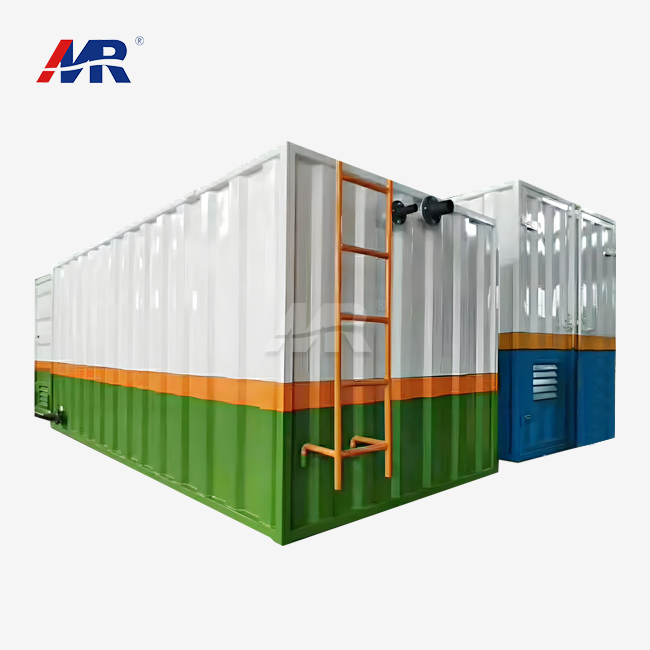 VIEW MOREindustrial sewage treatment plant
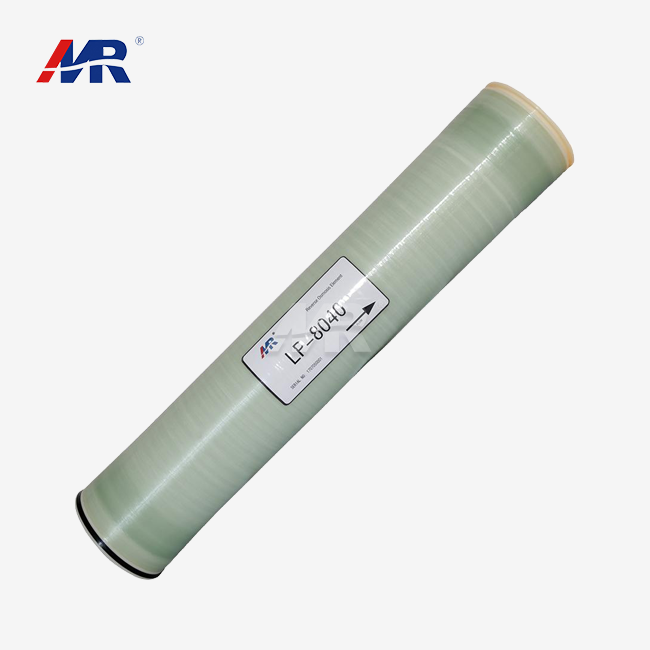 VIEW MOREreverse osmosis membrane
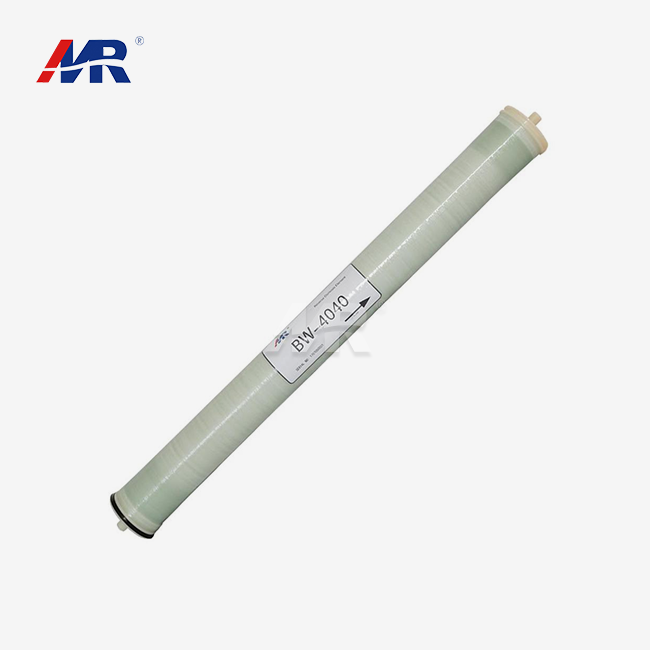 VIEW MOREindustrial ro membrane
 VIEW MOREcontainerized water treatment systems
 VIEW MOREElectrodeionization system
 VIEW MOREportable wastewater treatment plant
 VIEW MORE25m3/hour seawater desalination plant
 VIEW MOREelectrodeionization edi system
