

_1745823981883.webp)

Low Noise Reverse Osmosis Pumps: Best Options for Quiet Water Filtration
When choosing reverse osmosis equipment for commercial use, noise levels are often a very important factor that affects both legal compliance and workplace efficiency. A low noise pump is an advanced option that blends cutting-edge engineering with useful benefits for everyday use. Innovative motor designs, vibration-dampening materials, and well-designed interior parts help these specialized pumps make a lot less noise. Modern quiet operation pumps usually keep sound output below 50 decibels, while traditional pumps can make noise levels up to 70 decibels, which can be annoying. This makes workplaces more comfortable while still providing reliable water filtration in manufacturing, pharmaceutical, and food processing facilities.

Understanding Low Noise Reverse Osmosis Pumps
Advanced Engineering for Sound Reduction
Advanced acoustic engineering principles are used in low-noise reverse osmosis pumps to reduce operating noise without affecting performance. The motor housings of these pumps are lined with sound-absorbing materials, the impellers are tuned to reduce mechanical vibrations, and the parts are precisely made to get rid of common noise sources. The sound benefits go beyond just making things more comfortable; processes that are quieter often mean that the machinery is working more efficiently and parts are under less stress.
These quiet operating systems are especially helpful in manufacturing sites because they let workers talk to each other clearly without having to raise their voices over the noise of the equipment. Industrial ergonomics experts have found that lowering the noise level in a workplace to below 55 decibels can help workers focus up to 15% more, which leads to better quality control and fewer mistakes.
Energy Efficiency and Performance Benefits
Modern technology for quiet pumps saves a lot of energy and makes less noise. Most of the time, these pumps use 10–15 percent less electricity than regular ones while keeping the same flow rates and pressures. The energy efficiency comes from motor designs that are better designed to cut down on friction losses and pump chambers that use hydraulic energy more efficiently.
Many quiet RO reverse osmosis pressure pumps have variable frequency drives that let workers precisely control the speed of the pump, making it work perfectly with the system. This ability to change stops energy waste when there is less demand for water, and it keeps the pressure constant during the filter process. When industrial sites upgrade to efficient low noise pump systems, their yearly energy costs drop by between $2,000 and $8,000. This depends on the size of the business and how it is used.
Comparing Low Noise RO Pumps with Conventional Pump Solutions
Performance Metrics and Sound Level Analysis
The results of extensive tests show that quiet operation pumps are very different from other options. Low noise versions of centrifugal pumps work consistently at 45 to 55 decibels, while standard models make noises between 65 and 75 decibels when they're working. This 15-20 decibel drop makes a big difference in how comfortable the noise level is, which is especially important for places that work near residential areas or have to follow strict noise standards at work.
What makes quiet pumps different from other options is the following performance traits:
- Sound Performance: Sound levels stay below 55 decibels (dB), compared to 70+ decibels for standard units. This means it meets most workplace noise rules without the need for extra soundproofing.
- Shaking Control: Lessened mechanical shaking by using balanced parts and dampening systems; this makes equipment last longer and requires less upkeep.
- Energy Use: Motor efficiency improvements and the ability to change speeds have led to an average 12% drop in electricity use.
- Operational Reliability: component longevity is improved due to less mechanical stress, which means 25% fewer repair visits each year.
These improvements in performance directly lead to lower running costs and better working circumstances. Facilities that use quiet pump technology have happier employees and fewer complaints about noise at work, which leads to higher total productivity numbers.
Cost-Benefit Analysis for Industrial Applications
An investment study shows that businesses that switch to quiet operation methods will make a lot of money. Even though they cost 15-20% more than regular pumps at first, they save an average of $12,000 to $18,000 over five years in net costs for medium-sized commercial setups. These savings add up over time because less energy is used, upkeep costs go down, and there is less downtime.
Better compliance with regulations adds value to pharmaceutical and food processing plants. Many places have strict rules about how loud industrial operations can be. Quiet pump technology helps businesses stay in line with these rules without having to make expensive building changes or limit their operations. Insurance companies also see these benefits, and some will lower your premiums if your business takes a lot of steps to control noise.
Choosing the Best Low Noise Reverse Osmosis Pump for Your Business
Industry-Specific Selection Criteria
When choosing a quiet pump for an industrial purpose, different methods need to be used. Pharmaceutical companies must make sure that their pumps meet GMP compliance standards and keep noise levels very low for labs that need to be quiet. Food and drink makers need equipment that is approved for sanitary uses, can be cleaned easily, and works well with sound.
Pumps that can make ultrapure water while being quiet enough not to get in the way of precise building processes are needed in places that make electronics. In the semiconductor business, steady pressure release with little vibration transmission that could damage sensitive factory equipment is very important.
Durability and weather protection are important in agricultural uses because irrigation systems often work in harsh outdoor conditions. Marine setups need small designs made of materials that won't rust and can handle saltwater applications while still running quietly in small areas.
Compatibility and Integration Considerations
For quiet pump integration to work, the current system hardware needs to be carefully looked at. To avoid expensive changes, pump specs must match up with modern electrical systems, control interfaces, and pipe layouts. Modern low noise pumps have a variety of installation choices and standard links that make it easier to add them to systems that are already in place.
Another important thing to think about is flow rate matching. Pumps that are too small or too big will not work as well, and units that are too big or too small will waste energy and make noise that isn't needed. Professional system analysis helps figure out the right size pump by looking at how much water is actually needed, not just how much is needed at peak times.
Control system compatibility lets current automation platforms work with new ones without any problems, so workers can check on the pump's performance and make changes from afar. More advanced models have diagnostic tools that can guess what repair will be needed and let workers know about possible problems before they happen.
Maintenance and Troubleshooting Tips for Low-Noise RO Pumps
Preventive Maintenance Protocols
To keep things running as quietly as possible, you need to do regular repair tasks that protect both the sound quality and the stability of the machine's parts. Vibration tracking, seal condition assessment, and acoustic level verification should all be part of regular check plans to find problems early on before they affect performance.
Managing oil is very important for keeping operations quiet, since not enough lubrication leads to more friction and noise. High-quality synthetic oils that are made to work with water pumps offer better safety and keep their viscosity even when the temperature changes.
Verifying the motor's balance stops excessive shaking that hurts sound quality over time. Precision alignment tools help keep things in line with what the maker says they should be, which makes sure that power is transferred efficiently and that connection parts don't wear out too quickly. Checking the balance every three months stops it from slowly getting worse, which could lower the noise level and make the system less reliable.
Common Issues and Resolution Strategies
Cavitation is the most common reason why RO pump systems make more noise. It happens when the input pressure isn't high enough, creating gas bubbles inside the pump chamber. Operators can stop cavitation by making sure there is enough suction pressure, fitting the right input pipe designs, and keeping an eye on how the system pressures relate to each other. Putting pressure gauges in key places lets you find problems that could cause cavitation damage early on.
When a bearing wears out, it makes noises that can be recognized by trained technicians during regular checks. High-frequency screaming or grinding sounds mean that the bearings are wearing out and need to be fixed right away. Preventing major failures that could damage other pump parts and cause long periods of downtime by replacing bearings before they fail is possible with acoustic tracking.
When variable frequency drives have electrical problems, they can make noise patterns that aren't regular and work less efficiently in a reverse osmosis pressure pump. Inspections of electrical connections and thermal imaging scans done on a regular basis help find problems before they affect how the pump works. Professional electrical repair keeps the manufacturer's guarantee valid and makes sure the motor works at its best.
Conclusion
Reverse osmosis pumps with low noise levels are a big step forward in water treatment technology. They offer big improvements in noise level, energy efficiency, and dependability. These systems meet important industry needs for quiet operation while still meeting the high-performance standards needed for current processing and manufacturing. When combined, lower noise levels, better energy efficiency, and longer durability create strong value offers for companies that want to improve their water treatment facilities. Investing in good, quiet pump technology pays off in a number of ways, including lower operating costs, better working conditions, and better compliance with regulations in a wide range of industry settings.
FAQ
Q1: How much quieter are low noise pumps compared to standard models?
Low noise reverse osmosis pumps usually work at 45 to 55 decibels, which is 15-20 decibels quieter than regular pumps, which normally make 65 to 75 decibels of noise. This difference makes workplaces noticeably quieter, which makes it easier to talk to each other and lowers stress at work.
Q2: What maintenance practices help preserve quiet operation?
Keeping an eye on vibrations, using synthetic pump oils correctly, checking the motor's balance every three months, and replacing bearings before they wear out are all things that can be done to keep the sound quality at its best. By managing the input pressure properly, you can stop cavitation and keep the pump running quietly while also keeping its parts from getting damaged.
Q3: Can quiet pumps integrate with existing filtration systems?
Modern low-noise pumps have standard connections and variable mounting options that make it easier to connect them to equipment that is already in place. A professional review of the system makes sure that it is the right size and works with existing control systems, so that as few changes as possible need to be made during installation.
Partner with Morui for Advanced Water Treatment Solutions
For your commercial water treatment needs, Morui's specialized low noise pump options offer the best mix of quiet operation, energy efficiency, and reliable performance. Our skilled engineering team can help you choose the best equipment setup for your unique needs through full consultation services. We offer reasonable prices, a variety of shipping choices, and a full warranty that is backed by our large service network because we are a top manufacturer of low-noise pumps. Get in touch with our technical experts at benson@guangdongmorui.com to talk about your water treatment problems and find out how our creative solutions can help you run your business more efficiently while having less of an impact on the environment.
References
1. Johnson, M.R. et al. "Acoustic Engineering in Industrial Pump Design: Noise Reduction Strategies and Performance Impacts." Journal of Industrial Equipment Technology, Vol. 45, No. 3, 2023.
2. Williams, S.K. "Energy Efficiency Analysis of Variable Speed Drive Pumps in Water Treatment Applications." Water Treatment Engineering Quarterly, Issue 127, 2024.
3. Chen, L. and Rodriguez, P. "Maintenance Protocols for Low-Noise Reverse Osmosis Systems in Industrial Settings." Industrial Maintenance and Reliability Review, Vol. 28, No. 2, 2023.
4. Thompson, R.A. "Cost-Benefit Analysis of Acoustic Control Measures in Manufacturing Facilities." Industrial Ergonomics and Safety Journal, Vol. 19, No. 4, 2024.
5. Martinez, D.J. et al. "Comparative Performance Study of Quiet Operation Pumps Versus Conventional Systems." Water Technology and Treatment Magazine, Vol. 67, No. 8, 2023.
6. Anderson, K.L. "Integration Strategies for Upgrading Industrial Water Treatment Infrastructure with Low-Noise Components." Process Engineering and Design Review, Vol. 33, No. 1, 2024.
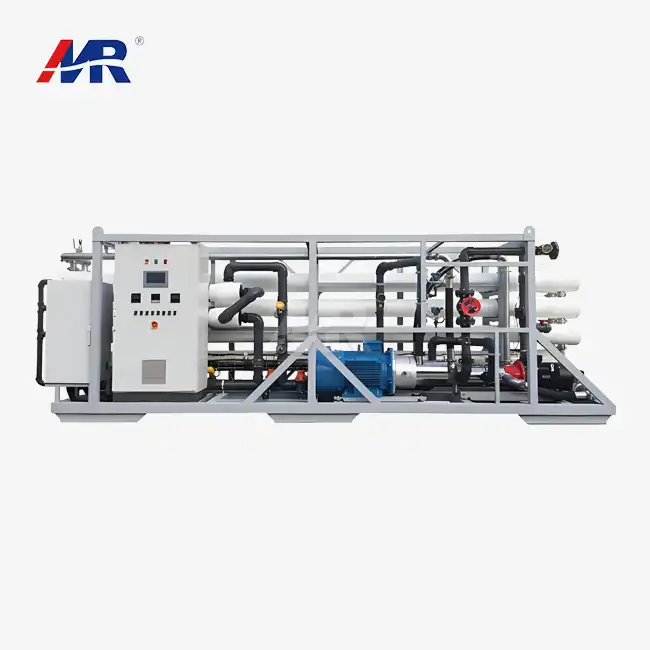 VIEW MORE15m3/hour seawater desalination system
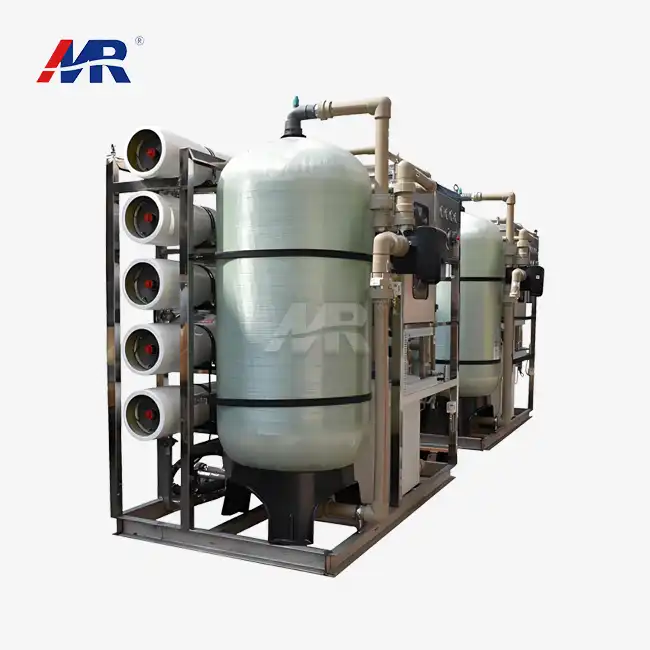 VIEW MORE8m3/hour seawater desalination equipment
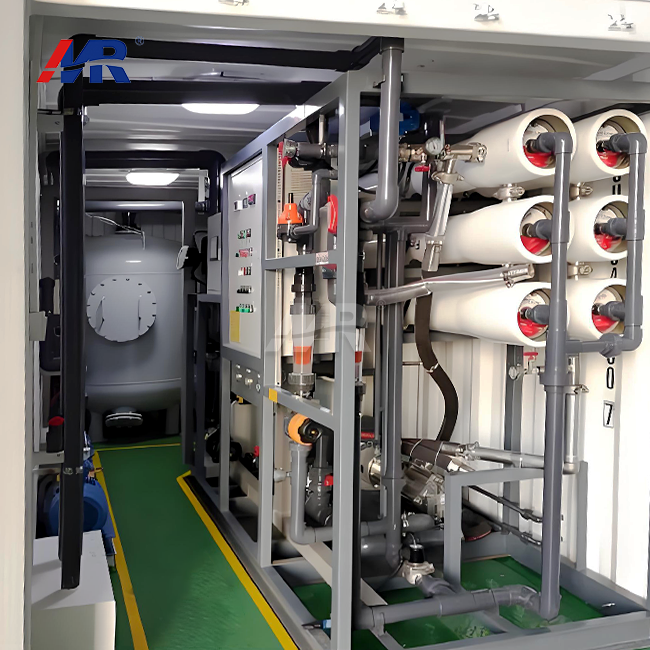 VIEW MOREcontainerized RO equipment
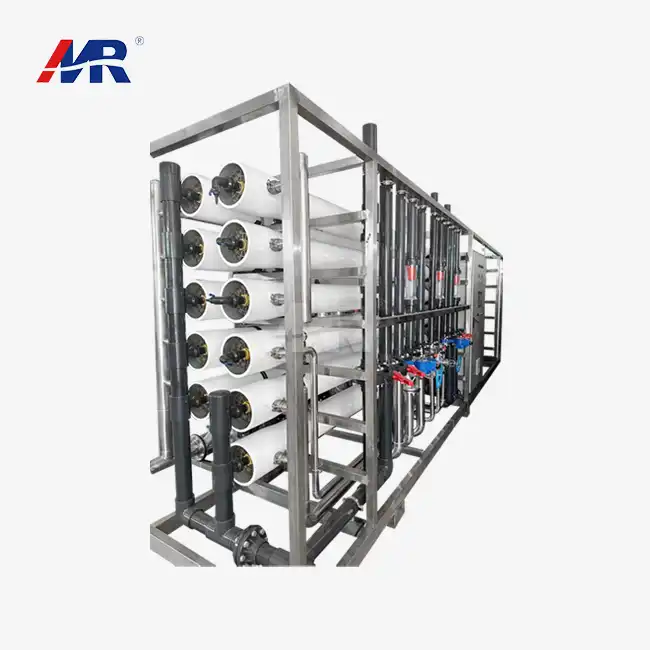 VIEW MORE60m3/hour reverse osmosis plant
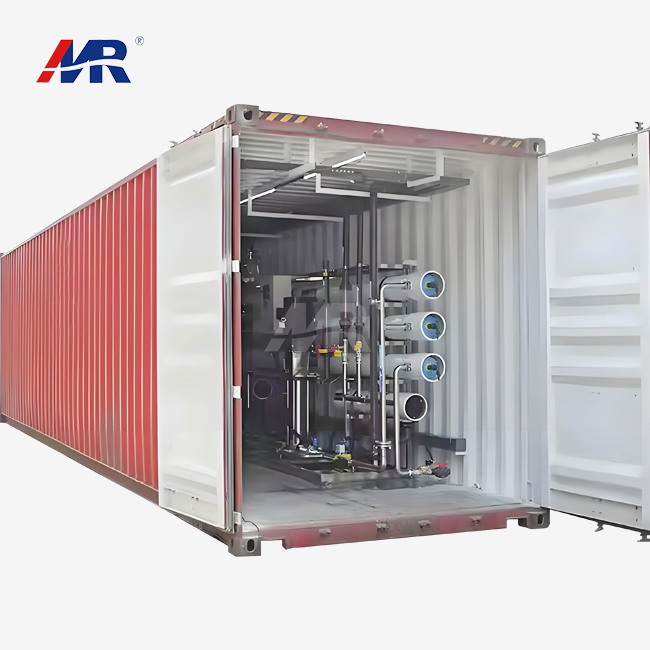 VIEW MOREContainerized Reverse Osmosis Systems
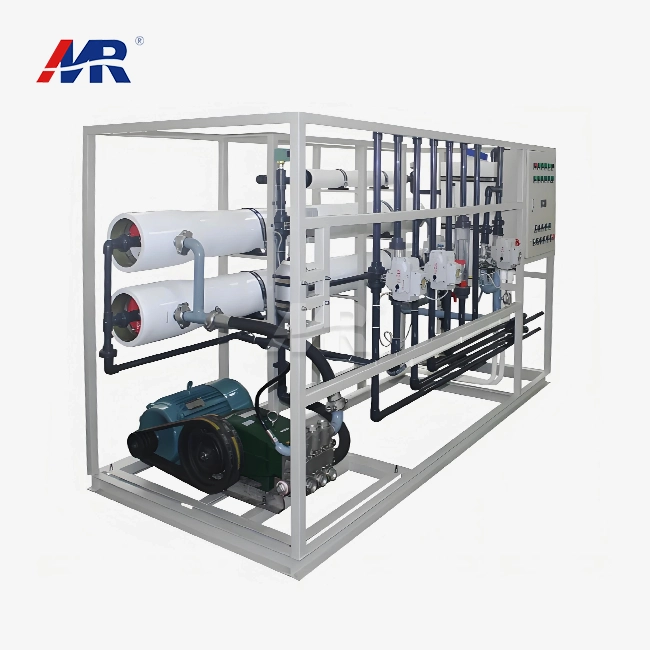 VIEW MOREseawater desalination pre-treatment
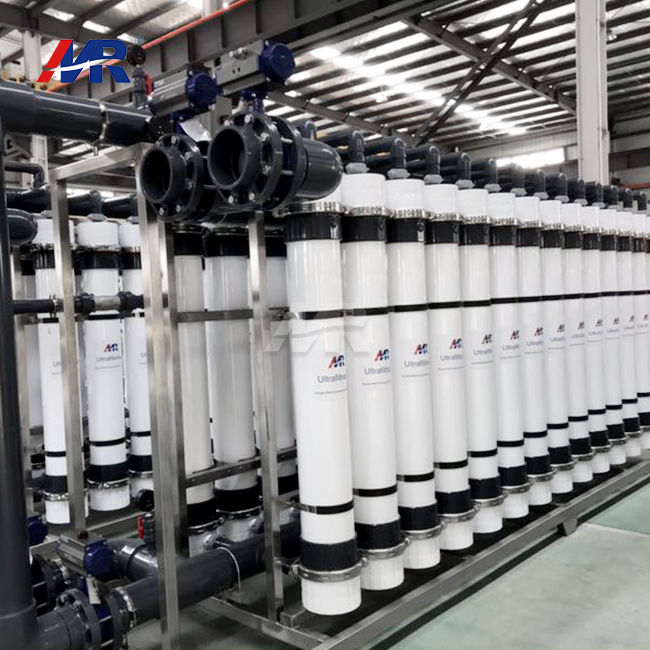 VIEW MOREultrafiltration machine
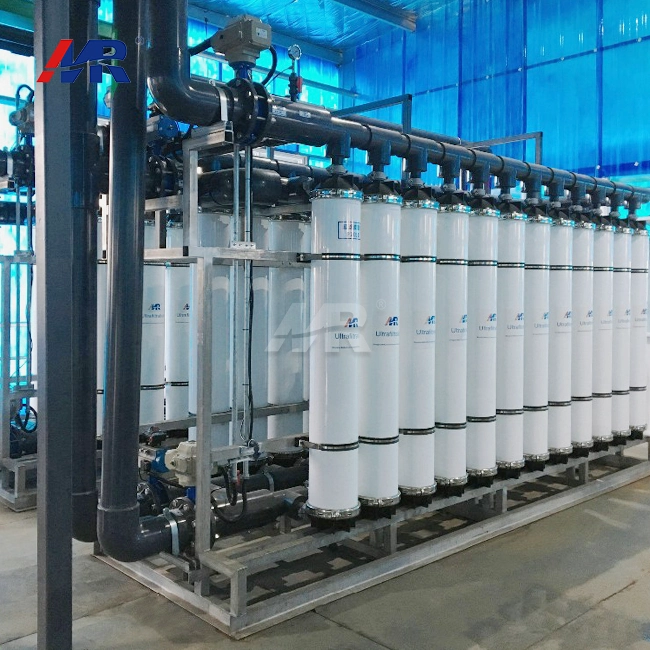 VIEW MOREultrafiltration equipment
