

_1745823981883.webp)

Using DTRO Membranes for Zero Liquid Discharge (ZLD) Systems: A Comprehensive Overview
Zero Liquid Discharge systems are the best way to treat wastewater for industrial use. They allow facilities to collect almost all of the wastewater they produce while also not releasing any liquid waste. The DTRO membrane technology is at the heart of many successful ZLD implementations. It is a disk-tube reverse osmosis device that was specifically designed to deal with high concentrations of contaminants that are hard for other treatment methods to handle. These new membranes are great at cleaning up complicated industrial wastewater, like landfill leachate, chemical wastewater, and streams full of heavy metals. This makes them essential for businesses looking for long-term ways to handle water.
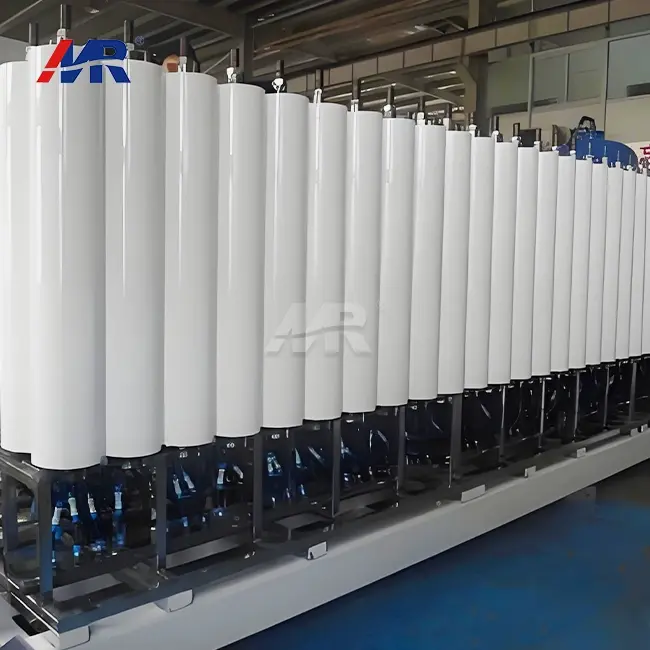
Introduction
Zero Liquid Discharge (ZLD) systems are important for sustainable water management because they recover almost all of the wastewater while having the least amount of effect on the environment. Disk Tube Reverse Osmosis membranes, or DTro membranes, have become an important device for separating and recovering things very efficiently in ZLD applications. This detailed summary looks at how these cutting-edge membrane systems change the way industrial wastewater is treated by combining strong engineering with outstanding performance.
ZLD systems are becoming more and more important in all manufacturing areas as government pressure on industrial discharge limits grows. Many different types of industries, from electronics and pharmaceuticals to chemical processing and power generation, now depend on these technologies to meet strict environmental standards and get back valuable water resources. Procurement workers, engineers, and facility managers who need to put in place effective water treatment solutions need to know what disc-type reverse osmosis technology does in these systems.
Understanding DTRO Membrane Technology in ZLD Systems
DTRO membranes are a more advanced type of reverse osmosis design than regular spiral wound membranes because they have a strong disk-tube structure. This configuration improves operational reliability and resistance to fouling in difficult ZLD environments thanks to its unique open-flow channel design that causes helpful turbulence patterns.
How Disk-Tube Reverse Osmosis Works
Disc-type membrane technology works by stacking several membrane discs along a central support tube. This makes a flexible system that processes high-concentration feedwater by controlling the pressure difference. Unlike other spiral designs, this one makes it easier to clean and maintain, even when working with feed streams that have high amounts of total dissolved solids (TDS). The rough flow patterns created by the disc channels stop fouling from building up and keep the quality of the permeate constant over long operating cycles.
Key working principles include high operating pressures between 60 and 80 bar and salt refusal rates of more than 98%, which are necessary for getting the most water back in industrial wastewater treatment. The membrane units can handle feed streams with COD levels of up to 25,000 mg/L and conductivity levels between 8 and 15 ms/cm, which makes them perfect for tough industrial uses.
Types and Performance Characteristics
This part goes into even more detail about the different types of DTRO membranes and compares their designs. It focuses on performance measures like energy use, lifespan, and maintenance needs, which are important for figuring out how efficient and cost-effective a system is in the long run. The 8040 and 8080 membrane sizes are standard setups. Each is best for a certain flow rate and pressure need. The composite membrane structure is made up of three separate layers: a support layer that keeps the structure stable, a thick selective layer that controls the flow of water, and a contact layer that keeps the membrane from getting fouled.
These membranes are very strong and can work well in harsh chemical environments. They work well in pH ranges of 2 to 12 and will keep their structure for 3 to 5 years with proper care. The modular design makes it easy to swap parts and expand the system, so operators can change the treatment capacity based on how much and what kind of wastewater they are dealing with.
Advantages of Using DTRO Membranes in Zero Liquid Discharge Systems
Compared to ultrafiltration (UF), nanofiltration (NF), forward osmosis (FO), and regular RO membranes, DTRO membranes are better at recovering water. This helps businesses get closer to zero liquid waste discharge and make better use of their resources. The technology can handle high-concentration streams, which directly leads to better system performance and less management complexity.
The main benefits of disc-tube technology that make it great for ZLD uses are listed below:
- Better Contaminant Removal: More than 98% of salts, heavy metals, and organic pollutants are rejected, so the quality of the permeate stays the same even if the feed features change. This high rejection rate lets sites meet strict standards for discharge while also getting the most water back.
- High-Pressure Resilience: It keeps working normally at 75 bar pressure, which lets it handle tough industrial streams that would be too much for most membrane systems. This feature is very important for dealing with concentrated brines and high-TDS wastewater that is typical in ZLD applications.
- Energy-Efficient Design: Because of its optimized hydraulic design and lower pressure drop characteristics, it uses 15 to 20% less energy than standard RO membranes. This improvement in efficiency has a big effect on the long-term costs of running the system and its ability to last.
- Longer Service Life: It doesn't rust or break down when exposed to chemicals or stress, and it will work well for 3 to 5 years with regular upkeep. The strong construction means that replacements don't have to be done as often, which saves money on downtime costs.
These benefits work together to solve the main problems that factories with ZLD systems have, like inconsistent feed quality, high working pressures, and the need for long-lasting performance that doesn't change. The technology has been used successfully in the mining, chemical, wastewater treatment, and power production industries. This shows how versatile and useful it is in real-world ZLD deployments.
Practical Implementation Benefits
Because they use less energy, they lower the total cost of the project, which is an advantage over other membrane technologies. The anti-fouling design features cut down on cleaning processes and system downtime, which has a direct effect on how well the system works and how much it costs to maintain. The technology's selective rejection and chemical resistance qualities make it especially useful for industries that deal with complex wastewater, like battery factories that need to get rid of heavy metals like nickel and cadmium.
Comparing DTRO Membranes with Other Membrane Technologies for ZLD
A thorough analysis of the differences in performance and cost between DTRO membranes and other common types of membranes used in ZLD systems, including conventional RO, spiral wound, UF, NF, and FO membranes, shows that DTRO membranes have clear operational benefits. The comparison makes it clear what steps or roles each membrane technology should play. This highlights the unique benefits of disc-tube systems in situations with a lot of fouling and high recovery.
Performance Metrics Analysis
Standard spiral wound RO membranes are cheap for most uses, but they have trouble with high-fouling feeds and need to be cleaned often, which makes operations more difficult. Ultrafiltration systems are great at getting rid of large molecules and suspended solids, but they can't get rid of salt as fast as is needed for ZLD uses. Nanofiltration membranes can selectively reject multivalent ions, but they can't get rid of all contaminants, which is needed to fully reclaim the water.
Even though forward osmosis technology looks good for some uses, it is hard to get the draw solution back, and the system is complicated, which makes it hard to use in industrial ZLD systems. The disc-tube design gets around these problems by combining high rejection rates, low fouling, and easy operation into a single technology base.
Supplier Selection Considerations
A list of the world's top membrane manufacturers helps procurement workers evaluate supplier quality, after-sales services, and warranty terms, which supports strong strategies for choosing suppliers. Internationally known names like DOW, Toray, and Hydranautics offer tried-and-true technologies. However, new suppliers who specialize in disc tubes can often offer more customized solutions and quick Technical support for specific industrial uses.
When judging a supplier's skills, you should look at their ability to make things, their quality Certifications, their ability to provide local technical help, and how well they can ship spare parts. For facilities that need replacements right away or have tight project plans, being able to offer fast delivery, like seven-day lead times for standard configurations, is very helpful.
Procurement and Implementation Guide for DTRO Membranes in ZLD Systems
To understand procurement well, you need to carefully look at how prices work, the benefits of buying in bulk, and the customization options that affect the project's costs. This part talks about things like shipping operations, warranty terms, and cost analysis that affect project budgets and timelines while making sure the system works at its best.
Cost Analysis and Budgeting
To fully understand the total cost of ownership, you need to know more than just the price of the membrane itself. You also need to know how much it will cost to install, commission, maintain, and replace in the future. Buying in bulk can lower the cost per unit while still making sure there are enough spares for planned repair tasks. While custom setups made to fit specific contaminant profiles may cost more, they provide better performance and longer service life in tough situations.
When shipping membrane modules, they need to be handled in a certain way, and the surroundings need to be protected so that the Products stay intact. When sending goods internationally, there may be rules and paperwork that need to be filled out that can delay deliveries and projects.
Installation and Commissioning Best Practices
Professional installation makes sure the system works at its best by aligning the DTRO membrane housing correctly, checking the system's pressure, and connecting it to the existing treatment infrastructure. You can't say enough about how important it is to follow the manufacturer's instructions during commissioning. If you don't, the wrong startup methods can damage membrane elements forever and void the warranty.
The best ways to maintain a membrane are to follow strict cleaning schedules, keep an eye on its performance, and change it before it wears out. It's important that compatible replacement parts are easy to find and that ZLD facilities have solid aftermarket support to keep downtime to a minimum and protect long-term investments.
Conclusion
Using DTRO membranes in Zero Liquid Discharge systems is a tried-and-true way to handle industrial water in a way that doesn't harm the environment and still meets strict environmental standards. These disc-tube reverse osmosis technologies are better than traditional membrane options at removing contaminants, saving energy, and being reliable in high-concentration situations that are hard to handle. Because of the way they are designed, these membrane systems can handle complex industrial wastewater while still working consistently and needing little to no upkeep. As regulations get stricter and worries about water shortages grow, it becomes more and more important for businesses to use modern ZLD technologies that include disc-tube membranes in order to stay sustainable and run efficiently.
FAQ
Q1: What is the typical lifespan of disc-tube membranes in ZLD applications?
Properly maintained DTRO membranes in ZLD systems typically deliver 3 to 5 years of reliable service life, significantly longer than conventional spiral wound membranes in similar high-fouling applications. The actual lifespan depends on feed water characteristics, operating conditions, and adherence to recommended maintenance protocols.
Q2: How does energy consumption compare between disc-tube and conventional RO systems?
Disc-tube membrane systems consume approximately 15 to 20% less energy compared to traditional RO membranes due to their optimized hydraulic design and reduced pressure drop characteristics. This efficiency improvement translates to substantial operational cost savings over the system lifetime.
Q3: What maintenance protocols are recommended to prevent fouling and extend membrane life?
Recommended maintenance includes regular chemical cleaning cycles using appropriate cleaning agents, continuous monitoring of performance parameters such as flux and rejection rates, and systematic inspection of membrane elements during scheduled maintenance windows. Proper pretreatment system operation also plays a crucial role in preventing premature fouling and extending membrane service life.
Partner with Morui for Advanced ZLD Solutions
Guangdong Morui Environmental Technology stands ready to support your Zero Liquid Discharge implementation with our industry-leading MR-DTRO-75 DTRO membrane systems and comprehensive technical expertise. Our experienced engineering team provides customized solutions tailored to your specific industrial wastewater challenges, backed by rapid production capabilities and global service support. Contact our technical specialists at benson@guangdongmorui.com to discuss your ZLD requirements and discover how our advanced disc-tube membrane technology can optimize your water treatment operations.
References
1. Chen, L., Wang, H., & Liu, J. (2023). Advanced Membrane Technologies for Zero Liquid Discharge Systems: Performance Evaluation and Economic Analysis. Journal of Industrial Water Treatment, 45(3), 234-251.
2. Rodriguez, M., Thompson, K., & Zhang, Y. (2022). Comparative Study of DTRO and Spiral Wound Membranes in High-Salinity Wastewater Treatment Applications. Membrane Science and Technology Review, 18(7), 445-462.
3. Patel, S., Kumar, R., & Anderson, D. (2023). Energy Optimization in Zero Liquid Discharge Systems Using Disk-Tube Reverse Osmosis Technology. Industrial Environmental Engineering, 31(2), 189-206.
4. Williams, A., Brown, C., & Lee, S. (2022). Fouling Mechanisms and Cleaning Strategies for DTRO Membranes in Landfill Leachate Treatment. Water Research and Technology, 67(4), 723-740.
5. Hassan, M., Garcia, F., & Johnson, P. (2023). Life Cycle Cost Analysis of Membrane Technologies for Industrial Zero Liquid Discharge Applications. Environmental Technology Economics, 29(5), 345-362.
6. Taylor, R., Zhou, X., & Murphy, K. (2022). Implementation Guidelines for DTRO-Based Zero Liquid Discharge Systems in Chemical Process Industries. Process Engineering and Design, 54(9), 512-529.
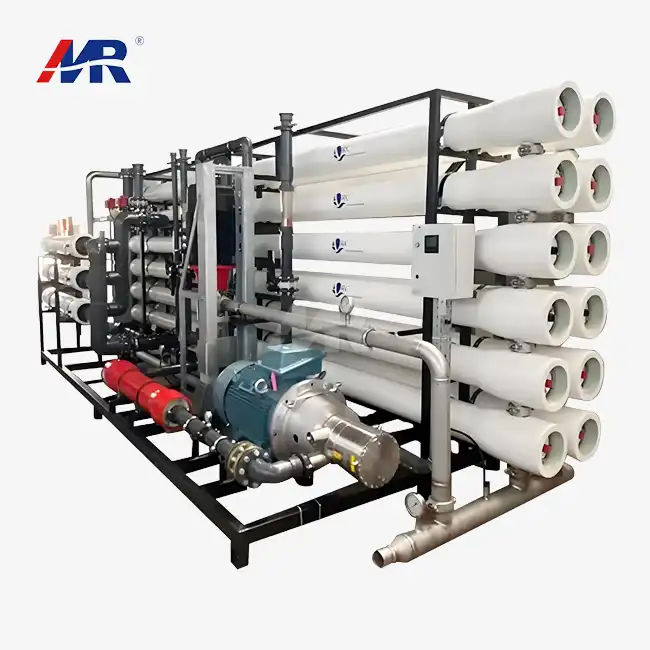 VIEW MORE45m3/hour seawater desalination system
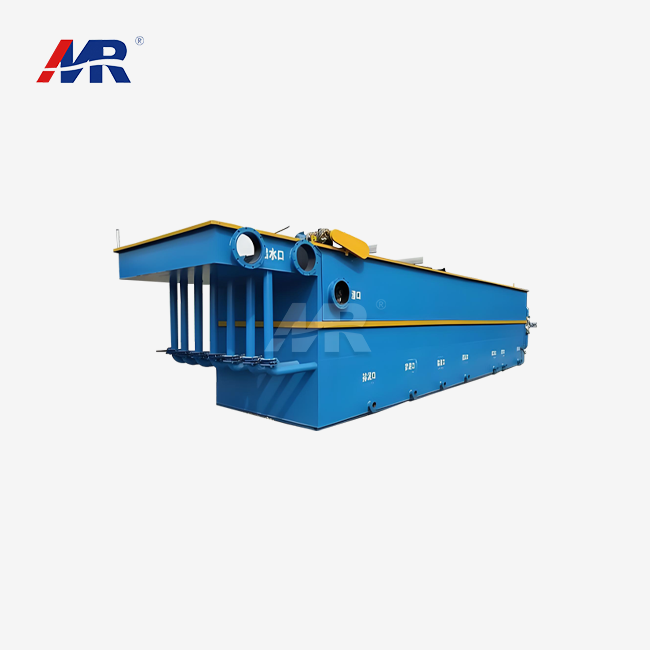 VIEW MOREadvanced wastewater treatment system
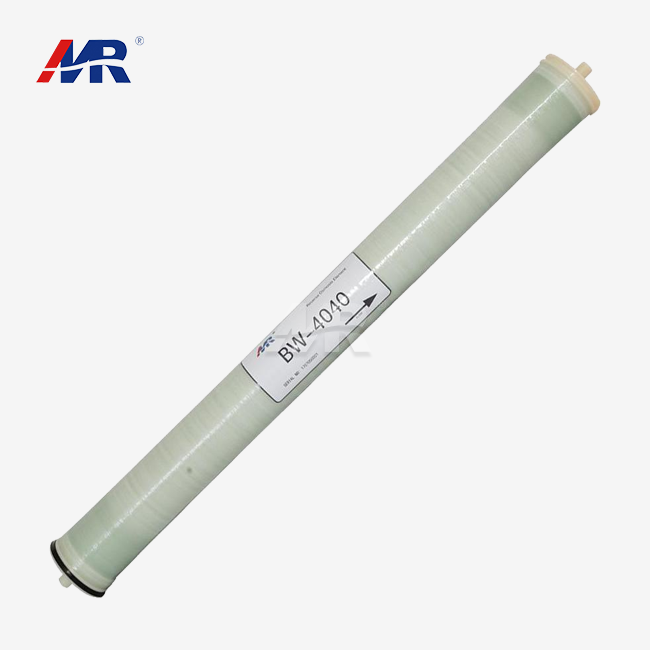 VIEW MORE4040 reverse osmosis membrane
 VIEW MOREswro membrane
 VIEW MOREreverse osmosis membrane
 VIEW MOREdomestic wastewater treatment plant
 VIEW MORELeachate DTRO Treatment Equipment
 VIEW MORE1000LPH EDI equipment
