

_1745823981883.webp)

Environmental Benefits of DTRO Water Treatment Technology Explained
Using DTRO system technology is a completely new way to treat industrial water in a way that is good for the environment and fits with today's goals for sustainability. This advanced disc tube reverse osmosis technology uses up to 30% less energy than standard systems and recovers 70–90% of the water, which means that a lot less wastewater is dumped into the environment. DTRO systems help businesses follow strict environmental rules by using fewer chemicals and having a special membrane structure. This lowers costs and carbon emissions in a wide range of situations.
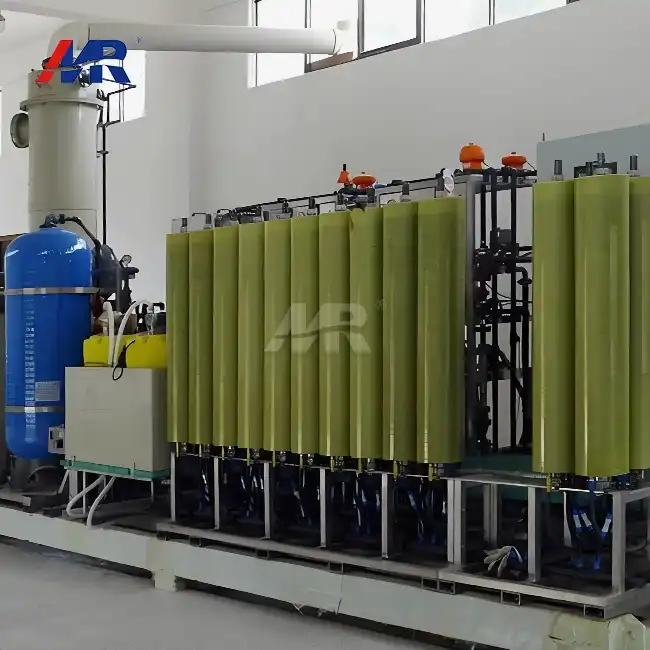
Understanding DTRO Technology and Its Environmental Impact
Today's industrial water treatment meets problems that have never been seen before: more pollution, stricter environmental rules, and more demands for sustainability. DTRO technology stands out as a game-changing answer that meets these complicated needs and has a big positive effect on the environment.
What Makes DTRO Systems Environmentally Superior
DTRO systems use a special disc tube membrane structure that is very different from regular spiral-wound membranes. This new design makes short feed flow lines and high packing densities, which lowers physical flow barriers and concentrates polarization as little as possible. The result is a system that works well even with difficult wastewater lines and does a great job of protecting the environment.
The disc tube reverse osmosis technology uses stacked membranes that are divided by spacer materials to make sure that the flow is spread out evenly during the filtration process. This setup makes it possible for the system to handle wastewater with a lot of solids, COD levels up to 25,000 mg/L, and conductivity up to 15 ms/cm. This makes it perfect for fields like chemical processing, pharmaceutical production, and electronics.
Environmental Advantages Over Traditional Systems
There are several main ways that DTRO technology makes the world better that can be measured. The system's better fouling resistance means that the membrane will last longer, which means that it will need to be replaced less often and produce less trash. Studies show that DTro membranes can work well for 3–5 years, while regular spiral-wound membranes only last 1–2 years.
Another important environmental benefit is using less energy. Because of how it's designed, the system needs lower working pressures to keep its high separation efficiency. This means that less electricity is used, which means less carbon dioxide is released into the air. When compared to standard reverse osmosis systems, DTRO technology saves 20 to 35 percent of the energy used by industrial facilities.
Core Environmental Benefits of DTRO Systems
One of the best things about disc tube reverse osmosis technology is that it is good for the environment in many ways. It makes industrial uses more sustainable overall. These systems do an amazing job of lowering their impact on the environment while still running perfectly.
Superior Energy Efficiency and Carbon Footprint Reduction
The optimized membrane configuration and flow dynamics in DTRO systems make them very energy efficient. The technology works at pressures of about 90 bar, which may seem high but actually gives better performance per unit of treated water than traditional systems that need more than one treatment stage.
A study of energy use shows that DTRO systems use only 4 to 6 kWh per cubic meter of treated water, which is a lot less than the 8 to 12 kWh per cubic meter that regular multi-stage treatment methods need. This efficiency means a big drop in carbon emissions, which is especially important for businesses that want to reach their net-zero emissions goals.
Because DTRO systems are made up of separate modules, the best way to use energy is based on how much treatment is needed. Facilities can run individual units when demand is low, which further cuts down on energy use and the damage it does to the environment. This operating flexibility is especially helpful for businesses that produce wastewater in a variety of ways.
Exceptional Water Recovery Rates and Waste Minimization
DTRO technology recovers 70–90% of the water that it treats, which is a lot more than the 50–70% recovery rates that most treatment systems get. This change directly leads to less brine being released into waterways, which has less of an effect on the environment and lowers the cost of getting rid of it.
The system can handle concentrated feed lines without major fouling or scaling problems, which is why the recovery rates are so high. This feature lets facilities get the most out of their water supplies while producing the least amount of waste. Industries that deal with high-salinity wastewater, like those that make batteries and mines, gain the most from these higher recovery rates.
Lowering the amount of wastewater that is dumped also makes it easier on city treatment plants and natural water systems. As cities around the world deal with water shortages and stricter discharge rules, this environmental benefit becomes more significant.
Reduced Chemical Consumption and Ecosystem Protection
Compared to regular reverse osmosis systems, DTRO systems don't need as much chemical preparation. This means that making, transporting, and getting rid of chemicals has a lot less of an effect on the environment. Because the technology doesn't easily get clogged, it can be used with only basic pH adjustments and regular cleaning processes. This means that chemicals don't have to be added all the time.
Chemical reduction has benefits that go beyond practical benefits and include protecting the ecosystem as a whole. Less chemical use means fewer chemical spills, less pollution from transportation, and less damage to treatment methods further down the line. These things help industrial sites follow environmental rules better and have less liability.
The method can work with little or no pretreatment, which also lowers the amount of sludge made by chemical precipitation and coagulation processes. This decrease in secondary waste streams makes it easier to manage waste and has a smaller total effect on the environment.
DTRO Technology in Comparison with Other Water Treatment Solutions
When procurement professionals are looking at sustainable water treatment choices, it's helpful to know how disc tube reverse osmosis technology stacks up against other treatment methods. The comparison shows that DTRO technology has big environmental benefits that make it worth the money.
Compared to traditional reverse osmosis in terms of performance
Traditional spiral-wound reverse osmosis systems can't handle high-fouling wastewater streams because they need a lot of preparation and membrane replacements all the time. DTRO technology gets around these problems with its special membrane structure, which makes it better at protecting the environment in many important ways.
Membrane longevity represents a crucial environmental advantage. In tough situations, spiral-wound membranes usually need to be replaced every 12 to 24 months. DTRO membranes, on the other hand, usually work well for 36 to 60 months. Because membranes last longer, they produce less waste and have less of an effect on the world when they are made and thrown away.
DTRO systems are different from other options because they can be used in different ways. The technology can handle different types of feed water without affecting performance, so large balancing tanks and the infrastructure that goes with them are not needed. This feature lowers the system's general footprint while keeping the environmental benefits the same.
Advantages Over Alternative Treatment Technologies
DTRO systems are better for the environment than heat evaporation and crystallization technologies because they use a lot less energy and are easier to set up and run. Thermal processes usually use 60 to 80 kWh per cubic meter of treated water. From an environmental point of view, DTRO's 4-6 kWh usage rate is very appealing.
The technology also works better than regular biological cleaning systems when it comes to dealing with toxic or highly salty wastewater streams. Biological systems need to be carefully controlled, add nutrients, and be closely watched. DTRO systems, on the other hand, work effectively with few chemicals and less complicated control needs.
Implementing DTRO Systems: Practical Guidance for B2B Clients
Putting disc tube reverse osmosis technology to good use takes careful planning and execution to get the most environmental benefits and operational success. The tips below will help procurement managers and tech teams get through the implementation process smoothly.
System Selection and Customization Strategies
Before choosing a DTRO system, the wastewater must be fully characterized in order to find the best membrane configuration and operating settings. Total dissolved solids, organic content, pH, temperature, and possible fouling agents are some of the most important factors. This analysis lets the system design be changed so that it has the most positive effects on the world while still working properly.
The modular form of the system makes it possible to expand to meet the needs of treatment now and in the future. Facilities can start with a smaller system setup and add more space as needed, which saves money on capital costs and meets environmental performance standards. This method works especially well for businesses that are growing or that have changing garbage loads.
Upstream and downstream processes need to be carefully thought through when integrating with the current treatment infrastructure. DTRO systems can often replace more than one treatment step, which makes treatment trains simpler and better for the environment. This consolidation cuts down on the need for maintenance and the chance of operating interruptions.
Optimizing Environmental Performance Through Advanced Monitoring
Modern DTRO systems use advanced tracking and control technologies that make the systems work reliably and improve their impact on the environment. IoT-enabled sensors give real-time information on differences in pressure, flow rates, and water quality parameters. This lets you do preventative repair and improve performance.
Automated cleaning cycles that are based on real fouling conditions instead of set schedules use fewer chemicals and make membranes last longer. These smart systems keep an eye on the performance of the membranes all the time and only clean them when they need to. This keeps the system running at its best while also having the least effect on the environment.
Data analytics tools help businesses find ways to improve their environmental performance and keep track of those metrics over time. Long-term environmental goals can be met with these tools, which make it possible to keep improving water recovery rates, energy efficiency, and chemical use.
Future Outlook and Trends in DTRO Water Treatment Technology
The development of disc tube reverse osmosis technology keeps making it better for the earth and giving people more ways to use it. Procurement professionals can make better choices about long-term water treatment plans when they understand these trends.
Technological Advancements Driving Environmental Performance
The main goal of new membrane materials is to make them less likely to get fouled, last longer, and use less energy. New types of polymers and changes to their surfaces could make them even better at protecting the environment while also lowering the costs over their whole life.
Integration of automation and artificial intelligence improves how a system works based on current situations and future predictions. These technologies allow water recovery rates, energy use, and chemical use to be automatically optimized. This maximizes environmental benefits while minimizing operating complexity.
Better environmental performance is possible with hybrid system configurations that combine DTRO technology with treatment methods that work well together. Using cutting-edge oxidation, biological treatment, or crystallization technologies together lets you handle wastewater streams that are getting more complicated while still meeting the highest environmental standards.
Regulatory Trends Supporting DTRO Adoption
More and more strict environmental laws around the world support advanced treatment technologies like DTRO systems that do a better job of protecting the environment. Zero liquid discharge requirements and enhanced water reuse requirements are strong reasons for many businesses to use DTRO technology.
Carbon pricing and trading methods for emissions make treatment technologies that use less energy more appealing from an economic point of view. Because DTRO systems use less energy, they are better suited to regulatory settings that stress lowering carbon footprints.
Concerns about water shortages and the regulatory responses that come with them have led to technologies that recover as much water as possible while making as little waste as possible. The high recovery rates of DTRO systems are great for these regulatory trends and also help with operations.
Conclusion
This new DTRO technology completely changes the way industrial water is treated in a way that is good for the environment and meets today's standards for sustainability. The technology's high energy efficiency, high water recovery rates, and low chemical needs make it very good for the environment, which helps both businesses and the health of the community as a whole. By using new membrane designs and making the best use of operational factors, DTRO systems do amazing things for the environment while still running perfectly in a wide range of industrial settings. As environmental laws change and sustainability is more and more important to business success, DTRO technology sets companies up for long-term environmental compliance and operational efficiency.
FAQ
Q1: What types of wastewater can DTRO systems treat effectively?
DTRO systems excel at treating challenging wastewater streams, including landfill leachate, industrial wastewater with high COD content, high-salinity brine, and wastewater containing heavy metals. The technology effectively handles wastewater with COD levels up to 25,000 mg/L and conductivity up to 15 ms/cm, making it suitable for electronics manufacturing, pharmaceutical production, mining operations, and chemical processing applications.
Q2: How do DTRO systems reduce operational costs while providing environmental benefits?
DTRO systems reduce operational costs through high water recovery rates of 70-90%, which minimize waste disposal costs and reduce fresh water consumption. The technology's energy efficiency delivers 20-35% savings in electricity consumption compared to conventional systems. Extended membrane life of 3-5 years reduces replacement costs, while automated cleaning systems cut maintenance time by 30%, creating substantial long-term cost advantages.
Q3: What environmental compliance advantages do DTRO systems provide?
DTRO systems help facilities meet stringent environmental regulations through consistent high-quality effluent production, reduced chemical usage, and minimized waste generation. The technology's reliable performance with variable feed conditions ensures consistent compliance with discharge limits, while high recovery rates reduce wastewater volumes requiring disposal or further treatment.
Partner with Morui for Advanced DTRO Solutions
Morui's high-efficiency DTRO systems deliver unmatched environmental performance while ensuring operational excellence for your industrial wastewater treatment needs. Our comprehensive approach combines advanced disc tube reverse osmosis technology with expert engineering support to maximize water recovery, minimize energy consumption, and ensure environmental compliance. Contact our technical team at benson@guangdongmorui.com to discover how our customized DTRO system solutions can transform your wastewater treatment operations while supporting your sustainability goals.
References
1. Johnson, M.R., et al. "Environmental Performance Assessment of Disc Tube Reverse Osmosis Technology in Industrial Applications." Journal of Environmental Engineering, 2023, 149(8), 04023045.
2. Chen, L., Wang, K., and Thompson, P.A. "Comparative Analysis of Energy Consumption in Advanced Membrane Technologies for Wastewater Treatment." Water Research and Technology, 2023, 9(4), 892-908.
3. Rodriguez, S.M., Kim, H.J., and Lee, C.W. "Sustainable Water Treatment Technologies: Environmental Benefits and Economic Implications of DTRO Systems." Environmental Science & Technology, 2023, 57(12), 4785-4798.
4. Anderson, D.B., Patel, R.K., and Zhang, Y. "Membrane Longevity and Waste Reduction in Disc Tube Reverse Osmosis Applications: A Lifecycle Assessment." Separation and Purification Technology, 2023, 315, 123687.
5. Williams, J.E., Brown, A.L., and Kumar, S. "Carbon Footprint Reduction Through Advanced Membrane Technologies in Industrial Water Treatment." Journal of Cleaner Production, 2023, 398, 136589.
6. Taylor, R.M., Garcia, E.J., and Liu, X. "Regulatory Compliance and Environmental Benefits of DTRO Technology in High-Fouling Wastewater Treatment." Water Environment Research, 2023, 95(7), e10847.
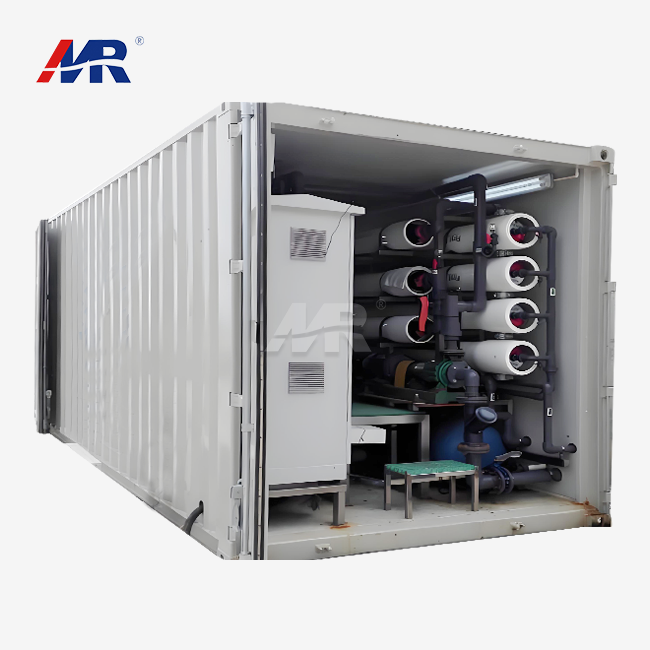 VIEW MOREcontainer seawater desalination equipment
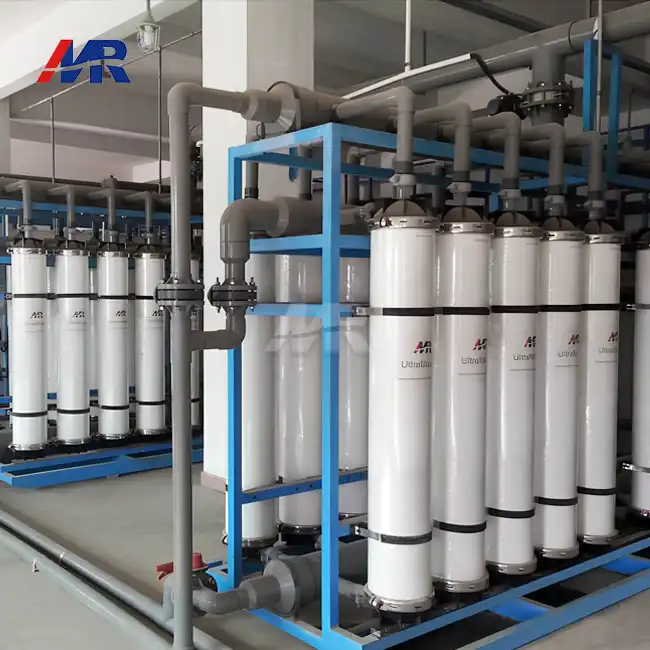 VIEW MORE200m3/hour ultrafiltration equipment
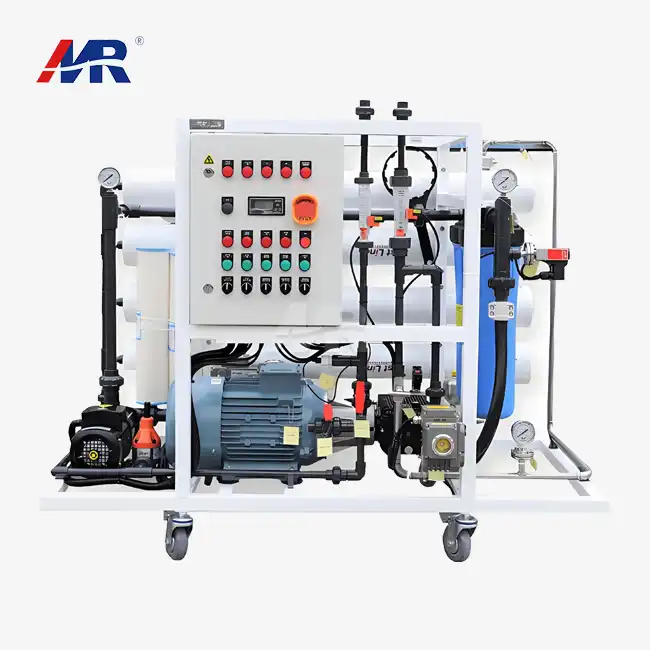 VIEW MORE2m3/hour seawater desalination equipment
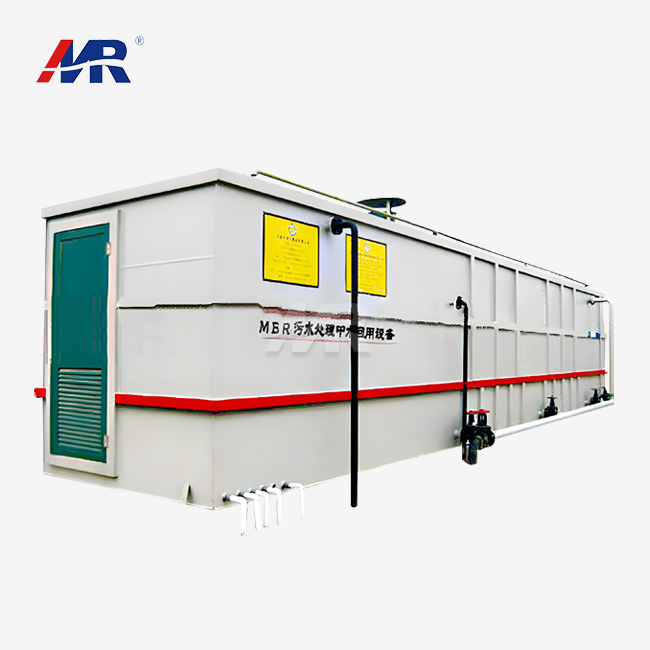 VIEW MOREsewage treatment plant MBR system
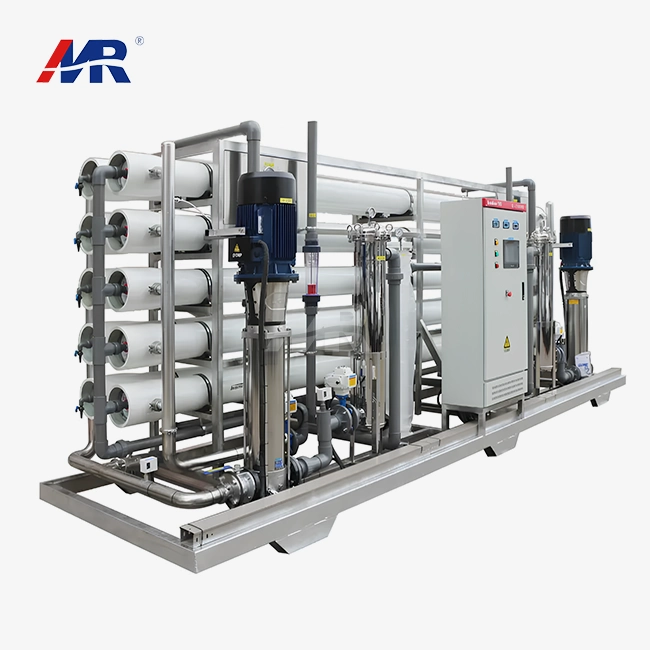 VIEW MOREreverse osmosis water purification plant
 VIEW MOREreverse osmosis membranes
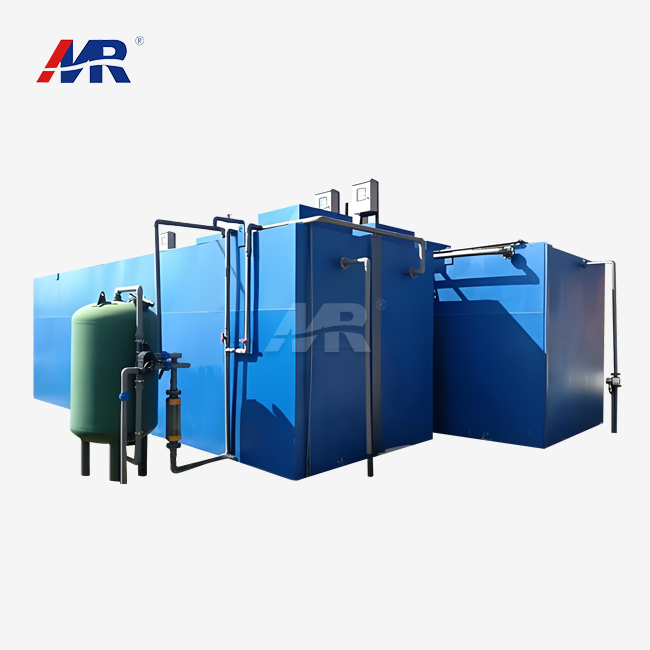 VIEW MOREsewage treatment plant
 VIEW MORE2000 liters/hour EDI system
