

_1745823981883.webp)

Reverse Osmosis Wastewater Treatment in Food and Beverage Industry
The food and drink business creates complicated wastewater streams with dissolved toxins, organic molecules, and floating solids that need specific ways to be treated. Using semipermeable filters to get rid of pollution at the molecular level, reverse osmosis wastewater treatment is a revolutionary method that solves these problems. This advanced filtration process is becoming more and more important for food companies that want to follow strict environmental rules and meet their goals for sustainable water recovery and reuse in their production sites.
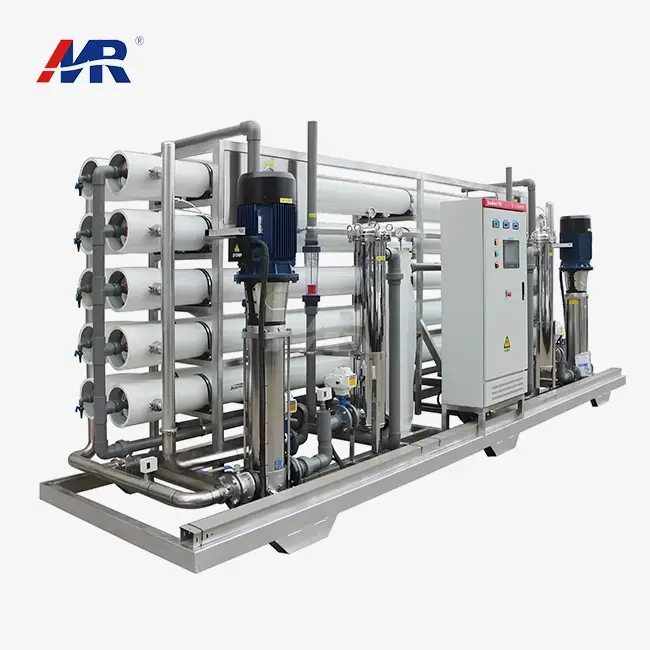
Understanding Reverse Osmosis Wastewater Treatment in Food and Beverage
How Reverse Osmosis Technology Works
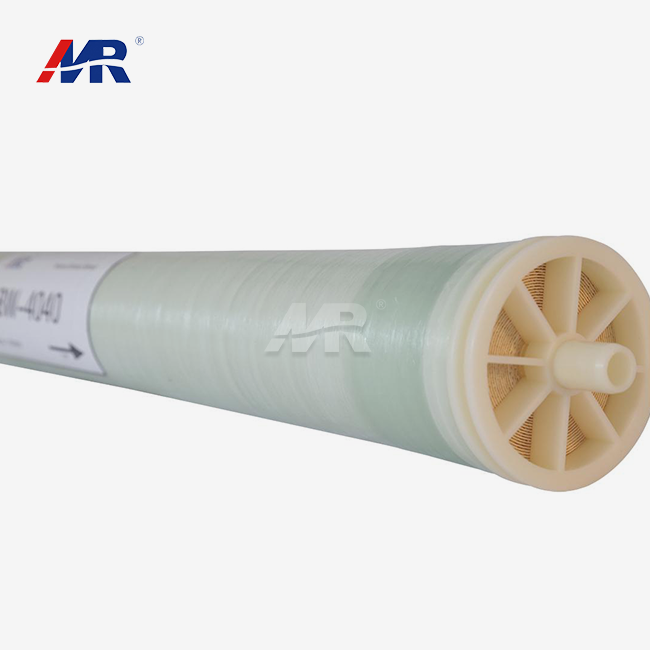
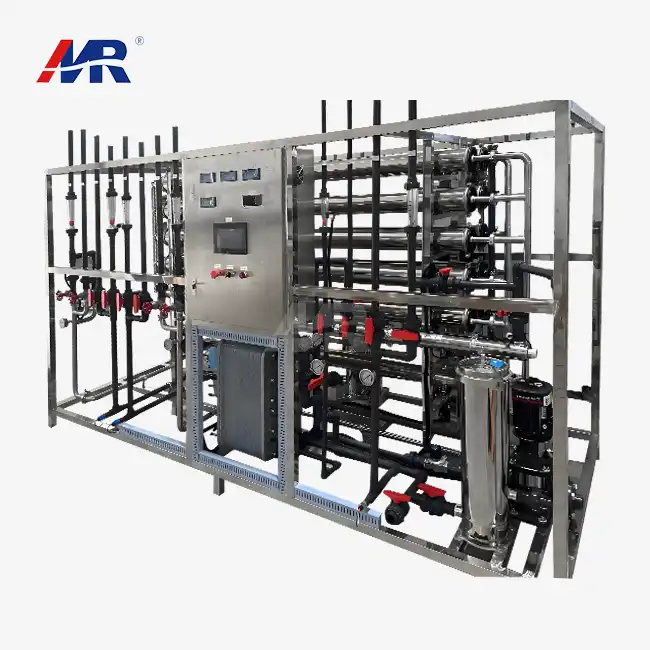
When reverse osmosis works, semipermeable screens filter out contaminants at the molecular level, making sure that the water is very pure. During the process, pressure is used to push tainted water through special membrane barriers. These barriers only let clean water molecules through while blocking dissolved salts, chemical compounds, and scattered particles. Because it separates molecules, RO technology is great for cleaning complex wastewater streams from food and drinks.
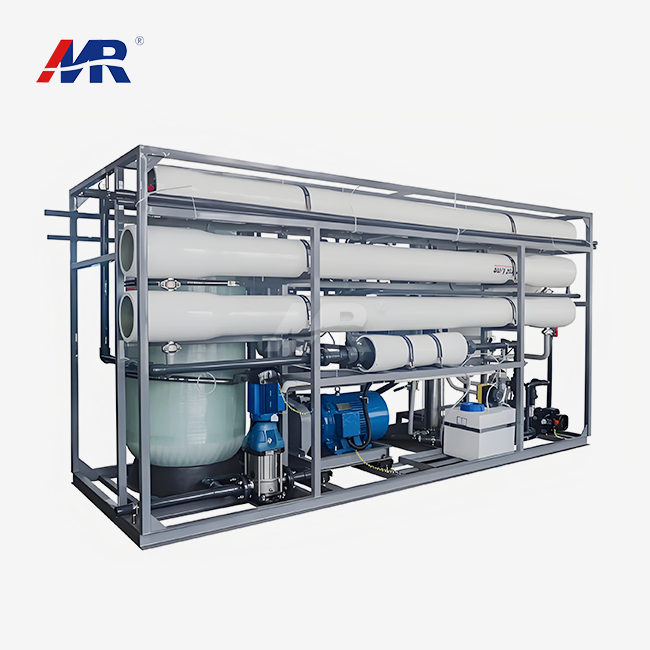
Usually, the stepwise treatment process starts with basic screening and grit removal. Next, bigger particles are removed during primary clearing. In the main RO treatment stage, high-pressure pumps move water through membrane modules, which remove a huge amount of contaminants. Modern RO systems in food processing plants often have more than one membrane stage to get the most water back while keeping the quality of the permeate constant.
Membrane Selection and Performance
Choosing the right membrane has a big effect on how well the reverse osmosis wastewater treatment system works. For food business uses, thin-film composite and cellulose acetate are the best choices. Thin-film hybrid membranes are great at getting rid of dissolving salts and organics, which makes them perfect for wastewater from beverage processing. Cellulose acetate membranes are very resistant to chlorine and can work well with some food preparation streams that still have leftover cleaners in them.
Performance information from sites in the food business shows that RO systems can get rid of up to 95% of COD and 99% of BOD. These amazing removal rates help food companies follow the rules for water release while also making it possible to recover water for non-essential tasks like cleaning equipment and cooling towers.
Advantages of Reverse Osmosis Over Traditional Wastewater Treatment Methods
Superior Contaminant Removal Capabilities
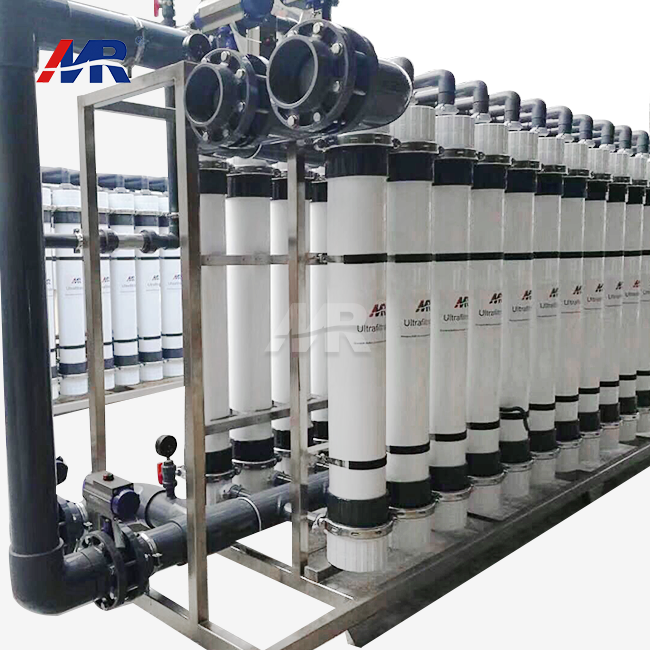
Conventional treatment methods like activated carbon filters or basic biological treatment are not as good at getting rid of contaminants as reverse osmosis. It is better at getting rid of a wider range of contaminants. Ultrafiltration removes solids in the water that are floating and bigger molecules. RO technology also gets rid of dissolved salts, small organic molecules, and tiny contaminants that other methods can't.
Because the technology can work with different types of feedwater, it is especially useful for food and drink factories that have changing production plans and waste stream makeup. Unlike biological treatment systems that need steady factors like loading and temperature, RO systems keep working well even when the characteristics of the wastewater change.
Environmental and Economic Benefits
When compared to traditional cleaning methods, reverse osmosis technology for reverse osmosis wastewater treatment is much better for the environment because it uses less energy and produces less sludge. Modern RO systems use only 0.3 to 0.5 kWh per cubic meter of treated water, which is a big difference in terms of energy savings compared to other types of water treatment.
The economic benefits go beyond practical savings. They also include lower waste costs and the possibility of making money by reusing water. When food producers use RO technology, they can often get 70–85% of the water they use back. This means they need a lot less freshwater and garbage to be dumped. This double benefit is becoming more valuable as water becomes more scarce and the cost of release permits keeps going up.
Designing and Selecting the Right Reverse Osmosis System for Food and Beverage Wastewater
Critical Design Considerations
To choose the right RO system, you need to carefully look at the feedwater makeup, the quality you want the waste to be, and the operating scale needs. The wastewater from food processing plants usually has a lot of organic substances, oils, and dissolved solids, which means it needs to be treated in a certain way before it can be used again. To choose the best membrane and set up the system, system builders have to look at things like the temperature of the feedwater, changes in pH, and possible fouling chemicals.
Different parts of the food business have very different treatment capacity needs for reverse osmosis wastewater treatment. Our systems are made to handle amounts of 1,000 to 100,000 cubic meters per day. This scalability makes sure that the right solutions are found for all kinds of businesses, from small specialty food makers to big drinks factories. When production needs increase or release standards get stricter, modular system designs can be used to make the system bigger.
Financial Considerations and Procurement Options
To find the total cost of ownership, the financial analysis looks at budgets for capital spending, running costs, and upkeep. RO systems cost more to buy at first than other types of treatment, but they usually pay for themselves within three to five years thanks to the money they save on operations and the water they recover.
Different clients' budgets and risk tolerances can be accommodated by a variety of flexible buying choices, such as equipment rental and performance-based contracts. These deals make it possible for smaller food companies to use contemporary treatment technology without having to pay a lot of money up front. They also ensure that the system will work.
Case Studies and Practical Applications of RO in Food and Beverage Wastewater Treatment
Dairy Processing Success Stories
A large dairy processing plant put in our RO wastewater treatment system to deal with strict release rules and high levels of organic matter. The plant was able to remove 98% of BOD and 94% of COD, which allowed the facility to meet local discharge standards while also recovering 80% of the treated water to use again in cleaning.
Because of lower groundwater prices and release fees, the project saved more than $200,000 a year. The small size of the device also made it possible to put it in a building that had limited space without stopping production.
Beverage Manufacturing Applications
A regional company that makes drinks had trouble with its trash because it had different kinds of drinks, like soft drinks, soups, and energy drinks. Our unique RO system had advanced prep and membrane configurations to deal with changing organic loads and changes in output throughout the year.
Up to 95% of phosphorus and 90% of nitrogen were regularly removed by the installation. This made it possible to follow the stricter nutrient release limits. The automatic operation of the system cut down on the need for workers while keeping treatment performance uniform, even when production plans changed.
Lessons Learned and Best Practices
These examples show how important it is to fully characterize the feedwater and create the right preparation for reverse osmosis wastewater treatment. Regular cleaning procedures for the membrane and proactive maintenance schedules are necessary to keep the system running well and extend the life of the membrane. Facilities that get the best results usually have automatic tracking systems that keep an eye on key performance measures and let workers know about any problems before they affect the treatment's effectiveness.
Conclusion
When compared to older treatment methods, reverse osmosis wastewater treatment is a game-changer for the food and beverage business. It gets rid of contaminants more effectively and has big environmental benefits. Being able to remove waste very efficiently while also recovering a lot of water makes the technology an important part of the environmentally friendly industry. As environmental laws get stricter and the cost of water rises, RO technology becomes more useful for food companies that want to stay ahead of the competition while also meeting their legal obligations and sustainable goals.
FAQ
Q1: How often do RO membranes require replacement in food processing applications?
Membrane replacement frequency depends on feedwater characteristics and operating conditions, but typically ranges from 2-5 years with proper pretreatment and maintenance. Regular cleaning protocols and monitoring can extend membrane life significantly.
Q2: Can RO systems handle varying wastewater volumes during seasonal production changes?
Yes, our modular system designs accommodate flow variations through automated controls and variable frequency drives that adjust system capacity based on actual wastewater volumes while maintaining treatment efficiency.
Q3: What pretreatment is required for food and beverage wastewater before RO treatment?
Typical pretreatment includes screening, oil separation, pH adjustment, and sometimes biological treatment, depending on organic loading. Our engineers design customized pretreatment sequences based on specific wastewater characteristics.
Partner with Morui for Advanced Reverse Osmosis Solutions
Guangdong Morui Environmental Technology Co., Ltd delivers industry-leading reverse osmosis wastewater treatment systems specifically designed for food and beverage manufacturers seeking reliable, cost-effective solutions. Our proven expertise as a trusted reverse osmosis wastewater treatment supplier enables us to provide customized systems that meet your exact specifications while ensuring optimal performance and regulatory compliance. Contact our engineering team at benson@guangdongmorui.com to discuss your wastewater treatment challenges and discover how our innovative solutions can transform your operations.
References
1. Chen, L., Wang, H., & Zhang, M. (2023). "Advanced Membrane Technologies for Food Industry Wastewater Treatment: Performance Evaluation and Economic Analysis." Journal of Environmental Engineering, 149(8), 04023045.
2. Rodriguez, A., Kim, S., & Thompson, J. (2022). "Reverse Osmosis Applications in Beverage Manufacturing: Case Studies and Best Practices." Water Treatment Technology Review, 18(3), 245-262.
3. Smith, R., Anderson, K., & Liu, Y. (2023). "Membrane Fouling Control in Food Processing Wastewater Treatment Systems." Industrial Water Treatment Quarterly, 31(2), 78-95.
4. Johnson, P., Williams, D., & Brown, S. (2022). "Economic Benefits of Water Reuse in Food Manufacturing Through Advanced Membrane Treatment." Environmental Economics and Policy, 14(4), 412-428.
5. Garcia, M., Taylor, R., & Wilson, C. (2023). "Regulatory Compliance and Environmental Impact of RO Technology in Food Industry Applications." Environmental Compliance Journal, 28(6), 156-174.
6. Lee, K., Davis, A., & Martinez, L. (2022). "Membrane Selection Criteria for Food and Beverage Wastewater Treatment: A Comprehensive Guide." Membrane Technology Today, 45(9), 332-349.
 VIEW MOREmembrane bioreactor mbr
 VIEW MOREElectrodeionization system
 VIEW MORELandfill Leachate Treatment System
 VIEW MOREindustrial reverse osmosis membrane
 VIEW MOREseawater treatment plant
 VIEW MOREultrafiltration water system
 VIEW MOREbiological reactor wastewater treatment
 VIEW MORE2000 liters/hour EDI system
