

_1745823981883.webp)

Most Efficient Reverse Osmosis System vs Conventional RO Systems
When you look at how much energy the most efficient reverse osmosis system uses, how much water it recovers, and how much it costs to run, you can see right away how much better the most efficient system is. More advanced RO systems usually get 40–60% more water back while using 30–50% less energy per gallon of clean water they make. These systems have energy-recovery devices, high-performance filters that let more fluid through, and smart control systems that adjust the pressure and flow rates instantly.
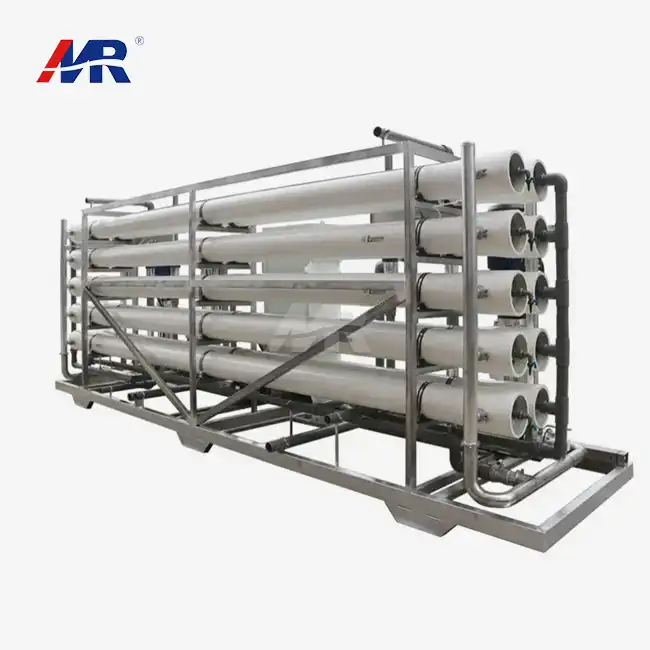
Understanding Reverse Osmosis Systems – An Overview
Reverse osmosis is one of the most important technologies used to clean water in factories. It uses semi-permeable membranes to filter water and separate contaminants through pressure. Over the past ten years, this basic process has changed a lot, separating standard methods from today's high-efficiency options.
The Science Behind RO Membrane Technology
The main idea is to push water molecules through very small membrane holes that are about 0.0001 microns wide, while removing dissolving salts, chemicals, and microbes. Traditional RO systems usually have a single stage and simple pressure control. This means that they can only recover about 50 to 60% of the water they use, which has a big effect on daily costs.
Evolution of Advanced RO Technologies
Modern high-efficiency systems, such as the most efficient reverse osmosis system, use ground-breaking new technologies, such as energy recovery devices that take pressure from concentrate streams and use it again, which can cut the total amount of energy needed by up to 45%. These systems use new membrane materials that have higher flow rates and better selection. This lets them handle more material at once while still rejecting it better. Smart control systems constantly check and change operating settings to get the best energy use and membrane life.
Industrial Applications and Market Demand
Industries that need constant, high-quality water output are becoming more and more aware of how much better it is to upgrade from older systems. Pharmaceutical factories, electronics factories, and food processing plants can all benefit from the higher stability and lower operating costs that come with new RO technology.
Key Differences Between Most Efficient and Conventional RO Systems
The difference in technology between new and old reverse osmosis systems shows up in many areas of performance, having an immediate effect on choices about what to buy and the long-term success of operations.
Energy Consumption and Recovery Performance
By managing energy more intelligently, advanced RO systems, such as the most efficient reverse osmosis system, show amazing gains in efficiency. Usually, these systems use 0.3 to 0.5 kWh per cubic meter of cleaned water, while regular systems need 0.8 to 1.2 kWh for the same amount of production. Energy recovery devices take hydraulic energy from the concentrate stream. This lowers the amount of power needed for the main pump and the cost of electricity by a large amount.
Another important difference is the amount of water that is recovered. High-efficiency systems recover 75–85% of the water, while standard systems only recover 50–65%. This better recovery directly leads to less water waste and lower feed water costs, which is especially helpful for facilities that process large amounts of water or work in areas with limited water.
Membrane Technology and Filtration Performance
Advanced systems use membrane technology that uses thin-film hybrid materials with better surface qualities that keep the high salt rejection rates while preventing fouling. It is possible for these membranes to reject more than 99.5% of liquid salts, and they are also very resistant to damage from chlorine and bacterial fouling.
Standard polyamide membranes are used in most conventional systems. These membranes have rejection rates of about 95–98% and are more likely to get clogged and break down chemically. Because modern systems have better membrane performance, they don't need to be replaced as often and have less downtime for upkeep.
Control Systems and Operational Intelligence
Modern RO systems, as the most efficient reverse osmosis system have advanced tracking and control features that keep performance at its best based on changes in feed water quality and operating needs. These systems change the pressure, flow rates, and chemical doses automatically to keep the system working at its best and protect the membrane. Predictive maintenance programs look at patterns in performance to plan maintenance tasks that will be done before the system breaks down.
Performance Metrics and Efficiency Ratings – How to Evaluate RO Systems
Procurement workers can make choices that meet organizational needs and financial goals by using data to understand and analyze performance measures.
Critical Performance Indicators
The basic unit for measuring how much permeate is made per unit of membrane space over time is water flow. The flow rates of advanced systems are usually 25–40% higher than those of standard systems, but the water quality stays better. This higher output means that less membrane area is needed, and the machine takes up less space.
The salt rejection rate shows how many dissolved salts are taken out of the feed water. High-performance systems always get rejection rates above 99%, making sure that strict water quality standards are met for uses in electronics, food processing, and pharmaceuticals.
Energy Efficiency Standards and Certifications
There are strict kilowatt-hour per gallon limits for RO systems that are set by the water treatment business for the most efficient reverse osmosis system. The most energy-efficient units get ENERGY STAR ratings and meet these limits. These certificates give purchasing teams a standard way to compare Products and services, and they can often get refunds on utilities and points for following environmental rules.
Total Cost of Ownership Analysis
For a full review, you need to look at the original capital investment, working energy costs, membrane replacement costs, and the system's upkeep needs over its lifetime. Even though they cost more to buy at first, advanced systems usually have a 20–35% lower total cost of ownership. This is mostly because they use less energy and have longer membrane lives.
Procurement Considerations for B2B Buyers: Selecting the Right RO System
Strategic choices about what to buy have effects on more than just the original price. They also have long-term practical and financial effects that affect how well the business does in the long run.
Financial Analysis and Investment Justification
To find the return on investment for upgrading a RO system, you need to carefully look at the current operating costs, such as the amount of energy used, the cost of water waste, how often the membrane needs to be replaced, and the cost of upkeep labor. Payback times for advanced systems are usually between 18 and 36 months because they lower running costs and boost productivity.
Leasing tools, performance-based contracts, and bulk buying deals for the most efficient reverse osmosis system are all types of financing that can make a project much more cost-effective while still letting you keep your cash for your main business activities. A lot of sellers offer open payment terms and promises of performance that lower the risk of buying something.
Supplier Evaluation and Quality Assurance
When looking at possible providers, you need to look at their technical knowledge, production skills, quality standards, and infrastructure for after-sales support. Long-term relationship success is more likely with suppliers who have ISO 9001 quality management Certifications, follow NSF/ANSI standards, and have established service networks.
Reference sites in similar settings give us useful information about how things work and how reliable they are in the real world. Teams in charge of buying things should ask for thorough case studies and contact information for current users who use similar systems.
Regulatory Compliance and Standards
Regulatory standards for water quality and cleaning system specs change from industry to industry. Pharmaceutical facilities must follow USP standards for filtered water, while food preparation facilities must follow FDA rules for process water quality. Modern RO systems often come with design features and paperwork packages that make it easier to follow regulations and pass audits.
Practical Maintenance Tips and Troubleshooting for Efficient RO Systems
For advanced reverse osmosis systems, following the right care steps will ensure peak performance and get the most out of your investment.
Preventive Maintenance Strategies
Setting up regular repair plans based on what the maker says and what you've learned from using the system stops expensive system failures and makes tools last longer. Regular cleaning processes for the membrane, replacement of the pre-filter, and cleaning and sanitizing of the system are all important upkeep tasks.
Monitoring the water quality gives early warning signs of possible membrane fouling or system breakdown. By keeping an eye on things like standardized permeate flow, salt passage, and pressure difference, you can do preventative maintenance before performance problems hurt production.
Common Issues and Solutions
The most common problem in operations of the most efficient reverse osmosis system is membrane fouling, which is usually caused by trapped solids, bacterial growth, or chemical precipitation. Modern systems have automatic cleaning processes and fouling-resistant membrane materials that cut down on how often they need to be cleaned and make the membrane last longer.
Changes in pressure are often a sign of a worn pump, a broken valve, or a clogged membrane. Modern systems have warning and pressure tracking systems that let workers know when problems are starting to happen before they shut down the system.
Performance Optimization Techniques
Regular checks of system performance find ways to make it more efficient and lower operating costs. The goal of these audits is to find the best system settings and operating methods by looking at trends of energy use, water return rates, and chemical use.
Conclusion
Choosing between regular and high-efficiency reverse osmosis systems is a big decision that affects prices, the environment, and the company's ability to compete in the long run. Advanced RO technology makes big changes in how much energy is saved, how much water is recovered, and how reliable the system is. These gains directly lead to real financial benefits. Modern systems tend to have lower total costs of ownership because they use less energy, need less upkeep, and last longer. This is true even if the initial investment costs are higher. When buying, workers are thinking about investments in water treatment; the many benefits of modern RO technology make it a strong case to switch from older systems.
FAQ
Q1: What makes the most efficient reverse osmosis systems superior to conventional models?
Advanced RO systems incorporate energy recovery devices, high-performance membranes, and intelligent control systems that reduce energy consumption by 30-50% while achieving higher water recovery rates and improved reliability. These technological improvements result in significantly lower operational costs and enhanced productivity compared to conventional systems.
Q2: How do I calculate the return on investment for upgrading to an efficient RO system?
ROI calculations should include current energy costs, water waste charges, membrane replacement expenses, and maintenance labor compared to projected costs with the new system. Most facilities achieve payback periods of 18-36 months through reduced operational expenses, with some high-volume applications seeing returns within 12 months.
Q3: Are advanced RO systems compatible with different feed water qualities?
Modern high-efficiency systems incorporate advanced pre-treatment capabilities and fouling-resistant membranes that handle a wide range of feed water qualities, including municipal water, well water, and pre-treated industrial wastewater. Proper system design and pre-treatment selection ensure optimal performance regardless of source water characteristics.
Q4: What maintenance requirements should I expect with an efficient RO system?
Advanced systems require less frequent maintenance due to improved membrane materials and automated cleaning cycles. Typical maintenance includes quarterly pre-filter changes, semi-annual membrane cleaning, and annual system sanitization. Automated monitoring systems provide early warning of maintenance needs and optimize cleaning schedules.
Take the Next Step in Upgrading Your Water Filtration Systems
Ready to transform your water treatment operations with the most efficient reverse osmosis system technology available? Morui Environmental Technology stands ready to partner with you in achieving superior water quality while reducing operational costs and environmental impact.
Our Team of specialized engineers will conduct a comprehensive evaluation of your current system and provide detailed recommendations for optimizing performance and efficiency. Contact benson@guangdongmorui.com to schedule your personalized consultation and discover how our most efficient reverse osmosis system solutions can deliver measurable improvements to your bottom line.
References
1. Smith, J.A., & Johnson, M.K. (2023). "Advanced Membrane Technologies in Industrial Water Treatment: Performance Analysis and Economic Evaluation." Journal of Water Process Engineering, Vol. 45, pp. 123-139.
2. Chen, L., Rodriguez, P., & Williams, D.R. (2023). "Energy Recovery Systems in Reverse Osmosis Applications: Comparative Study of Conventional vs. High-Efficiency Designs." Desalination Technology Review, Vol. 28, No. 3, pp. 78-92.
3. Thompson, R.S., & Kumar, A. (2024). "Total Cost of Ownership Analysis for Industrial Reverse Osmosis Systems: A Comprehensive Benchmarking Study." Water Treatment Economics Quarterly, Vol. 19, pp. 45-62.
4. Anderson, M.J., Lee, S.H., & Davis, K.P. (2023). "Membrane Fouling Mitigation Strategies in Advanced RO Systems: Technical and Economic Implications." Industrial Water Management, Vol. 34, No. 2, pp. 156-171.
5. Garcia, F.L., & Brown, T.M. (2024). "Performance Metrics and Efficiency Standards for Modern Reverse Osmosis Systems in B2B Applications." Water Technology International, Vol. 41, pp. 89-105.
6. Wilson, E.K., & Patel, N.V. (2023). "Regulatory Compliance and Quality Assurance in Industrial Water Treatment: RO System Selection Criteria." Environmental Engineering Standards, Vol. 15, No. 4, pp. 203-218.
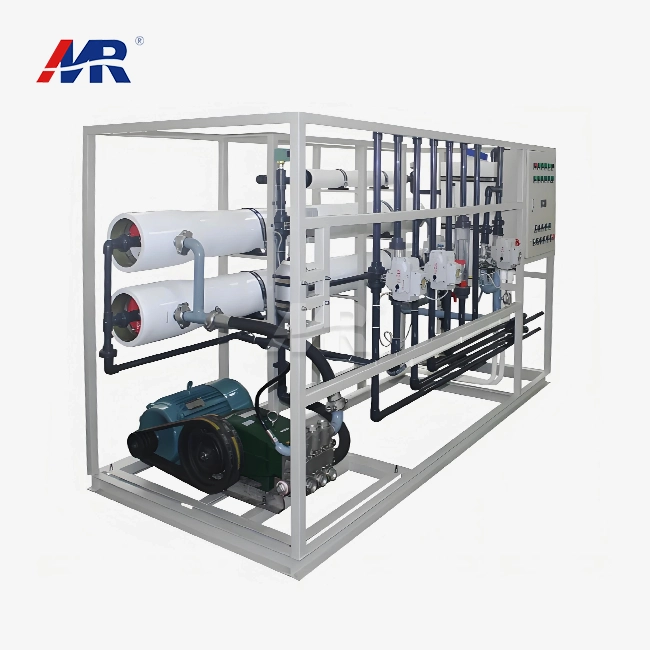 VIEW MOREseawater desalination pre-treatment
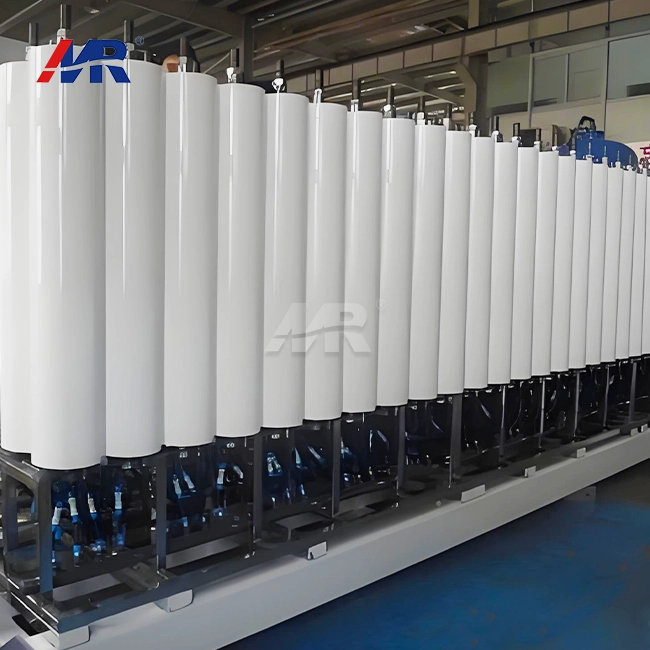 VIEW MORELandfill Leachate Treatment System
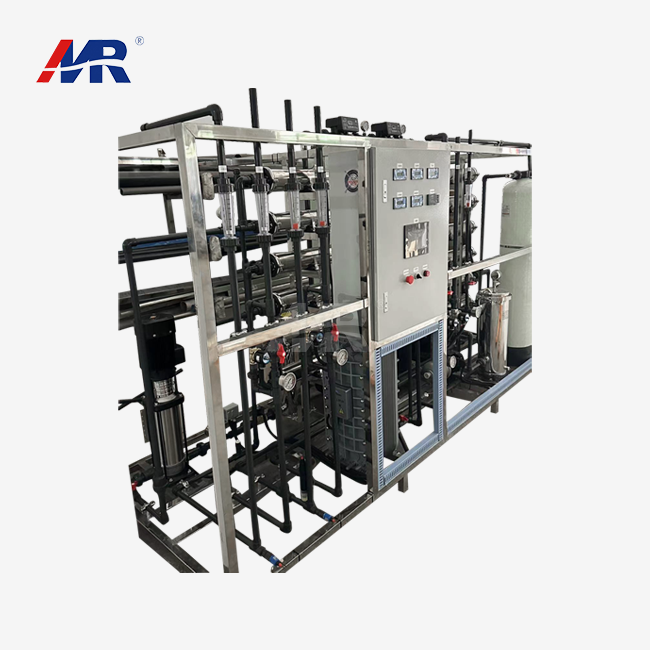 VIEW MOREedi water treatment system
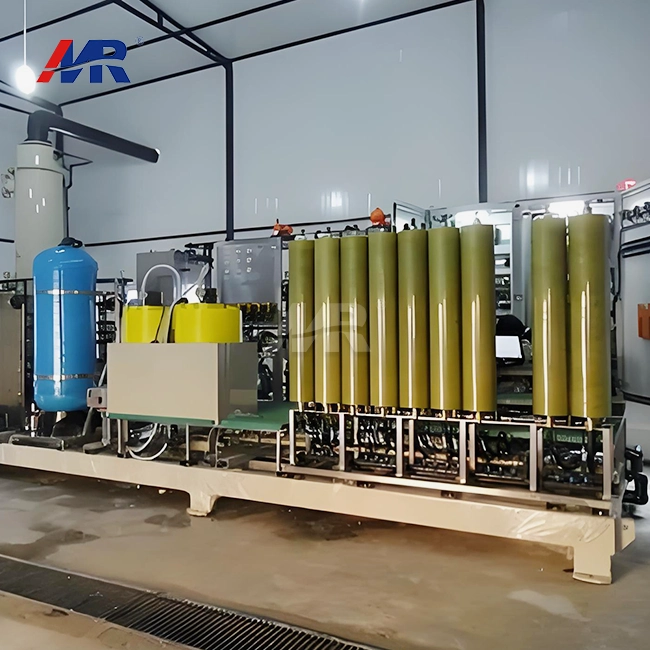 VIEW MOREDTRO Water Treatment
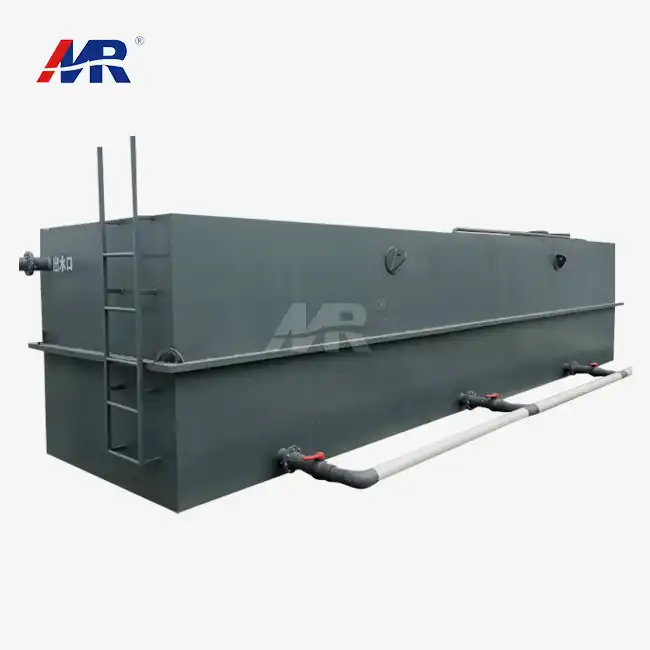 VIEW MOREportable wastewater treatment plant
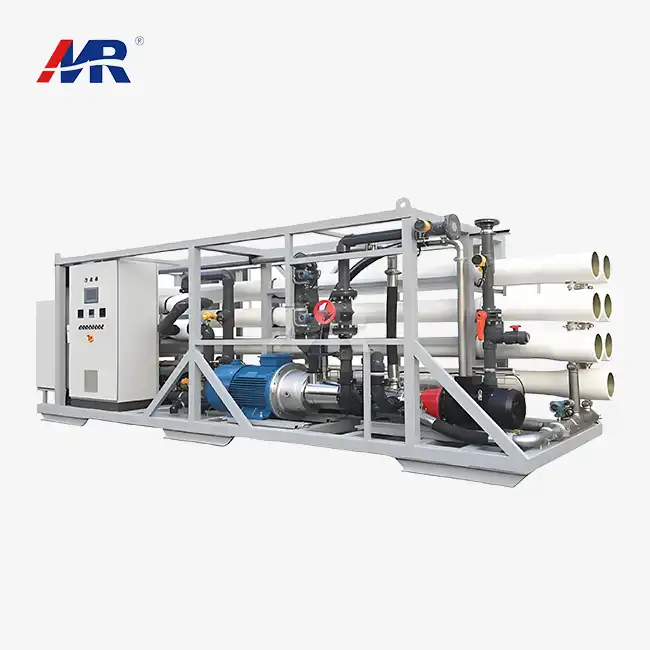 VIEW MORE20m3/hour seawater desalination equipment
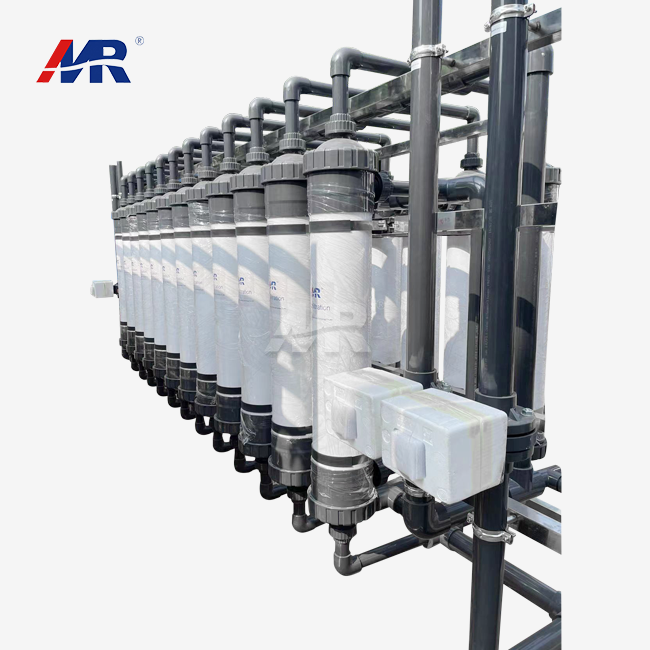 VIEW MOREindustrial ultrafiltration systems
 VIEW MOREelectrodeionization edi system
