

_1745823981883.webp)

Ultrafiltration Membranes vs Reverse Osmosis: Key Differences & Applications
The key distinctions between ultrafiltration membranes for water treatment and reverse osmosis systems are the size of the holes and their ability to filter. The ultrafiltration method removes pathogens, viruses, and suspended particles through larger holes (0.01-0.1 microns), while allowing dissolved minerals to pass through. The extremely tiny pores of reverse osmosis allow it to remove practically any impurity, including minerals and salts in solution. Because of this, it has many practical applications in industry.

Understanding Membrane Filtration Technologies
There has been a sea change in the way water is filtered because of advancements in membrane technology. Two new pressure-driven separation techniques, ultrafiltration and reverse osmosis, have evolved to address distinct issues with water treatment.
Crossflow filtration, in which the feed water flows parallel to the membrane surface, is the principle of ultrafiltration. This design has two advantages: it increases operating life and reduces membrane fouling. This approach is effective in removing viruses, bacteria, and colloidal particles ranging in size from 0.01 to 0.1 microns.
The semi-permeable membrane utilized in reverse osmosis effectively blocks the passage of nearly all dissolved chemicals. Compared to the ultrafiltration pressure range of 0.1 to 0.3 MPa, the necessary pressure range is from 15 to 75 bar. The pressure differential allows just water molecules to flow through the barrier, forcing out all other contaminants.
Ultrafiltration membranes for water treatment are superior to other methods when the goal is to remove contaminants while preserving beneficial minerals. To get water that is completely unfit for human consumption, reverse osmosis is the method to use.
Technical Specifications and Performance Comparison
Those making decisions about membrane solutions for particular applications benefit from having a firm grasp of the technical distinctions.
Testing the Size of Pores:
- Micron range: 0.01-0.1 for ultrafiltration
- One micron for reverse osmosis
- The intermediate nanofiltration size is 0.001 microns.
Pressure Needed for Operation:
- Ultrafiltration systems function between 0.1 and 0.3 MPa.
- It takes 1.5-7.5 MPa for reverse osmosis to occur.
- The relationship between pressure and energy consumption is linear.
Performance of the Flux Rate:
The ultrafiltration membranes for water treatment manufactured by Morui are capable of producing flux rates as high as 150 LMH. More output with less space needed for the membrane is the result of this high-performance capability. To get the same throughput, a bigger membrane system is needed for reverse osmosis, which often operates at 20-40 LMH.
Efficient Rate of Recovery:
Recovery rates of up to 95% are achieved by ultrafiltration systems, which maximize water consumption and minimize waste. The feed water quality and system design determine the reverse osmosis recovery rate, which can range from 50 to 85%.
There are several strong reasons to consider ultrafiltration if you value energy efficiency and excellent recovery rates. When it comes to purification, reverse osmosis is the way to go if you want the most effective removal of contaminants possible without sacrificing efficiency.
Industrial Applications and Use Cases
When choosing a membrane, it's important to keep in mind that various sectors have different water quality standards. The correct selection of technology is guided by an understanding of these applications.
Use Cases in the Manufacturing Sector:
Water that is both pathogen-free and mineral-rich is essential for the food and drink industry. Because they eliminate dangerous microbes without causing undue demineralization, ultrafiltration membranes are ideal for this kind of water treatment. Businesses that deal in bottled water stand to gain a lot from using this selective filtration method.
Extremely low bioburden water that complies with GMP standards is essential for the pharmaceutical and biotechnology industries. The best results are typically achieved with a combination of ultrafiltration and reverse osmosis systems, with the former acting as an efficient pretreatment.
Production of Electronics and Semiconductors:
Ultrapure water with a total dissolved solids level of 1 ppm is required for chip cleaning procedures. These exacting standards are met by using reverse osmosis in conjunction with electrodeionization (EDI). Important pretreatment, ultrafiltration, prevents fouling of downstream ro membranes.
Treatment of Municipal Water:
Ultrafiltration membranes for water treatment are being used more and more by water treatment plants to produce potable water. While preserving the water's inherent mineral content, these systems efficiently eliminate Giardia, Cryptosporidium, and other contaminants. No matter how the water is supplied, the technology ensures that the water remains of consistent quality.
Reusing and Treating Wastewater:
To treat wastewater more effectively, membrane bioreactors (MBRs) with ultrafiltration are now available. The effluent from these systems is of good enough quality to be reused in industry or released into the environment. Because of its small footprint, MBR technology is well-suited for locations with limited floor space.
Ultrafiltration usually works well for businesses involved in food production or public water supply. In order to remove salt or demineralize water, reverse osmosis is a must-have for your procedures.
Membrane Fouling and Maintenance Considerations
Both operational expenses and system dependability are influenced by the efficacy of fouling control. Maintenance procedures can be optimized by gaining an understanding of fouling mechanisms.
Characteristics of Ultrafiltration Fouling:
A cake layer forms on membrane surfaces after suspended particles removal, which can be easily removed by backwashing. With consistent flux rates across all operating cycles, the PVDF membrane materials from Morui show outstanding fouling resistance. The ability to clean chemically without damaging membranes is made possible by the chlorine-tolerant characteristics.
Approaches to Controlling Biofouling:
Backwashing regularly (every 30-60 minutes) stops fouling from building up permanently. Biofilms cannot form when sodium hypochlorite is used in chemically assisted backwashing. The cleaning techniques developed by Morui for membranes increase their operating longevity without sacrificing performance consistency.
How to Compare Maintenance Needs:
- Backwashing and chemical cleaning are performed regularly in ultrafiltration.
- Continuous operation with monthly chemical cleaning is required for reverse osmosis.
- Maintenance intervals: UF (3-5 years), RO (2-3 years)
Examination of Expenditures:
Due to the simplified cleaning needs, ultrafiltration membranes for water treatment systems usually show lower maintenance costs. Chemical cleaning processes for reverse osmosis systems are more involved and expensive to replace than those for other systems.
Ultrafiltration has many benefits, including reduced operational costs and easier maintenance processes. Reverse osmosis is a worthwhile investment if your application can handle the increased maintenance needs of high-quality water.
Economic and Environmental Impact Assessment
Sustainable technology selection is influenced by assessing long-term costs and environmental impact.
Analyzing Energy Use:
When compared to reverse osmosis, which uses 1-3 kWh/m³ of energy, ultrafiltration is more eco-friendly due to its low consumption of 0.1-0.2 kWh/m³. This distinction becomes crucial for industrial-scale systems that handle thousands of cubic meters per day.
Factors to Consider for Water Recovery:
By decreasing waste flow, high recovery rates lessen the environmental effect. Supporting sustainable water management objectives, Morui's ultrafiltration technologies provide water recovery rates of up to 95%. Proper disposal is necessary for the 15-50% concentration that is normally produced by reverse osmosis.
Duration of Operation:
Because membrane modules are expensive, substantial investments, their financial viability must be thoroughly considered. The improved polymer materials and refined production techniques used by Morui result in hollow fiber membranes that have a longer operational life.
Eco-Friendly Advantages:
By decreasing the generation of disinfection byProducts, these systems reduce the requirement for chlorination in many applications. The eco-friendly functioning of ultrafiltration helps with green manufacturing initiatives and keeps water safe.
Ultrafiltration membranes for water treatment are in line with CSR objectives if you value energy efficiency and environmental sustainability. Reverse osmosis provides the performance that is required if the water quality demands a greater level of energy consumption.
Choosing the Right Technology for Your Application
Water quality criteria, operational limits, and economic issues must be carefully evaluated before selecting a suitable membrane technology.
Decision-Making Structure:
Technology selection is guided by three fundamental distinctions:
- Needs for Contaminant Removal: Eliminating Pathogens vs. Total Dissolved Solids
- Power and running expenses: Differences between low-pressure and high-pressure operations
- Goals of water recovery: maximizing efficiency while maintaining acceptable waste generation
Suggestions for Specific Use Cases:
Because of its energy efficiency and ability to retain minerals, ultrafiltration is a great tool for agricultural irrigation. Reverse osmosis is used in seawater desalination to remove salt. In mariculture, ultrafiltration helps keep water chemistry stable while controlling pathogens.
Possibilities for System Integration:
Utilizing ultrafiltration as a pretreatment for reverse osmosis is one of the many installations that reap the benefits of combining technologies. This method prevents costly RO membranes from being fouled while also optimizing performance.
Things to Keep in Mind for Quality Control:
For downstream processes to be dependable, product water quality must be consistent. With ultrafiltration, operators need to be involved very little to maintain consistent performance. More complex control and monitoring systems are needed for reverse osmosis.
Ultrafiltration membranes for water treatment are suitable for most industrial applications when a simple and dependable method of pathogen removal is required. Although reverse osmosis is more expensive, it is essential if your processes require extremely pure water or if you want to remove all salts.
Conclusion
In today's water treatment systems, ultrafiltration and reverse osmosis are both vital. Ultrafiltration is highly effective in removing harmful pathogens from water while maintaining essential minerals. As a result, it is perfect for use in industrial processes, food production, and drinking water. Applications in pharmaceuticals, electronics, and desalination all rely on reverse osmosis for thorough contamination removal. By grasping these essential distinctions, one may make a well-informed choice in technology, one that maximizes efficiency, economy, and ecological footprint. Regardless of the technology adopted, long-term operational success is ensured by proper system design and maintenance.
Partner with Morui for Advanced Ultrafiltration Solutions
Morui's ultrafiltration membranes for water treatment deliver proven performance across diverse industrial applications. Our manufacturing expertise, combined with comprehensive Technical support, ensures optimal system performance for your specific requirements. Contact our engineering team at benson@guangdongmorui.com to discuss how our advanced membrane technology can enhance your water treatment processes. As a leading ultrafiltration membranes for water treatment manufacturer, we provide customized solutions backed by extensive industry experience.
References
1. Baker, R.W. (2012). Membrane Technology and Applications, 3rd Edition. John Wiley & Sons, New Jersey.
2. Crittenden, J.C., Trussell, R.R., Hand, D.W., Howe, K.J., & Tchobanoglous, G. (2012). MWH's Water Treatment: Principles and Design, 3rd Edition. John Wiley & Sons.
3. Guo, W., Ngo, H.H., & Li, J. (2012). A mini-review on membrane fouling. Bioresource Technology, 122, 27-34.
4. Judd, S. (2011). The MBR Book: Principles and Applications of Membrane Bioreactors for Water and Wastewater Treatment, 2nd Edition. Butterworth-Heinemann.
5. Membrane Technology Research (2018). Ultrafiltration Market Analysis and Opportunities. Water Desalination Report, 54(8), 1-4.
6. World Health Organization (2017). Guidelines for Drinking-water Quality, 4th Edition. WHO Press, Geneva.
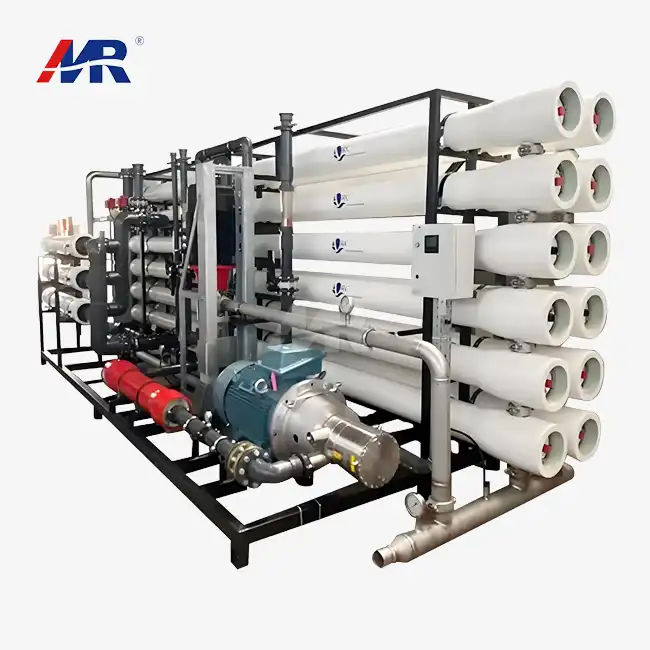 VIEW MORE45m3/hour seawater desalination system
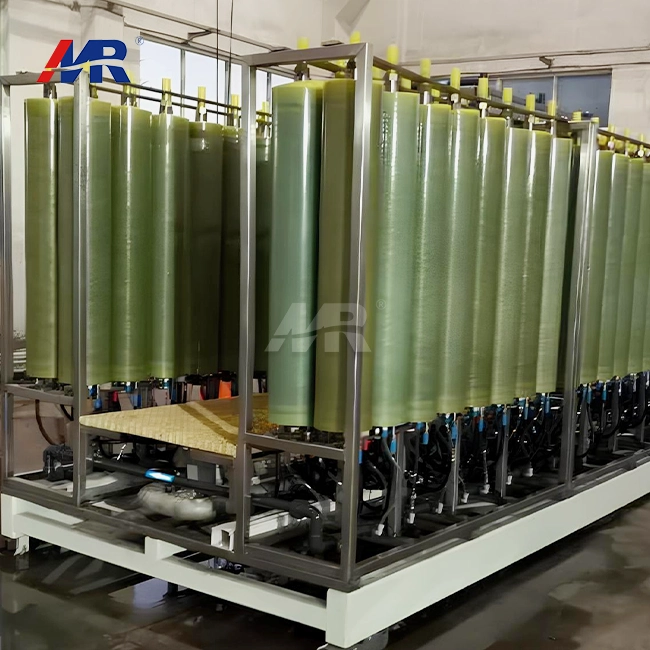 VIEW MOREDTRO for Wastewater Treatment
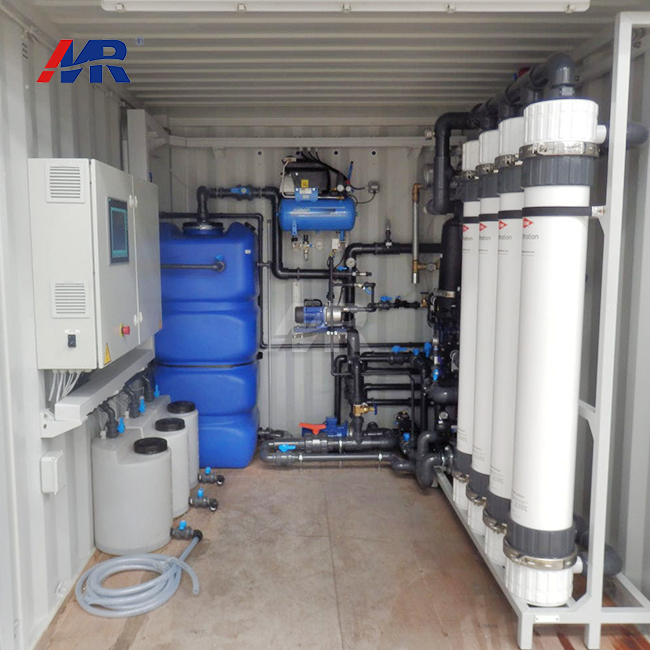 VIEW MOREcontainerized ultrafiltration equipment
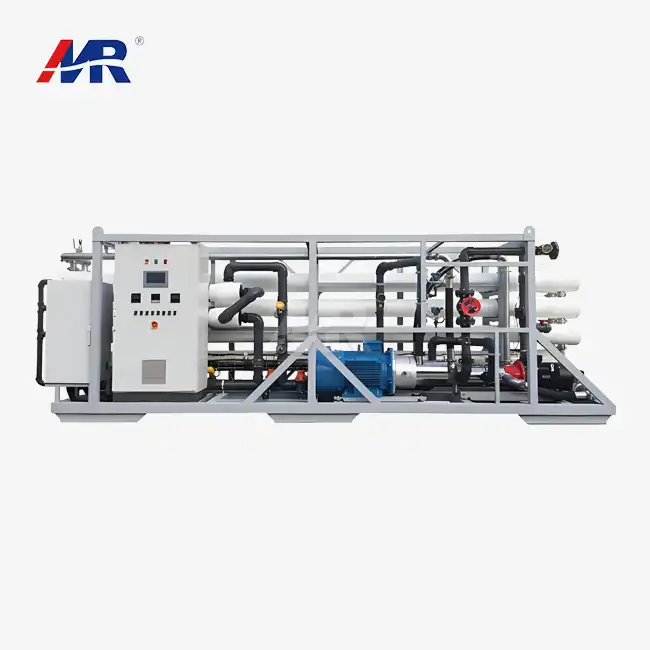 VIEW MORE15m3/hour seawater desalination system
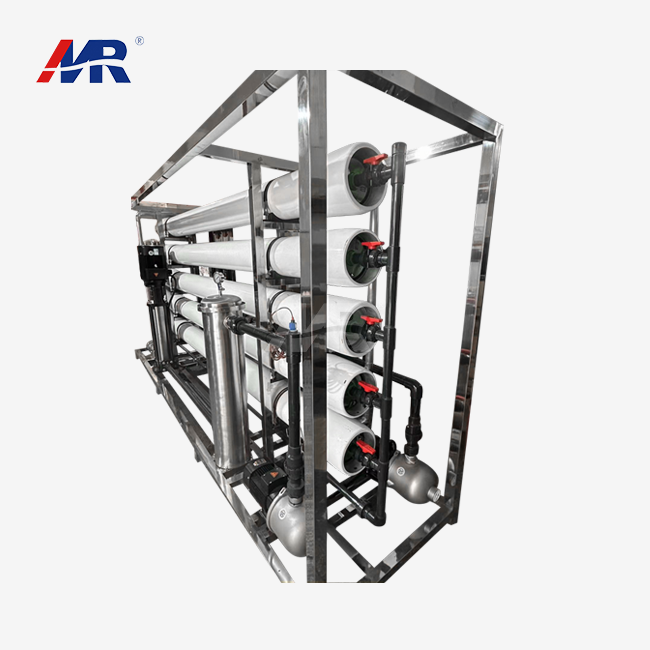 VIEW MOREreverse osmosis water treatment equipment
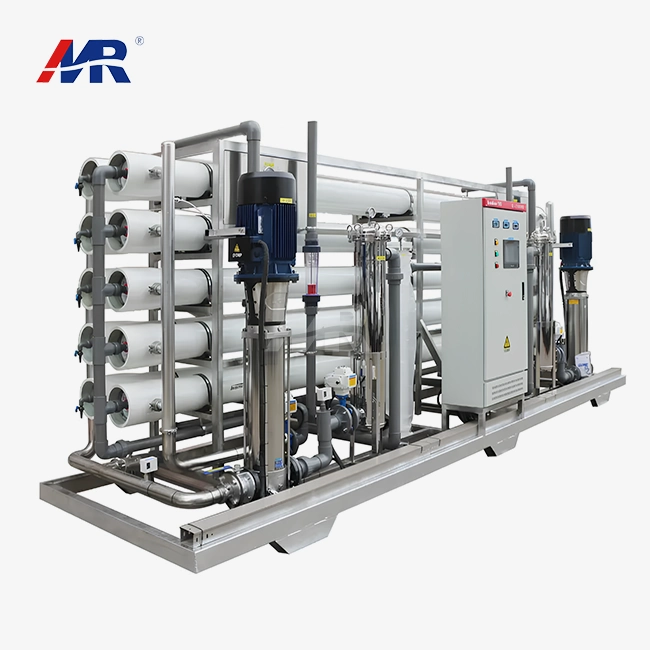 VIEW MOREreverse osmosis water purification plant
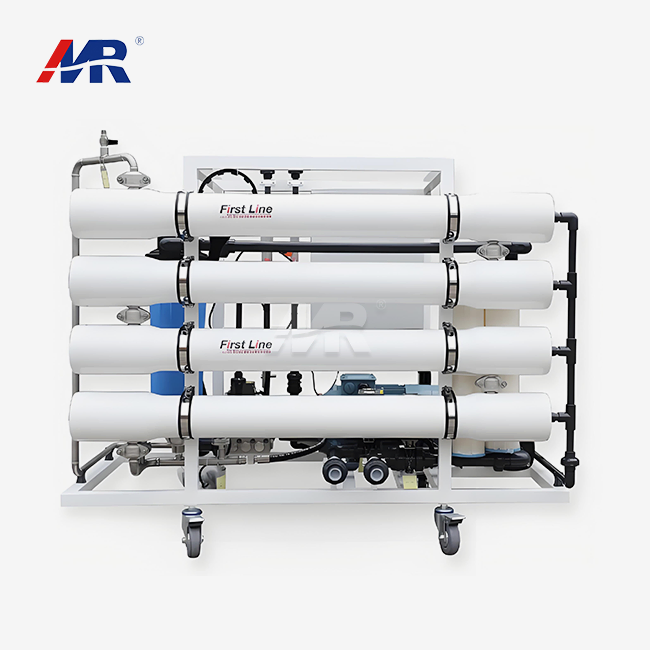 VIEW MOREseawater desalination equipment
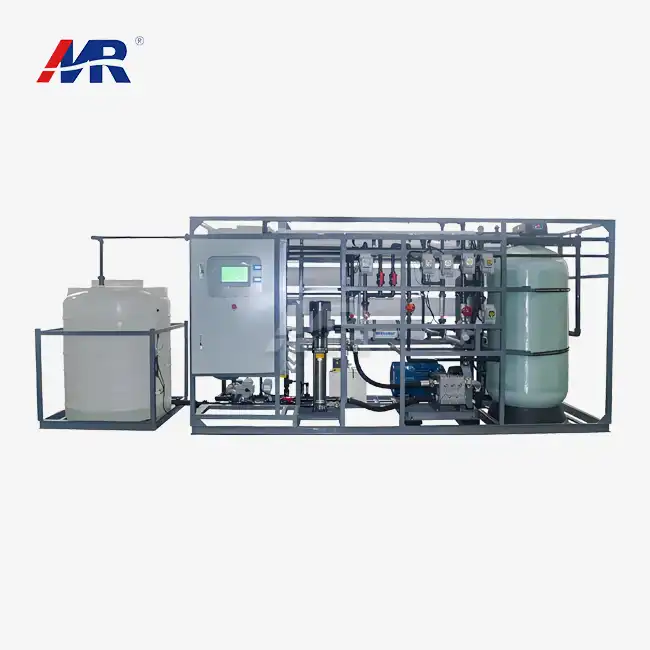 VIEW MORE5m3/hour seawater desalination equipment
