

_1745823981883.webp)

Peru Bottling Plants: Price Guide for China 2000 L/H EDI Systems
A 2000 liters/hour edi system is the best way to clean water for bottling businesses in Peru because it has the right amount of capacity and efficiency. These systems offer ultrapure water that is needed to make drinks while staying cost-effective, which plant managers at small to medium-sized facilities like. Chinese companies have become major suppliers, providing cutting-edge electrodeionization technology at reasonable prices that allow Peru's growing bottling business to get high-quality water treatment.

Understanding 2000 L/H EDI Systems for Bottling Plants
With electrodeionization technology, the benefits of reverse osmosis and ion exchange are combined to make water that is always clean without the need for chemical regeneration. Basically, electrically charged membranes remove ions that are dissolved in water, leaving behind an output with conductivity levels below 0.1 μS/cm, which meets the highest quality standards for making drinks.
Technical Specifications Critical for Bottling Operations
The 2000 liters/hour EDI system capacity is perfect for medium-sized bottling plants, especially those that make high-end drinks where the quality of the water affects both the taste and the shelf life of the product. The feed water conductivity for these systems must be less than 20 µS/cm in order to work. This makes sure that they work reliably in a wide range of input conditions that are common in Peru's water infrastructure.
With power use usually less than 0.1 kWh/m³, energy economy stands out as a strong benefit. Because of how efficient the system is, it will save a lot of money over its lifetime, which is especially helpful given how much energy costs in Peru and how long bottling processes last. The recovery rate of more than 90% cuts down on water waste, which helps the environment and lowers operating costs.
Benefits for Peru's Growing Bottling Industry
Since chemicals aren't used to remove ions continuously, there's no need for the acid and caustic regeneration processes that are common in other ion exchange systems. This process uses no chemicals, which lowers the risks of handling and makes following the rules easier. This is especially important for facilities that want to keep their production areas clean.
The expandable capacity lets bottling plants match the amount of water they make with the amount that people actually want. This way, they don't have to worry about oversizing as bigger systems do, and they can still grow as needed. Low operational costs come from not having to buy chemicals or do as much upkeep. This creates a total cost of ownership advantage that appeals to people who are careful with their money.
Plant managers like that the water quality output is always the same, which supports reliable production and lowers the number of batches that need to be rejected. The system's computerized operation requires little to no human input. This lets the technical staff focus on core production tasks while keeping the water as pure as possible.
Comparing 2000 L/H EDI Systems with Other Water Treatment Solutions
When procurement teams know how electrodeionization systems stack up against other technologies, they can make smart choices that meet their business needs and stay within their budget.
Capacity Suitability Based on Plant Size and Production Demands
Smaller 2000 liters/hour EDI systems are usually used in labs or as pilot projects, so they can't be used for business bottling operations. This 2000 L/H capacity is the perfect middle ground between these smaller units and industrial-scale systems. It meets all the throughput needs of regional bottling companies that serve both local and international markets.
Even though reverse osmosis is a great way to clean water, it needs to be polished further to get the ultrapure quality needed for making high-end drinks. Using resin beds for traditional deionization gets very pure results, but they need to be chemically regenerated frequently, which makes the process more complicated and costs more in the long run.
Operational Advantages and Superior Water Purity
When RO pre-treatment is combined with electrodeionization, the water quality is always better than with a solo RO system. EDI polishing lowers conductivity to trace levels, making sure product consistency that leads to better drinking taste profiles. RO removes most of the dissolved solids.
When looking at energy efficiency, EDI systems are better than standard ion exchange because electrodeionization happens all the time, unlike resin beds, which need energy-intensive regeneration cycles. 2000 liters/hour EDI systems don't need as much maintenance because they have fewer moving parts and don't need the pumps and holding tanks that come with chemical regeneration systems.
Less maintenance means less downtime, which is very important for bottling companies that have to meet tight production deadlines. The ability to run continuously makes sure that there is enough water to meet production needs without the breaks that usually happen during resin recovery cycles.
When you look at the costs and energy use over five years of operation, EDI systems usually come out on top when you take into account the labor needs, chemical costs, and waste disposal fees that come with standard systems. The benefits of running a business without chemicals are in line with sustainability goals that are becoming more and more important to beverage brands that want to leave less of an impact on the earth.
Price Guide and Procurement Tips for China 2000 L/H EDI Systems in Peru
There are many things that affect how much electrodeionization systems cost in the end, so it's important to know the prices so you can plan your budget well and compare vendors.
Factors Influencing System Cost
The quality of the materials has a big effect on the price. Systems with luxury membrane technology and corrosion-resistant parts cost more but last longer and work more reliably. Different suppliers use different levels of advanced technology. More advanced control systems and tracking tools are more valuable because they make operations more visible and help with automatic optimization.
Different labor costs, manufacturing efficiencies, and market positioning tactics depend on where the supplier comes from, which in turn affects the price. Due to their large production facilities and well-established supply chains, Chinese manufacturers can usually offer reasonable prices. However, quality levels vary a lot between suppliers, so it's important to carefully evaluate each one.
Shipping and logistics costs depend on the size and weight of the system as well as the mode of transport. While air freight speeds up delivery, it also costs a lot more. On the other hand, sea freight is cheaper, but it takes longer to get there, so you need to plan.
Trusted Chinese Manufacturers and Procurement Channels
Chinese companies that have been around for a long time and have foreign Certifications can be trusted to meet quality standards and follow the rules. For food and drink applications, look for suppliers with ISO 9001 quality control systems and product certifications.
Authorized dealers in Peru or nearby countries can help you with local issues, respond more quickly, and know how to put things correctly in your area. Installation services are often part of these partnerships, which makes projects easier and makes sure that systems are properly set up.
Purchase channels include direct ties with manufacturers that offer the best prices and networks of distributors that offer the best local support. Installation services usually add 15 to 20 percent to the cost of the equipment, but they make sure that the system is set up correctly and that it works well, which lowers the risks that come with bad installation.
Strategic Procurement Advantages
When purchases are coordinated across multiple facilities or when bottling plants work together to get big discounts, bulk ordering opportunities arise. Structured support after the sale, such as preventive maintenance contracts, helps keep performance at its best while keeping running costs stable.
Different 2000 liters/hour EDI system sellers offer different warranty terms. Full coverage that includes both equipment and performance guarantees can add value and reduce risk. Different capital allocation strategies can be used with flexible leasing choices. This is especially helpful for businesses that want to keep their cash flow high for other operational investments.
Optimizing Operation and Maintenance of Your 2000 L/H EDI System
To get the most out of a system's life and performance, it needs structured maintenance methods and operating best practices that are tailored to the area and the needs of the production.
Routine Maintenance Protocols and Troubleshooting
As part of daily tracking, system pressures, flow rates, and the conductivity of the product water are checked to spot performance trends before they affect production. Every week, the state of the membrane, the electrical connections, and the cleanliness of the system are checked to make sure that small problems don't get worse and become bigger ones.
Every month, maintenance chores include cleaning the pre-filters, checking the performance of the pump, and making sure the control system is properly calibrated. These regular tasks keep the system running at its best throughout its working lifecycle and avoid unplanned downtime.
Troubleshooting skills are very important during production times, when quick action is needed to avoid costly delays in the work. Changes in pressure can mean that the membrane is getting clogged, increases in conductivity can mean that there are electrical problems, and changes in flow rate can mean that the system is getting blocked.
Proactive Measures and Technical Support
Maintaining the best quality feed water through proper pre-treatment system operation and regular monitoring is what preventative steps are all about. Water analysis helps find problems before they affect the 2000 liters/hour EDI system, so they can be fixed during scheduled repair windows instead of having to shut down in an emergency.
There are different ways to upgrade that can be used to meet changing plant needs, such as by adding more space, making automation better, or connecting to current plant control systems. Ongoing Technical support from qualified suppliers makes sure that operations can get help when problems appear.
Plant workers can improve their ability to fix problems and make daily operations run more smoothly by getting training. Advanced software tools let you keep an eye on your system and record data, which helps with planned maintenance and making things run better.
These all-around methods keep the total cost of ownership low while making sure that the water quality stays stable, which is important for making drinks reliably and meeting the high standards needed for success in the market.
Why Choose Our China 2000 L/H EDI Systems for Your Peru Bottling Plant?
Guangdong Morui Environmental Technology Co., Ltd has a lot of experience with water treatment solutions that are designed to work in the beverage business. Our company takes a complete approach that includes making equipment, providing installation services, and providing ongoing technical support to make sure that systems work at their best throughout their entire operating lifecycle.
Company Expertise and Product Portfolio
There are more than 14 branches of our company, and we have 500 workers. Twenty of them are specialized engineers who know how to run a bottling plant. Because of this level of technical depth, it is possible to make solutions that are tailored to the needs of Peru's different working environments.
The range of Products focuses on electrodeionization technology designed for use in food and drink, with flexible layouts that can be adjusted to fit different production needs and room limitations. Our membrane production plant makes sure that the quality of important parts is controlled, and our multiple equipment processing factories give us the freedom to make things in a variety of ways and raise or lower our production capacity as needed.
Strategic relationships with top suppliers like Shimge Water Pumps, Runxin Valves, and Createc Instruments improve system reliability by integrating proven parts in a way that works well together. These connections make it possible to find complete solutions that cover all parts of how well and how long a water treatment system works.
Comprehensive After-Sales Services and Regional Support
Installation services include fully commissioning the system, validating its performance, and teaching the operator to make sure it works well at startup and all the time. Our technical team works with local utility companies and contractors to make the construction process go more smoothly and cut down on project timelines.
Maintenance support for 2000 liters/hour EDI system includes programs for preventative maintenance, emergency response, and the availability of spare parts, all of which lower the risk of downtime and keep output going. Technical support goes beyond the initial installation and includes ongoing services like system optimization and advice.
In order to ensure client success, performance is reviewed on a regular basis, upgrades are suggested, and changes are made to meet changing output needs. This way of working together builds long-lasting partnerships that help bottling businesses grow and adapt to changing market needs.
We know what the area needs are because we know how Peru's water quality changes, the rules that apply, and the practical issues that affect how well the system is put in place. This information makes sure that solutions work reliably in local conditions while also meeting international quality standards, which is important for bottling operations that want to sell their products abroad.
Conclusion
Buying a 2000-liters-per-hour EDI system made in China is a smart move for Peru's bottling business that strikes a balance between cutting edge technology and low costs. These systems provide the ultrapure water needed to make high-quality drinks. They also have operational benefits, such as using less energy, needing less upkeep, and not using any chemicals. When you combine competitive prices from well-known Chinese makers with full support services, you get a great deal for bottling plants that need reliable water treatment solutions. Facilities that want to keep up high product quality and operating efficiency should be careful when choosing vendors and making sure their systems are the right size. This will ensure the best performance and return on investment.
FAQ
Q1: What factors determine the price of a 2000 L/H EDI system?
System pricing depends on membrane technology quality, automation level, materials of construction, and supplier reputation. Additional factors include shipping costs, installation complexity, and warranty coverage. Chinese manufacturers typically offer competitive pricing due to manufacturing scale, with total installed costs ranging based on specific configuration requirements and local installation conditions.
Q2: How does energy efficiency compare with other water treatment methods?
Electrodeionization systems consume approximately 0.1 kWh/m³, significantly lower than traditional ion exchange systems requiring energy-intensive regeneration cycles. Compared to standalone reverse osmosis, EDI systems provide superior water quality with minimal additional energy consumption, delivering excellent operational efficiency for continuous bottling operations.
Q3: What integration capabilities exist with existing plant systems?
Modern EDI systems feature advanced control interfaces compatible with standard industrial automation protocols. Integration options include remote monitoring, automated startup/shutdown coordination with production schedules, and data logging for quality documentation. Customizable control panels accommodate specific integration requirements with existing plant management systems.
Partner with Morui for Your Advanced Water Treatment Solutions
Guangdong Morui Environmental Technology Co., Ltd stands ready to provide customized 2000 liters/hour EDI system solutions tailored specifically for your Peru bottling plant requirements. Our comprehensive approach includes detailed system sizing, competitive pricing, professional installation, and ongoing technical support that ensures optimal performance throughout your system's operational life. As an experienced 2000 liters/hour EDI system manufacturer, we combine advanced technology with proven reliability to deliver water treatment solutions that enhance your production capabilities while maintaining the highest quality standards. Contact our technical team at benson@guangdongmorui.com to discuss your specific requirements and receive a personalized quotation. Visit moruiwater.com to explore our complete product portfolio and discover how our expertise can optimize your bottling operations.
References
1. International Bottled Water Association. "Water Quality Standards for Beverage Manufacturing: Technical Guidelines and Best Practices." IBWA Technical Manual, 2023.
2. Chen, L., Rodriguez, M., and Thompson, R. "Electrodeionization Technology in Food and Beverage Applications: Performance Analysis and Cost Optimization." Journal of Industrial Water Treatment, Vol. 45, No. 3, 2023.
3. Peru Ministry of Health. "Regulatory Framework for Bottled Water Production and Quality Control Standards." National Health Authority Publication, 2023.
4. Global Water Technology Association. "Comparative Analysis of Water Treatment Technologies for Beverage Manufacturing: Energy Efficiency and Environmental Impact Assessment." GWTA Research Report, 2023.
5. Martinez, A., and Zhang, W. "Chinese Water Treatment Equipment in Latin American Markets: Quality Assessment and Procurement Strategies." International Trade and Technology Review, Vol. 28, No. 2, 2023.
6. South American Beverage Manufacturers Association. "Water Treatment Technology Trends and Market Analysis for Peru Bottling Industry." SABMA Industry Report, 2023.
 VIEW MOREcontainerized ro system
 VIEW MOREsewage treatment plant MBR system
 VIEW MORE3T/H reverse osmosis equipment
 VIEW MOREportable wastewater treatment plant
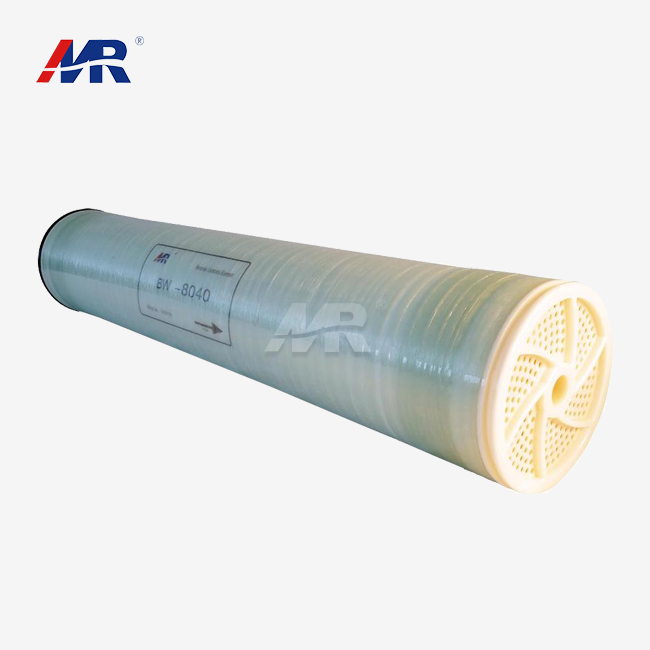 VIEW MORE8040 reverse osmosis membrane
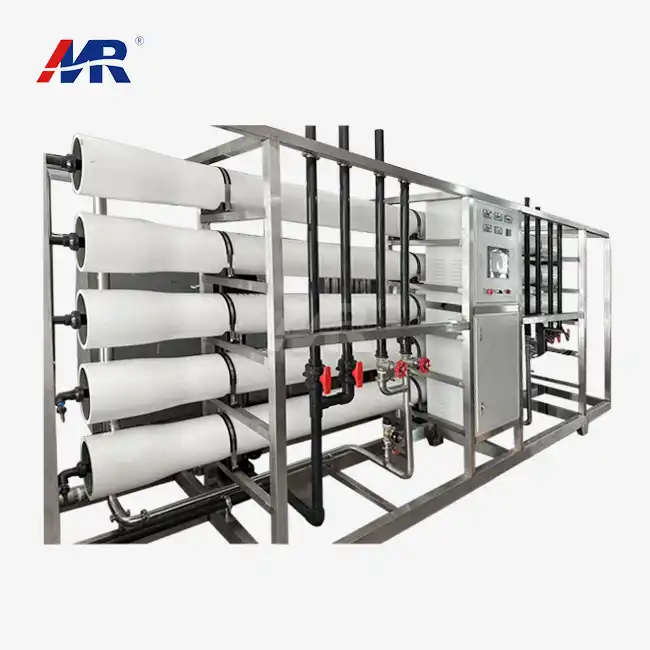 VIEW MORE25m3/hour reverse osmosis equipment
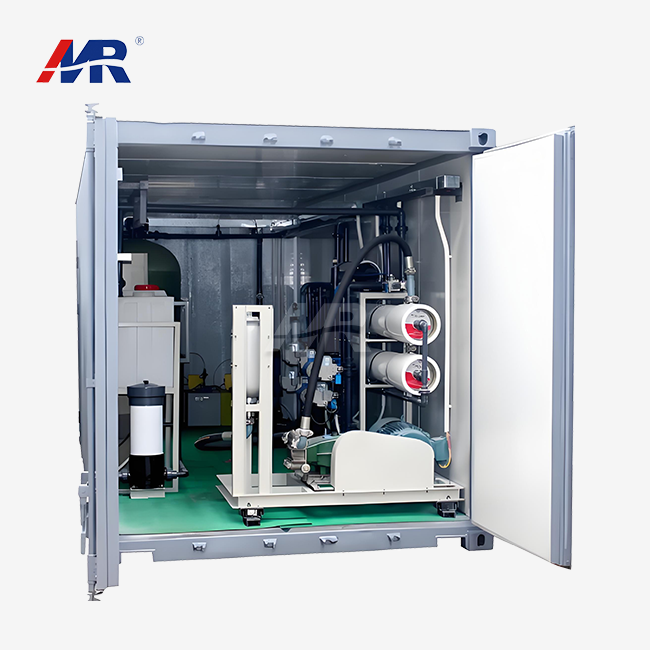 VIEW MOREcontainerized UF+RO system
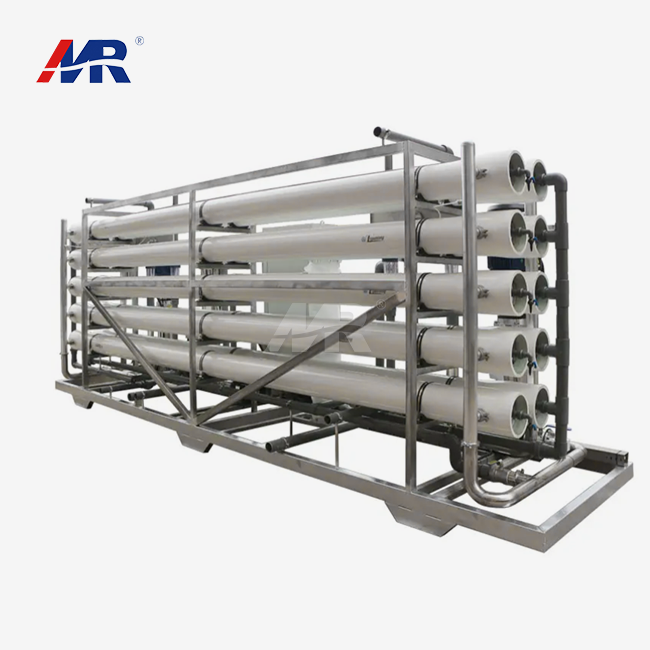 VIEW MOREbrackish water reverse osmosis systems
