_1745823981883.webp)

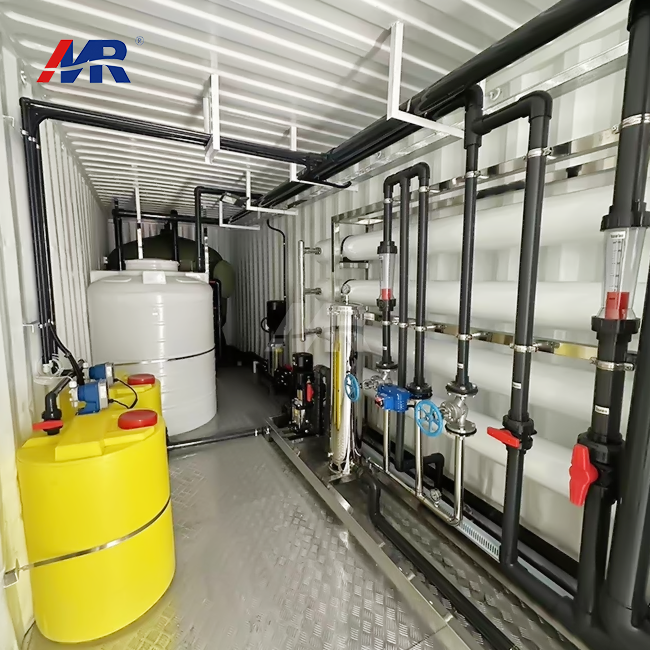
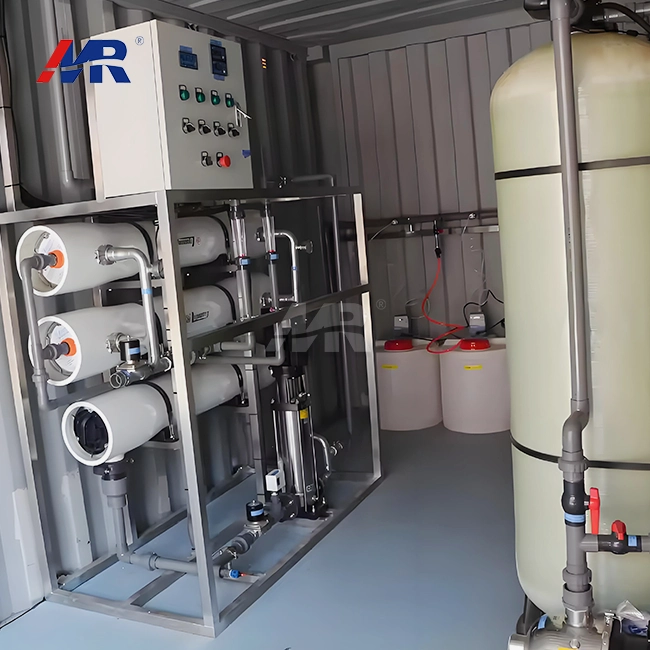
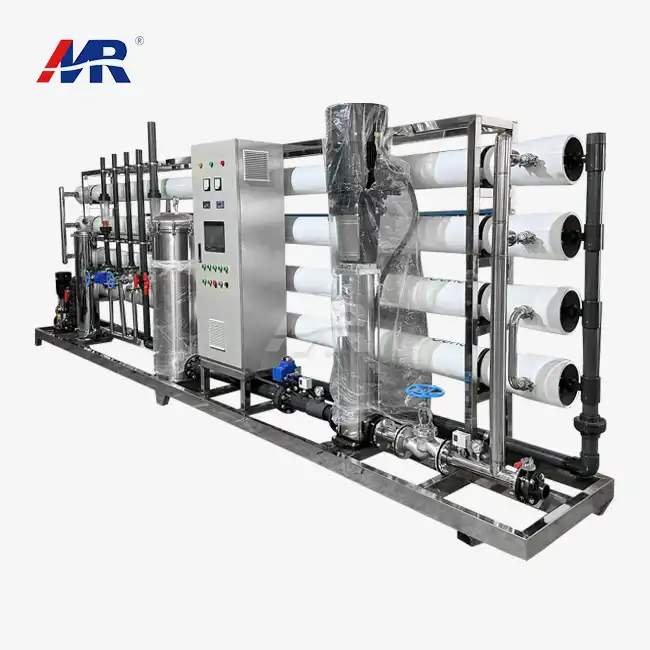
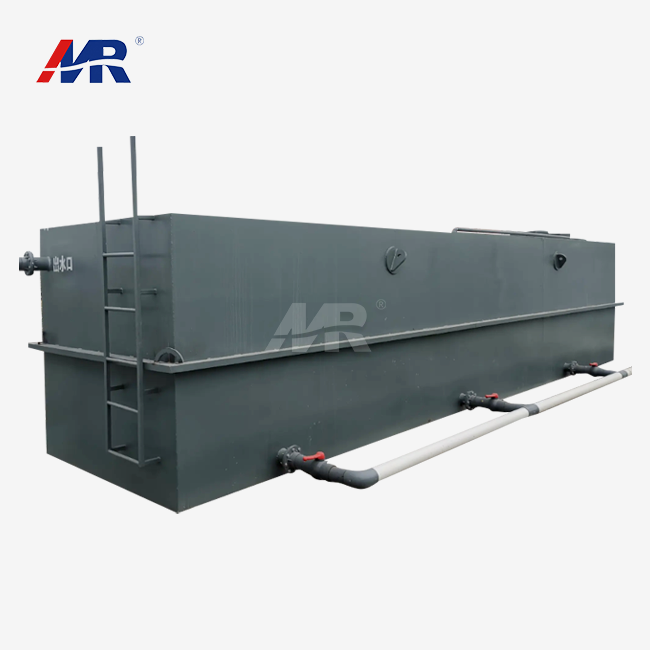
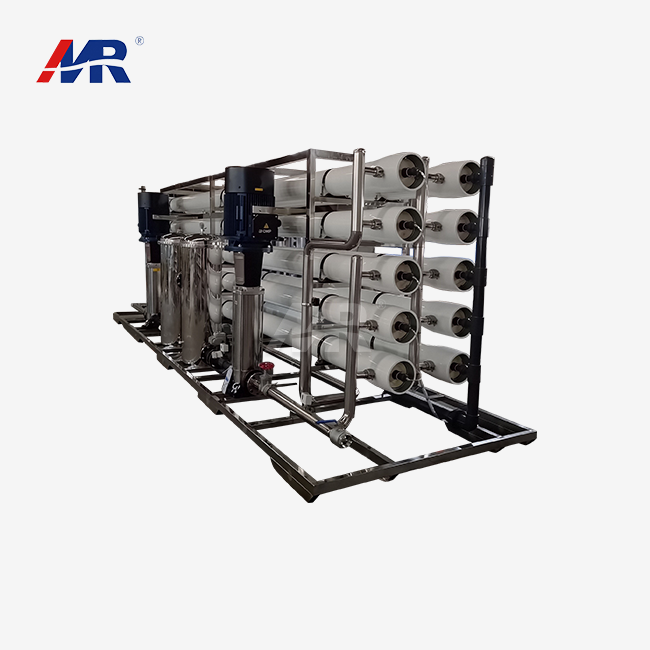
Egypt's cities and industries are growing quickly, which has created a big need for effective commercial Sewage Treatment Plants. Asia (especially China, India, and South Korea), South America (especially Brazil and Colombia), and some African makers (South Africa and Morocco) are the best places to find goods to buy. These areas have reasonable prices, tried-and-true technology, and well-established supply lines that can meet all of Egypt's different wastewater treatment needs. With their advanced membrane bioreactor technology, Asian makers usually offer the most cost-effective options. On the other hand, South American suppliers are great at making custom designs that work well in tough conditions.
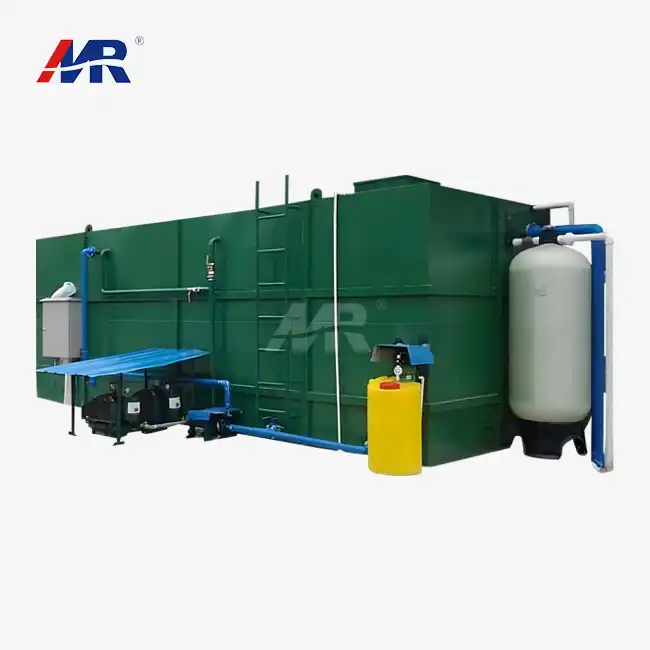
Understanding Egypt's Commercial Sewage Treatment Market Landscape
Egypt has put a lot of money into sewer facilities because it wants to protect the environment and water resources. The National Water Resources Plan of the country sets aside billions of dollars to improve treatment facilities in urban hubs, tourist areas, and industry zones.
Key Market Drivers in Egyptian Wastewater Treatment
As industries grow along the Suez Canal Economic Zone, there is a huge need for business wastewater treatment systems that have never been seen before. Specialized cleaning systems are needed in factories that make linens, food, and petrochemicals because their effluent streams are often very complicated. To protect marine species and help the economy grow, building tourism infrastructure along the coast needs effective sewage treatment.
Compliance with regulations is another important factor. Egypt's Environmental Affairs Agency has strict rules about how much pollution can be released, which many current sites find hard to follow. Modern commercial sewage treatment plants that use membrane bioreactor technology get rid of more than 95% of BOD and more than 85% of COD. This makes sure that they follow national environmental rules.
Regional Demand Patterns and Industry Applications
Large-capacity treatment systems, which usually handle between 1,000 and 10,000 m³/day, are most needed in the cities of Cairo and Alexandria. Industrial towns like 10th of Ramadan and 6th of October need modular systems that can adapt to different production plans and types of wastewater.
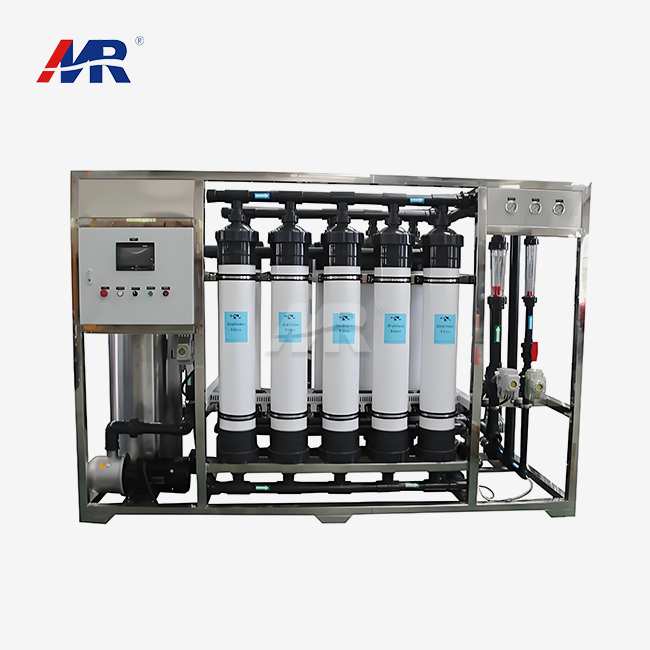
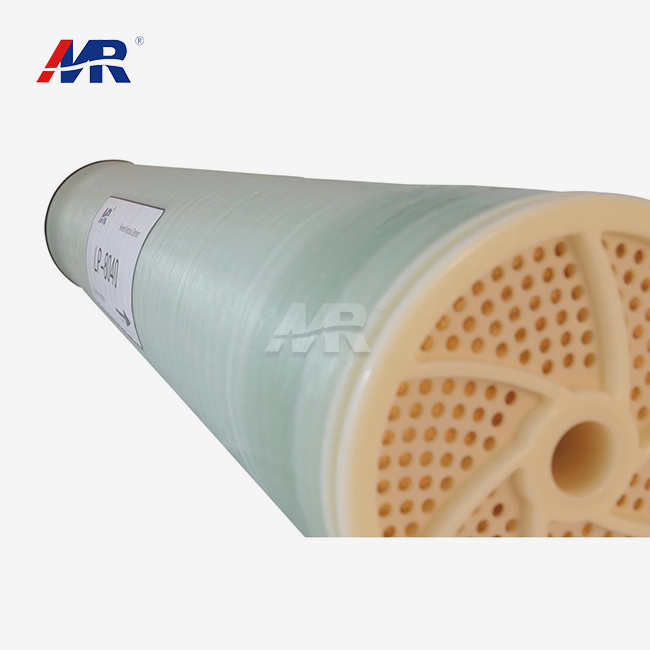
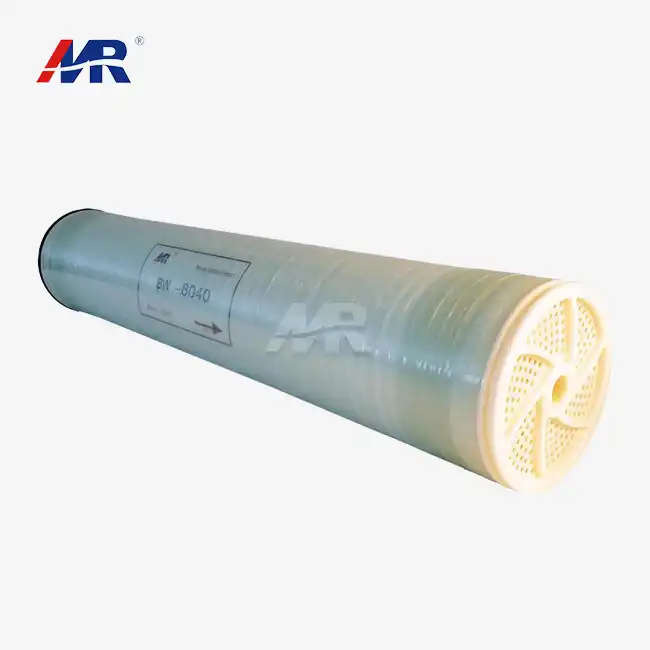
The medicine and food processing industries need very advanced ways to treat problems. Systems with ultrafiltration and reverse osmosis technologies help these businesses meet water reuse requirements that are good for non-potable uses.
Advantages of Sourcing from Asia, South America, and Africa
Because these areas are close together and have good trade ties, they are perfect places for Egyptian projects to find materials. Each area has its own unique benefits that can help with different types of projects and budgets.
Asian Manufacturing Excellence and Cost Efficiency
Asian companies, mostly from China and India, make most of the world's waste cleaning equipment for commercial sewage treatment plants. These suppliers have a wide range of Products for everything from small package plants to big city systems. Scale in manufacturing lets prices be competitive without lowering quality standards.
Chinese providers are very good at membrane bioreactor technology, and their systems take up 30% less space than traditional ways of treating water. Energy use is usually between 0.5 and 0.8 kWh/m³, which lowers running costs by a large amount over the system's lifetime.
Indian makers are experts at making unique solutions for difficult wastewater mixtures. Their knowledge of how to handle high-strength industrial wastewater is useful for Egyptian businesses, especially those that process chemicals and textiles.
South American Innovation and Environmental Expertise
Suppliers from Brazil and Colombia have a lot of experience working in warm climates and setting up methods for recovering resources. Their knowledge of anaerobic digestion and biogas production adds value by making it possible to regain energy.
South American makers know what a growing market needs and offer open payment terms and full Technical support. Most of the time, their systems are built to last and can handle tough working conditions while still being cost-effective.
African Regional Integration and Cultural Understanding
African providers, especially those from South Africa and Morocco, bring cultural understanding and knowledge of the area, which makes it easier to carry out projects. These companies know about the problems with finding spare parts, local workers, and upkeep methods.
Compared to sending across continents, transporting goods from Africa still doesn't cost much. A lot of the time, local providers offer better warranty terms and quick maintenance services that lower long-term operating risks.
Comprehensive Analysis of Sourcing Channels
Choosing the right buying methods has a big effect on the success of a project, how well costs are managed, and how reliable operations will be in the long run. That being said, each route has its own benefits and problems that need to be carefully thought through.
Direct Manufacturer Sourcing
Buying straight from the company that makes the equipment is the best way to save money and get technical help. Manufacturers let you customize systems in great detail, offer full guarantees, and let you talk directly with research teams.
Advantages include low prices, access to technology experts, and the ability to make changes. Problems include minimum order amounts, longer delivery times, and possible contact problems. Most makers want you to buy at least two to three systems or a similar amount of value.
Local Distributors and Representatives
Regional distributors keep stock on hand, offer local help, and make it easier for commercial sewage treatment plants to be delivered faster. These partners know the local rules, how to put things together, and what needs to be done for upkeep.
Benefits include faster delivery times, expert help in the area, and easier logistics. Costs are higher, customizable choices are restricted, and there may not be enough inventory. Usually, distributor profits add 15 to 25 percent to the price set by the maker.
B2B Platform Procurement
Online sites for business-to-business transactions connect buyers with verified providers and offer safety and quality control measures for the transactions. These sites make it easier to compare suppliers and bid against each other.
The platform has many benefits, such as verifying suppliers, offering low prices, and keeping transactions safe. Limitations include less technical contact, goods that are all the same, and possible differences in quality. A lot of popular sites have review systems for suppliers that help people decide which ones to buy from.
| Sourcing Channel | Cost Level | Delivery Time | Technical Support | Customization | Risk Level |
|---|---|---|---|---|---|
| Direct Manufacturer | Lowest | 8-16 weeks | Excellent | High | Medium |
| Local Distributor | Medium | 2-6 weeks | Good | Limited | Low |
| B2B Platform | Variable | 4-12 weeks | Limited | Medium | Medium |
| Trading Company | Higher | 6-10 weeks | Variable | Low | Higher |
Essential Supplier Evaluation and Verification Guidelines
A thorough evaluation of suppliers saves project capital and guarantees long-term business success. Systematic review methods find trustworthy partners and keep you from making common mistakes in procurement.
Technical Capability Assessment
Check the engineering skills of the provider by looking at past projects and technical documents. Ask for thorough process flow models, specs for the tools, and promises of performance for similar tasks.
Check to see if the treatment method is right for the type of garbage being treated. For most industrial uses, the ability to remove suspended solids should be higher than 99%, and the biological treatment parts must be able to handle the expected rates of organic loads.
Check to see what tests and quality control methods the provider offers. Reliable makers keep their labs certified and do thorough plant acceptance testing before sending their goods out.
Financial Stability and Business Verification
Credit reports, bank references, and audited financial accounts can help you figure out how financially stable a commercial sewage treatment plant seller is. Companies that have been around for a while usually make more than $10 million a year and show steady growth trends.
Check to see if the business is registered, has the right licenses, and follows international quality standards. Getting ISO 9001 certification for quality management and ISO 14001 certification for environmental management systems shows that you are concerned about quality.
Ask for customer references from recent jobs and talk to the people you're asking for references directly. Customers who are happy with a supplier can tell you a lot about how reliable they are, how good their expert help is, and how well they can solve problems.
Quality Control and Testing Protocols
Set clear standards for quality control, such as workplace inspections, witness tests, and standards for documentation. All of the important parts should be tested thoroughly, such as the control systems, fans, filters, and pumps.
Set the settings and acceptance standards for performance tests. Testing the treatment's effectiveness should show that it meets the design requirements in a range of working circumstances.
Need complete paperwork sets with things like operation guides, upkeep instructions, lists of spare parts, and warranty terms. Full paperwork makes installation, operation, and long-term upkeep easier.
Commercial Terms and Procurement Best Practices
Knowing common business terms and how things are done in your field can help you negotiate and handle risks more effectively. The right way to structure a contract protects the buyer's interests and makes it easier to carry out the job.
Minimum Order Quantities and Pricing Structures
Depending on how complicated the system is and how much customization is needed, most makers set minimum order numbers between $50,000 and $200,000. Package cleaning plants usually need at least one unit, but custom-engineered systems might need higher value promises.
For multi-unit projects or phased expansions, volume price becomes important. When you buy more than five computers or $500,000 worth of goods, manufacturers often give you a 5–15% discount.
Payment terms are very different between areas and providers. Standard terms include paying 30% up front, 60% when the goods are delivered, and keeping 10% after the job is finished successfully. Letter of credit agreements protect both parties in foreign deals.
Delivery Schedules and Logistics Considerations
Depending on how complicated the commercial sewage treatment plant system is and how much capacity the provider has, manufacturing wait times are usually between 6 and 16 weeks. Custom-engineered systems take longer to make, while common versions can be sent out more quickly.
International shipping can take an extra two to six weeks, based on the places of origin and destination. For big systems, sea freight is still the most cost-effective option. On the other hand, flying freight meets urgent needs at much higher costs.
Think about the local customs processing process and any delays that might happen. Egypt's customs procedures usually take between 5 and 10 business days for the right paperwork and inspections.
Common Procurement Challenges and Avoidance Strategies
Understanding the most common problems with buying helps you avoid them and make the job go more smoothly. Learning from experience helps you avoid mistakes and delays that cost a lot of money.
Technical Specification Misalignment
Not properly characterizing wastewater leads to cleaning systems that are too small or set up incorrectly. Do a full study of the influent, looking at changes in flow, concentrations of constituents, and trends in time.
Before buying, make sure you understand the performance standards and acceptance factors. List the criteria for the needed effluent quality, the level of operating flexibility, and the ability to grow in the future.
Stay away from systems that are too big and add unnecessary costs to capital and operations. The best economic success comes from right-sizing based on real loadings instead of theoretical ones.
Supplier Communication and Cultural Considerations
Misunderstandings can happen because of language and cultural hurdles, which can affect the results of a commercial sewage treatment plant project. Set up clear rules for how to communicate, and make sure that all expert conversations are fully recorded.
When specs and contracts are hard to understand, use expert translation services. During the making and installation steps, costly misunderstandings can be avoided by communicating clearly.
Professional standards should be followed while also taking into account local business practices. Building close ties with supplier agents makes it easier to solve problems and get help in the future.
Conclusion
International producers from Asia, South America, and Africa can make a lot of money because Egypt needs more commercial sewage treatment plants. To buy right, you need to carefully evaluate suppliers, choose the right sourcing route, and create detailed technical specifications. Asian manufacturers offer low-cost options using tried-and-true membrane bioreactor technology, while local suppliers offer better help and cultural knowledge. Doing your research, talking to each other clearly, and setting up your contracts correctly are all things that will help your project succeed and keep running smoothly for a long time. Egypt's promise to spend in infrastructure and the ability of foreign suppliers to supply the market make it set up for continued growth and technological progress.
FAQ
Q1: What capacity range is most suitable for commercial applications in Egypt?
A: Most commercial facilities in Egypt require treatment capacities between 50 and 1,000 m³/day. Small businesses typically need 50-100 m³/day systems, while large industrial complexes may require 1,000-5,000 m³/day capacity. Hotels and commercial centers usually fall in the 200-500 m³/day range.
Q2: How long does procurement and installation typically take?
A: Complete project timelines range from 4-8 months, including procurement, shipping, installation, and commissioning. Manufacturing requires 6-16 weeks, shipping adds 2-6 weeks, and installation takes 4-8 weeks, depending on system complexity and site preparation requirements.
Q3: What are the key technical specifications to consider for Egyptian conditions?
A: Systems should handle high ambient temperatures (up to 45°C), variable power quality, and potential dust exposure. Specify corrosion-resistant materials, robust electrical components, and reliable membrane cleaning systems. Energy efficiency becomes critical due to electricity costs.
Q4: What ongoing maintenance requirements should be expected?
A: Routine maintenance includes daily operational checks, weekly membrane cleaning, monthly equipment servicing, and annual comprehensive inspections. Membrane replacement typically occurs every 3-5 years. Local service availability significantly impacts maintenance costs and system reliability.
Partner with Morui for Your Commercial Sewage Treatment Plant Requirements
Guangdong Morui Environmental Technology stands ready to support your Egyptian wastewater treatment projects with advanced membrane bioreactor systems and comprehensive engineering solutions. Our experienced team understands regional requirements and provides customized treatment systems, achieving superior effluent quality while minimizing operational costs. As a leading commercial sewage treatment plant manufacturer, we offer complete project support from initial design through commissioning and ongoing maintenance. Our modular systems accommodate future expansion needs while our proven technology ensures reliable compliance with Egyptian environmental standards. Contact us at benson@guangdongmorui.com to discuss your specific requirements and receive detailed technical proposals.
References
1. Egyptian Environmental Affairs Agency. "National Water Quality Standards and Discharge Regulations." Ministry of Environment Technical Publication, 2023.
2. World Bank Group. "Egypt Water Resources Management Strategy: Infrastructure Investment Analysis." International Development Report, 2022.
3. International Water Association. "Membrane Bioreactor Technology Applications in Middle East and North Africa." Technical Research Journal, Vol. 45, 2023.
4. United Nations Industrial Development Organization. "Industrial Wastewater Treatment Technologies for Developing Markets." Environmental Technology Assessment, 2022.
5. African Development Bank. "Water Infrastructure Investment Trends in North African Countries." Regional Development Analysis, 2023.
6. Egyptian Ministry of Housing. "Urban Development and Wastewater Infrastructure Requirements." National Planning Document, 2022.