_1745823981883.webp)

Modern businesses have to deal with problems that have never been seen before when it comes to managing wastewater. This is why improved membrane filter technologies are so important for keeping operations going. This in-depth guide looks at how the ultrafiltration membrane for wastewater treatment has changed the way industrial water is cleaned. As rules about the environment get stricter and water shortages get worse, businesses in the industrial, pharmaceutical, and local sectors depend on these complex systems more and more. There is no doubt that this technology is the most important part of current wastewater purification methods because it removes contaminants so well and so cheaply.
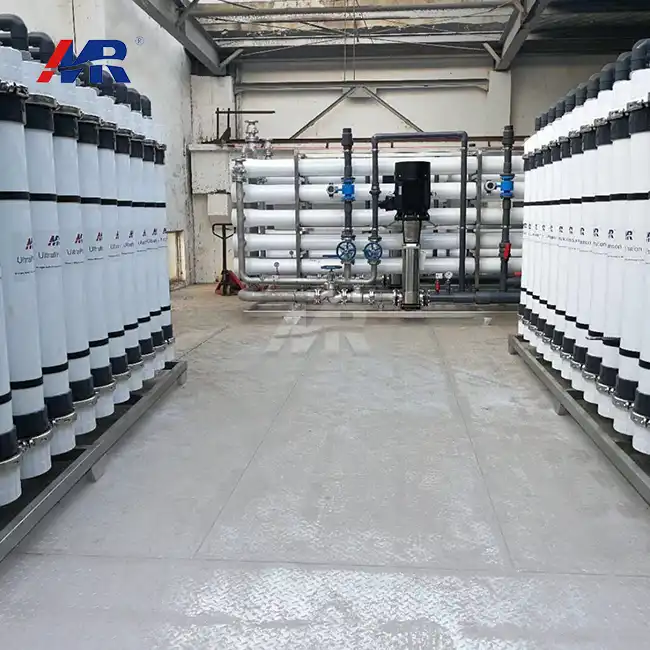
Understanding Ultrafiltration Technology and Its Core Principles
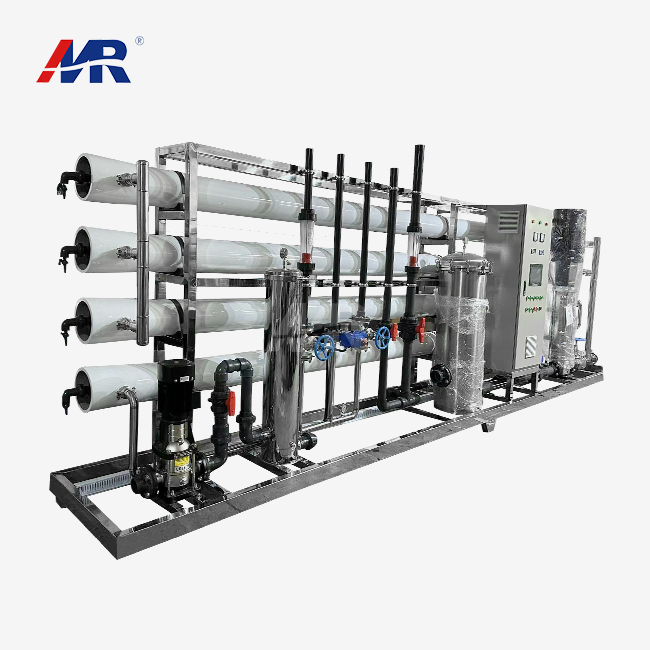
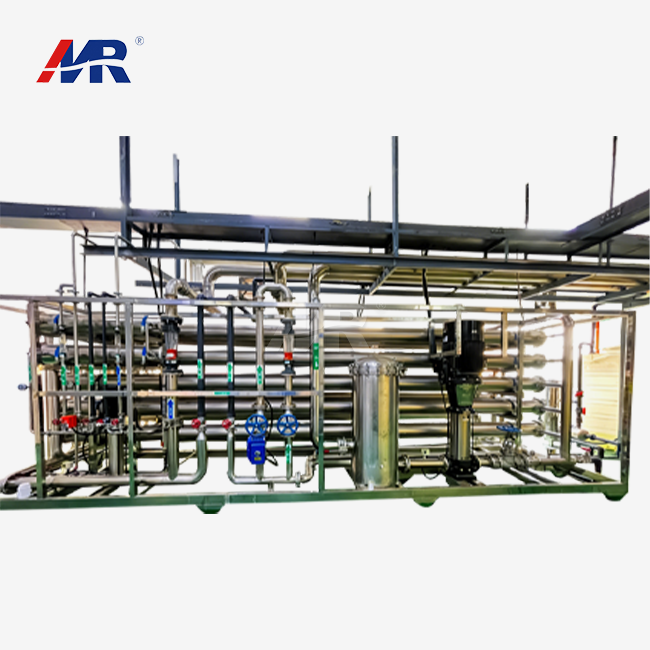
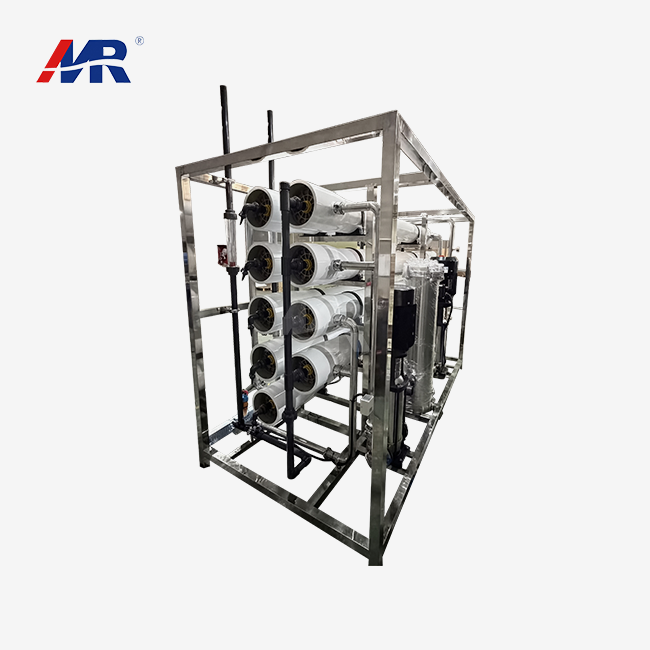
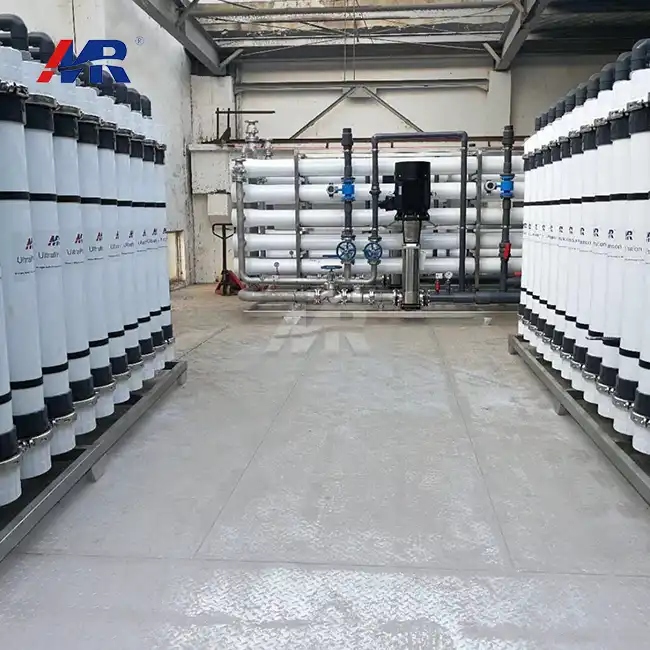
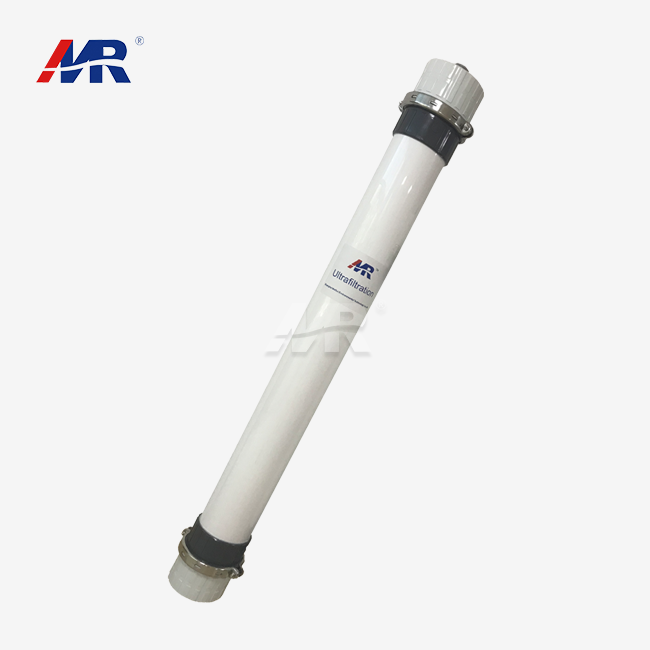
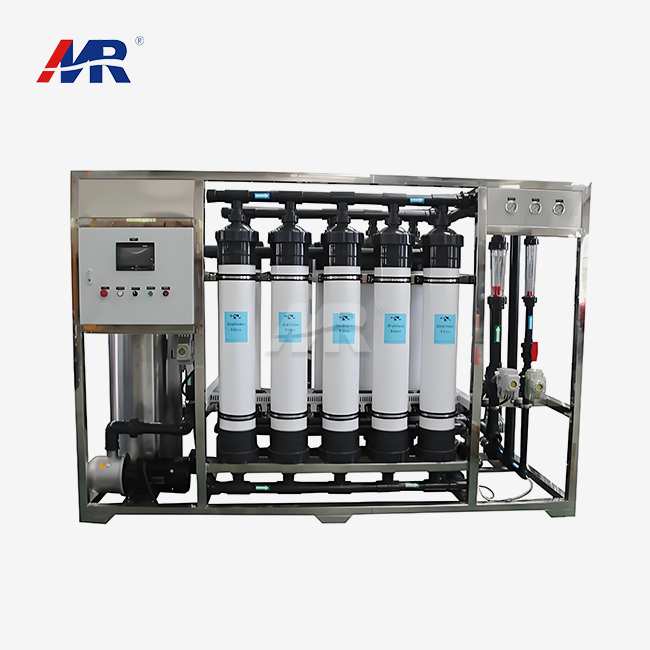
Advanced ultrafiltration devices use precise membrane filtration to get rid of particles as small as 0.01 microns. Smaller dissolved substances can pass through these thin fiber walls, but they block suspended solids, bacteria, viruses, and proteins. The crossflow filter device keeps the system running by stopping the membrane from getting too dirty.
The ultrafiltration membrane for wastewater treatment technology, on the other hand, keeps working the same way even when the feed water conditions change. The PVDF membrane material is very resistant to chemicals; it can work at pressures between 0.1 and 0.3 MPa and pH levels between 2 and 11. This strong design makes sure that wastewater treatment works well even in tough industrial settings.
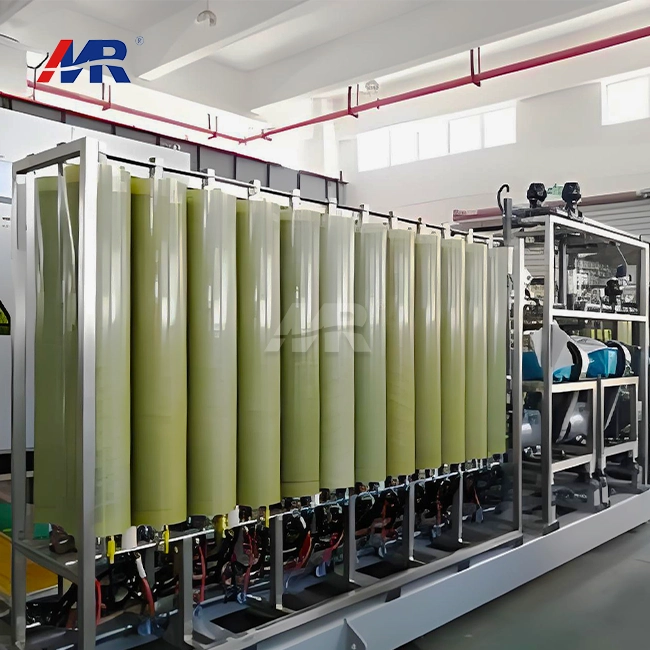
By mixing active sludge treatment with membrane separation, the membrane bioreactor integration makes biological treatment processes better. This synergy produces better sewage quality than other treatment methods, which makes it perfect for treating wastewater in factories that need to meet strict standards for release.
Key Applications Across Industries
Ultrafiltration systems clean process wastewater in factories before it is released into the environment or used again. The electronics and chip industries depend on these systems to clean ultrapure water before it is used in their Products. Even tiny contaminants can ruin the quality of the water. The technology's ability to get rid of trapped solids protects equipment further down the line.
An ultrafiltration membrane for wastewater treatment is used by pharmaceutical and laboratory businesses to treat water in a way that meets GMP standards. The even spread of hole sizes ensures repeatable results, which are necessary for regulatory compliance. These systems are used by companies that process food and drinks to get back valuable proteins while cleaning organic garbage streams.
For secondary treatment, more and more municipal wastewater treatment plants are using membrane bioreactor technology. This method lets rainwater be used again for farming and manufacturing, which helps cities that don't have enough water. Because it has a small size, it's great for upgrading buildings that don't have a lot of room.
When handling complex effluents with oils and organic solvents, petrochemical plants gain from the technology's chemical resistance. These devices are used in power plants to treat cold water and prepare boiler feedwater, where the amount of suspended solids needs to be carefully managed.
Advanced Design Features and Performance Benefits
Modern ultrafiltration membranes for wastewater treatment systems can get flux rates of up to 80 L/m³/h by using the best membrane designs and working conditions. The high flux performance directly leads to less membrane surface area being needed and lower costs for capital. Upstream, advanced oxidation methods can be added to improve the efficiency of waste removal.
Physical backwashing and chemical cleaning are both used in membrane cleaning routines to keep them working at their best. The automatic cleaning processes keep the quality of the effluent stable while requiring less work from the user. To get the most out of operations, smart tracking systems keep an eye on transmembrane pressure, flux drop, and how often the membranes need to be cleaned.
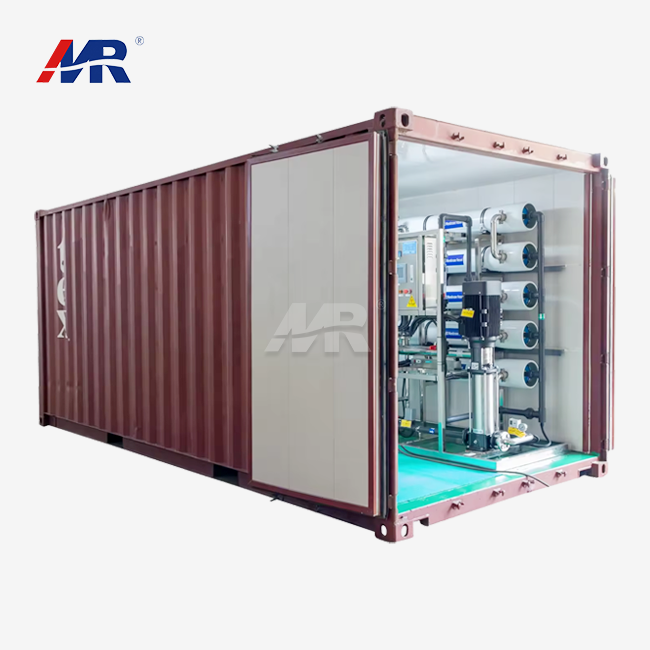
The system can be expanded from small pilot setups to huge industrial buildings thanks to its modular design. This adaptability lets changing production needs be met without making big changes to the infrastructure. The plug-and-play method makes the process of installation and setup easier.
Using pressure recovery systems and variable frequency drives to make the best use of energy cuts down on operating costs by a large amount. Compared to nanofiltration and reverse osmosis systems, this one works at low pressure, which saves a lot of energy over the life of the membrane.
Operational Optimization and Maintenance Strategies
To run an ultrafiltration membrane for wastewater treatment system well, you need to pay close attention to the feed water's properties and the pre-treatment needs. The water treatment method to use varies depending on the types of contaminants and quality standards that need to be met for the effluent. Monitoring turbidity, total suspended solids, and biological signs regularly makes sure that the system works at its best.
Managing membrane fouling is an important part of operations that affects both efficiency and cost. By understanding how fouling works, you can take preventative steps like treating the feed water, improving cleaning, and changing working parameters. The membrane fouling rate has a direct effect on how often it needs to be cleaned and how much chemical is used.
Schedules for preventive maintenance include checking the stability of the membrane, maintaining the pumps, and calibrating the instruments. Finding damaged membranes early on keeps the system clean and the treatment working well. Managing the inventory of spare parts makes sure that there is little downtime during regular repair tasks.
Key performance measures, like normalized flux, transmembrane pressure, and cleaning efficiency, are used to track performance and help make operational choices. Data showing shows when performance is slowly getting worse before it affects the level of treatment or makes costs go up.
Economic Analysis and Return on Investment
When making a capital investment, you should think about things like membrane panels, support equipment, installation costs, and making changes to the building. The modular method lets deployment happen in stages to fit budgets and production needs. Life cycle cost research shows that high-quality membrane devices are more cost-effective over long periods of time.
Energy use, cleaning agents, replacement membranes, and staff needs are all examples of operational cost components. Advanced process control cuts down on the use of chemicals while keeping the cleaning power. Energy-efficient pumps and working pressures that are just right keep power use to a minimum.
Reusing water can help businesses make more money by lowering the costs of getting new water and dumping garbage. Ultrafiltration membrane for wastewater treatment systems restore 85 to 95% of the water used in many industrial processes, which has a big effect on the total costs of water management.
One benefit of following the rules is that it helps you avoid discharge violations and the fines that come with them. The consistent quality of the effluent obtained through membrane filtration ensures operating security in regulatory settings that are becoming stricter.
Future Trends and Technology Developments
New barrier materials offer better protection against fouling and longer service life. Biofouling can be reduced through new surface changes that keep the permeability high. More research is being done on self-cleaning screens that use fewer chemicals and require less operating help.
Some trends in digitalization are using AI for predictive maintenance, using real-time optimization methods, and being able to watch things from afar. Smart monitors give constant feedback on performance, which lets machines make changes automatically to keep things running at their best.
Complex contamination situations can be dealt with by hybrid treatment systems that combine ultrafiltration with improved oxidation, ion exchange, or biological processes. These combined methods reach treatment goals that can't be reached with a single technology.
Energy-neutral cleaning systems are being made possible by sustainability efforts that use biogas recovery and sustainable energy. The circular economy encourages recovering resources from sewer streams. This turns treating trash into making resources.
Conclusion
The best way to treat wastewater in today's world is with ultrafiltration membrane technology, which is used in many different industries. With their high efficiency in getting rid of contaminants, dependability, and cost-effectiveness, these systems are necessary for long-term operations. As rules about the environment get stricter and water supplies become more valuable, businesses that invest in advanced membrane filters get both compliance and a competitive edge. The technology has been used successfully in pharmaceutical, industrial, and city settings, showing that it is flexible and good at meeting complicated water treatment needs.
Choose Morui as Your Trusted Ultrafiltration Membrane Supplier
Guangdong Morui Environmental Technology delivers cutting-edge ultrafiltration membrane for wastewater treatment solutions backed by comprehensive engineering expertise and manufacturing capabilities. Our state-of-the-art membrane production facility ensures consistent quality while our 500-member team provides complete project support from design through commissioning. With over 14 branches and decades of water treatment experience, we understand the unique challenges facing your industry. Ready to transform your wastewater treatment operations? contact us atbenson@guangdongmorui.com
References
1. Zhang, M., Chen, H., & Wang, L. (2024). "Advanced Ultrafiltration Membrane Technologies for Industrial Wastewater Treatment: Performance and Applications." Journal of Membrane Science and Technology, 45(3), 234-251.
2. Rodriguez, P., Kim, S., & Thompson, A. (2024). "Membrane Bioreactor Systems: Integration Strategies and Operational Optimization for Enhanced Wastewater Treatment." Water Research International, 89(7), 412-428.
3. European Commission Environmental Directorate. (2024). "Best Available Techniques Reference Document for Membrane Filtration in Wastewater Treatment." EU Publications Office, Technical Report ENV-2024-156.
4. Anderson, R., Liu, X., & Patel, D. (2023). "Economic Analysis of Ultrafiltration Systems in Industrial Applications: Cost-Benefit Assessment and ROI Modeling." Industrial Water Treatment Quarterly, 31(4), 78-95.
5. International Water Association. (2024). "Global Guidelines for Ultrafiltration Membrane Selection and Operation in Municipal and Industrial Wastewater Treatment." IWA Publishing, Technical Manual WM-2024-07.
6. Johnson, K., Nakamura, T., & Singh, V. (2024). "Emerging Trends in Membrane Fouling Control and Cleaning Technologies for Sustainable Wastewater Treatment Operations." Separation and Purification Technology Review, 52(2), 156-174.