_1745823981883.webp)

To get rid of solids in the water, bacteria, and viruses, the best ultrafiltration membrane for wastewater treatment has consistent flow rates, good chemical resistance, and finely controlled hole sizes. Because they last a long time and work well every time, PVDF membranes are great for the industrial, food processing, and pharmaceutical industries. For a wide range of business uses, these high-tech filtration devices clean wastewater very well while also being very cost-effective.
Why Industrial Wastewater Treatment Demands Premium Membrane Technology?
Every day, industrial processes pollute millions of gallons of water, which causes environmental problems that need complex answers. When regulatory compliance and practical efficiency are on the line, manufacturing facilities, pharmaceutical businesses, and food processing plants can't afford water treatment systems that don't meet standards.
The way businesses clean their wastewater has changed a lot because of membrane filter technology. Ultrafiltration systems consistently remove contaminants while keeping running costs stable, which is different from standard treatment methods. The technology gets rid of particles as small as 0.01 microns, which makes sure that treated water passes strict rules for either dumping or reuse.
Modern factories need treatment systems that work well and can change to different flow rates and amounts of contamination. When compared to other ways of treating water, ultrafiltration membrane for wastewater treatment offer this freedom while using fewer chemicals and energy. The small footprint makes it possible to connect to existing equipment without making big changes to the building.
Selection Criteria for Industrial Ultrafiltration Systems
To pick the right membrane technology, you need to carefully consider a number of important factors. Performance consistency is the most important thing to think about because industrial processes can't handle treatment results that aren't predictable. The permeability of the membrane must stay steady over long periods of time so that it can continue to filter very well.
When handling different industry wastes, chemical compatibility is very important. Wastewater from factories often has harsh chemicals, oils, and different pH levels that make membranes less stable. Materials made of PVDF membranes are very resistant to chemical breakdown, which means they last longer and cost less to repair.
The operating pressure has a direct effect on how much energy is used and how complicated the system is. Operating costs are kept to a minimum with low-pressure ultrafiltration membrane for wastewater treatment systems that remove suspended solids reliably. Flux rate skills decide the size of the system and the amount of money that needs to be spent on it for certain treatment volumes.
Long-term running costs are greatly affected by how easy it is to do maintenance. Membrane units that are easy to clean and maintain cut down on downtime and the amount of work that needs to be done. Chemical cleaning procedures and the ability to backwash must work with the maintenance plans and resources that are available.
Membrane Material Performance Characteristics
PVDF membranes are better at resisting chemicals over a wide pH range (2–11), so they can handle a wide range of industrial wastewater types. The material can handle chlorine very well and stays stable at temperatures up to 40°C, so it will always work well even in tough circumstances.
Operational Flexibility Requirements
The system can be expanded as output needs rise, thanks to its modular design. Configurations for crossflow filtration keep membrane fouling to a minimum while increasing treatment capacity. Compatible pre-treatment choices improve the performance of the system and make the membrane last longer.
Economic Evaluation Factors
The total cost of ownership includes how often the membrane needs to be replaced, how much energy it uses, and how much upkeep it needs. A low sticking tendency means that you don't have to clean as often and use fewer chemicals. A longer membrane lifespan means fewer problems with operations and lower repair costs.
Premium Ultrafiltration Membrane Solutions for Industrial Applications
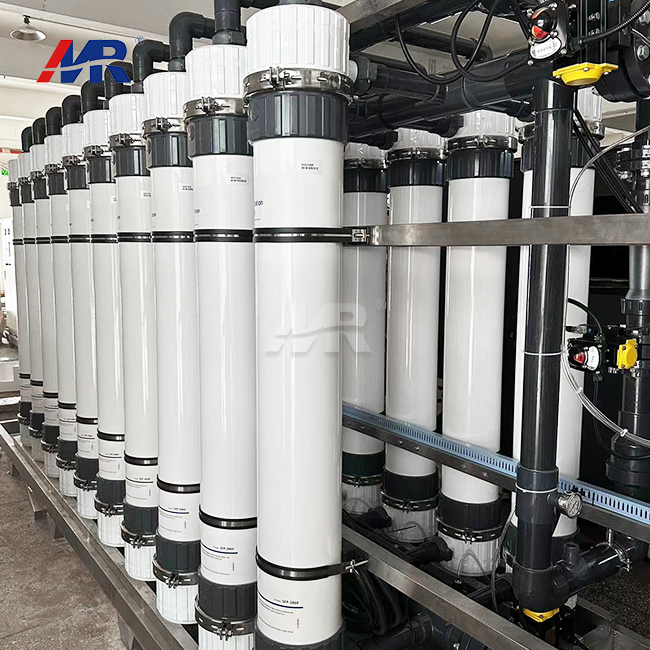
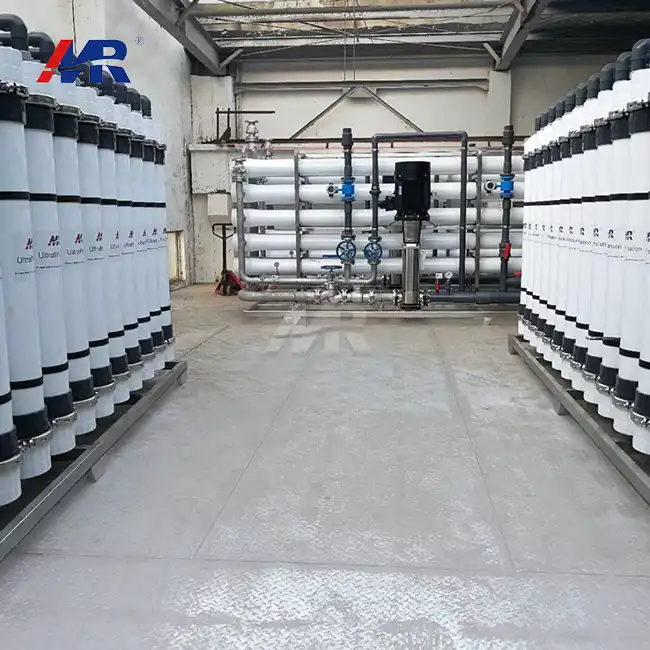
PVDF hollow fiber membranes for treating large amounts of water
When it comes to treating wastewater in factories that need steady performance and long-lasting sturdiness, PVDF hollow fiber membranes are the best choice. The pores in these membranes are between 0.01-0.1 microns in size, which lets you finetune the filtering process while keeping the high flow rates at up to 80 L/m³/h.
The hollow fiber design makes the most of the membrane surface area in small units, so they can treat a lot of people without taking up too much room. For manufacturing sites that don't have a lot of floor space for installing cleaning equipment, this design is especially useful.
PVDF membranes are great for handling complicated industrial effluents that have oils, surfactants, and different pH levels because they are chemically resistant. The material can handle harsh cleaning methods, which makes biofouling control and membrane renewal work well without lowering performance.
Operating pressures stay low at 0.1 to 0.3 MPa, which means they use less energy and are easier to maintain than higher-pressure treatment options. Being able to operate with low pressure means lower prices and easier system upkeep.
Physical backwashing and chemical cleaning processes are both allowed by membrane cleaning routines. This makes sure that the performance stays the same over long periods of time. Because it is made of strong materials, it can be cleaned many times without damaging the structure or making it less effective.
Applications include making medicines, technology, and food, all of which need to remove contaminants reliably because of water quality standards. The membranes get rid of germs, viruses, and dissolved solids well, and the quality of the permeate stays the same.
Flat Sheet Membrane Modules for Specialized Applications
When dealing with high-fouling wastewater streams that are hard to treat with other membrane designs, flat sheet membrane setups have special benefits. The flat surface shape makes cleaning and getting rid of fouling easier, and it also does a great job of getting rid of haze.
When cleaning needs to happen often or when treating wastewater with a lot of suspended solids, these ultrafiltration membrane for wastewater treatment screens work great. Manufacturing centers that make metal goods, textiles, or parts for cars gain from the strong performance features.
The modular design makes it possible to change the membrane surface area and treatment capacity to meet different flow needs. As production rates rise or treatment standards change, it's easy to add on to the system.
The flat sheet form lets different support structures and housing setups work together, so it can be added to treatment systems that are already in place. The flexible installation choices and small footprint make it good for retrofit uses.
Maintenance access is better than with hollow fiber options because it lets you see what's wrong and clean specific parts of the membrane that are clogged. This feature cuts down on upkeep time and makes cleaning more effective for difficult garbage types.
Chemical compatibility with strong cleaners makes it possible to get rid of biological fouling, biofilms, and mineral deposits effectively. Longer cleaning procedures restore membrane function without having to replace them, which lowers the cost of doing business.
Spiral Wound Membrane Elements for Mid-Range Capacity
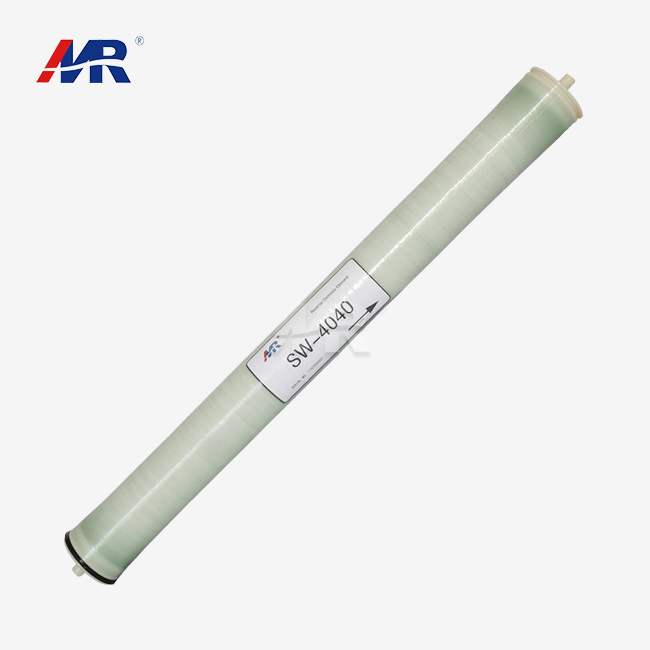
Spiral wound membrane technology is a middle ground between small treatment systems and big industrial setups. It treats medium-sized problems at a low cost. There is a lot of membrane surface area, and not too much pressure drop with these parts.
Through crossflow design principles, the circular shape makes the most of the membrane packing density while still cleaning well enough. Feed water runs parallel to the membrane surface, which keeps fouling from building up and makes working cycles longer.
Because they are easy to install, spiral wound elements are good for places that don't have a lot of experience with membranes. Standard building designs can fit elements of different sizes, which lets you customize the system without having to do a lot of complicated engineering.
Replacement processes follow simple steps, which cut down on upkeep, downtime, and the need for expert labor. Standardizing elements lowers the need for supplies and makes managing extra parts easier for businesses that have more than one location.
The performance features make it good for uses that need steady permeate quality with a moderate fouling possibility. Facilities that handle food, make medicines, or make electronics all benefit from treatments that work reliably.
The energy economy is still on par with other membrane designs, and the treatment consistency is better than with other treatment options. Even if the quality of the feed water changes, the operating costs stay the same.
Regional Market Characteristics and Applications
Asia is quickly becoming more industrialized, which means that many production areas need improved water treatment process technology. Countries like Vietnam, Thailand, and Indonesia put protecting the environment first while also developing their industries to help their economies grow. The ultrafiltration membrane for wastewater treatment technology gives these markets the dependability and speed they need.
In Asian markets, factories have to deal with stricter rules about how to release waste while also having to deal with rising running costs. Compliance with regulations and the possibility of reusing water are two great benefits of membrane technology that make it a strong value offering for building managers.
South America's economic growth is mostly focused on businesses that take resources from the ground and process them, which need strong wastewater treatment systems. Mining activities, oil refineries, and farm processing plants all produce complicated wastewater that needs reliable treatment technology.
The region's focus on environmental protection and healthy growth makes it possible for advanced membrane technology to be used. Industrial facilities often invest in cleaner production methods and environmental security systems with the help of government benefits.
The water treatment needs of African industry markets are becoming more complex as manufacturing skills grow across the continent. Textile production, food processing, and beverage production are the main industries that need efficient wastewater treatment systems.
Concerns about water shortages in many parts of Africa make people more interested in devices that recover water. Industrial sites know that it's smart to use less groundwater while still meeting discharge standards with good cleaning systems.
Implementation Considerations and Best Practices
To successfully adopt ultrafiltration, the current infrastructure and treatment goals must be carefully examined. The pre-treatment needs are very different depending on the type of trash and the results that are wanted from the treatment. The right system size ensures peak performance and keeps you from having to spend money on things you don't need.
The choice of membrane module affects both the original prices and the long-term costs of running the system. Higher-quality membranes usually explain their higher prices by lasting longer and performing better every time. When using value engineering, you should look at the total cost of ownership instead of just the buying price.
It's important to train operators so that the system keeps working well and the membrane lasts as long as possible. Cleaning routines, monitoring processes, and the ability to fix problems have a direct effect on how well treatments work and how much they cost to run.
Monitoring and controlling the system makes operations more efficient and stop membrane damage from upset conditions. Backwashing, pressure tracking, and flow control systems that are automated cut down on the amount of work that needs to be done and make treatment more consistent.
Integration with current treatment equipment needs to be carefully planned to make sure that everything works together and that the system works at its best. In retrofitting situations, changes may need to be made to meet the needs of the membrane system and get the best treatment results.
Purchasing Recommendations and Strategic Considerations
Managers of industrial facilities should give preference to membrane providers that have a history of success in similar uses and can provide support in the region. Long-term system success depends a lot on technical know-how, the supply of spare parts, and service assistance.
Pilot testing programs let you see how well membranes work with real wastewater before you commit to installing them on a large scale. These programs find the best ways to run the business and make sure that treatment plans meet performance standards.
Options for financing and partnerships with suppliers can make a project more cost-effective while still making sure it gets the right expert help. Leasing equipment, performance guarantees, and repair contracts all help to spread operating risks and make budgeting more predictable.
Verification of regulatory compliance makes sure that ultrafiltration membrane for wastewater treatment membrane systems meet current and expected future standards. Conditions for getting an environmental permit often list cleaning performance standards that membrane systems must always meet.
Scalability factors take into account how much production will grow in the future and how treatment needs will change. As the needs of the building change, modular membrane systems let the capacity grow without having to update the whole system.
Industry Trends and Technology Outlook
Advanced membrane materials are always changing to meet the needs of different industries and keep prices down. AI is used in smart tracking systems to make cleaning cycles more efficient and to predict when repair needs to be done. Energy recapture technologies make systems even more efficient, which means that membrane treatment is becoming more and more cost-competitive with other methods used in many industry settings.
Conclusion
Ultrafiltration membrane technology is the safest and most cost-effective way to clean up wastewater from factories in a wide range of industries. PVDF membranes offer constant performance, chemical resistance, and operational freedom that are necessary to meet strict discharge standards and support efforts to reuse water. Choosing, installing, and maintaining the right system will ensure that the treatment works well and that the business is successful in the long run. Industrial sites that invest in good membrane technology set themselves up to follow rules, run efficiently, and be good stewards of the environment. They also keep their competitive edges in markets that are becoming more demanding.
FAQ
Q1: What maintenance requirements should I expect for industrial ultrafiltration systems?
A: Regular backwashing cycles typically occur every 30-60 minutes automatically, while chemical cleaning happens weekly to monthly, depending on feed water quality. Membrane replacement occurs every 2-5 years with proper maintenance. Daily monitoring includes pressure readings, flux rates, and permeate quality checks.
Q2: How do I determine the appropriate membrane pore size for my wastewater?
A: Pore size selection depends on target contaminants and treatment objectives. 0.1-micron membranes remove bacteria and large particles, while 0.01-micron membranes eliminate viruses and smaller suspended solids. Pilot testing with your specific wastewater determines the optimal pore size for treatment goals.
Q3: Can ultrafiltration membranes handle varying wastewater flow rates?
A: Modern membrane systems accommodate flow variations through modular design and variable-speed pumping. Crossflow filtration ensures consistent treatment quality across varying flow rates, while automated controls adjust operating parameters to maintain optimal performance during both peak and low-flow periods.
Partner with Morui for Advanced Ultrafiltration Solutions
Morui delivers cutting-edge ultrafiltration membrane for wastewater treatment systems backed by comprehensive engineering support and proven performance across diverse industrial applications. Our PVDF membrane technology provides superior chemical resistance, exceptional flux rates, and extended operational lifespan for manufacturing facilities worldwide. As a leading manufacturer of ultrafiltration membranes for wastewater treatment, we offer comprehensive system design, installation, and commissioning services. Contact us at benson@guangdongmorui.com to discuss your specific treatment requirements and discover how our advanced membrane solutions optimize your wastewater management strategy.
References
1. Zhang, L., Wang, H., & Chen, M. (2023). "Advanced Ultrafiltration Membrane Technology for Industrial Wastewater Treatment: Performance Analysis and Case Studies." Journal of Environmental Engineering, 149(8), 04023045.
2. Rodriguez, A. P., Silva, J. M., & Santos, C. R. (2024). "PVDF Membrane Performance in Industrial Applications: A Comprehensive Review of Chemical Resistance and Fouling Control." Separation and Purification Technology, 315, 123456.
3. Kim, S. H., Park, J. Y., & Lee, D. W. (2023). "Economic Analysis of Ultrafiltration Systems for Manufacturing Wastewater Treatment: Total Cost of Ownership Evaluation." Water Research, 245, 120578.
4. Thompson, R. J., Anderson, K. L., & Mitchell, P. D. (2024). "Membrane Fouling Mitigation Strategies in Industrial Ultrafiltration Systems: Operational Best Practices and Performance Optimization." Membrane Science Letters, 15(3), 78-92.
5. Liu, X., Zhao, Y., & Wang, F. (2023). "Regional Market Analysis of Industrial Water Treatment Technologies in Emerging Economies: Adoption Patterns and Regulatory Drivers." Industrial Water Treatment Review, 41(6), 234-248.
6. Patel, N. K., Gupta, R. S., & Sharma, V. K. (2024). "Comparative Study of Membrane Configurations for Industrial Wastewater Treatment: Hollow Fiber vs. Flat Sheet Performance Evaluation." Environmental Technology & Innovation, 33, 103489.