

_1745823981883.webp)

Top Chinese RO Equipment for Malaysia Commercial Wastewater
Malaysia's strict environmental laws and fast industry growth have made it urgent to find improved wastewater treatment options. Chinese reverse osmosis equipment has become the preferred choice for Malaysian companies seeking to establish a dependable and cost-effective commercial Sewage Treatment Plant. Cutting-edge membrane technology and tried-and-true biological treatment methods are used together in these systems to provide excellent water quality while keeping operations running smoothly. Combining Chinese RO technology with traditional wastewater treatment methods is a game-changing way to deal with Malaysia's complicated industrial water problems while also protecting the environment and following the rules.
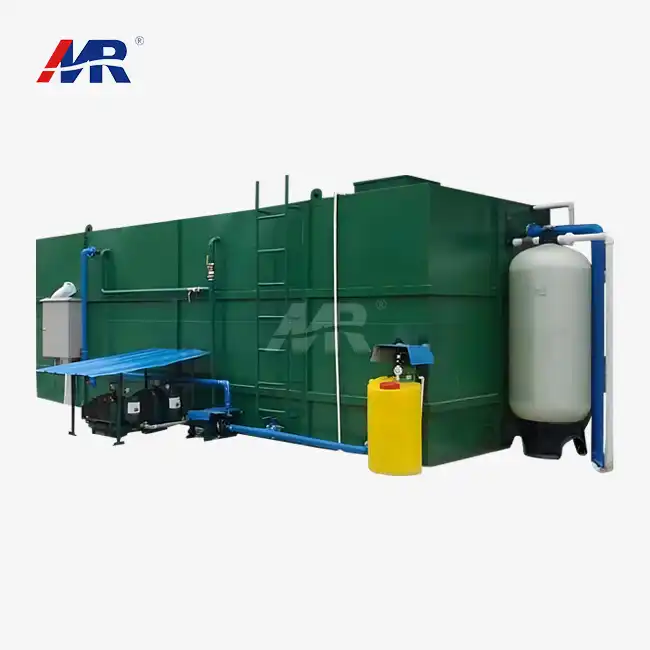
Understanding Commercial Sewage Treatment and RO Equipment Integration
Malaysia's environmental protection system is held together by commercial wastewater treatment facilities that handle wastewater from factories, hotels, shopping malls, and hospitals. A modern commercial sewage treatment plant works in several steps. The first step is preliminary screening, which removes grit. The next step is primary sedimentation, which lets solids settle naturally through gravity separation.
In the biological treatment phase, which is the most important part of treating wastewater, good bacteria eat organic toxins in controlled aerobic conditions. This second solution lowers the amounts of biochemical oxygen demand and chemical oxygen demand by a large amount. This gets the water ready for the next steps in the process of purification.
Integration of RO Technology in Wastewater Systems
Reverse osmosis technology works as a cleaning step that makes treatment more effective than normal biological methods. The semi-permeable barriers get rid of heavy metals, dissolved salts, and small amounts of contaminants that living things can't get rid of. This combination makes a complete treatment train that can safely release water into the environment or recover it in industry.
Treatment Plant Types in Malaysian Applications
Malaysia's business sector uses different treatment setups based on the needs of each field, including commercial sewage treatment plant solutions. Membrane bioreactor systems use both biological treatment and ultrafiltration membranes in one process. They have small sizes that make them perfect for urban sites that don't have a lot of room. Activated sludge systems are still popular for bigger sites because they work reliably and follow well-known procedures.
Sequencing batch reactors are flexible for sites with different flow patterns because they can change treatment cycles automatically based on the features of the influent. Adding RO systems to these setups makes mixed solutions that get the most water back while having the least amount of damage to the environment.
Top Chinese RO Equipment Solutions for Malaysian Commercial Wastewater
Chinese companies have changed the world market for RO equipment by constantly coming up with new ideas, keeping prices low, and following international quality standards. These companies have put a lot of money into research and development, which has helped them make membrane systems that are competitive with well-known global names while also being better values.
Chinese RO equipment used in commercial sewage treatment plant applications has come a long way in terms of technology. One big difference is that it uses less energy, and the membranes last longer. Variable frequency drives, energy recovery devices, and smart tracking systems are all parts of modern Chinese systems that improve performance while lowering costs.
Leading Chinese RO Brands in Malaysia
Through strategic relationships and regional support networks, a number of Chinese companies have built strong market presences in Malaysia. These businesses sell a wide range of Products, from small commercial units to huge industrial systems that can handle thousands of cubic meters of waste every day.
Quality standards are very important when choosing tools, and the best Chinese companies get ISO 9001, CE marking, and NSF approvals. These approvals show that the equipment meets foreign standards and give Malaysian procurement workers peace of mind about its performance and dependability.
Comparative Advantages
When comparing Chinese RO equipment to well-known global names, there are clear benefits, especially when looking at the total cost of ownership. Malaysian businesses can make good use of the economy because of low starting prices, quick operations, and easy access to spare parts.
Using very little energy is another big benefit. For example, current Chinese systems can treat water with as little as 0.5 to 0.8 kWh of energy per cubic meter. This efficiency means big practical savings over the life of the equipment, which is especially important in Malaysia, where energy costs are high for businesses.
How to Choose the Right Commercial RO Treatment System for Your Business?
To choose the right RO equipment, you need to carefully look at the types of wastewater, your cleaning goals, and the limitations of your business. The review process should start with full water quality tests to find out what contaminants are present and how much of them there are. This will help with choosing the right membrane and setting up the system.
Flow rate estimate figures out how much system capacity is needed, taking into account times of high demand and plans for future growth. Malaysian businesses often have yearly changes in the amount of garbage they produce. To keep treatment performance uniform all year, systems need to be designed to be flexible.
Critical Selection Criteria
The performance specs of the membrane have a direct effect on how well the treatment works and how much it costs to run in a commercial sewage treatment plant. Some important factors are the rate at which salt is rejected, the flow capacity, and the fouling resistance. Higher-quality membranes may cost more, but they often offer better lifetime value because they last longer and need to be cleaned less often.
The amount of energy used is a high operational cost that changes a lot between system designs and equipment makers. High-efficiency pumps, optimized pressure tanks, and clever control systems that use as little power as possible are some of the energy-efficient parts used in modern Chinese systems.
Cost Analysis Framework
When you look at the total cost of a system over its expected lifetime, you should include the cost of buying the equipment and installing it, as well as the cost of ongoing upkeep and the amount of energy it uses. Chinese equipment usually has benefits when it comes to starting cost and the availability of spare parts. However, the amount of maintenance needed depends on how the equipment is used and the quality of the water.
The cost of installation depends on how complicated the system is and what the place needs. When compared to custom-built options, modular Chinese systems often make installation easier, which cuts down on labor costs and project timelines.
Maintenance and Performance Optimization of Chinese RO Equipment in Malaysia
In Malaysia's tropical working environment, good repair procedures ensure that systems work at their best and that equipment lasts longer. Key performance indicators, such as permeate flow rates, pressure differentials, and water quality factors, should be checked on a regular basis. This lets you plan proactive maintenance and avoid costly system failures.
Malaysia's high humidity and temperature mean that equipment needs to be carefully aired out, protected against rust, and kept from growing living things. Because of these weather factors, Chinese makers have changed their designs to include better materials and protective coatings that can be used in humid areas.
Preventive Maintenance Strategies
The most important upkeep task for RO systems in a commercial sewage treatment plant is cleaning the membranes regularly. How often you clean it varies on the quality of the feedwater and how the system is working, but it's usually done once a week to once a month. Using the right cleaning chemicals and following the right steps will keep the system's capacity up and stop membrane damage that can't be fixed.
When inspecting system parts, you should check the performance of the pumps, the stability of the pressure vessels, and the tuning of the control systems. These tasks find possible problems before they slow down the system or need to be fixed right away.
Performance Optimization Technologies
Modern tracking systems let you improve performance in real time by automatically changing parameters and planning repairs ahead of time. More and more, Chinese equipment makers are using IoT connections and cloud-based analytics to let users watch their equipment from afar and see how it's performing over time.
Optimizing the water recovery rate cuts down on trash and operating costs while making the cleaning system work more efficiently. Modern Chinese RO systems have recovery rates of more than 75% thanks to better membrane designs and better ways of running them.
Our Company's Expertise and Solutions in Commercial Wastewater Treatment
Guangdong Morui Environmental Technology Co., Ltd. brings extensive expertise to Malaysia's commercial wastewater treatment market through our comprehensive understanding of local regulatory requirements and operational challenges. Our experience in a wide range of fields, such as industrial, hospitality, healthcare, and local uses, gives us a deep understanding of the treatment needs of each sector.
While meeting strict performance standards, our tech team works closely with Malaysian clients to create unique solutions that work well with existing infrastructure. This way of working together makes sure that the system is designed well and will work reliably for a long time in a variety of business settings.
Advanced Product Portfolio
Our cutting-edge commercial sewage treatment plants use cutting-edge membrane bioreactor technology that was specially made for Malaysia's tough wastewater problems. The BOD removal efficiency of these systems is over 95%, the COD removal efficiency is over 85%, and the dissolved solids removal efficiency is over 99%.
The compact design mindset cuts the installation size by 30% compared to traditional systems. This makes our solutions perfect for Malaysian businesses that don't have a lot of room. Processing abilities range from 50 to 10,000 cubic meters per day, so they can handle jobs ranging from small businesses to big industrial centers.
Our systems have fully automated features that cut down on the amount of work that needs to be done while still ensuring uniform treatment performance. The flexible building method makes it easy to add more space as a business's needs change, giving Malaysian businesses that are growing long-term freedom.
Comprehensive Service Support
Our range of services includes full project lifecycle support, such as initial advice, system design, equipment supply, installation supervision, help with testing, and ongoing support for maintenance. This all-around method makes sure that the project goes smoothly and that it will work well for a long time.
Technical help is available 24 hours a day, seven days a week, through online tracking and quick on-site reaction in an emergency. Our Malaysian service network helps people communicate and solve problems more effectively by knowing their culture and helping them speak the local language.
Training programs give client staff the skills they need to operate systems properly and perform regular repairs. These apps teach students both theoretically and practically, using real equipment. This makes sure that students can operate it correctly and find problems quickly.
Conclusion
Chinese RO equipment has changed the way industrial wastewater is treated in Malaysia thanks to its cutting-edge technology, low costs, and steady performance. When you combine modern membrane systems with tried-and-true biological treatment methods, you get complete solutions that solve all of Malaysia's industrial water problems while still being safe for the environment. Choosing the right equipment, installing it correctly, and following the right upkeep steps will improve system performance and operating efficiency. Malaysian companies do better when they work with experienced providers who know what the local needs are and offer full support throughout the lifecycle of the equipment.
FAQ
Q1: What is the expected lifespan of Chinese RO equipment in commercial sewage treatment applications?
Chinese RO equipment typically operates effectively for 15-20 years with proper maintenance and appropriate feedwater pretreatment. Membrane elements require replacement every 2-3 years, depending on water quality and operating conditions, while system components such as pumps and pressure vessels often exceed 10 years of service life.
Q2: How does energy efficiency compare between Chinese RO systems and traditional treatment methods?
Modern Chinese RO systems consume 0.5-0.8 kWh per cubic meter of treated water, significantly lower than many traditional treatment technologies. Energy recovery devices and variable frequency drives further reduce power consumption, making these systems particularly attractive for large-scale commercial applications.
Q3: Can Chinese RO equipment handle contaminants specific to Malaysian industries?
Chinese RO systems effectively remove various contaminants common in Malaysian industrial wastewater, including dissolved salts, heavy metals, organic compounds, and suspended solids. Proper pretreatment design and membrane selection ensure optimal performance across diverse industrial applications, including manufacturing, food processing, and petrochemical operations.
Partner with Morui for Advanced Commercial Sewage Treatment Plant Solutions
Ready to transform your wastewater treatment capabilities with proven Chinese RO technology? Morui's expertise in commercial sewage treatment plant design and implementation ensures optimal performance for your Malaysian facility. Our comprehensive solutions combine advanced membrane bioreactor technology with intelligent automation, delivering superior treatment efficiency while minimizing operational costs. Contact our technical team at benson@guangdongmorui.com to discuss your specific requirements and explore customized treatment solutions tailored to your needs. Visit moruiwater.com to discover why Malaysian businesses choose Morui as their preferred commercial sewage treatment plant manufacturer for reliable, cost-effective wastewater management solutions.
References
1. Malaysian Environmental Quality Act 1974: Industrial Effluent Standards and Compliance Requirements for Commercial Wastewater Treatment Systems
2. Southeast Asian Water Treatment Technology Assessment: Performance Analysis of Chinese Membrane Bioreactor Systems in Tropical Commercial Applications
3. Industrial Wastewater Management in Malaysia: Regulatory Framework and Technology Integration Strategies for Commercial Facilities
4. Comparative Study of Reverse Osmosis Equipment Performance in Malaysian Commercial Wastewater Treatment: Energy Efficiency and Cost Analysis
5. Membrane Technology Applications in Malaysian Commercial Sectors: Case Studies and Performance Optimization Strategies
6. Commercial Wastewater Treatment Plant Design Guidelines for Malaysian Industrial Applications: Technology Selection and Implementation Best Practices
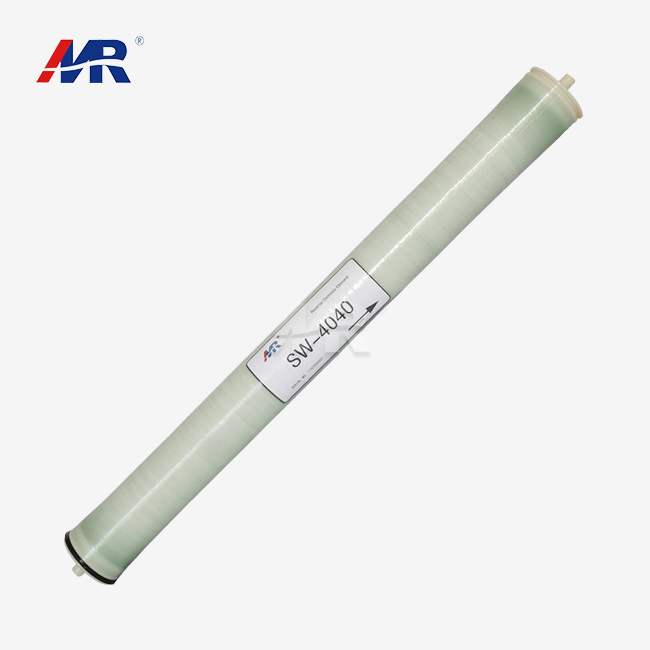 VIEW MORE4040 seawater reverse osmosis membrane
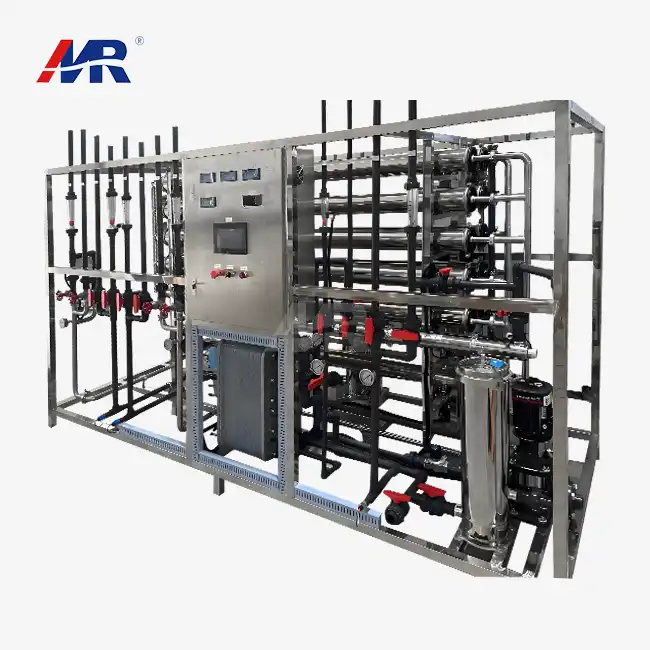 VIEW MORE2000 liters/hour EDI system
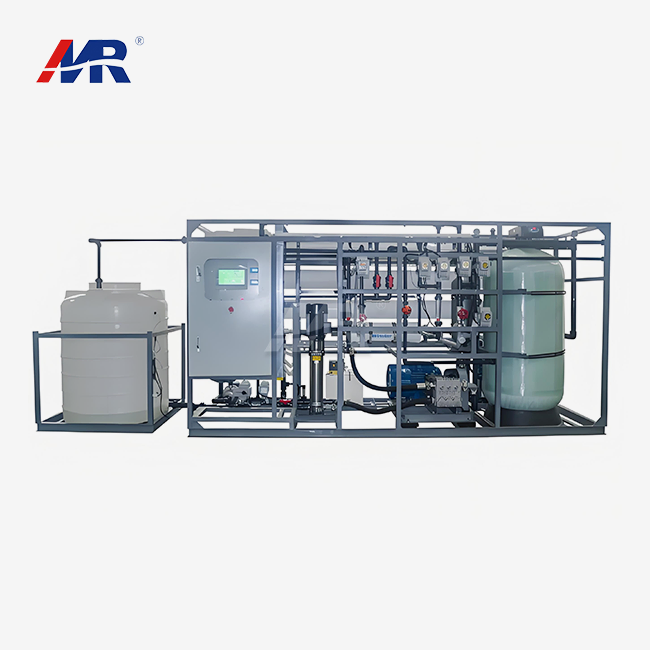 VIEW MOREseawater treatment system
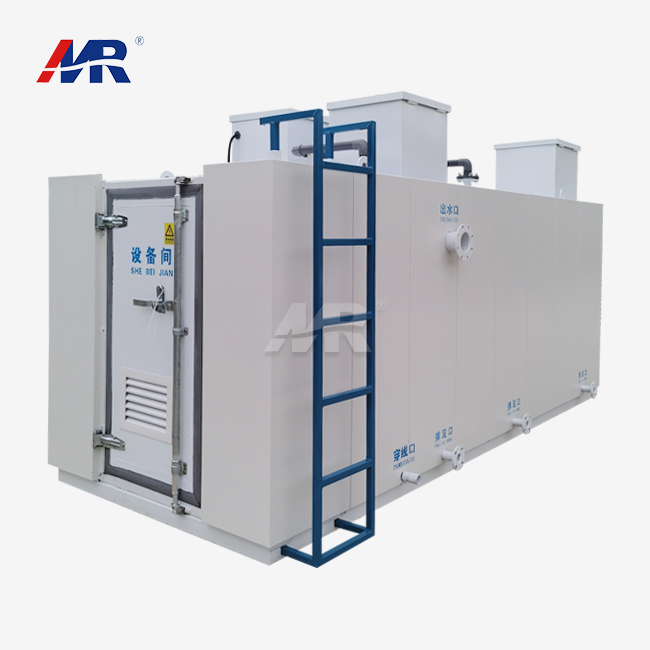 VIEW MOREwastewater treatment plant
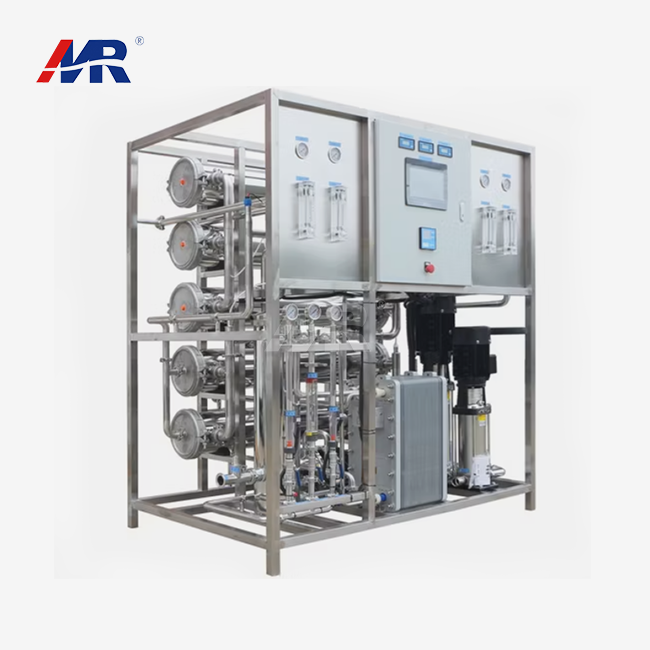 VIEW MOREro edi water system
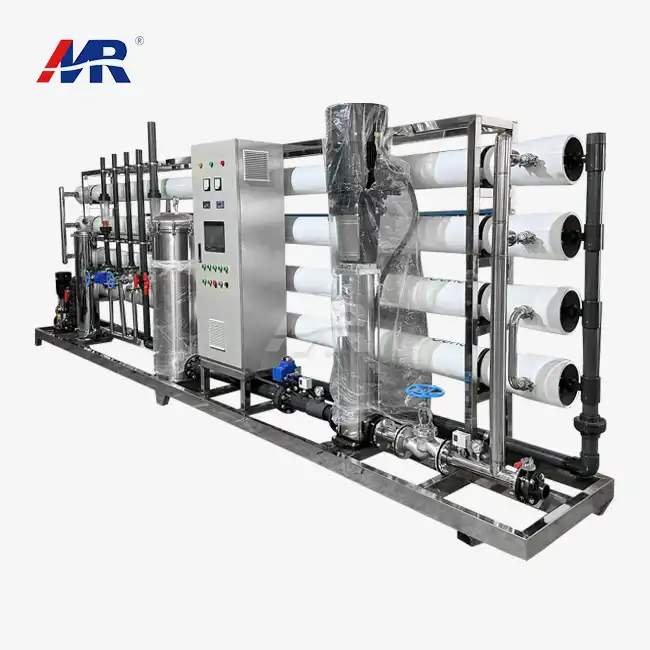 VIEW MORE500m3/day reverse osmosis RO plant
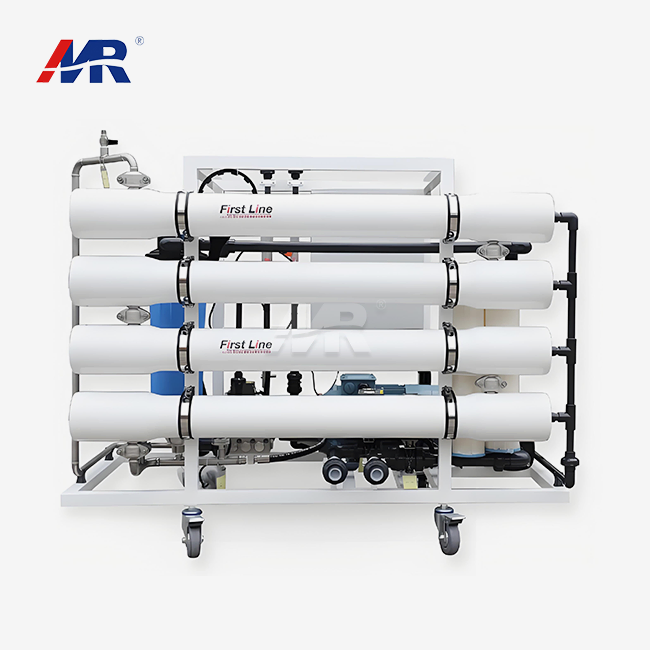 VIEW MOREseawater desalination system
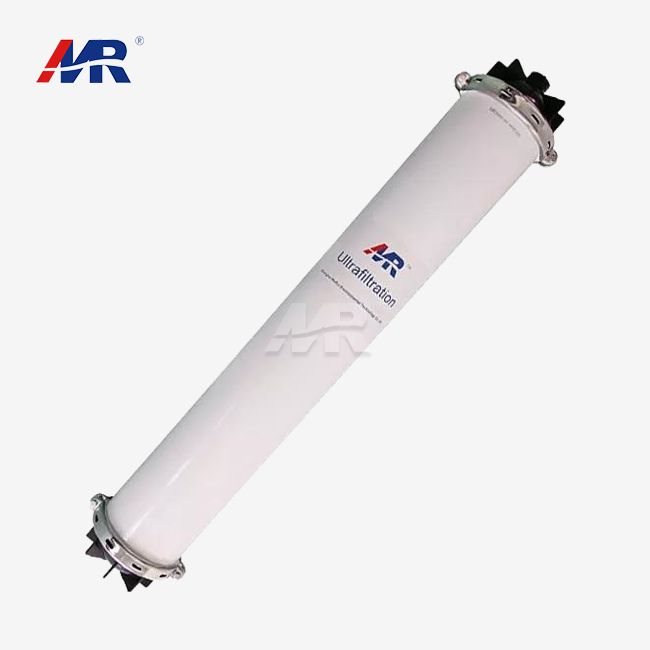 VIEW MOREultrafiltration membranes for water treatment
