_1745823981883.webp)

Price Guide: Container 3m³/Hour RO Equipment for Indonesia Buyers
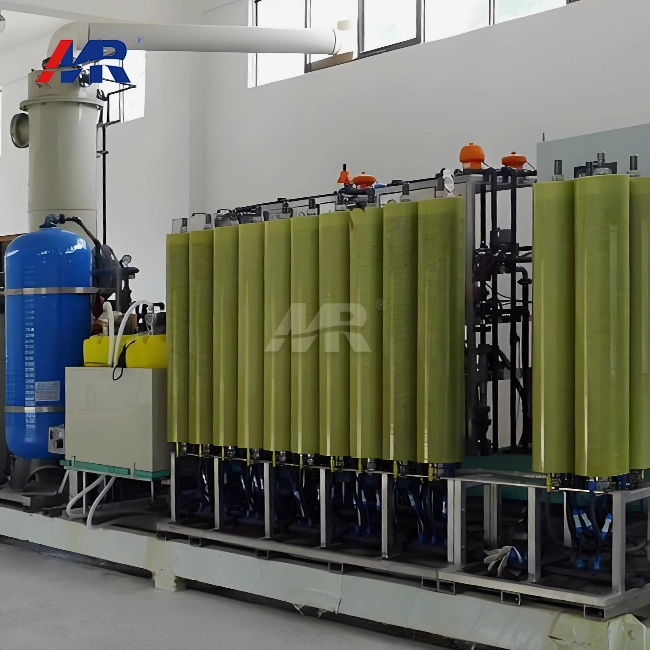
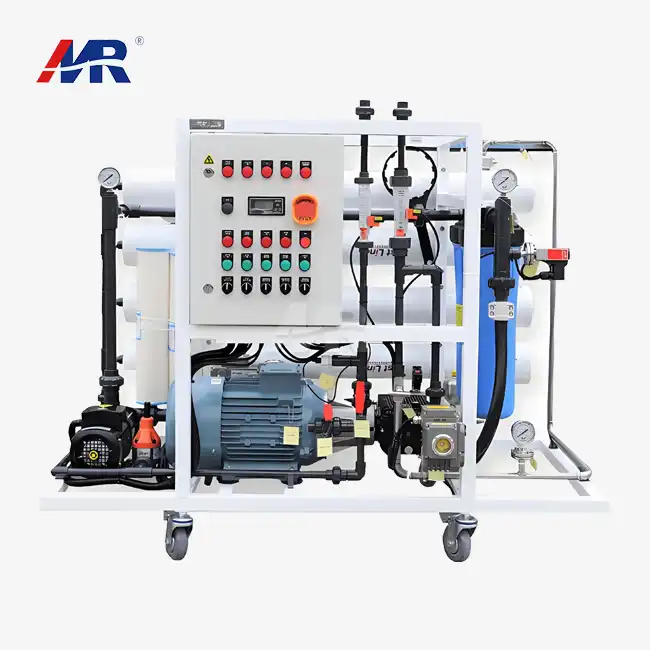
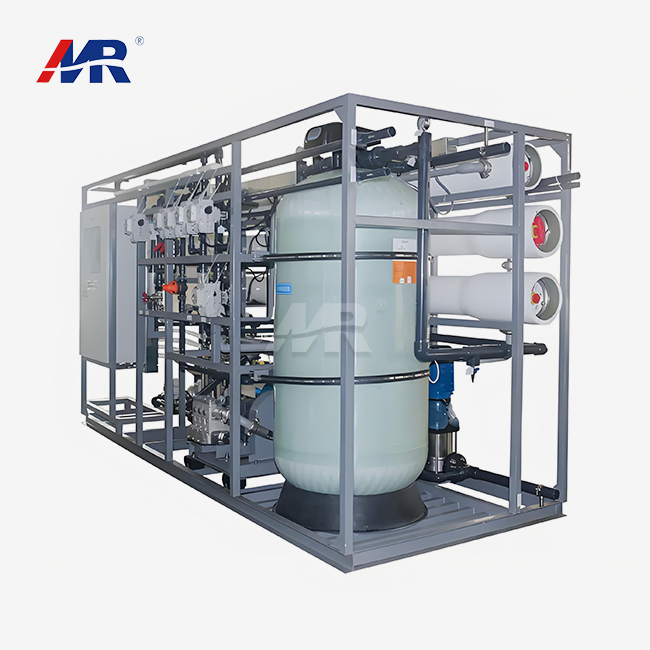
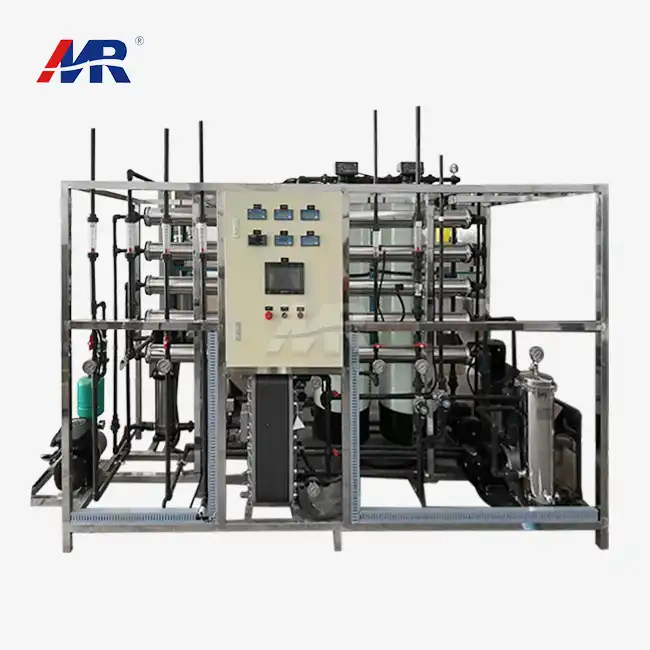
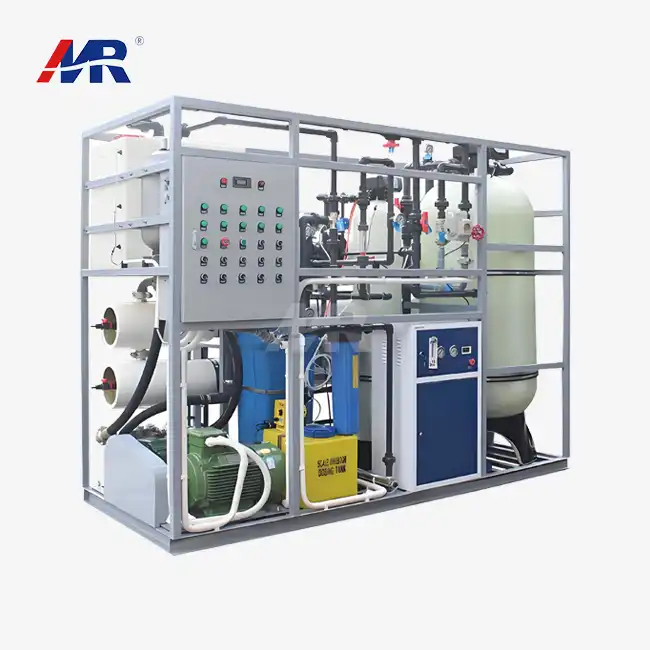
A lot of different market factors need to be carefully thought through in order to understand how much container 3m³/hour RO equipment costs in Indonesia. Based on current market research, Indonesian buyers can expect to pay between $15,000 and $35,000 for full containerized reverse osmosis systems that can handle 3 cubic meters of water per hour. These price changes rely on the specifics of the membrane technology, the amount of automation, and the Certifications of the suppliers. The Indonesian market for water treatment has been growing steadily. This is because industries are growing and rules about water quality are getting tighter across all production sectors. The Indonesian water treatment business has its own problems that affect how much equipment costs and how it is bought. Growing industry activity, especially in the making of food and drinks, medicines, and gadgets, has created a big need for reliable water purification options. Understanding how prices change in different areas helps buying managers make smart choices while keeping running costs as low as possible.

Regional Market Analysis for Water Treatment Equipment
Asia-Pacific Pricing Landscape
There are big differences in how prices are set in different parts of Asia's water treatment equipment market. The base prices for container 3m³/hour RO equipment from Chinese manufacturers are usually the most affordable. They range from $12,000 to $25,000 FOB. Because their robotic systems and membrane technology are more modern, Korean and Japanese suppliers charge higher prices, between $28,000 and $45,000.
Local assembly operations in Indonesia have sprung up as cheaper options, combining foreign core parts with the country's manufacturing skills. This mixed method cuts down on transportation costs while keeping the technical standards needed for industrial uses.
South American Market Dynamics
South American pricing patterns show interesting contrasts with Asian markets. Brazilian and Chilean manufacturers focus on robust designs suitable for challenging operating conditions, with prices typically 15-20% higher than comparable Asian equipment. The emphasis on corrosion-resistant materials and extreme weather adaptability drives these premium valuations.
Regional trade agreements within Mercosur countries create preferential pricing structures that benefit Indonesian importers exploring alternative supply chains. Exchange rate fluctuations between the Indonesian Rupiah and South American currencies present both opportunities and risks for strategic procurement planning.
African Market Opportunities
African manufacturers, particularly from South Africa and Egypt, offer competitive pricing while maintaining focus on renewable energy integration. Solar-powered container RO systems command 25-30% price premiums but deliver significant operational cost savings in remote deployment scenarios.
The African Development Bank's infrastructure investment programs have stimulated local manufacturing capabilities, creating new sourcing opportunities for Indonesian buyers seeking diversified supply chains.
Comprehensive Price Breakdown Analysis
Factory Pricing Structures
The plant prices for container 3m³/hour RO equipment are very high because the costs are very complicated and depend on things like the supply of raw materials, the cost of labor, and the need to follow rules. Price changes in stainless steel have a direct effect on the costs of equipment. Most producers' final prices have been affected by recent price rises of 12 to 18%.
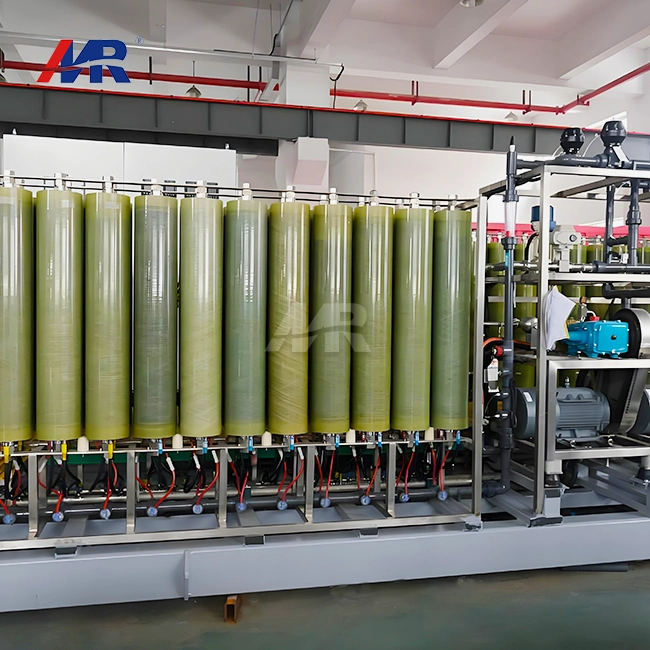
The cost of a high-rejection TFC membrane makes up about 25 to 30 percent of the total value of the tools. Premium membrane providers, such as Dow Chemical and Toray, charge more, but they offer longer guarantee terms and better salt rejection. Other membrane suppliers offer options that are both cost-effective and meet the performance standards needed for certain commercial uses.
Minimum Order Quantities and Volume Discounts
Indonesian buyers benefit from favorable MOQ structures when working with established suppliers. Single-unit purchases typically carry 15-20% price premiums compared to volume orders. Bulk procurement strategies unlock significant cost savings:
Volume orders of 3-5 units generate 8-12% discounts from list pricing. Large-scale deployments exceeding 10 units can achieve 18-25% cost reductions through negotiated pricing agreements. Annual procurement contracts with committed volumes provide additional leverage for favorable pricing terms.
Additional Cost Considerations
The current import taxes for water treatment tools into Indonesia are between 5 and 10 percent, based on the type of part. The fees for clearing customs are usually an extra $800 to $1,200 per container. The cost of marine insurance for basic coverage is between 0.3% and 0.5% of the value of the goods.
Logistics costs change a lot depending on the shipping method and the time of year. The cost of moving a 20-foot container from Asia to Indonesia is usually between $2,500 and $4,000. Moving across the Atlantic costs an extra $4,500 to $6,500. In Indonesia's main ports, handling fees add $400 to $600 to each package.
Standard setups need to set aside $3,000 to $5,000 for installation and testing services. In sites in remote areas, there may be extra costs for mobilization and longer service times.
Critical Factors Influencing Equipment Pricing
Raw Material Cost Volatility
Stainless steel pricing directly correlates with global commodity markets and trade policy changes. Recent supply chain disruptions have created price volatility ranging from 15-25% quarter-over-quarter. Procurement timing strategies can significantly impact project budgets, with forward contracting options available from established suppliers.
Membrane material costs fluctuate with petrochemical market conditions and specialized polymer availability. Technical-grade polyamide pricing has shown stability compared to stainless steel, providing some cost predictability for budget planning purposes.
Labor and Manufacturing Efficiency
Comparing different production areas shows how much labor costs change greatly for container 3m3/hour RO equipment. Established supply lines and manufacturing know-how help Chinese facilities, while developing markets like Vietnam and India offer cheaper labor and higher quality standards.
Pricing and quality stability are directly affected by how much a factory automates. Precision CNC cutting and automatic welding systems are expensive, but they produce better dimensions and welds.
Exchange Rate Impact
Currency fluctuations create ongoing pricing challenges for international procurement. The Indonesian Rupiah's performance against major trading currencies affects equipment affordability and total project costs. Hedging strategies through forward currency contracts provide cost certainty for large procurement projects.
Regulatory Compliance Costs
International certification requirements add complexity to pricing structures. CE marking for European components, NSF certification for drinking water applications, and local Indonesian SNI standards compliance each carry associated costs. Certified equipment typically commands 8-15% premiums over non-certified alternatives.
Regional Price Comparisons and Market Positioning
China versus Southeast Asian Suppliers
Chinese manufacturers maintain cost leadership through integrated supply chains and manufacturing scale advantages. Comparable equipment from Vietnamese or Thai suppliers typically costs 10-15% more while offering potential advantages in logistics proximity and cultural alignment.
Quality perceptions continue evolving as Chinese manufacturers invest heavily in quality systems and international certifications. Premium Chinese brands now compete directly with Korean and European suppliers on technical specifications while maintaining cost advantages.
European Technology Providers
German and Italian equipment suppliers focus on premium market segments with advanced automation and superior component integration. These systems command 40-60% price premiums but offer enhanced reliability and lower lifecycle costs for critical applications.
European suppliers excel in pharmaceutical and food-grade applications for container 3m3/hour RO equipment, where regulatory compliance and validation documentation justify premium investments. Technical support capabilities and spare parts availability provide additional value propositions for sophisticated industrial users.
Strategic Procurement Optimization
Supplier Relationship Development
Long-term relationships with suppliers give you access to better prices and faster production schedules. For relationships to work, everyone needs to be able to clearly understand the technical needs, quality standards, and completion dates. Regular performance reviews and checks of suppliers keep relationships high-quality and push for ongoing growth.
Talking about payment terms has a big effect on how much stuff actually costs. Early payment rates of 2% to 3% offer good returns on the use of operating capital. Letters of credit lower the danger that a supplier sees and help with negotiating reasonable prices.
Technical Specification Optimization
Right-sizing equipment specifications prevents over-engineering costs while ensuring adequate performance margins. Detailed water quality analysis guides appropriate membrane selection and pre-treatment requirements. Modular design approaches enable future capacity expansion without complete system replacement.
Energy efficiency optimization for container 3m3/hour RO equipment reduces operational costs and supports sustainability objectives. Variable frequency drives and energy recovery systems add initial investment but deliver substantial operational savings in high-usage applications.
Supply Chain Risk Management
Diversified supplier strategies reduce dependency risks and create competitive pressure for pricing optimization. Dual sourcing approaches balance cost optimization with supply security requirements. Emergency supplier agreements provide business continuity protection during supply chain disruptions.
Quality control programs ensure consistent equipment performance regardless of supplier selection. Incoming inspection procedures and performance testing protocols maintain quality standards across multiple suppliers.
Market Forecast and Future Pricing Trends
Technology Development Impact
Membrane technology advancement continues driving performance improvements and cost reductions. Next-generation membranes offer enhanced salt rejection with reduced energy requirements. These technological improvements support pricing stability despite raw material cost pressures.
Automation integration reduces labor requirements for equipment operation and maintenance. Smart monitoring systems enable predictive maintenance strategies that extend equipment lifecycles and reduce operational costs.
Economic Indicators and Market Predictions
According to predictions for Indonesia's economic growth, there will still be a high demand for water cleaning equipment until at least 2025 or 2027. Environmental laws and programs that build up infrastructure are pushing the market to grow beyond its usual commercial uses.
Over the next 18 to 24 months, stability of the global supply chain should keep material costs stable and lower price changes. As big makers raise their production, the competition will rise, which will help buyers get better prices.
Environmental Regulation Influence
Stricter environmental standards create opportunities for advanced water treatment technologies, including container 3m3/hour RO equipment. Regulations requiring higher recovery rates and better brine management drive demand for sophisticated containerized systems.
Carbon footprint considerations increasingly influence procurement decisions. Energy-efficient designs and renewable energy integration become competitive advantages in tender evaluations.
Conclusion
There are a lot of different price ranges and types of technology available on the container 3m³/hour RO equipment market in Indonesia. To buy tools successfully, you need to know a lot about how much it will cost in total, what the seller can do, and what your long-term technical needs are. Price runs from $15,000 to $35,000 right now, so there is something for every budget, and the water quality meets industry standards.
Simply choosing based on price isn't as useful as using strategic buying methods that focus on relationships with suppliers, technology optimization, and risk management. More competition and a more stable supply chain are good for buyers in the market, which makes it a good time to spend in buying tools. For specialized uses, Indonesian buyers can still get technology from global companies even though they are close to major manufacturing hubs.
FAQ
Q1: What factors determine the final price of container 3m³/hour RO equipment?
Equipment pricing depends on membrane technology selection, automation levels, material specifications, and supplier certifications. Additional costs include import duties, logistics, installation services, and local compliance requirements. Technical specifications for water quality targets directly influence component selection and system complexity.
Q2: How do bulk purchase quantities affect pricing negotiations?
Volume purchases unlock significant cost savings through manufacturer economies of scale. Orders of 3-5 units typically generate 8-12% discounts, while larger deployments can achieve 18-25% reductions. Annual procurement agreements with committed volumes provide additional negotiating leverage for favorable terms.
Q3: What are the typical lead times for container RO equipment delivery?
Standard equipment deliveries require 6-8 weeks from order confirmation to factory completion. Custom specifications may extend lead times to 10-12 weeks. Shipping transit times add 2-4 weeks, depending on origin location and shipping route selection.
Q4: Which certifications are most important for Indonesian applications?
SNI (Indonesian National Standard) certification ensures local regulatory compliance. NSF certification supports drinking water applications, while CE marking indicates European quality standards. ISO 9001 quality management certification demonstrates supplier quality system capabilities.
Q5: How do maintenance costs impact total ownership expenses?
Annual maintenance typically represents 8-12% of initial equipment investment. Preventive maintenance programs reduce unexpected repair costs and extend equipment lifecycles. Membrane replacement cycles of 2-3 years represent the largest recurring expense component.
Q6: What warranty coverage should buyers expect?
Standard warranties cover 12-24 months from commissioning completion. Premium suppliers offer extended warranties up to 36 months with comprehensive coverage. Membrane warranties typically provide separate coverage with performance guarantees for salt rejection and flow rates.
Partner with Morui for Your Container RO Equipment Requirements
Guangdong Morui Environmental Technology stands ready to support your container 3m³/hour RO equipment procurement with comprehensive solutions tailored to Indonesian industrial requirements. Our engineering team brings over 14 years of water treatment expertise across pharmaceutical, food and beverage, electronics, and municipal applications. With 20 dedicated engineers and strategic partnerships with leading component manufacturers, including Shimge Water Pumps and Runxin Valves, we deliver integrated solutions that exceed performance expectations.
Our containerized RO systems combine proven membrane technology with intelligent automation systems, ensuring reliable operation in demanding industrial environments. As an established container 3m³/hour RO equipment supplier, we provide complete project support from initial consultation through commissioning and ongoing maintenance services. Our nationwide service network with 14 regional branches ensures prompt technical support and spare parts availability.
Contact our technical specialists at benson@guangdongmorui.com to discuss your specific water treatment requirements and receive detailed pricing proposals. We offer flexible payment terms, comprehensive warranties, and competitive delivery schedules that align with your project timelines. Visit moruiwater.com to explore our complete equipment portfolio and technical capabilities.
References
1. Indonesian Water Association Annual Report on Industrial Water Treatment Market Analysis 2023
2. Asia-Pacific Water Treatment Equipment Manufacturing Cost Study by Regional Industrial Council
3. ASEAN Trade Statistics Quarterly Report on Water Technology Equipment Imports and Pricing Trends
4. Indonesian Ministry of Industry Guidelines for Water Treatment Equipment Standards and Certification Requirements
5. Southeast Asian Membrane Technology Pricing Survey by Water Technology Research Institute
6. Indonesian Chamber of Commerce Industrial Equipment Procurement Best Practices Manual