

_1745823981883.webp)

Membrane Bioreactor MBR: The Ultimate Guide for Wastewater Treatment Professionals
membrane">Membrane bioreactor MBR technology is the best way to treat wastewater today. It combines advanced membrane filtration with activated sludge methods to get great results. This complete guide talks about everything people need to know about MBR systems, from how they work to how they can be used in different fields. Whether you're in charge of a city treatment plant or a corporate wastewater problem, knowing what MBR technology can do can change the results of your treatment while also making it more efficient and long-lasting.

Understanding Membrane Bioreactor Technology
These days, treating garbage requires more than just the old ways of doing things. Membrane bioreactor MBR combine biological treatment methods with ultrafiltration or microfiltration membranes to make a powerful mix that meets the strict water quality standards of today.
In order to get around the problems with older activated sludge systems, this new technology was created. Usually, solids and liquids are separated by gravity. MBR systems, on the other hand, use membrane modules with pores that are between 0.01 and 0.4 microns in size. This exact filter makes sure that all of the suspended solids and biomass are kept.
The membrane barrier lets more sludge build up in the bioreactor, keeping the mixed liquor suspended solids levels between 8,000 and 15,000 mg/L instead of 2,000 to 4,000 mg/L in regular systems. This concentration rise makes treatment much more effective and lowers the amount of space needed.
Membrane bioreactor MBR systems keep sludge for longer periods of time, usually longer than 20 to 30 days. This long-term preservation helps slow-growing microorganisms grow, which are needed to nitrify and break down complex organic substances. This leads to better removal of nutrients and better handling of industrial pollution.
How MBR Systems Work: The Complete Process
The MBR cleaning process starts when wastewater goes into an adjustment tank. This tank evens out changes in flow and makes sure that the system always gets the same amount of water. This first step makes sure that the working conditions stay fixed during the whole treatment cycle.
The wastewater moves from the balance tank to the biological treatment zone, which usually has both anoxic and aerobic areas. Denitrification is the process by which bacteria change nitrates into nitrogen gas. This gets rid of nitrogen chemicals in the sewer stream.
The next zone is the aerobic zone. In this zone, liquid oxygen helps nitrifying bacteria turn ammonia into nitrate. At the same time, aerobic bacteria break down organic matter, which lowers both the molecular and chemical oxygen demands. The aeration system brings in air and creates movement that keeps membranes from getting dirty.
The mixed liquid from the biological reactor moves through the Membrane bioreactor MBR sections with only a little air pressure. In a literal sense, the membranes separate water molecules from bacteria, viruses, solids in suspension, and bigger organic molecules. On one side, clean permeate water comes out, but the compressed biomass stays in the reactor.
The system has automatic backwashing processes that send filtered water back through the membranes in the opposite direction, which removes any particles that have built up. This mechanical cleaning, along with air scrubbing, keeps the membrane permeable and makes it last longer.
Key Advantages of MBR Technology
Because membrane bioreactor systems don't take up much room, they can be used in places like factories and cities where space is limited. MBR systems treat the same amount of wastewater in 50–70% less space than traditional treatment plants, which need big clarifiers and settling tanks.
The quality of the wastewater that comes out of MBR systems always meets strict standards for release and can be used directly for other purposes. The usual qualities of wastewater are turbidity less than 1 NTU, dissolved solids below 5 mg/L, and bacterial removal higher than 99.9%.
Modern Membrane bioreactor MBR systems use between 0.5 and 0.8 kWh of energy per cubic meter of cleaned water. Although membrane aeration uses more energy than other methods, it often saves energy in the long run because it gets rid of the need for secondary clarifiers and makes treatment more efficient.
Longer sludge retention times and full biomass retention greatly reduce the production of sludge. Many sites say that their activated sludge systems produce 30–50% less extra sludge than traditional systems, which lowers the cost of disposal and the damage to the environment.
Because the operations can be computerized, less work needs to be done, and mistakes are less likely to happen. Critical factors like transmembrane pressure, permeate flux, dissolved oxygen levels, and cleaning processes are tracked by programmable logic controllers. This system makes sure that performance stays the same and simplifies operations.
Technical Specifications and Design Parameters
MBRs come in a range of sizes, from small units that can handle 50 cubic meters per day to huge public setups that can handle 10,000 cubic meters per day. The flexible design philosophy makes it easy to add more treatment space as needed.
Hollow fiber and flat sheet designs are two types of membrane configurations, and each has its own benefits. Hollow fiber membranes have a structure that can support itself and a lot of surface area per unit volume. In some situations, flat sheet membranes are easier to clean and less likely to get clogged.
Operating flow usually stays between 10 and 25 liters per square meter per hour (LMH), which balances the membrane's ability to treat with its ability to last. Lower flux rates make membranes last longer, but they need to cover more area. Higher flux rates make treatment more intense, but they may speed up fouling.
The hydraulic holding time can be anywhere from 6 to 12 hours, based on the type of wastewater and the treatment goals. In industrial settings, greater retention times are often needed to deal with complex toxins and higher organic loads.
The aeration system does two things: it gives living processes air and speeds up the flow across membrane surfaces. The rough bubble ventilation under the membrane modules causes shear forces that stop biofilm from forming and particles from sticking to the membrane.
Applications Across Industries
Getting rid of garbage in cities is where Membrane bioreactor MBR technology is most commonly used. Cities all over the world use membrane bioreactors to update old infrastructure, meet stricter disposal standards, and start programs that recover water. Decentralized treatment methods are used in residential areas where organized facilities wouldn't work.
High-strength wastewater with organic substances, suspended solids, and nutrients is made by the food and beverage sectors. MBR systems handle these difficult waste streams well and produce runoff that can be used for watering or cooling in factories. The strong performance of MBR technology is especially helpful in dairy processing, brewery operations, and food-making sites.
Medicinal and biotechnology businesses need to be able to trust that their wastewater, which contains biological materials, solvents, and active medicinal ingredients, will be properly treated. Complete biomass retention in MBR systems makes sure that medicine chemicals break down completely while still following strict rules about release.
When textiles are made, wastewater is produced that has a lot of color, solids in suspension, and chemicals added to it. MBR systems get rid of these contaminants effectively while keeping treatment performance constant, even when the features of the influent change.
MBR technology is used in petrochemical and chemical processing plants to clean dirty sludge and get rid of dissolved organics. The longer time that the sludge is kept in place helps specialized microbes grow that can break down complex industrial poisons.
Maintenance and Operational Considerations
Membrane fouling is the main problem that Membrane bioreactor MBR systems have to deal with. Fouling happens in several ways, such as by blocking pores, forming cake layers, and growing biofilms. Some effective ways to stop fouling are to use the right aeration patterns, handle the flow correctly, and clean the system regularly.
When physical cleaning doesn't work, chemical cleaning can restore membrane permeability. Acidic cleaners get rid of artificial scaling, while caustic cleaners get rid of organic fouling. How often the membrane needs to be cleaned relies on the type of wastewater, how it is used, and the working conditions.
Monitoring the pressure across the barrier gives early warning of fouling growth. When pressure goes up, membrane permeability goes down, which means that extra oxygenation, relaxation times, or chemical cleaning processes are needed to fix the problem.
Monitoring biological activity regularly makes sure that nutrients are removed and organic matter breaks down properly. Dissolved oxygen concentration, pH levels, temperature, and sludge traits are some of the most important factors. Keeping the surroundings in good shape helps keep microbial groups healthy, which is important for the treatment to work.
Having a spare membrane on hand means that there is little downtime during repair or replacement tasks. Most facilities keep 10–20% extra capacity on hand in case a membrane fails or needs to be cleaned without affecting the treatment capacity.
Economic Analysis and Return on Investment
The initial investment for MBR systems is usually 20–40% higher than that for regular activated sludge plants. But smaller designs, less land needed, and not needing extra clarifiers can often make up for higher membrane costs by lowering the cost of building them.
Costs of doing business include things like using energy, replacing membranes, cleaning with chemicals, and hiring people to do the work. The highest ongoing cost is replacing the membrane, which usually lasts between 5 and 10 years, based on how it is used and how well it is maintained.
More and more, the economics of Membrane bioreactor MBR investments are supported by water recovery income streams. Treated wastewater that can be used for farming, cooling factories, or recharging groundwater offers valuable water resources while lowering the need for freshwater and the costs of release.
Less gunk means less waste to throw away, which is good for the earth. Compared to traditional treatment methods, many sites get back 30 to 50 percent of the costs of handling sludge.
Using biogas capture and combined heat and power systems to recover energy can help balance out the energy used for operations, while also creating green energy credits and lowering the carbon footprint.
Future Developments and Innovations
Membrane technology keeps getting better, with higher permeability, better fouling resistance, and longer operating life. New membrane materials, like ceramic alloys and surface-modified plastics, promise to last longer and be less affected by chemicals.
Adding advanced oxidation methods to the treatment process makes it possible to handle new contaminants like pharmaceuticals, personal care Products, and chemicals that mess with hormones. These mixed systems get rid of all contaminants by using both bacterial degradation and chemical oxidation.
Applications that use artificial intelligence and machine learning make the membrane bioreactor MBR work better by using predictive maintenance, automatic cleaning processes, and performance optimization methods. Real-time tracking and smart sensors make it possible to control systems proactively and lower operating costs.
Anaerobic membrane bioreactors are new energy-neutral ways to treat wastewater because they treat it and make biogas at the same time. These systems make green energy from organic garbage streams while also using less energy.
Conclusion
The membrane bioreactor technology is a revolutionary way to clean wastewater because it produces better runoff, is smaller, and is reliable in operation. Using both biological treatment and membrane filtering together meets the needs for more water usage, tighter discharge standards, and long-lasting treatment methods. As businesses and cities look for more advanced ways to treat wastewater, MBR systems have been shown to work well and give great returns on investment in a wide range of situations.
Choose Morui for Advanced MBR Solutions
Guangdong Morui Environmental Technology brings over a decade of Membrane bioreactor MBR manufacturing expertise to your wastewater treatment challenges. Our comprehensive MBR systems integrate cutting-edge membrane technology with proven biological treatment processes, delivering exceptional performance across municipal and industrial applications.
Connect with our engineering team at benson@guangdongmorui.com to discuss your specific requirements and discover how our turnkey solutions can optimize your treatment operations while maximizing return on investment.
References
1. Judd, S. (2010). The Status of Membrane Bioreactor Technology. Trends in Biotechnology, 28(4), 191-202.
2. Meng, F., Chae, S. R., Drews, A., Kraume, M., Shin, H. S., & Yang, F. (2009). Recent Advances in Membrane Bioreactors: Membrane Fouling and Membrane Material. Water Research, 43(6), 1489-1512.
3. Kraume, M., & Drews, A. (2010). Membrane Bioreactors in Waste Water Treatment – Status and Trends. Chemical Engineering & Technology, 33(8), 1251-1259.
4. Le-Clech, P., Chen, V., & Fane, T. A. G. (2006). Fouling in Membrane Bioreactors Used in Wastewater Treatment. Journal of Membrane Science, 284(1-2), 17-53.
5. Yang, W., Cicek, N., & Ilg, J. (2006). State-of-the-Art of Membrane Bioreactors: Worldwide Research and Commercial Applications in North America. Journal of Membrane Science, 270(1-2), 201-211.
6. Howell, J. A., Sanchez, V., & Field, R. W. (1993). Membranes in Bioprocessing: Theory and Applications. Chapman & Hall, London, 520 pages.
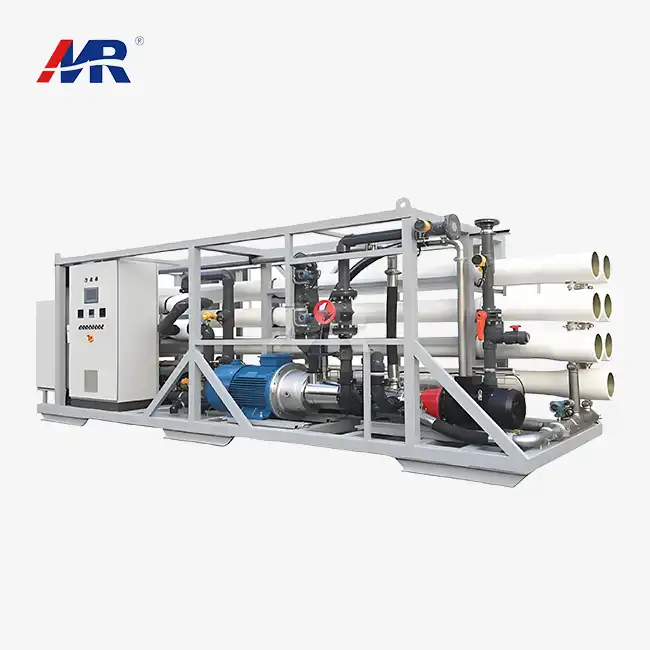 VIEW MORE20m3/hour seawater desalination equipment
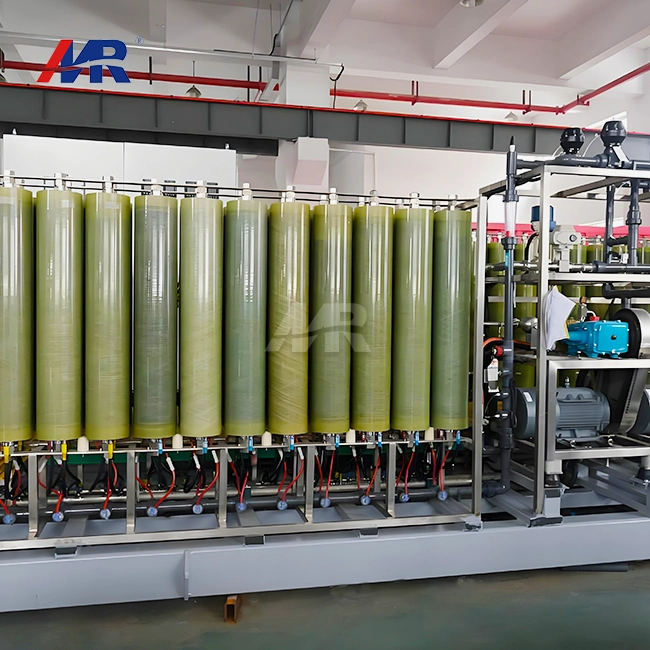 VIEW MOREDTRO Technology
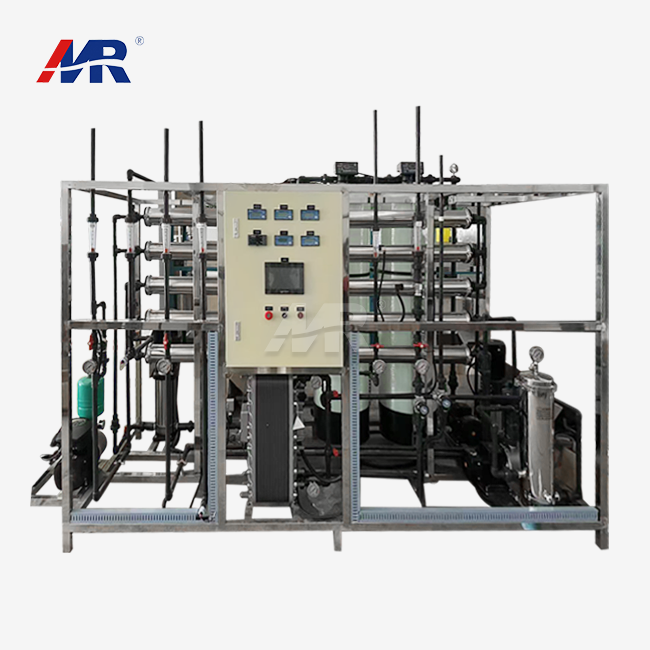 VIEW MOREedi purified water system
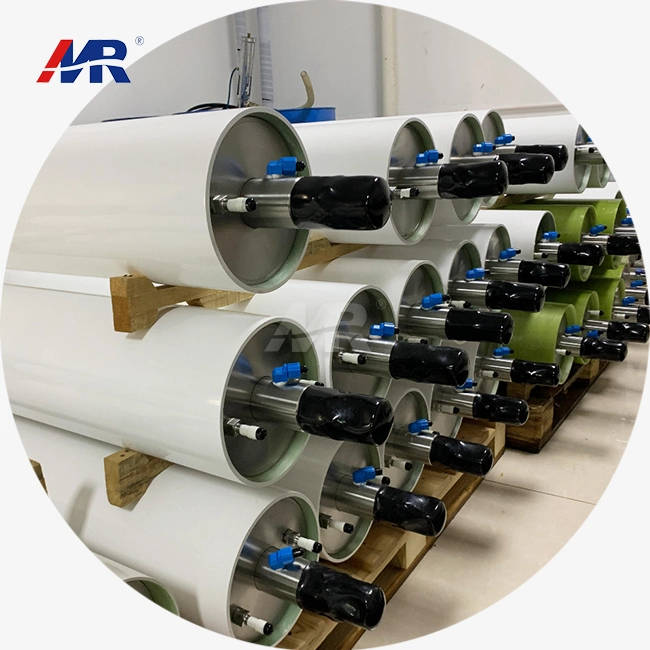 VIEW MORELandfill Leachate Treatment Plant
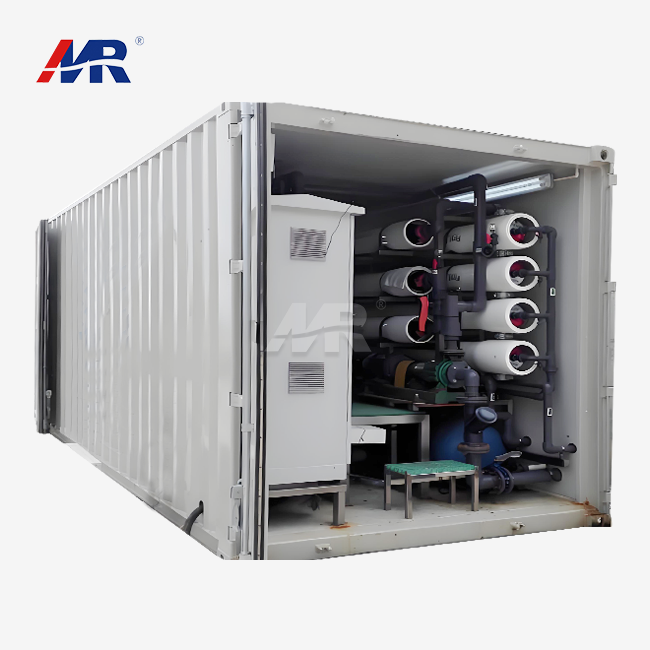 VIEW MOREcontainer seawater desalination equipment
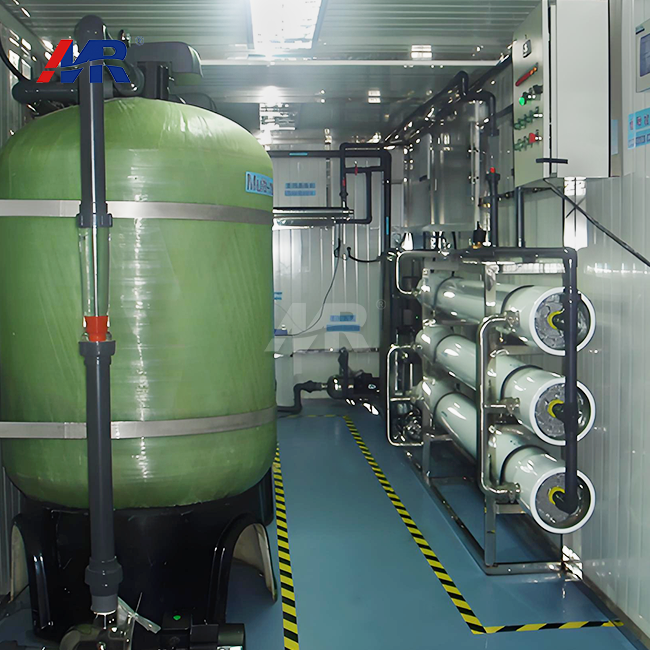 VIEW MOREContainerized Mobile Water Treatment Systems
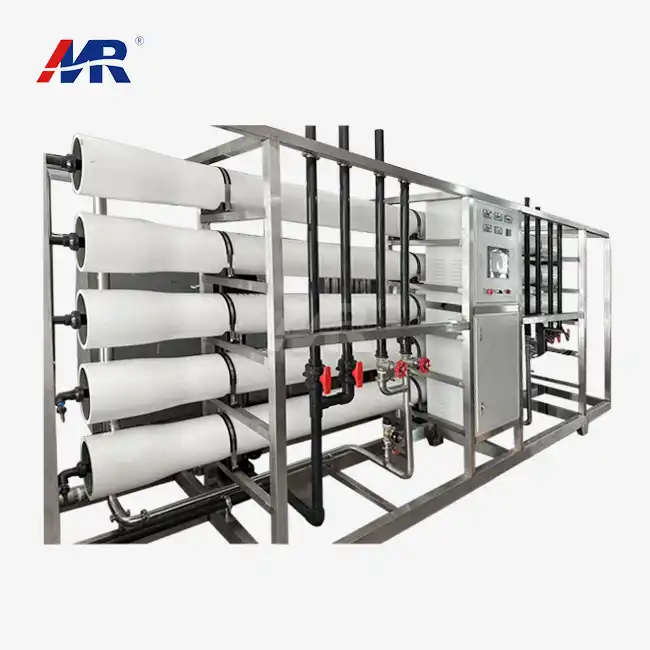 VIEW MORE25m3/hour reverse osmosis equipment
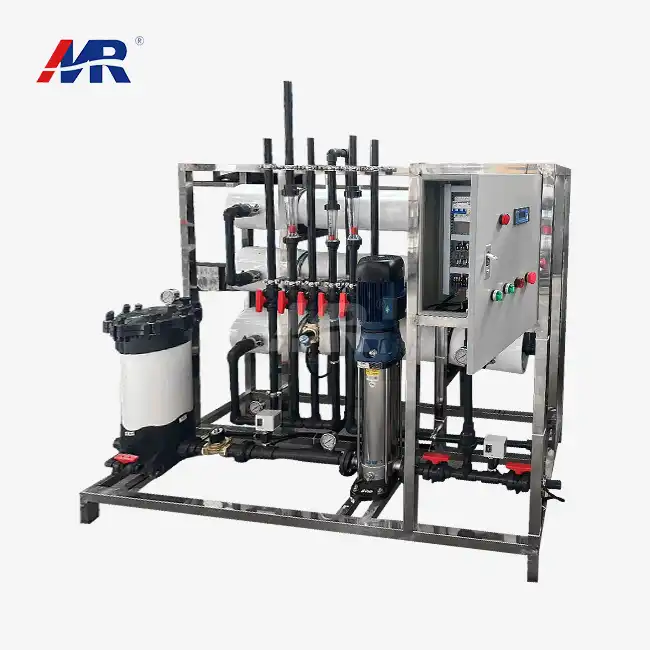 VIEW MORE3T/H reverse osmosis equipment
