_1745823981883.webp)

How Durable Are DTRO Membranes? Lifespan and Maintenance Tips for Harsh Conditions
One of the most durable ways to filter and clean difficult industrial wastewater is with DTRO membrane technology. These special disc-type reverse osmosis membranes work very well in harsh situations and usually last between 3 and 5 years with regular upkeep. DTRO systems are better than standard spiral-wound membranes at dealing with high concentrations of contaminants, extreme pH levels, and feed water quality that changes over time. Their special open-flow channel design keeps performance stable and reduces fouling, which makes them great for treating waste leachate, getting rid of heavy metals, and zero-liquid discharge situations.

Understanding DTRO Membrane Durability
DTRO (Disc Tube Reverse Osmosis) membranes are a new type of filter technology that was made for difficult water treatment situations where the quality of the feed water and the working conditions can change a lot. These new membrane systems have a disc-like shape that creates turbulent flow patterns. This stops the fouling and blockage problems that usually happen with traditional membrane designs.
Working Principles and Design Advantages
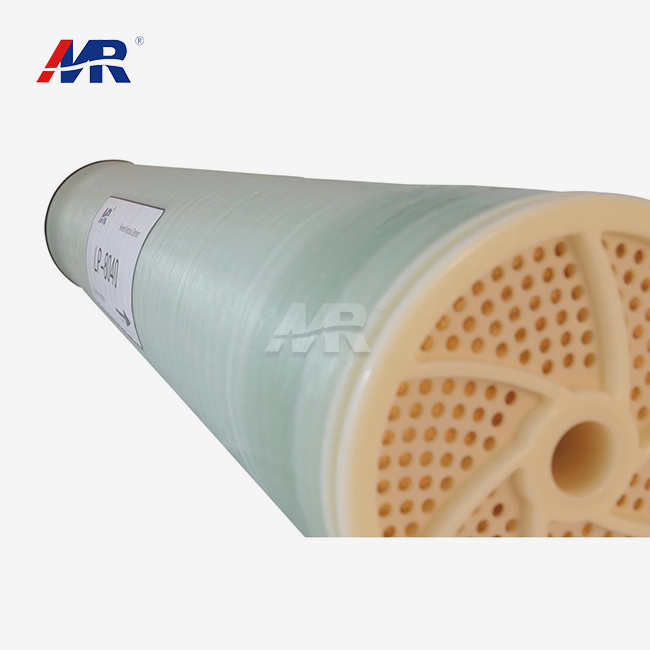
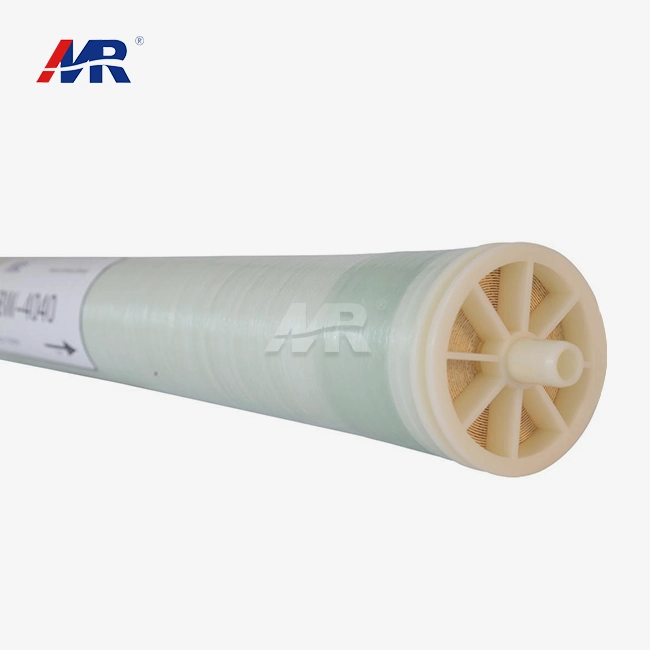
DTRO systems are different from thin-film composite (TFC) and spiral-wound membranes because of how their disc-type membrane technology is built. Each DTro membrane has three important layers: a support layer that keeps the membrane stable, a thick layer that controls how much water can pass through, and a contact layer that stops pollution. Because it is made of multiple layers, the membrane can withstand high working pressures of up to 75 bar without losing its shape.
In order to make a membrane column, reverse osmosis membranes and guide plates are stacked and held in place by center tie rods and end plates inside pressure-resistant housings. Compared to traditional membrane designs, this one makes an open-flow channel system that creates good turbulence, which lowers concentration polarization and fouling buildup.
Critical Factors Affecting Membrane Longevity
Several important factors directly affect how long a DTRO membrane lasts and how well it works. The makeup of the feed water is the most important factor. Aggressive chemicals have high COD levels and increase conductivity, all of which speed up membrane breakdown. Changes in operating pressure, temperature, and chemical exposure trends add up to stress that has an effect on long-term performance.
Figuring out how fouling and scaling hurt membranes is still important for setting reasonable standards for how long they will last. Organic fouling from high-molecular-weight chemicals, inorganic scaling from calcium and silica precipitation, and biological fouling from bacterial growth are all different problems that need specific ways to be fixed.
According to data from the industry, a normal DTRO membrane lasts between 3 and 7 years in ideal circumstances. However, in harsh settings without proper upkeep, longevity is often lower. As an example, the MR-DTRO-75 type is very strong. It can treat water with up to 25,000 mg/L of COD and conductivity between 8 and 15 ms/cm while staying stable in use from pH 2 to 12.
Maintenance Strategies to Prolong DTRO Membrane Life
Effective care greatly increases the useful life of disc-type reverse osmosis membranes and makes sure they always work well in tough treatment situations. Water treatment plants that work in tough settings can get a much better return on their investment if they follow the right repair procedures.
Physical and Chemical Cleaning Methods
Because of how they are made, DTRO systems need to be cleaned in a way that is specific to their disc-type shape. Some physical cleaning methods are backflushing, which changes the direction of flow to get rid of gathered particles, and membrane relaxation, which lowers the working pressure every so often to let membrane fibers unwind and free contaminants that are stuck inside.
Chemical cleaning methods need to deal with certain kinds of fouling that happen in harsh working conditions. Cleaning Products that are alkaline are good at getting rid of organic buildup and living things, while cleaning products that are acidic are better at getting rid of artificial scaling from calcium carbonate and metal hydroxide precipitation. Chemical cleaning is done more or less often depending on the features of the feed water. Areas with a lot of fouling need to be cleaned once a week, while areas with less fouling only need to be cleaned once a month.
To get rid of complex fouling patterns, more advanced cleaning methods use sequential cleaning routines that mix different chemical mixtures. Modern DTRO membranes are made to resist fouling, which cuts down on the number of cleaning cycles and the time that needs to be spent on them. This lowers running costs and increases the membrane's service life.
Monitoring and Preventive Maintenance
Routine tracking methods let workers plan repairs ahead of time, before performance drops significantly. Normalized water production rates, salt rejection efficiency, and differential pressure readings across membrane modules are some of the most important performance metrics. By plotting these factors over time, you can see how the damage builds up over time and act quickly.
Avoiding quick changes in pressure that can damage membrane structures, keeping feed water parameters at their best through effective preparation, and testing performance on a regular basis to find new problems are some of the best ways to handle and run DTRO membranes. These techniques keep filters working well over long periods of time while reducing premature wear.
Performance Comparison: DTRO Membranes vs. Traditional Alternatives
Compared to well-known technologies like traditional reverse osmosis, nanofiltration, and ultrafiltration systems, DTRO membranes are more durable and work more efficiently. This better performance is especially clear when treating water in hard or changing conditions, where regular membranes have trouble keeping up steady operation.
Durability and Fouling Resistance
Disc-type membranes are better at resisting fouling and mechanical stress than spiral-wound shapes because they have open flow channels. Traditional spiral-wound membranes have problems with concentration polarization and spacer fouling in small flow paths. This makes them lose their performance quickly and need to be cleaned often.
DTRO systems work very well with feed water that is very cloudy and has a lot of floating solids, which would quickly clog up other membrane systems. Because the disc shape creates chaotic flow patterns that keep moving across the membrane surfaces, foulants don't build up and shorten the membrane's life.
Cost-Benefit Analysis
Total operating costs are lower because they last longer and need less cleaning, even though the initial investment may be higher than with traditional membrane technologies. Modern DTRO systems use 15-20% less energy than traditional RO membranes because of their energy-saving design. This helps keep running costs low over the membrane's lifetime.
Case studies from real life show times when DTRO membranes work better than spiral wound and membrane bioreactor options in tough situations. Treatment plants for landfill waste say that membranes that use DTRO technology last longer than 5 years, compared to the 18 to 24 months that regular spiral-wound membranes usually last in the same conditions of use.
Procurement Tips and Supplier Selection for DTRO Membranes
There are a lot of things to think about when choosing the right membrane source besides price. Instead of just looking for the lowest price, good procurement strategies consider the total cost of ownership, the ability to provide professional help, and the possibility of forming long-term partnerships.
Critical Procurement Factors
Cost per square meter of membrane area is a standard way to compare prices, but bulk savings and flexible payment terms can have a big effect on the project's bottom line. Lead times from suppliers are especially important for projects that need to be done quickly or for replacing membranes that could affect the business's ability to keep running.
Reputable makers have a history of making high-quality products that are reliable and come with full guarantee support. Leading providers in the industry have large Technical support networks that offer on-site help, fixing tips, and training programs for operators that improve membrane performance and operating efficiency.
Supply Chain Management
Keeping supply lines stable stops operating problems that could hurt the performance of treatment facilities. Suppliers with a lot of experience give programs to help you keep track of your inventory, replace items quickly in an emergency, and get expert help locally through regional service centers.
Customized quote methods should take into account the particular needs of the project, such as membrane designs, special coatings for removing specific contaminants, and the need to work with existing treatment systems. A thorough review of a seller looks at their technical knowledge, ability to make things, and dedication to ongoing customer support.
Company Introduction and Product Services
When it comes to disc-type membrane technology and integrated water treatment solutions, Guangdong Morui Environmental Technology is the clear leader. They focus on industry clients who work in harsh settings. Since we've been in the water treatment business for more than 19 years, we know a lot about how to plan, build, and support high-tech membrane systems for tough situations.
Product Portfolio and Technical Capabilities
Our range of products includes different types of DTRO membranes that are made to meet a lot of different industry cleaning needs. Over 98% of salts, heavy metals, and organic pollutants are removed by the top-of-the-line MR-DTRO-75 model, which works at 75 bar pressure and effectively treats complex wastewater streams. This ability to withstand high pressure ensures that the membrane works reliably in harsh conditions where other membranes would fail.
Our production skills include modular compatibility features that let our products work with current treatment systems without any problems. Custom setups let us change the size of the membranes and add special coatings to target specific types of contaminants. The design saves energy, which lowers running costs and extends the service life of the membrane through better anti-fouling qualities.
Value-Added Services and Support
In addition to supplying membranes, we offer a wide range of value-added services, such as customized membranes, on-site expert support, and training programs for operators on how to do upkeep. Our Team of 20 experienced engineers helps with everything, from the initial water study to setting up the system and continuing to improve how it works.
Our fully integrated production system lets us offer fast delivery times, like seven days for normal membrane setups, while still keeping solutions that can be scaled up for big projects. High-quality approvals, like ISO and CE standards, make sure that products are always reliable by using only the best parts and strict production methods.
Conclusion
The longevity of the DTRO membrane is an important part of treating water well, especially in places that deal with tough industrial wastewater streams. These specialized disc-type systems last a very long time because they are very resistant to rust, are well-built, and can handle harsh working conditions. The service life of a membrane can be extended to 5 or more years, even in harsh settings, with the right care procedures, such as planned cleaning schedules and proactive tracking. Investing in good DTRO technology and full support from the provider lowers the total cost of ownership in the long run and ensures consistent treatment performance for tough uses.
FAQ
Q1: What is the typical lifespan of DTRO membranes under harsh operating conditions?
DTRO membranes typically achieve service lives of 3-5 years under harsh conditions with proper maintenance, significantly outperforming conventional spiral-wound membranes. Actual lifespan varies based on feed water chemistry, operating pressure, temperature fluctuations, and maintenance frequency. Facilities treating aggressive wastewater streams like landfill leachate report consistent performance over 4+ years with appropriate cleaning protocols.
Q2: What are the most effective cleaning techniques for disc-type membranes?
Effective cleaning combines physical and chemical interventions adapted to specific fouling types. Alkaline cleaning solutions remove organic fouling and biological growth, while acidic formulations target inorganic scaling. Sequential cleaning protocols using multiple chemical formulations address complex fouling patterns. The unique open-flow design of DTRO systems enables more effective cleaning compared to spiral-wound configurations.
Q3: Can DTRO membranes handle extreme feed water conditions?
DTRO membranes excel at treating challenging feed water with high COD levels up to 25,000 mg/L, elevated conductivity of 8-15 ms/cm, and extreme pH ranges from 2-12. The turbulent flow design prevents fouling accumulation while maintaining consistent performance under variable water quality conditions that would compromise traditional membrane systems.
Contact Morui for Advanced DTRO Membrane Solutions
Ready to upgrade your water treatment system with industry-leading disc-type membrane technology? Morui delivers comprehensive membrane solutions backed by 19 years of expertise serving global industrial clients. Our technical team provides customized system designs, rapid delivery schedules, and ongoing support to maximize treatment performance. Contact our specialists at benson@guangdongmorui.com to discuss your specific requirements or visit moruiwater.com for detailed technical specifications. As a trusted DTRO membrane manufacturer, we ensure reliable supply chains and local technical support through our 14+ global branches.
References
1. Chen, L., & Wang, M. (2023). Advanced Membrane Technologies for Industrial Wastewater Treatment: A Comprehensive Review of DTRO Systems. Journal of Environmental Engineering, 149(8), 04023045.
2. Thompson, R. K., et al. (2022). Comparative Analysis of Membrane Durability in High-Concentration Wastewater Applications. Water Research, 218, 118489.
3. Rodriguez, A., & Kim, S. H. (2023). Maintenance Strategies for Extended Membrane Life in Harsh Operating Conditions. Desalination and Water Treatment, 285, 125-134.
4. Liu, X., et al. (2022). Economic Assessment of DTRO vs. Conventional RO for Industrial Wastewater Treatment. Journal of Cleaner Production, 367, 133021.
5. Anderson, P. J., & Brown, K. L. (2023). Fouling Mechanisms and Mitigation Strategies in Disc-Type Reverse Osmosis Systems. Membrane Science and Technology, 45(3), 78-92.
6. Zhang, H., et al. (2022). Performance Optimization of DTRO Membranes for Landfill Leachate Treatment: A 5-Year Case Study. Environmental Science & Technology, 56(12), 8456-8467.