

_1745823981883.webp)

What Is a DTRO Membrane and How Does It Work in High Salinity Water Treatment?
A DTRO membrane, or Disk-Tube Reverse Osmosis, is a special kind of membrane technology made to clean up wastewater streams that are high in salt and concentration. This disc-type reverse osmosis system works with a special open-flow channel design that creates controlled turbulence. This keeps the membrane from getting clogged and lets it treat difficult water sources like landfill leachate, industrial brine, and concentrated wastewater. A three-layer hybrid structure makes the DTro membrane work better. It has a support layer that keeps it stable, a thick layer that controls how much water can pass through, and a contact layer that stops pollution.

Understanding DTRO Membrane Technology: An Overview
The Fundamental Structure of DTRO Membranes
The unique disc-tube shape of DTRO technology makes it very different from standard spiral-wound membranes. Multiple membrane discs are stacked along a central tie rod inside a pressure-resistant shell to make up the membrane module. This arrangement makes clear flow pathways that encourage rapid flow, which lowers the chance of fouling and membrane breakdown.
The three-layer hybrid membrane structure is made up of a strong support layer that keeps the structure together, a selective thick layer that controls the quality of the permeate, and a special contact layer that was designed not to foul. Because of how it's made, the membrane can work in harsh situations and keep doing its job even when the feedwater quality changes.
Working Principles Behind DTRO Systems
Disc-tube reverse osmosis works by forcing water through a membrane system under pressure. The special flow pattern helps move large amounts of water while reducing the effects of concentration polarization. Unlike other systems, the open-channel design lets higher cross-flow speeds to occur, which keeps rejected contaminants from building up on the membrane surface.
When feedwater comes into the system, it runs through a path made of alternate membrane and spacer discs. This makes the path windy, which increases contact time while keeping the hydraulic conditions just right. The filtrate collection system moves cleaned water along built-in paths, while concentrate streams leave with little time for membrane touch, which lowers the chance of fouling.
Advanced Materials and Engineering Excellence
Modern DTRO membranes are made of high-tech materials like polyamide thin-film composites and special polysulfone supports that are made for high-pressure uses. The chemical strength of these materials is very high, so they can be used in pH ranges from 2 to 12 and still keep their shape at pressures above 75 bar.
Membrane modules are carefully made with corrosion-resistant duplex steel parts, pressure-bearing joints that are built in, and special sealing systems that make them easy to maintain and last longer. When you put these materials and tech together, you get solid performance in even the toughest industrial settings.
Comparing DTRO Membranes with Other Membrane Technologies
Performance Advantages Over Traditional RO Systems
When comparing DTRO technology to traditional reverse osmosis systems, there are a few key differences in how well they work. High-salinity feedwater can be hard for traditional spiral-wound membranes because of high osmotic pressure and fast fouling. But DTRO systems can keep working normally even in these tough situations.
Energy use is a very important thing to think about when choosing a membrane technology. When cleaning high-concentration streams, DTRO membranes use 15–20% less energy than regular systems. This is mostly because they are better at keeping debris out and have better hydraulic design. This energy efficiency directly leads to lower operating costs and better financial stability for big cleaning projects.
Comparative Analysis with Ultrafiltration and Nanofiltration
Ultrafiltration is great at getting rid of macromolecules and dissolved solids, but it can't get rid of enough salt for high-salinity uses. DTRO membranes work better than others because they can reject more than 98% of salt. This makes them perfect for uses that need high-purity extract from difficult feedwater sources.
Nanofiltration is between ultrafiltration and reverse osmosis, but it doesn't have the ability to handle high pressures or prevent fouling that is needed for extreme uses. DTRO technology fills in this gap by mixing the strong performance needed for treating industrial wastewater with the high rejection rates needed for reusing water and zero-liquid-discharge systems.
Cost-Effectiveness and Total Ownership Analysis
When procurement experts look at membrane technologies, they need to think about the total cost of ownership, which includes the starting cost of the equipment. In harsh situations, DTRO membranes usually last three to five years, while standard membranes that treat the same feedwater only last one to two years.
Different technologies have very different maintenance needs. For example, DTRO systems need fewer cleaning rounds because they are designed not to collect gunk. As a result, the membrane will use fewer chemicals, have less downtime, and cost less to operate over its lifetime, making it a better investment for businesses.
Selecting and Maintaining DTRO Membranes for Optimal Performance
Critical Selection Criteria for Industrial Applications
To choose the right DTRO membrane design, you need to carefully look at the feedwater's conductivity, chemical oxygen demand, dissolved solids content, and pH changes. Chemical processing, making electronics, and making medicines are all industrial uses that have their own special challenges that need to be met by customized membrane specs.
The operating pressure needs are very different depending on how salty the feedwater is and how fast you want to recover it. Streams with a lot of concentration may need working pressures of up to 75 bar, which means the membranes need to be strong and the system needs to be well-designed. Temperature also plays a role in choosing a membrane, since high temperatures can speed up membrane breakdown while also increasing the rate of permeate flow.
Essential Maintenance Protocols and Best Practices
Through regular checks and preventative care, maintenance plans that work well make membranes work better and last longer. Monitoring the difference in pressure between membrane modules, keeping an eye on permeate quality factors, and doing regular integrity tests are all part of regular inspection routines. These help find problems before they affect the system's performance.
To get rid of foulants without hurting membrane materials, chemical cleaning methods need to be very careful about which cleaning agent to use, how much to use, and how long to let it touch the surface. Typical cleaning methods involve switching between acidic and basic cleaning processes that are meant to get rid of both organic and inorganic gunk that happens a lot in high-salinity settings.
Professional Installation and Replacement Guidelines
The best membrane performance is guaranteed by following the right fitting steps from the beginning of the system's life to its replacement at the end. To keep the design performance limits and avoid premature failure, professional installation services check the right alignment of the modules, the integrity of the seals, and the spread of hydraulic power.
To figure out the best time for replacement, replacement planning includes keeping an eye on performance markers like normalized permeate flow, salt rejection rates, and cleaning regularity. Preventative repair plans cut down on unplanned downtime and get the most use out of membranes, which helps important industry processes run continuously.
DTRO Membrane Procurement: What B2B Buyers Need to Know
Supplier Evaluation and Quality Standards
To successfully buy DTRO membranes, you need to carefully evaluate each seller, paying special attention to their manufacturing skills, quality Certifications, and expert support services. Leading membrane makers keep their ISO approval, show that they follow industry standards, and back up their performance claims with a lot of paperwork.
To make sure that all production batches perform the same, quality assurance programs should include rules over where the raw materials come from, how they are made, and how the finished product is tested. Reliable sellers give detailed information about how well their Products work, such as the amount of salt that they reject under certain conditions, how the membrane flows, and how long they expect to last in different working situations.
Customization Options and Technical Specifications
In industrial settings, membrane configurations need to be changed to meet unique treatment needs. Customization choices include changing the width of the membrane disc, using different coating materials to make it more resistant to chemicals, and changing the shapes of the spacers to make them work best in certain fouling situations.
When designing a system, the technical specs must match the system's highest working pressure, temperature limits, pH tolerance, and chemical compatibility. People who work in procurement should make sure that the suggested membrane specifications meet or go beyond the design standards and leave enough safety margins for long-term operation.
Supply Chain Considerations and Service Support
Due to the complexity of the global supply chain, shipping plans, inventory management, and logistics planning need to be carefully thought out and coordinated. Established sellers keep their goods in key places and offer fast shipping choices to keep production plans as smooth as possible.
Full service support includes expert help when the system is first set up, ongoing operating support, and the ability to respond to emergencies. As a result, suppliers with global service networks can offer local Technical support and extra parts, which speeds up the resolution of operating problems and reduces the chance of downtime.
Real-World Applications and Case Studies of DTRO Membranes
Municipal Wastewater Treatment Success Stories
More and more, DTRO technology is being used by municipal wastewater treatment plants for advanced treatment tasks like reusing water and making sure they follow the rules for release. Recent sites have shown that they can consistently clean high-conductivity wastewater streams with COD levels above 20,000 mg/L while meeting strict standards for effluent quality.
Performance data from sites that are already in use shows that salt rejection rates are always above 98%, and permeate production rates stay stable over long periods of time. These results show that the technology could work for local uses that need steady performance even when the feedwater isn't always stable and strict rules must be followed.
Industrial Manufacturing Applications
Facilities that make chemicals use DTRO technology for programs that collect and process water and reduce trash. Case studies from factories that make drugs show that high-concentration process streams with a lot of complex chemical substances and high salt concentrations can be treated successfully.
DTRO systems are used in electronics manufacturing to clean up wastewater from semiconductor production that has a lot of heavy metals and dissolved solids. Operational data shows that nickel, copper, and cadmium are effectively removed from the water, and the quality of the water is good enough for process reuse or safe release.
Emerging Applications and Technology Trends
DTRO technology is being used more and more in zero-liquid-discharge systems as an important part of getting the most water out of industrial process lines. In these uses, membrane technology is pushed to its limits, and current DTRO systems show how well they can work in tough conditions.
Making batteries is a new area of use for DTRO technology that solves special problems related to handling lithium and getting rid of heavy metals. Early installs look like they will be able to handle complex process lines and meet stricter rules for environmental discharge.
Morui's Advanced DTRO Solutions for Industrial Applications
Comprehensive Product Portfolio and Technical Capabilities
Guangdong Morui Environmental Technology Co., Ltd. is an expert in advanced membrane technologies and especially good at using DTRO for tough industrial wastewater treatment tasks. The MR-DTRO-75 type is one of our newer products. It was designed to work in harsh environments with high concentrations of pollutants.
The MR-DTRO-75 works well at 75 bar pressure to treat water with up to 25,000 mg/L of COD and conductivity levels between 8 and 15 ms/cm. This high level of performance makes it possible to clean heavy metal effluents, landfill leachate, and high-salt industry streams that are hard for other membrane technologies to handle.
Our manufacturing skills include more than 15 production units that can meet tight deadlines. For example, standard DTRO membranes can be delivered in seven days. With our many relationships in the supply chain and this fully integrated production system, we can meet tight project deadlines with reliable membrane solutions.
Industry-Leading Performance and Quality Assurance
Morui's quality assurance programs stress getting high-quality parts, like NITTO screens and Danfoss pumps, to make sure that the machines work well even in tough circumstances. Our ISO and CE certifications show that we are committed to quality standards and give customers faith in the dependability and stability of our products.
The MR-DTRO-75 is very good at getting rid of contaminants; it rejects more than 98% of salt, treats heavy metals well, and gets rid of all biological pollutants. Anti-fouling design features cut down on cleaning processes and downtime, while also increasing the service life of the DTRO membrane to 3–5 years in tough environments.
Because they are modular, they can be easily added to current treatment systems. They also use 15-20% less energy than traditional reverse osmosis membranes, which cuts down on running costs. Custom designs let you change the specs of the membrane to target specific pollutants and meet working needs.
Global Service Network and Customer Support
Morui has strong relationships with global players in the industry, such as Foxconn and CATL, thanks to its more than 19 years of experience in water treatment uses. Our many years of project experience include a wide range of uses, from making batteries to using zero-liquid-discharge systems in many different industries.
Our worldwide service network has 14 branches in key areas like the EU, the Middle East, and Southeast Asia that offer local expert support and spare parts. This all-around support system makes sure that customer needs are met quickly while still providing high levels of operational assistance.
End-to-end service includes the initial study of the water system, system design, equipment supply, installation supervision, and ongoing expert support. Our Team of twenty experienced engineers offers expert advice at all stages of a project's lifecycle, from the initial feasibility studies to the long-term improvement of operations.
Conclusion
DTRO membrane technology has been shown to work in a number of difficult high-salinity water treatment situations in a wide range of industries. The special disc-tube design makes it more resistant to fouling, better at getting rid of contaminants, and more reliable even in harsh working conditions. DTRO systems are better than standard membrane technologies because they use less energy, last longer, and need less maintenance. This makes them perfect for tough industrial uses. To make the application work, you need to be very careful when choosing the membrane, follow the right maintenance steps, and work with experienced suppliers who can give you full expert support. The technology has a history of success in treating wastewater for cities, making things in factories, and finding new uses. This shows that it can be used in a variety of situations and will work reliably in the future to solve water treatment problems.
FAQ
Q1: What makes DTRO membranes different from standard RO membranes?
DTRO membranes feature a unique disc-tube design that creates turbulent flow patterns, preventing fouling and enabling treatment of high-concentration wastewater streams. Unlike spiral-wound membranes, DTRO systems maintain stable performance under high-salinity conditions with superior anti-fouling characteristics.
Q2: How long do DTRO membranes typically last in industrial applications?
Under proper operating conditions and maintenance protocols, DTRO membranes typically provide 3-5 years of reliable service, even when treating challenging high-salinity and high-COD wastewater streams. Actual lifespan depends on feedwater characteristics and operating practices.
Q3: What are the energy requirements compared to conventional membrane systems?
DTRO membranes demonstrate 15-20% lower energy consumption compared to traditional reverse osmosis systems when treating high-concentration streams, primarily due to their superior anti-fouling design and optimized hydraulic characteristics.
Q4: Can DTRO membranes handle extreme pH conditions?
Yes, DTRO membranes are engineered to operate reliably across pH ranges from 2 to 12, making them suitable for treating acidic and alkaline industrial wastewater streams while maintaining structural integrity and performance characteristics.
Q5: What maintenance procedures are required for optimal performance?
Essential maintenance includes regular monitoring of differential pressure, periodic chemical cleaning using alternating acid and alkaline cycles, inspection of sealing systems, and tracking of permeate quality parameters to ensure continued optimal performance.
Partner with Morui for Your DTRO Membrane Requirements
Morui delivers cutting-edge DTRO membrane solutions engineered for the most challenging industrial wastewater applications. Our MR-DTRO-75 systems combine proven performance with exceptional reliability, backed by comprehensive technical support and global service capabilities. As a trusted DTRO membrane manufacturer, we offer rapid delivery, custom configurations, and end-to-end project support from initial water analysis through long-term operational optimization. Contact our technical team at benson@guangdongmorui.com to discuss your specific requirements and discover how our advanced membrane solutions can address your high-salinity treatment challenges. Visit moruiwater.com to explore our complete product portfolio and connect with our experienced engineers for personalized consultation.
References
1. Zhang, L., & Wang, K. (2023). "Advanced Membrane Technologies for Industrial Wastewater Treatment: Performance Comparison of DTRO and Conventional Systems." Journal of Environmental Engineering, 149(8), 04023045.
2. Chen, M., Liu, S., & Rodriguez, A. (2022). "Economic Analysis of DTRO Membrane Systems in High-Salinity Water Treatment Applications." Desalination and Water Treatment, 268, 145-158.
3. Thompson, R., Kumar, P., & Nielsen, J. (2023). "Fouling Mechanisms and Prevention Strategies in Disc-Tube Reverse Osmosis Systems." Membrane Science and Technology Review, 41(3), 234-251.
4. Williams, D., & Anderson, B. (2022). "Operational Performance of DTRO Membranes in Municipal Wastewater Reclamation: A Five-Year Case Study." Water Research, 208, 117856.
5. Martinez, C., Singh, R., & Lee, H. (2023). "Material Innovations in High-Pressure Membrane Systems for Industrial Applications." Industrial Water Treatment Quarterly, 15(2), 89-103.
6. Johnson, P., Brown, S., & Taylor, M. (2022). "Energy Efficiency Optimization in DTRO Systems for Zero Liquid Discharge Applications." Clean Technologies and Environmental Policy, 24(7), 2156-2170.
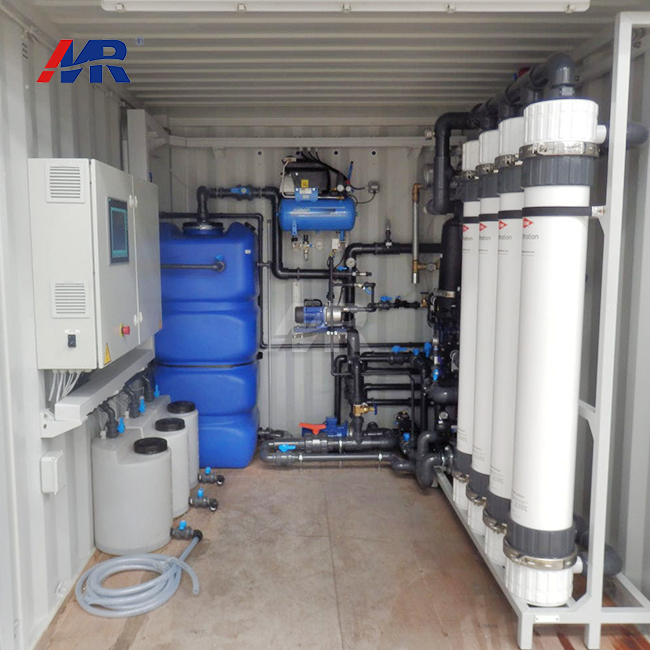 VIEW MOREcontainerized ultrafiltration equipment
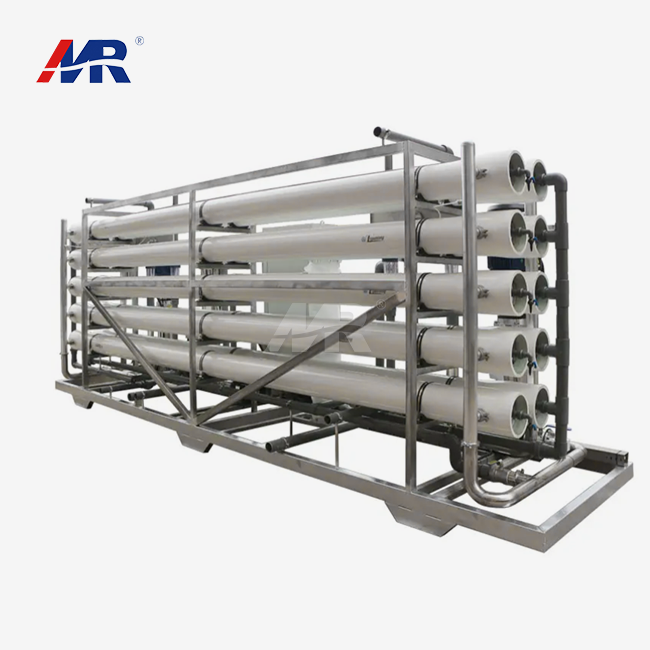 VIEW MOREbrackish water reverse osmosis systems
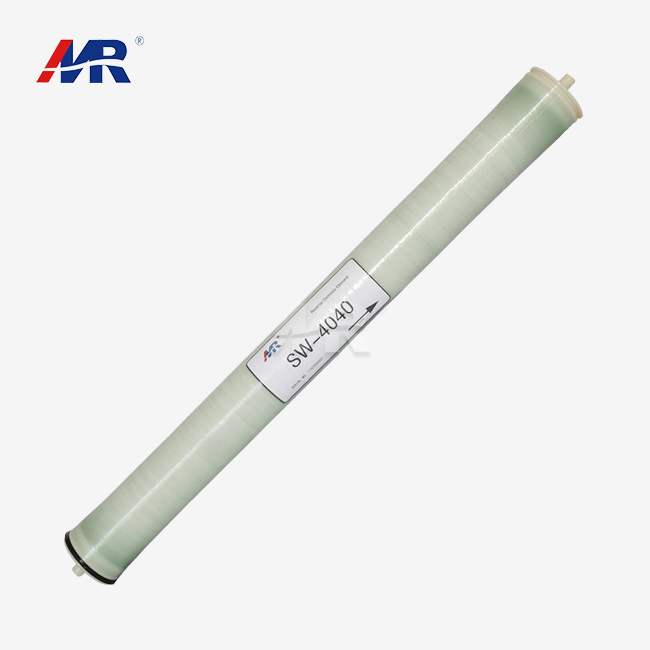 VIEW MORE4040 seawater reverse osmosis membrane
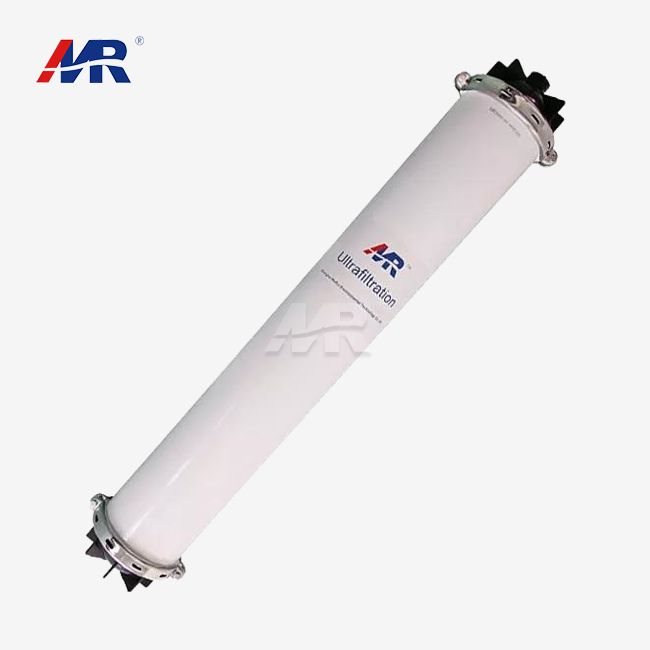 VIEW MOREultrafiltration membranes for water treatment
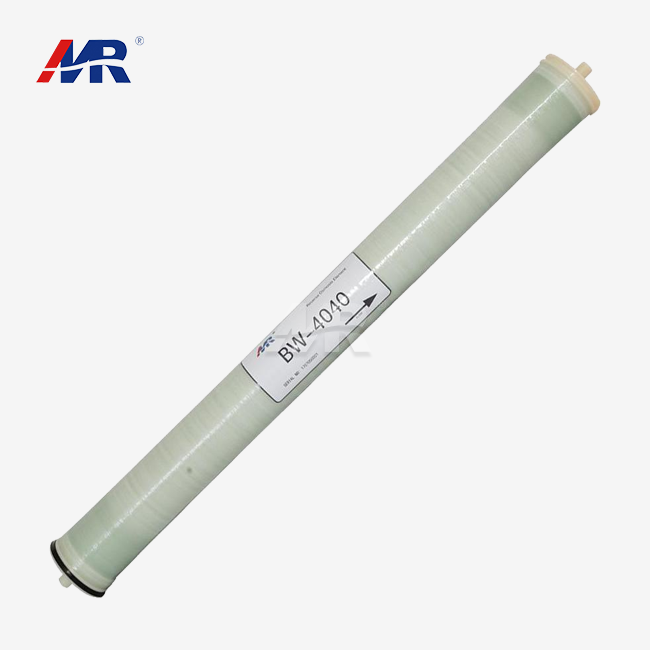 VIEW MORE4040 reverse osmosis membrane
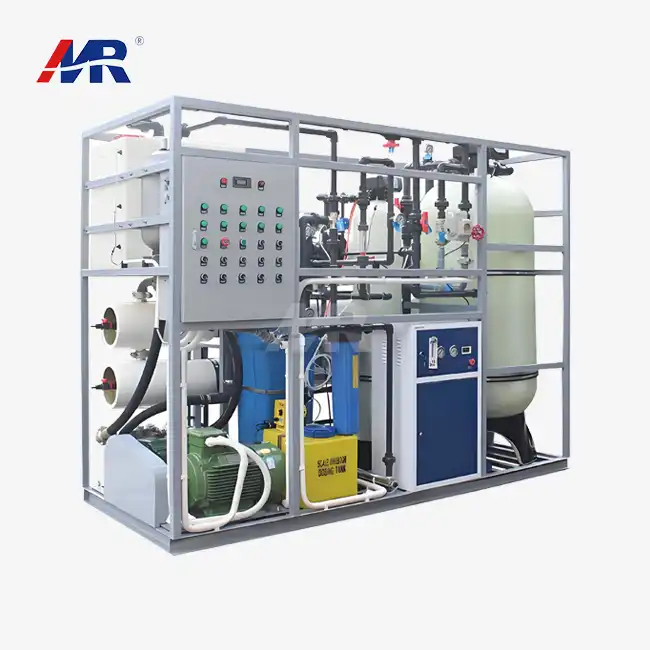 VIEW MORE2T/H seawater desalination plant
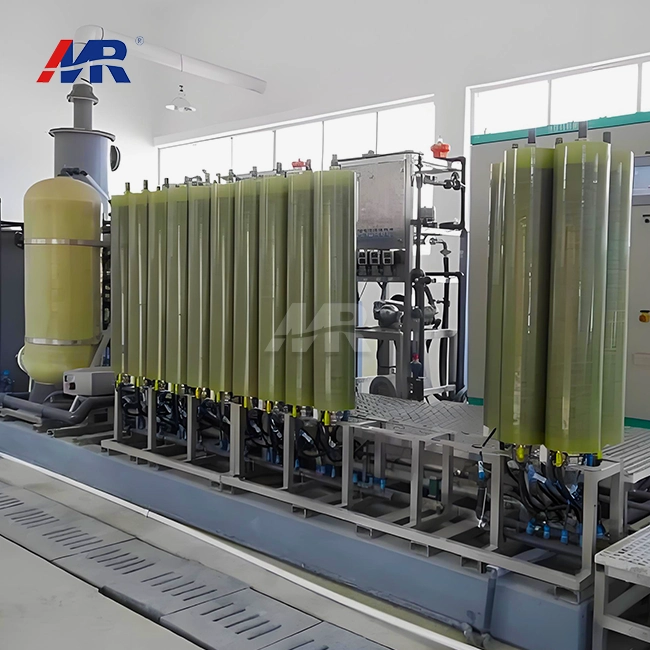 VIEW MOREDTRO Landfill Leachate Treatment
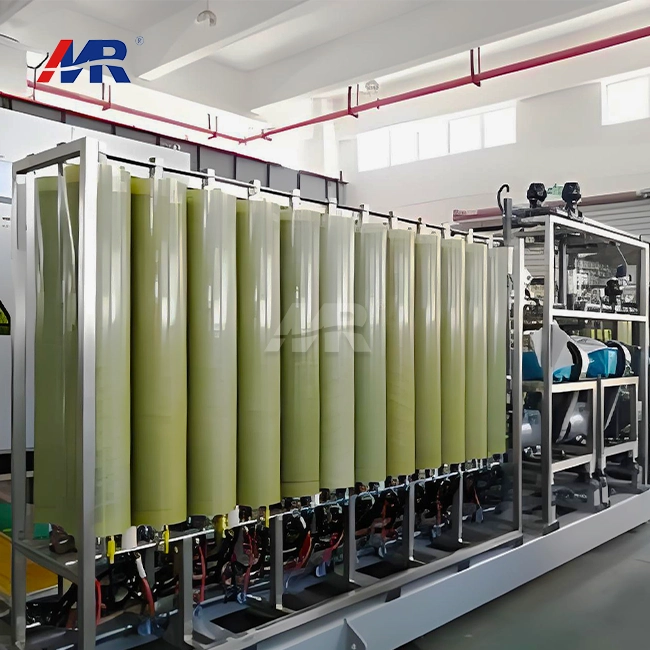 VIEW MOREDTRO plant
