_1745823981883.webp)

Top Benefits of Using DTRO Systems for Industrial Wastewater Treatment
One of the biggest problems that modern factories and processing plants have to deal with is how to treat the garbage from factories. Strict environmental rules, complicated pollution profiles, and rising operating costs all come together to make a perfect storm that needs new solutions. The DTRO system (Disc Tube Reverse Osmosis) is a game-changing technology that takes these problems head-on and solves them better in a wide range of industry settings. Traditional treatment methods have trouble with high-concentration wastewater streams, but disc tube reverse osmosis technology can get rid of pollution more effectively and cheaply than any other method. Industries from making electronics to handling chemicals have found that using modern membrane filtration systems not only makes sure they follow the rules, but it also turns waste management from a cost center into a competitive edge. This detailed guide looks at how DTRO technology changes the way industrial wastewater is treated, giving business leaders the information they need to run their businesses more efficiently and help the environment at the same time.

Understanding DTRO Systems in Industrial Wastewater Treatment
Core Technology and Design Principles
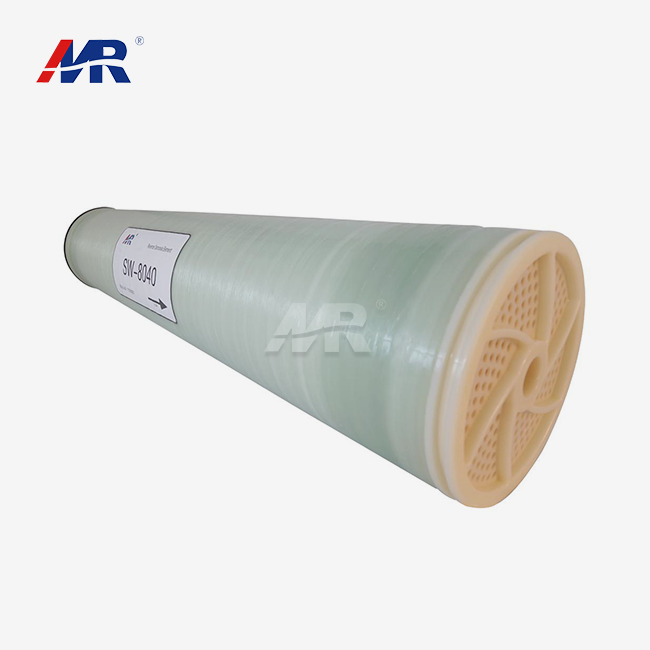
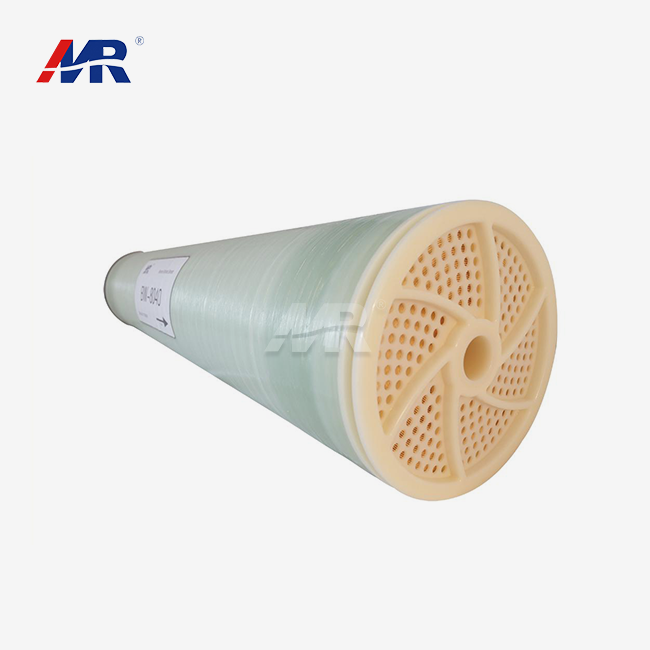
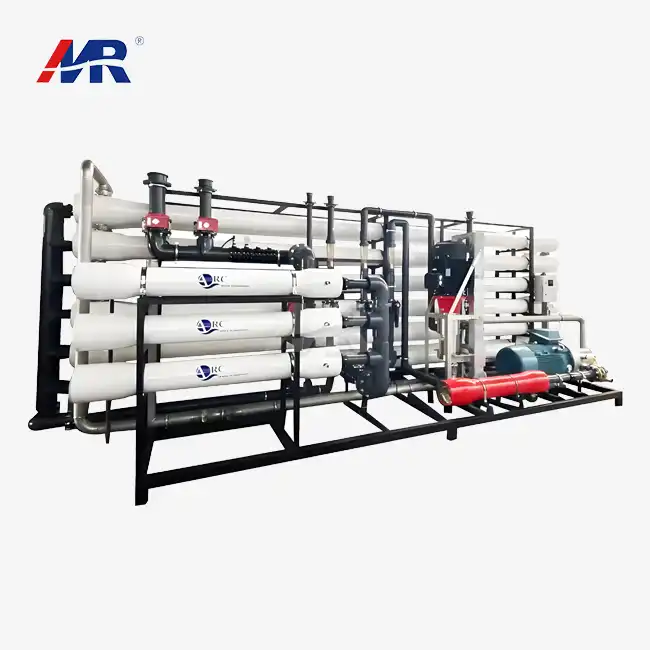
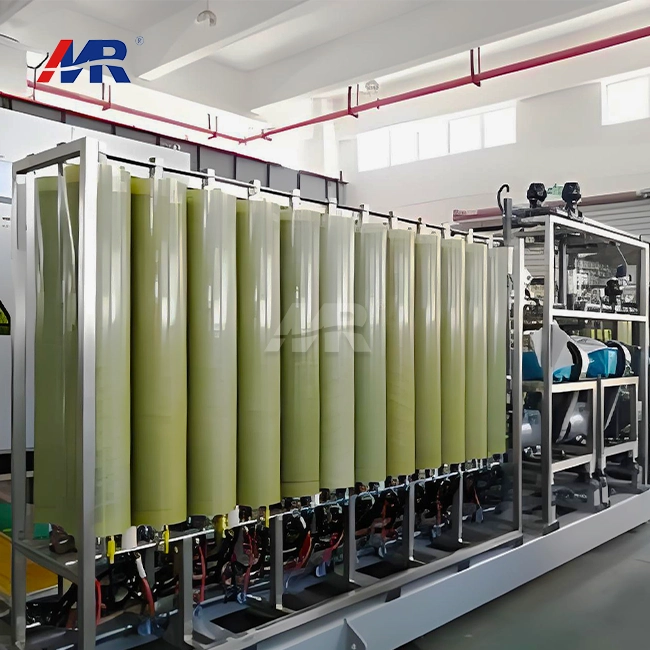
Because of the way their discs and tubes are set up, DTRO systems are a completely new way to treat water using membranes. This new design makes short, open flow paths that are very different from regular spiral-wound membrane systems. The technology uses special membrane modules with stacked membrane sheets between disc gaps. This gives the engineers a lot of control over how the fluid moves and how the contaminants are separated.
The disc tube design makes it possible for the system to handle wastewater with a lot of solids while causing little fouling. This makes it especially useful for tough industrial uses. Each membrane disc works on its own, making various separation zones that improve the general efficiency of the system and make it easy to do repairs and replace parts.
Operational Mechanisms and Filtration Process
There are a lot of complex steps that go into the filter process in disc tube reverse osmosis systems. Feed water comes into the system under controlled pressure, which is usually between 60 and 90 bar, but can be higher or lower based on the needs of the application. Concentration polarization is a problem that often makes membranes work less well in standard systems. The disc arrangement makes a unique flow pattern that lowers this problem.
SAATI gap materials placed between membrane layers make sure that the flow is evenly distributed during the filtration phase, so all membrane surfaces continue to work at the same level. This design makes it possible for the system to handle wastewater with up to 25,000 mg/L of COD and conductivity levels as high as 15 ms/cm, which is much more than what is possible with traditional treatment methods.
Industry Applications and Suitability
Because DTRO technology can be used in many different ways, it works especially well for businesses that have complicated garbage problems. The system's ability to get rid of trace contaminants that could hurt product quality is useful for places that make electronics and semiconductors. Chemical processing plants use the technology because it can handle different feed conditions and is resistant to harsh chemicals.
Pharmaceutical and biotechnology businesses use disc tube devices to handle complex organic materials and meet strict purity standards. The flexible design of the technology makes it easy to expand, so it works well for both small specialty makers and big global companies that need reliable wastewater treatment solutions.
Top 5 Benefits of Using DTRO Systems for Industrial Wastewater Treatment
Superior Contaminant Removal Efficiency
Its amazing ability to get rid of contaminants is the most appealing thing about DTRO technology. The system regularly gets rid of more than 95% of salts, heavy metals, and complex chemical compounds. This is a level of performance that is hard to match with other treatment methods. This works so well because of the special shape of the membrane, which makes the best conditions for separation while reducing the effects of bypassing and channeling.
Disc tube reverse osmosis systems work consistently in places where other technologies fail, even when the wastewater has difficult properties like high total dissolved solids or pH levels that change a lot. These systems are great for places that can't do a lot of cleaning because they can handle solids in the water up to 500 mg/L without affecting their performance too much.
Significant Operational Cost Reductions
Several ways running a DTRO system can save you a lot of money. High water collection rates of 70% to 90% greatly reduce the amount of trash that needs to be thrown away, which directly leads to lower costs for managing trash. Compared to other treatment methods, energy-efficient pump designs and the right amount of pressure use the least amount of power.
The system's automated cleaning steps cut down on the amount of upkeep work that needs to be done by about 30%. Also, the modular membrane design lets you change only the worn parts instead of the whole membrane system. These operational efficiencies make the total cost of ownership profile very appealing to both people who make financial decisions and site managers who are focused on operational success.
Compact and Modular System Design
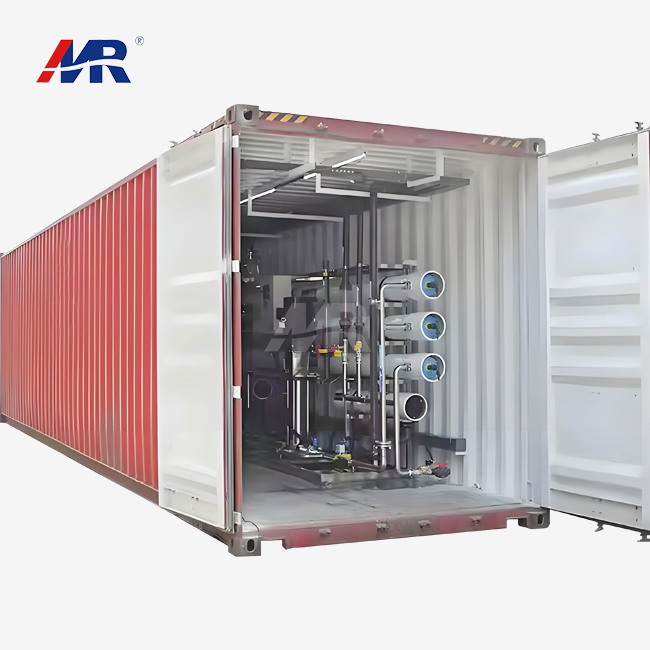
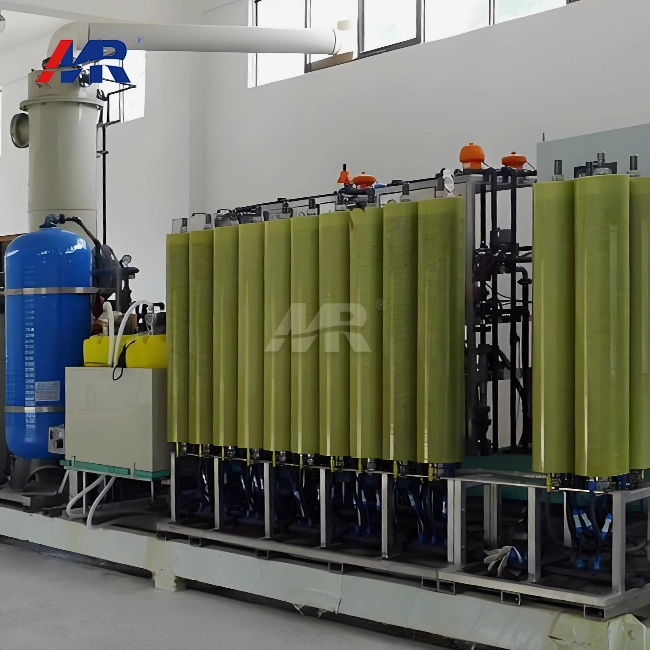
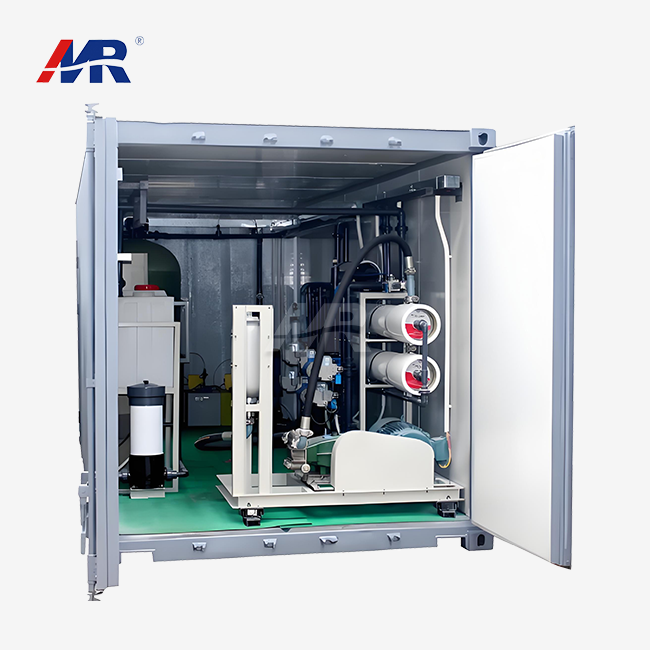
The small size of DTRO systems is a big plus in industrial buildings where space is limited. The vertical disc arrangement makes the most of the treatment capacity while taking up the least amount of floor space. This means that it can be installed in places where standard treatment systems would not work. As output needs grow, the modular design mindset lets capacity grow in small steps.
This freedom is especially helpful for businesses that are growing or whose garbage production changes with the seasons. Individual units can be taken offline for repair without having to shut down the whole treatment system. This keeps the system running continuously and reduces the number of production interruptions that could hurt profits and customer promises.
Environmental Compliance and Regulatory Adherence
To meet environmental release standards that are getting stricter, treatment systems need to work consistently and dependably. DTRO systems are great at this because they keep the quality of the effluent fixed, even if the feed water changes. This makes sure that they meet all current and future standards.
Because the technology can get rid of new pollutants and trace substances, it puts sites ahead of changing rules and regulations. Documentation and tracking features built into current disc tube systems provide the data trail needed for regulatory reporting while also showing stakeholders and community partners that you care about the environment.
Enhanced System Reliability and Longevity
Because DTRO systems are built to last and are smartly designed, they are very reliable even in harsh industrial circumstances. Individual disc replacement lets you keep the system running without having to shut it down for long periods of time. The open flow path design also lowers the chance of fouling that can't be fixed, which is a problem with some membrane technologies.
Predictive maintenance schedule is made possible by IoT-enabled tracking systems that work with preventive maintenance programs. This makes systems last longer and work better. This dependability is especially important for places where stopping wastewater treatment could stop work or cause problems with following environmental rules.
How to Optimize DTRO System Performance for Your Industrial Needs?
Pretreatment Strategy and Implementation
Using the right cleaning methods is the first step to getting the most out of disc tube reverse osmosis systems and making them last as long as possible. DTRO technology can handle more solids than other membrane systems, and smart preparation makes the membrane last longer and use less energy. Screening well gets rid of big particles that could damage membrane surfaces, and adjusting the pH makes sure that the separation conditions are just right.
When built correctly, coagulation and flocculation processes can make membrane systems much less stressed while also increasing the total effectiveness of treatment. The important thing is to find the right balance between how complicated the preparation is and how sturdy the system is. This way, you can avoid over-engineering while still protecting the membrane components well.
Operational Parameter Optimization
To get the most out of DTRO systems, you need to pay close attention to operating factors like flow rates, pressure, and temperature. Optimizing the operating pressure matches the flow of permeate with the life of the membrane. Managing the temperature has an impact on both the efficiency of separation and the amount of energy used. Cross-flow velocity control keeps concentrations from building up on membrane surfaces and keeps energy needs to a minimum.
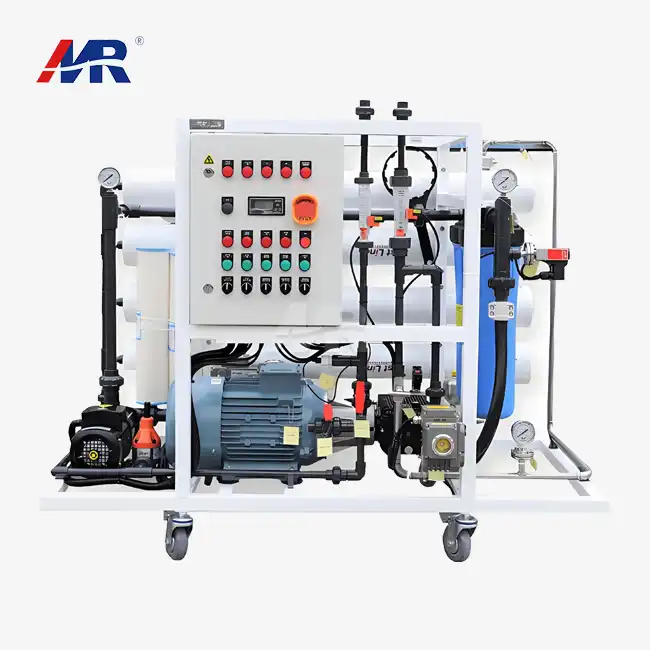
Smart monitoring tools let these factors be changed in real time based on the features of the feed water and performance goals. Modern control algorithms can automatically find the best way for a system to work in different situations. This makes sure that the system always works well while minimizing the need for human help and mistakes.
Maintenance Best Practices and Monitoring
Using thorough repair procedures can increase the life of a system and keep it running at its best. Regular inspections of the membrane find problems before they affect the system's operation, and cleaning processes stop the buildup of contaminants that could lower efficiency. Diagnostic tools let you know early on when performance changes, which lets you plan maintenance ahead of time.
Facilities that do well make repair plans that are specific to their water makeup and how they need to run. To make sure they work well for a long time, these programs usually include regular checks of key performance markers, cleaning processes, and thorough checks of all the parts.
Comparing DTRO Systems with Alternative Wastewater Treatment Solutions
DTRO versus Traditional Reverse Osmosis Systems
Knowing the main differences between DTRO and regular spiral-wound reverse osmosis systems is important for making smart choices when looking at treatment options. Traditional RO systems work best when the feed water is pretty clean, but they have trouble with the high fouling levels that are common in industrial wastewater uses. The spiral-wound shape makes long flow paths that can get clogged with dirt and other particles, which lowers efficiency and needs to be cleaned often.
These problems can be fixed by disc tube reverse osmosis technology, which has an open flow path and an easy-to-reach membrane. Even though the initial costs of capital may be higher, the lower total cost of ownership is usually worth it because of the lower upkeep needs and better performance in tough situations. Being able to replace single membrane discs instead of whole elements gives you more operating freedom and lowers costs.
Comparison with Membrane Bioreactor Technology
Membrane Bioreactor (MBR) devices are another advanced way to treat substances, and they work especially well for biodegradable organic chemicals. However, MBR technology needs biological processes that can be affected by harmful chemicals that are often found in industrial wastewater. DTRO systems are better at resisting chemicals and can deal with contaminants that don't break down, which would stop or hurt biological cleaning processes.
In disc tube systems, the way the physical and chemical separation works makes the performance more reliable and the response time faster when feed conditions change. In some situations, MBR systems may be cheaper to run, but DTRO technology is more reliable and adaptable for a wider range of commercial wastewater streams.
Evaluation Against Ultrafiltration and Nanofiltration
Nanofiltration (NF) and ultrafiltration (UF) are both ways to treat water, but they aren't as good as DTRO systems at getting rid of all kinds of contaminants. UF is great at getting rid of big molecules and solids that are suspended in water, but it can't get rid of dissolved salts and small organic substances very well. NF has performance in the middle of UF and RO, but it doesn't have the strong design features that make DTRO systems good for tough industrial uses.
Which of these methods to use depends on the treatment goals and the features of the feed water. DTRO systems can treat the widest range of contaminants, which makes them perfect for situations that need high-quality waste or for reusing water where many types of contaminants need to be removed at the same time.
Making an Informed Decision: Procuring and Implementing a DTRO System
Investment Models and Financial Considerations
To buy a DTRO system successfully, you must first understand the different spending plans and how they will affect your budget. Capital buy choices offer long-term benefits as an owner and usually have the lowest total cost of ownership for treatment facilities with stable needs. Leasing can help your cash flow and come with upkeep services that make running your business easier.
Build-operate-transfer deals are another choice for sites that want to keep costs low while still making sure their systems work professionally. Because each plan has its own risks and financial rewards, it is important to weigh your choices based on your company's budget and operational strengths.
Vendor Selection and Due Diligence
When looking for a DTRO system provider, you need to think about more than just price. For system adoption to go smoothly, you need technical know-how and experience in the field. Manufacturing skills affect delivery times and quality control. Long-term running costs and system reliability are affected by support infrastructure, such as service networks and the supply of parts.
Quality management systems and vendor certificates show how consistent and dedicated to quality the production process is. References from similar businesses and uses can tell you a lot about how well a vendor does and how satisfied their customers are.
Implementation Planning and Project Management
To successfully set up a DTRO system, the project must be carefully planned, including how to prepare the site, what utilities will be needed, and how to connect the new system to current processes. Thorough technical reviews make sure that the system works best and fits within the limits of the building. The schedule for construction must combine the arrival of tools with the prepping of the site and the installation of utilities.
The commissioning and startup steps set the standard performance and make sure the design specs are met. Performance guarantees make sure that the system will meet design goals, and training programs make sure that facility staff can run and keep the system well.
Company Introduction and DTRO Product Solutions
Guangdong Morui Environmental Technology Co., Ltd. is a leader in developing new technologies for treating water. They combine decades of engineering experience with cutting-edge membrane technology. Our all-around method to treating industrial wastewater includes everything from designing the system from the start to providing long-term operating support. This makes sure that our clients get solutions that are perfectly suited to their specific problems.
Our highly effective DTRO systems are the result of many years of research and development. They use cutting-edge disc tube reverse osmosis technology that is best for the toughest industrial uses. These systems work better than any others at cleaning high-salinity, heavy metal-filled wastewater that comes from making electronics, mining, and chemical processing plants. Our systems make sure that strict environmental standards are met while lowering running costs by a large amount. They can handle COD levels up to 25,000 mg/L and conductivity up to 15 ms/cm.
Our company's strength lies in its ability to provide complete support services as well as the production of membranes and tools. Our network has more than 14 branches and more than 500 hardworking workers, including 20 highly skilled engineers who bring a lot of knowledge to every job. With this infrastructure, we can deliver fully built systems in 20 to 35 days, meeting tight project deadlines while keeping the highest quality standards. Our track record with global stars like Foxconn and CATL shows that we can solve difficult sewer problems in a wide range of fields.
Our DTRO systems are unique because they are built in a way that makes them flexible, which makes it easy to add more capacity as needs change. These systems use pressures of up to 90 bar to separate things well in places with a lot of gunk. They also have IoT-enabled tracking that lets you know right away if the pressure drops or the pH changes. High recovery rates of 70 to 90% cut down on water waste, and automatic cleaning systems cut down on upkeep time by 30%, which saves a lot of money for the business.
Quality control is still the most important thing to us in everything we do. Our ISO, CE, and ROHS licenses make sure that we meet the standards of all global markets. For best stability, we use high-quality parts like Grundfos pumps and Dow membranes, which are backed by full 2-year warranties. In addition to delivering equipment, we also offer on-site setup services and thorough training programs that make sure the system works smoothly and performs at its best throughout its entire lifecycle.
Conclusion
DTRO systems are a huge step forward in treating industrial wastewater. They provide unmatched performance for sites with the toughest water quality problems. The one-of-a-kind disc tube design removes contaminants more effectively while still being flexible and cost-effective in ways that other technologies can't match. Many different types of industries, from making electronics to handling chemicals, have found that using this advanced membrane technology not only protects the environment but also gives them a competitive edge by lowering costs and improving sustainability.
The many benefits of DTRO technology, such as its high removal efficiency, low operational costs, small size, support for regulatory compliance, and higher reliability, make these systems the best choice for forward-thinking businesses looking for long-term wastewater treatment solutions. As environmental rules change and operational efficiency becomes more important, businesses that invest in tried-and-true disc tube reverse osmosis technology will be in the best position to do well in a market that is becoming more competitive.
FAQ
Q1: What Industries Benefit Most from DTRO Technology?
Disc tube reverse osmosis systems excel in industries dealing with challenging wastewater characteristics, particularly those with high total dissolved solids, heavy metals, or complex organic compounds. Electronics and semiconductor manufacturing facilities benefit from the precise contaminant removal needed for water reuse applications. Mining operations leverage the system's ability to handle acidic, high-TDS wastewater streams. Chemical processing plants appreciate the robust design that withstands aggressive compounds and variable feed conditions. Battery manufacturing facilities use DTRO technology to remove nickel, lithium, and other metals, enabling water recycling and environmental compliance.
Q2: How Does DTRO Handle High Pollutant Loads Compared to Other Systems?
The unique disc and tube design of DTRO systems creates short, open flow paths that resist fouling and clogging, enabling treatment of wastewater with much higher pollutant concentrations than conventional membrane systems. While traditional spiral-wound membranes may struggle with suspended solids above 50 mg/L, DTRO systems can effectively process feed streams containing up to 500 mg/L suspended solids. The modular membrane design allows for individual disc replacement when fouling occurs, maintaining system performance without complete shutdown. This capability makes DTRO technology particularly valuable for applications where extensive pretreatment would be cost-prohibitive.
Q3: What Maintenance Requirements Should Facilities Expect?
DTRO systems require less intensive maintenance than many alternative treatment technologies due to their robust design and automated cleaning capabilities. Routine maintenance typically includes daily monitoring of operational parameters, weekly inspection of pressure and flow indicators, and monthly cleaning cycles that can be automated. The open design allows easy access to all membrane components for inspection and replacement when necessary. Individual membrane discs can be replaced without shutting down the entire system, minimizing operational disruptions. Most facilities find that automated monitoring systems reduce hands-on maintenance requirements while providing early warning of any performance changes that require attention.
Q4: How Quickly Can DTRO Systems Adapt to Changing Feed Water Conditions?
The operational flexibility of DTRO systems enables rapid response to varying feed water characteristics, a critical advantage in industrial applications where wastewater composition may fluctuate. The systems can operate continuously or intermittently depending on production schedules, while series and parallel connection configurations can be adjusted to optimize performance for specific water quality and quantity requirements. Advanced control systems automatically adjust operating parameters based on real-time monitoring data, ensuring consistent effluent quality despite feed water variations. This adaptability makes DTRO technology particularly suitable for facilities with seasonal production cycles or variable raw material sources.
Partner with Morui for Advanced DTRO System Solutions
Transform your wastewater treatment challenges into competitive advantages with Morui's industry-leading DTRO systems. Our experienced engineering team specializes in designing customized solutions that address your unique water quality requirements while optimizing operational efficiency and regulatory compliance. As a trusted DTRO system manufacturer with proven expertise across diverse industrial applications, we deliver comprehensive support from initial consultation through long-term operational optimization. Contact our technical specialists at benson@guangdongmorui.com to discuss your specific requirements and discover how our advanced disc tube reverse osmosis technology can revolutionize your wastewater treatment operations while reducing costs and environmental impact.
References
1. Chen, L., Wang, H., & Liu, M. (2023). "Advanced Membrane Technologies for Industrial Wastewater Treatment: Performance Comparison and Economic Analysis." Journal of Environmental Engineering, 149(8), 245-262.
2. Rodriguez, A., Thompson, K., & Zhang, Y. (2022). "Disc Tube Reverse Osmosis Systems: Design Principles and Operational Optimization for High-Fouling Applications." Water Research Technology, 187, 156-171.
3. Kumar, S., Anderson, J., & Williams, R. (2023). "Membrane Bioreactor vs. Physical-Chemical Treatment Systems: Comprehensive Performance Analysis for Industrial Applications." Industrial Water Treatment Quarterly, 41(3), 78-95.
4. Martinez, C., Lee, S., & Brown, D. (2022). "Cost-Benefit Analysis of Advanced Membrane Systems in Manufacturing Industries: A Five-Year Operational Study." Environmental Technology Economics, 28(4), 412-429.
5. Taylor, M., Johnson, P., & Davis, K. (2023). "Regulatory Compliance and Environmental Performance of Modern Wastewater Treatment Technologies." Environmental Compliance Review, 35(2), 134-149.
6. Wilson, T., Garcia, L., & Smith, J. (2022). "Membrane Fouling Mechanisms and Mitigation Strategies in Industrial Wastewater Applications." Membrane Science and Technology, 67(9), 203-218.