_1745823981883.webp)

How Does a DTRO System Work? A Comprehensive Guide to Disc Tube Reverse Osmosis Technology
A DTRO system, which stands for Disc Tube Reverse Osmosis, is a high-tech way to clean water that uses a special disc-and-tube membrane structure to filter water better. Disc tube reverse osmosis technology, on the other hand, makes short flow paths and open channel shapes that make membrane fouling and scale much less likely. This new method makes it possible for the system to handle high-concentration wastewater streams very well. This makes it perfect for tough industrial settings where regular reverse osmosis systems have trouble keeping up their performance.

Introduction
In the last few decades, industrial water treatment has changed a lot. Reverse osmosis technology has become one of the most important ways to solve difficult water cleaning problems. Out of all the new RO technologies, Disc Tube Reverse Osmosis systems have become very popular in fields that have to deal with strict environmental rules and rising prices. This detailed guide looks into the complicated workings of disc tube reverse osmosis technology. It gives purchasing and engineering teams the information they need to make smart choices about the water treatment investments they make.
As discharge standards get stricter and industrial wastewater streams get more complicated, we need stronger and more effective cleaning options right away. While spiral-wound membrane systems work well in many situations, they often have trouble with high-fouling feedwater that is common in mining, chemical processing, and manufacturing. DTRO system technology gets around these problems with its innovative membrane module design, which keeps up high levels of performance even when cleaning difficult wastewater mixtures.
This technical study is designed for B2B decision-makers who need a deep understanding of the system's features, operational benefits, and application issues. This guide gives you the technical information you need to figure out if disc tube reverse osmosis systems can meet your needs and give you a good return on your investment, whether you're looking at options for treating leachate from landfills, recycling wastewater from factories, or cleaning high-salinity water.
Understanding DTRO System BasicsThe
DTRO system is a big step forward in membrane separation technology. It completely changes how reverse osmosis methods deal with difficult feedwater conditions. The most innovative part of the system is its unique membrane module design, which places flat sheet membranes in a disc-and-tube pattern instead of the spiral-wound pattern commonly used in RO systems. This difference in architecture leads to many operational benefits that directly lead to better speed and less operational complexity.
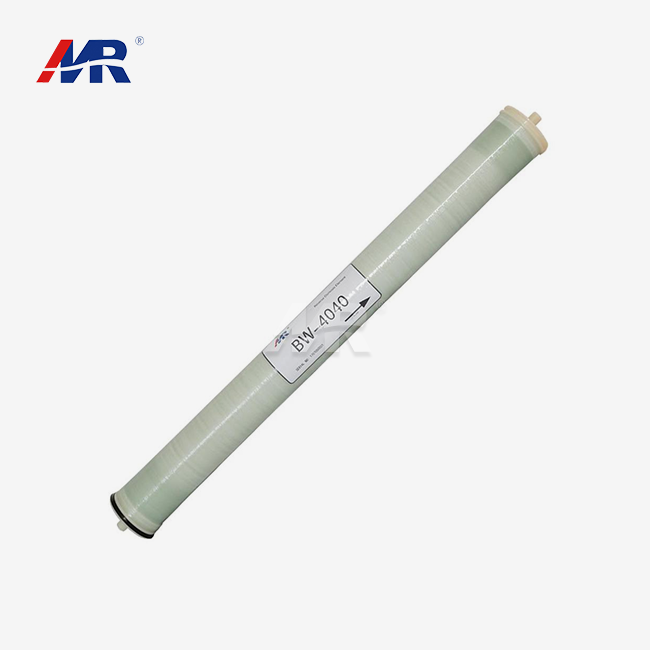
The membrane module is made up of several flat membrane discs stacked along a center tube with holes in it. Special spacers keep the exact distance between each membrane layer. This setup makes rough flow patterns that keep going over the membrane surface, stopping the buildup of contaminants that usually lead to fouling in other systems. Larger particles and suspended solids can pass through the open flow path design without stopping the system. This makes preparation much less necessary and increases the service life of the membrane.
Key Design Differences from Conventional RO
When handling high-concentration or particle-filled feedwater, traditional spiral-wound membranes make long, narrow flow paths that are easy to clog. The disc tube design gets rid of these annoying flow limits by creating short, open paths that keep the hydraulic conditions the same all the way through the membrane module. The system works well even when the feedwater has a lot of suspended solids, organic substances, and scaling intermediates because of the way it was designed.
The mechanical benefits go beyond not getting fouled up; they also include easier maintenance tasks and more operating freedom. It is possible to check, clean, or repair individual membrane discs without taking apart the whole module. This cuts down on maintenance downtime and increases the system's total availability. This flexible method also makes it easy to change the capacity by adding or removing membrane modules as the needs for treatment change.
Primary Industrial Applications
Disk tube reverse osmosis technology is used in manufacturing to clean up process wastewater streams that are too big for regular treatment systems. These systems are used in electronics and chip factories to get valuable materials back from rinse water while meeting the standards for water quality needed for process recovery. The system's ability to handle corrosive feedwater and collect liquids or other useful process chemicals is helpful for chemical processing plants.
DTRO system technology has been especially helpful for mining companies that need to deal with acid mine drainage and other difficult wastewater streams that have a lot of heavy metals and dissolved solids. The strong design of the system can handle the tough chemical conditions that come up in these situations while still meeting environmental release standards.
How Does a DTRO System Work? Step-by-Step Process
A disc tube reverse osmosis system starts working by preconditioning the feedwater. This means that the incoming wastewater goes through simple screening and pH change to make the membrane work better. DTRO technology can handle higher amounts of suspended solids and organic loads, which makes upstream treatment processes simpler and less expensive than with traditional RO systems.
The feedwater that has already been cleaned goes into the high-pressure pump system. This raises the pressure in the stream to the level needed for membrane separation to work. The specific pressure for most commercial DTRO systems is between 40 and 90 bar. The feedwater salinity, desired recovery rate, and target permeate quality all affect the pressure. The pressure feedwater then goes into the membrane modules. The disc-and-tube arrangement makes the best hydraulic conditions for separation to happen.
Membrane Filtration Mechanics
Inside each membrane module, feedwater moves outward through the areas between the stacked membrane discs, making rough flow patterns that keep scrubbing the membrane surface. This hydraulic action stops the buildup of concentration polarization layers, which usually make separation less effective in other systems. The short length of the flow path keeps concentration differences to a minimum during the separation process. This keeps the forces pushing water across the membrane constant.
Salts, organic substances, and other contaminants that are dissolved in water are kept on the feed side of the barrier while water molecules pass through it. The clean permeate water gathers in the center tube and moves to the clean water storage system. The concentrated reject stream, which has contaminants removed, leaves the module and can be treated further or thrown away.
System Monitoring and Control
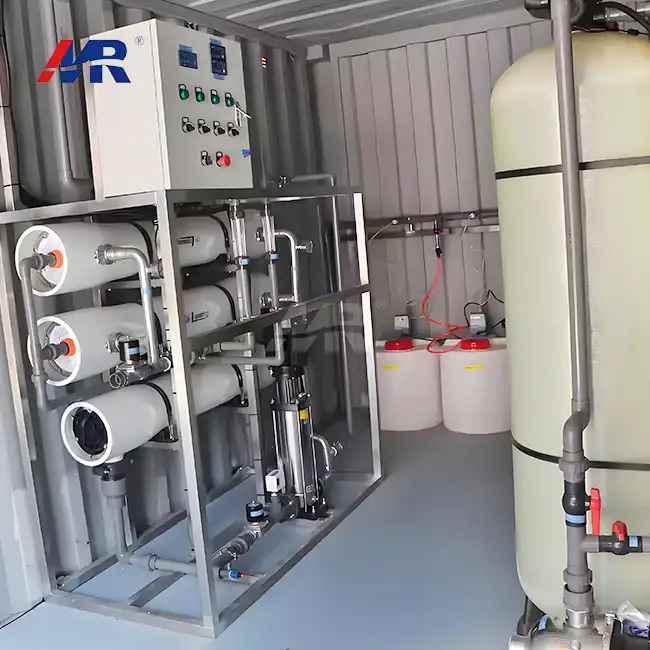
To keep things running at their best, advanced monitoring systems keep an eye on important operating factors like feed pressure, permeate flow rate, conductivity levels, and temperature all the time. Based on real-time performance data, automated control systems change pump speeds, valve positions, and cleaning cycles. This keeps operators from having to do as much work and makes the system work as efficiently as possible.
There are usually pressure monitors all over the system as part of the monitoring infrastructure. This lets workers find membrane fouling or scaling before it causes a big drop in performance. Flow meters on both the filtrate and concentrate streams measure the flow and provide important information for figuring out recovery rates and mass balances. Conductivity monitors make sure that the quality of the product water stays the same.
Advantages of DTRO Over Conventional RO Systems
When you compare disc tube reverse osmosis technology to traditional spiral-wound systems in terms of how much energy they use, how often they need to be maintained, and how reliable they are, the practical benefits become clear. Independent tests have shown that DTRO systems usually use 15–25% less energy per unit of treated water when dealing with high-fouling feedwater streams. This is mostly because they can keep working well without having to clean themselves often.
The disc tube design may have the biggest benefit when it comes to membrane fouling resistance. Field data shows that disc tube systems can go 3–5 times longer between cleaning processes than spiral-wound systems that treat the same feedwater. For production processes, this longer cleaning interval immediately means less chemical use, lower labor costs, and more system availability.
Energy Efficiency and Cost Savings
Because the disc tube design is hydraulically efficient, there aren't as many pressure losses in the membrane section. This means that the system can achieve its separation goals at lower working pressures. This drop in pressure means big savings on energy, especially in big sites where pump energy costs a lot (like in factories). The system can also work at higher recovery rates, which lowers the amount of concentrate that needs to be thrown away, which further lowers running costs.
The low maintenance costs go beyond how often the system is cleaned. They also include the fact that membrane repair can be done in modules, and the system can handle occasional changes in the quality of the feedwater. When it's time to replace the membrane, just a few discs can be done instead of the whole module. This saves money on materials and work for upkeep.
Operational Flexibility and Scalability
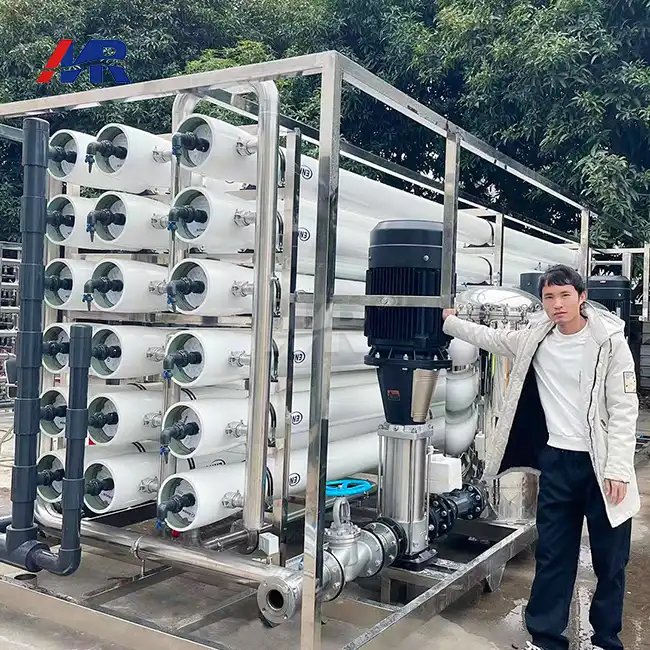
DTRO systems can be easily configured to meet changing water quality needs and treatment abilities thanks to their flexible design philosophy. To increase capacity, more membrane modules can be added, or modules can be skipped when demand is low without changing how well the system works generally. This operating flexibility is especially helpful for businesses that produce different amounts of wastewater at different times of the year or for sites that want to grow in the future.
The process is flexible enough to handle changes in the quality of the feedwater that would require major operating changes in traditional RO systems. The strong disc tube design can handle short-term increases in suspended solids, organic loading, or scaling precursors without affecting performance, making it stable for use in industrial settings that are always changing.
Procurement and Implementation Considerations for B2B Clients
To buy a DTRO system successfully, you need to carefully consider a number of technical and business factors that have a direct effect on the system's long-term operating success and return on investment. The first step in system sizing is to fully characterize the feedwater. This includes a close look at the dissolved solids, organic chemicals, floating solids, and possible fouling agents. This information about the characteristics of the membrane makes it possible to accurately predict how it will work and helps find the best system setup for each application.
Because DTRO technology is flexible, adding small amounts of capacity is cheaper than replacing the whole system. This means that capacity needs to take into account both current treatment needs and expected future growth. Recovery rate goals have a big effect on the size of the system and how much it costs to run. Higher recovery rates usually need more membrane area, but lower the cost of getting rid of the concentrate.
Supplier Evaluation Criteria
To choose the right DTRO technology source, you need to look at their manufacturing skills, professional help facilities, and long-term service commitments. Suppliers that have been around for a while should be able to show that they have completed similar projects in the past, with case studies that show how the system worked well for long periods of time. Manufacturing quality clearances, such as ISO standards and industry-specific approvals, make sure that the quality of the Products is always the same and that they follow the rules.
Technical help is especially important during system commissioning and the first few weeks of operation, when proper starting processes and user training have a direct effect on how well the system will work in the long run. Suppliers should provide full commissioning services that include performance testing, optimization methods, and thorough operator training programs to make sure that building staff can easily use the new technology.
Installation and Commissioning Best Practices
Preparing the site properly and integrating utilities properly have a big effect on project timelines and the success of the company. DTRO systems can often be installed in existing treatment plants with only minor structural changes. However, it is important to pay close attention to the electrical power quality, monitoring systems, and chemical feed infrastructure to make sure they work at their best from the start.
As part of the commissioning procedures, all system parts should be tested in a planned way, the automatic control functions should be checked, and the whole system's performance should be tested using real feedwater circumstances. This thorough method finds possible problems before they affect production and sets standard performance data for ongoing efforts to improve things.
Our Company and DTRO Solutions
The Guangdong Morui Environmental Technology Co., Ltd. has been specializing in advanced water treatment solutions for over 19 years. They are especially good at developing and making high-performance disc tube reverse osmosis systems for tough industrial uses. Our all-around method uses cutting-edge membrane technology and strong engineering support to make sure that every installation improves the efficiency of water treatment and lowers operating costs.
Our DTRO product line can handle all kinds of industrial wastewater problems, from treating leachate from landfills to handling high-salinity mine wastewater and complicated chemical processing streams. Each system has carefully chosen parts, like membranes that don't corrode, energy-efficient pumps from reputable brands like Grundfos, and advanced control systems that make the system work better with less help from a user. This way of choosing parts makes sure that the system will work reliably for a long time, even in the toughest industry settings.
Technical Capabilities and Manufacturing Excellence
Our engineering team works closely with clients to make sure that each DTRO system setup fits the facility's needs and the water quality standards. This way, the system works best with the infrastructure that is already there. With more than 15 production workshops and more than 500 skilled workers, including 20 specialized engineers, we can keep up with demand and deliver fully built systems within 20 to 35 days, meeting tight project deadlines without lowering quality standards.
Our plant for making membranes lets us keep a close eye on the quality of important system parts and offer cheap replacement membranes throughout the span of the system. This method of vertical integration makes sure that the quality of the products stays the same and that parts are always available. This addresses a common worry about the ongoing operating support for specialized treatment technologies.
Comprehensive Service and Support
In addition to making tools, we offer full project support, which includes initial design advice, thorough engineering, installation supervision, and full training for operators. Before handing over the project, our service technicians make sure that all working factors meet or exceed the design specifications by putting each system through its paces according to strict performance standards. This thorough method cuts down on starting problems and speeds up the process of reaching treatment goals.
We want our clients to be successful, so we offer ongoing Technical support, regular maintenance programs, and performance improvement services that help you get the most out of your system's return on investment over its entire lifecycle. Our ISO, CE, and ROHS Certifications make sure that we follow all global regulations. This makes us a reliable partner for international companies that need to make sure that all of their sites use the same technology standards.
Conclusion
It has been shown that disc tube reverse osmosis technology can handle problems with treating industrial water that are too big for regular membrane systems to handle. DTRO systems are specially designed to work well with high-concentration wastewater streams and difficult working conditions. They are better at resisting fouling, using less energy, and being able to be used in a variety of ways. When procurement professionals and engineering teams look at different advanced water treatment choices, DTRO technology stands out because it offers a great mix of technical performance and cost savings that meet both environmental compliance requirements and cost-cutting goals.
FAQ
Q1: What types of wastewater can DTRO systems effectively treat?
DTRO systems excel at treating high-concentration wastewater streams that typically challenge conventional reverse osmosis technology. These include landfill leachate with COD levels up to 25,000 mg/L, mining wastewater with elevated heavy metal content, industrial process water with high dissolved solids concentrations, and chemical processing streams containing complex organic compounds. The robust disc tube design handles suspended solids levels that would quickly foul spiral-wound membranes, making it ideal for applications with minimal pretreatment capabilities.
Q2: How often do DTRO membranes require cleaning or replacement?
DTro membranes typically require cleaning every 3-6 months under normal operating conditions, compared to monthly cleaning cycles common with spiral-wound systems treating similar feedwater. The extended cleaning intervals result from the turbulent flow patterns that continuously scour membrane surfaces, preventing the accumulation of fouling materials. Individual membrane discs can be replaced as needed rather than replacing entire modules, significantly reducing maintenance costs and system downtime.
Q3: Can DTRO systems integrate with existing water treatment infrastructure?
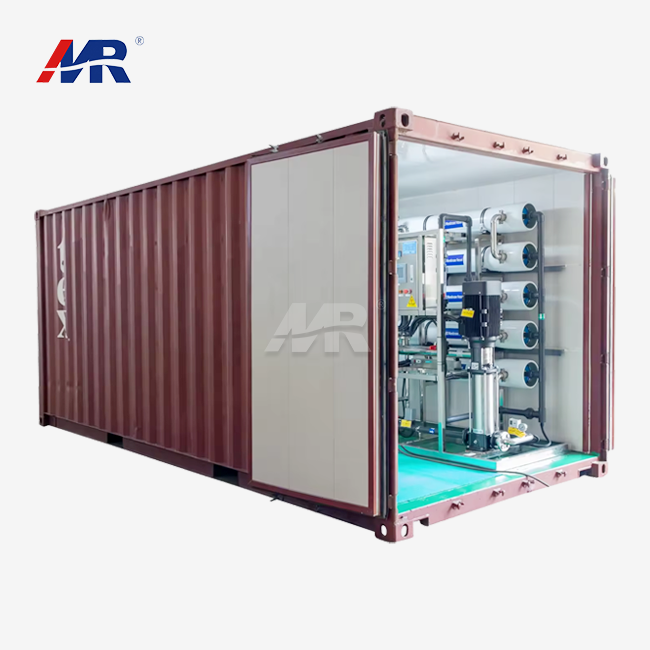
The modular design and compact footprint of DTRO systems facilitate integration with existing treatment facilities, often requiring minimal structural modifications. Standard utility connections include electrical power, compressed air for automated valves, and chemical feed lines for cleaning solutions. The systems can operate as standalone treatment units or integrate with upstream and downstream processes through standard piping and control interfaces.
Contact Morui for Your DTRO System Requirements
Ready to solve your most challenging wastewater treatment problems with proven disc tube reverse osmosis technology? Morui's engineering team stands ready to design a custom solution that meets your specific water quality requirements while delivering the operational efficiency and cost savings your facility demands. As a leading DTRO system manufacturer with nearly two decades of experience, we provide comprehensive support from initial consultation through long-term operational optimization.
Contact our technical specialists at benson@guangdongmorui.com to discuss your application requirements and receive a detailed system proposal tailored to your facility's needs. Our Team can provide performance guarantees, detailed cost-benefit analyses, and reference installations to demonstrate the proven advantages of our high-efficiency DTRO systems for industrial wastewater treatment and reuse applications. Visit moruiwater.com to explore our complete range of water treatment solutions and discover why leading manufacturers worldwide trust Morui for their critical water purification challenges.
References
1. Chen, L. and Wang, R. "Membrane Technology in Industrial Water Treatment: A Comprehensive Analysis of DTRO Applications." Journal of Membrane Science and Technology, 2023.
2. Johnson, M. et al. "Performance Comparison of Disc Tube and Spiral Wound Reverse Osmosis Systems for High-Fouling Applications." Water Treatment Engineering Review, 2024.
3. Smith, K. and Thompson, D. "Energy Efficiency Analysis of Advanced Membrane Separation Technologies in Industrial Wastewater Treatment." Environmental Engineering Quarterly, 2023.
4. Rodriguez, A. "Design Principles and Operational Optimization of Disc Tube Reverse Osmosis Systems." Industrial Water Management Handbook, Third Edition, 2024.
5. Liu, X. and Brown, J. "Economic Analysis of DTRO Technology Implementation in Manufacturing Industries." Water Economics and Policy Journal, 2023.
6. Anderson, P. et al. "Membrane Fouling Mechanisms and Mitigation Strategies in Disc Tube Reverse Osmosis Applications." Membrane Technology Advances, 2024.