_1745823981883.webp)

The Science of Treating Wastewater using Reverse Osmosis
Reverse osmosis (RO) is a way to clean water that is based on a basic law of physics: when water is separated by a semi-permeable membrane, it will naturally migrate from a less concentrated solution to a more concentrated one. In wastewater treatment, this principle is flipped around by using outside pressure to break the osmotic pressure and push water through the membrane in the other direction.
Key Components of RO Systems
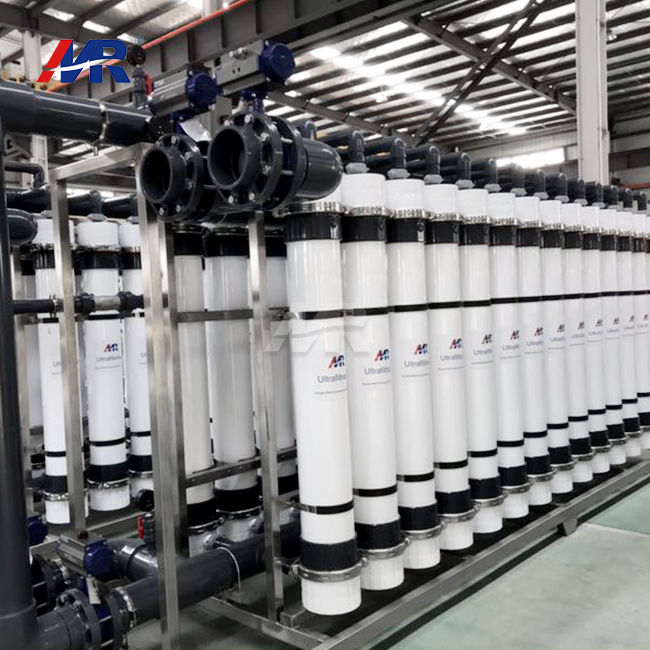
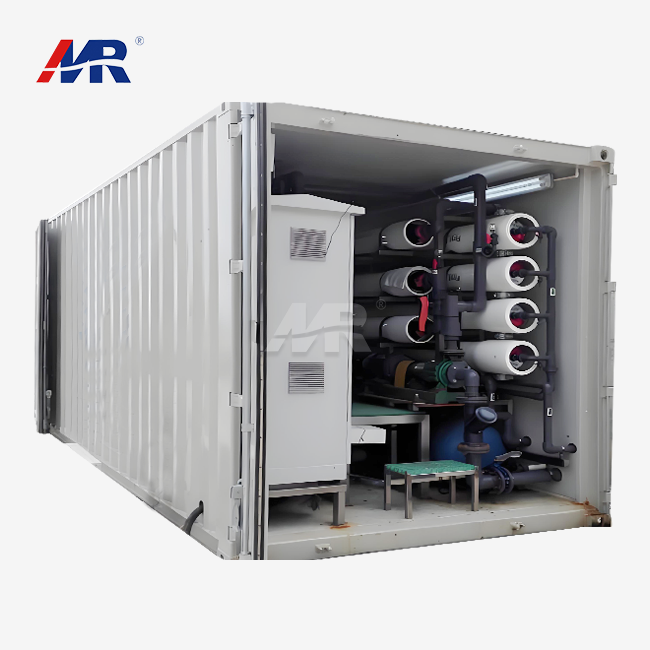
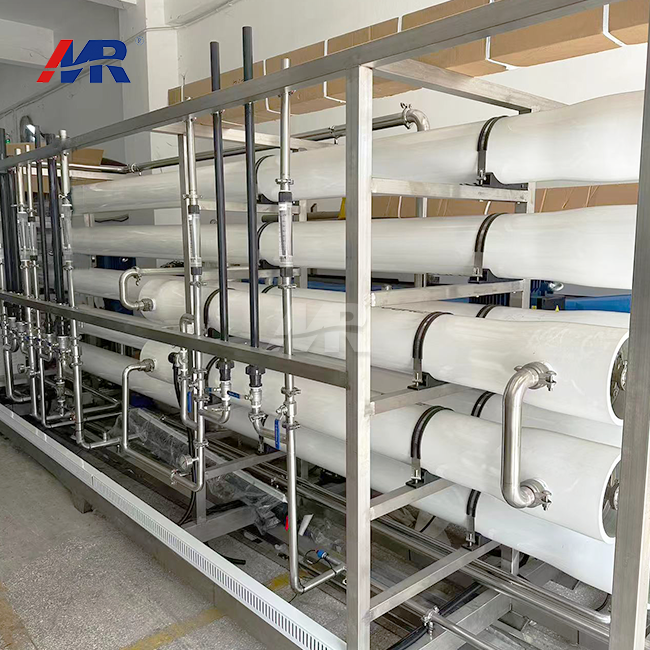
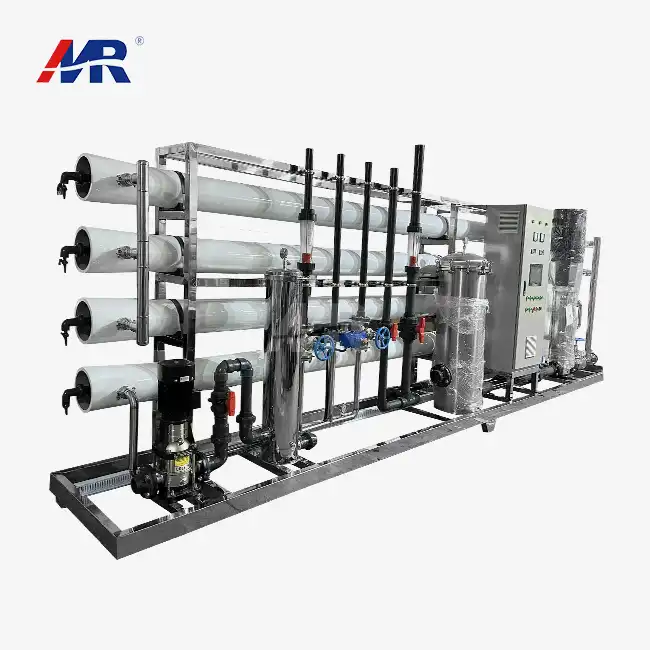
A standard reverse osmosis wastewater treatment system has a few important parts:
- Units for pretreatment: These get rid of big particles and get the wastewater ready for the RO process.
- High-pressure pump: This gives the water the pressure it needs to get through the membrane.
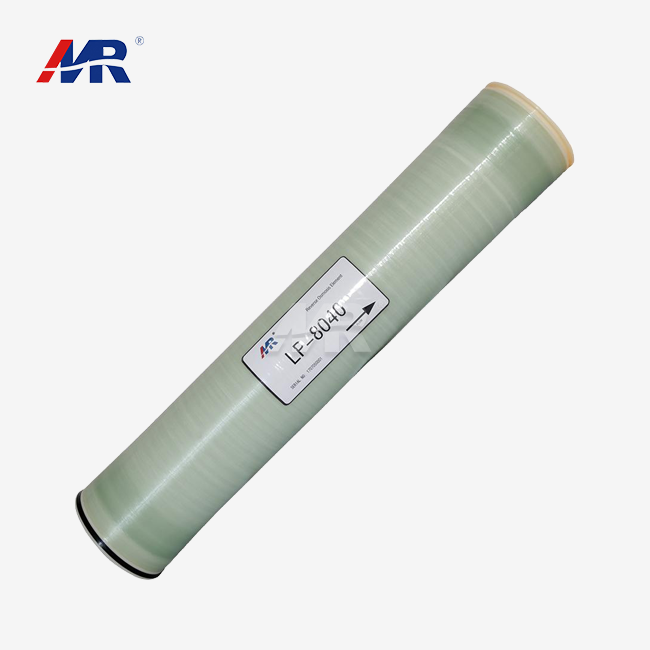
- The semi-permeable membrane is the most important part of the system. It only lets water molecules through and keeps out dirt and other things.
- The permeate collecting system collects the filtered water (permeate) after it has passed through the membrane.
- Concentrate disposal system: Takes care of the concentrated waste (reject) that doesn't go through the membrane.
The RO Process in Detail
There are a few steps in the reverse osmosis wastewater treatment process:
- Before treatment: Wastewater is filtered to get rid of suspended particulates, change the pH, and add anti-scaling chemicals.
- Pressurization: High-pressure pumps are used to pressurize the water that has already been treated.
- Separation: Pressurized water is pushed through the semi-permeable membrane, which keeps pollutants out of the clean water.
- Collection of permeate: Purified water (permeate) is gathered for reuse or safe disposal.
- Concentrate management: The concentrated waste stream (reject) is gathered for more treatment or disposal.The main benefits of using reverse osmosis to treat wastewater
Using reverse osmosis technology in wastewater treatment has a lot of benefits for businesses, cities, and the environment.
High Contaminant Removal Efficiency
There is a chance that RO systems can get rid of up to 99% of the germs, organic compounds, and dissolved solids in wastewater. They are great for getting rid of a lot of different types of industry waste and making clean water that can be used again because they work so well.
Water Conservation and Reuse
RO systems make it possible to recycle and reuse water in industrial processes, irrigation, and even drinking water by successfully cleaning wastewater. This cuts down on the amount of fresh water used by a lot and helps protect important water resources.
Reduction in Chemical Usage
RO systems use less chemicals to clean water than other ways of treating wastewater. This not only lowers the costs of running a business, but it also lessens the harm chemicals do to the environment.
Compact Footprint
Compared to traditional treatment plants, RO systems take up less space, thus they can be put in places where there isn't much room. This is especially helpful for businesses that want to set up their own wastewater treatment systems on site.
Flexibility and Scalability
It is easy to change the size of reverse osmosis systems to match the needs of wastewater treatment. You can also mix them with other treatment methods to make solutions that are just right for certain uses.
Cost-Effective Long-Term Solution
The initial cost of RO technology may be higher than that of some traditional treatment procedures, but the long-term advantages usually surpass the expenditures. Over time, using less water, fewer chemicals, and following the rules better can save a lot of money.
Applications of Reverse Osmosis in Various Industries
Reverse osmosis wastewater treatment is useful in many different businesses and situations since it is so flexible:
Processes for making things and working in factories
RO systems are used in the manufacturing industry to clean process water, recycle industrial waste, and make ultrapure water for specific uses. RO systems make high-quality water that is used for many industries, including electronics, cars, and drugs.
Making drinks and food
RO makes sure that the water used in breweries, bottling plants, and food preparation plants is clean, which is very important in the food and drink business. Following strict rules about food safety helps keep the quality of the goods the same.
Taking care of city wastewater
A lot of towns are adding RO systems to their wastewater treatment plants to make them work better. This lets recycled water be used for things that don't need to be safe for drinking, like farming, manufacturing, and filling up groundwater.
Taking salt out of seawater
Most of the time, reverse osmosis is used to remove salt from saltwater. In coastal places where water is scarce, this is a long-term way to make freshwater. In order to solve the world's water problem, RO is a key tool because it can remove salt and other minerals from saltwater.
Biotechnology and Drug Development
Pharmaceutical and biotech companies use RO systems to make very clean water that is used to make drugs, do research, and run labs. RO has to reach a very high level of purity in order to protect both the quality of the product and the integrity of the study.\
Making electricity: Power companies use RO systems to clean up the waste water from boiler feed water, cooling tower makeup water, and flue gas desulfurization. This is better for the climate, stops corrosion, and makes better use of energy.
Conclusion
Reverse osmosis wastewater treatment is a big step forward in water purification technology. It has many benefits for businesses, cities, and the environment. Because it can generate high-quality treated water and is flexible and efficient, it is an important instrument for solving global water problems. As water becomes scarcer and environmental rules become stricter, the demand for new ways to manage water will only grow. Reverse osmosis is likely to become an even more significant part of efforts to utilize and protect water in a way that is good for the environment.
If businesses and organizations want to use successful wastewater treatment solutions, they need to work with companies that are experts in reverse osmosis technology. Guangdong Morui Environmental Technology Co., Ltd. is a leader in new ways to clean water. They sell state-of-the-art RO systems and give full support services. We have a lot of experience in treating industrial wastewater, managing home sewage, and doing things like desalinating seawater. This makes us well-equipped to meet a wide range of water purification demands in many different fields.
We are dedicated to quality, as seen by our state-of-the-art membrane production facilities, our ability to process a wide range of equipment, and our collaborations with well-known water treatment brands. Our Team of skilled engineers and technicians is ready to help you with your individual needs, whether you want to improve your current wastewater treatment system or install a new RO system.
Frequently Asked Questions
Q1: How does reverse osmosis stack up against other ways to treat wastewater?
A: Reverse osmosis is better than other ways of treating wastewater in a number of ways. It removes contaminants more effectively, uses fewer chemicals, takes up less space, and makes treated water of a higher grade. RO systems may cost more at first, but they tend to save money over time because they are efficient and can be used in many ways.
Q2: What are the problems with using reverse osmosis to treat wastewater?
A: Some drawbacks of RO include that it uses more energy than some other systems, that the membranes need to be cleaned and replaced on a regular basis, and that it creates a concentrated waste stream that needs to be managed properly. Also, RO might not work for all types of wastewater, especially if it has a lot of certain pollutants that can hurt the membranes.
Q3: What can businesses do to get the most out of reverse osmosis wastewater treatment?
A: To get the most out of ro membranes, industries should:
- Use the right pretreatment to protect them and make them last longer.
- Make the system design and operation as energy-efficient as possible.
- Look for ways to reuse water to cut down on the amount of fresh water they use.
- Combine RO with other treatment technologies to manage wastewater more effectively.
- Keep the system in good shape and check it regularly to make sure it works as well as possible.
Advanced Reverse Osmosis Solutions for Industrial Wastewater Management | Morui
Are you having trouble properly handling industrial wastewater? Guangdong Morui Environmental Technology Co., Ltd. sells cutting-edge reverse osmosis systems that can fulfill the needs of a wide range of businesses, from manufacturing to food and drink production. Our modern RO systems can handle 60 to 75 m³/hour and offer reliable, efficient, and customizable solutions for your reverse osmosis wastewater treatment needs.
We make our own membranes and work with top brands like Shimge Water Pumps and Runxin Valves to provide complete wastewater treatment solutions that are suited to the needs of your industry. Our team of professionals will make sure that installing reverse osmosis technology in your plant goes smoothly from the first consultation to the installation, commissioning, and continuing maintenance.
Start by making your wastewater management plan better. Email us at benson@guangdongmorui.com to talk about how our cutting-edge reverse osmosis solutions can help you get better water quality, lower your influence on the environment, and make your business run more smoothly. You can trust Guangdong Morui to help you manage water in a way that is good for the environment.
References
1. Johnson, A. R., & Smith, B. T. (2021). Advances in Reverse Osmosis Technology for Industrial Wastewater Treatment. Journal of Water Process Engineering, 42, 102-115.
2. Environmental Protection Agency. (2022). Membrane Filtration Guidance Manual. EPA 815-R-22-001.
3. Zhang, L., & Chen, X. (2020). Reverse Osmosis in Water Reuse: Challenges and Opportunities. Water Research, 187, 116442.
4. International Water Association. (2023). Global Trends in Membrane-Based Water Treatment Technologies. IWA Publishing.
5. Kumar, R., & Pal, P. (2022). Sustainable Wastewater Management Through Reverse Osmosis: A Comprehensive Review. Separation and Purification Technology, 279, 119754.
6. World Health Organization. (2021). Guidelines for Drinking-water Quality: Fourth Edition Incorporating the First and Second Addenda. WHO Press.