_1745823981883.webp)

Learn the key distinctions between dtro plant systems and MBR plants so you can make an informed decision when buying cutting-edge water treatment equipment. Amazingly, under high pressure, disk tube reverse osmosis (DTRO) devices may treat wastewater with a high salt concentration. The removal of organic pollutants is achieved through the integration of biological treatment with membrane separation in membrane bioreactor (MBR) systems. Before making a final decision, consider the type of wastewater, your treatment objectives, and your practical requirements.

Understanding DTRO Plant Technology Fundamentals
The technique known as DTRO plant technology is a specialized reverse osmosis system that was developed for difficult environmental wastewater applications. In contrast to traditional RO systems, DTRO plants are designed to function in harsh environments, with pressures reaching up to 120 bar. This makes them an excellent choice for the treatment of leachate from landfills.
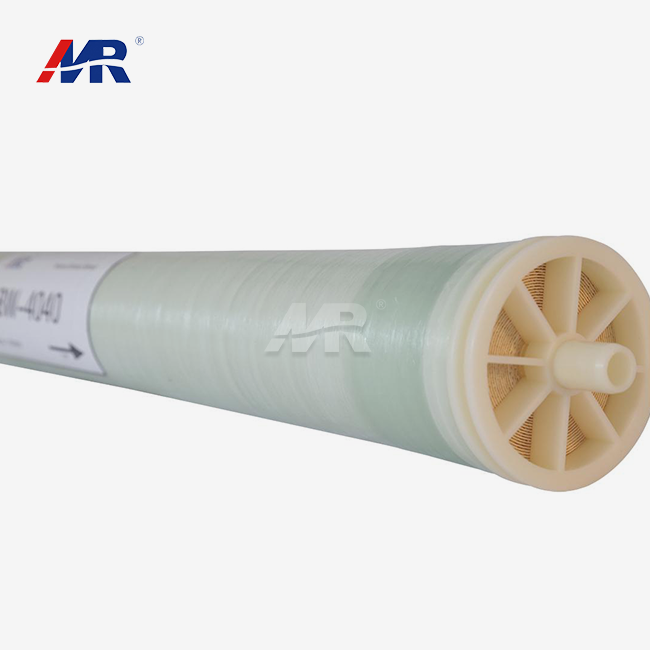
The technology utilizes spiral-wound membranes arranged in disk-tube configurations. These membranes achieve contaminant rejection rates exceeding 95%, even when processing wastewater with COD levels up to 25,000 mg/L and conductivity ranging from 8-15 ms/cm.
Key operational advantages include:
- Superior tolerance to pH fluctuations (2-12 range)
- Effective removal of heavy metals and dissolved salts
- Minimal biological fouling compared to other membrane systems
- Consistent performance across temperature variations
The DTRO plant technology provides unrivaled reliability and compliance assurance, making it an ideal choice for situations in which high-salinity industrial wastewater or landfill leachate with complicated chemical compositions required treatment is required.
MBR Plant Technology Overview and Applications
Membrane Bioreactor plants integrate activated sludge treatment with ultrafiltration or microfiltration membranes. This hybrid approach combines biological degradation with physical separation, creating a compact solution for municipal and industrial wastewater treatment.
MBR systems excel in removing organic matter through biological processes while the membrane component eliminates suspended solids and pathogens. Typical performance metrics include:
- BOD removal efficiency: 95-98%
- Suspended solids rejection: >99%
- Ammonia nitrogen reduction: 90-95%
- Pathogen removal: 4-6 log reduction
The technology proves particularly effective for applications requiring high-quality effluent suitable for reuse or sensitive discharge environments. Space-constrained installations benefit from MBR's compact footprint compared to conventional treatment plants.
MBR plant systems offer the highest possible biological treatment efficiency along with higher effluent quality, making them an ideal choice for the treatment of municipal wastewater or effluent from food processing facilities that include a high percentage of organic matter.
Critical Technical Differences Between DTRO and MBR Systems
Understanding the core technical distinctions helps determine the most suitable technology for specific applications. Three fundamental differences shape selection criteria:
1. Treatment Mechanism Approach
DTRO plants rely purely on physical separation through high-pressure membrane filtration. The process concentrates contaminants without biological degradation, making it suitable for non-biodegradable pollutants.
MBR systems combine biological treatment with membrane separation. Microorganisms break down organic compounds before membrane filtration removes remaining solids and biomass.
2. Operating Pressure Requirements
DTRO systems operate under extreme pressures (80-120 bar) to overcome osmotic pressure of high-concentration feeds. Energy consumption typically ranges from 8-15 kWh/m³ of permeate.
MBR plants operate at low pressures (0.1-0.5 bar), with an average energy usage of 1.5-3.5 kWh/m3, mostly for the purpose of aeration and membrane cleaning.
3. Membrane Specifications and Lifespan
DTro membranes withstand harsh chemical conditions with lifespans of 2-3 years under proper maintenance. Material composition focuses on chemical resistance and high-pressure tolerance.
mbr membranes emphasize biological compatibility and fouling resistance, typically lasting 3-5 years with regular cleaning protocols.
If you need to process chemically complex wastewater with high dissolved solids, then DTRO plant technology provides superior separation capabilities compared to biological treatment approaches.
Performance Comparison: Efficiency and Output Quality
The performance data from the real world demonstrates that each technology, including the DTRO plant, has various advantages, depending on the requirements of the application. For the purpose of making measurable comparisons, laboratory testing and industrial case studies are utilized.
Contaminant Removal Effectiveness:
- DTRO plants achieve 95-99% removal of dissolved salts and heavy metals
- MBR systems deliver 95-98% organic matter reduction with excellent nutrient removal
- Combined systems can achieve >99% overall contaminant reduction
Water Recovery Rates
DTRO technology typically achieves 60-80% water recovery from concentrated feeds. Recovery optimization depends on concentrate management and pretreatment effectiveness.
MBR plants maintain 95-98% water recovery with minimal concentrate generation. The biological component converts organic matter to biomass rather than concentrating contaminants.
Effluent Quality Standards
Both technologies meet stringent discharge requirements when properly designed. DTRO plants excel in desalination applications, while MBR systems optimize organic pollution control.
When compared to other biological treatment options, DTRO plant systems offer superior concentrate control. This is especially beneficial in situations where maximal water recovery from high-salinity streams is required.
Cost Analysis: Capital Investment and Operating Expenses
The selection of technology, such as the DTRO plant, is greatly impacted by economic concerns, particularly in the case of large-scale installations. In a comprehensive cost analysis, capital expenditures, operational costs, and lifecycle charges are all taken into consideration.
Capital Investment Breakdown:
- DTRO plant systems: $800-1,500 per m³/day capacity
- MBR installations: $600-1,200 per m³/day capacity
- Combined systems: $1,200-2,000 per m³/day capacity
Operational Cost Factors:
Energy consumption dominates DTRO plant operating expenses due to high-pressure requirements. However, reduced chemical dosing and minimal biological control offset some costs.
MBR systems require continuous aeration and periodic membrane cleaning. Biological monitoring and sludge management add operational complexity but reduce energy demands.
Maintenance and Replacement Costs:
DTRO membrane replacement occurs every 2-3 years with costs ranging $150-300 per m² depending on membrane specifications and operating conditions.
MBR membrane replacement cycles extend to 3-5 years with lower per-unit costs but higher biological management requirements.
If you need predictable operating costs with minimal biological oversight, then DTRO plant technology offers simplified maintenance compared to biological treatment systems.
Industry-Specific Applications and Use Cases
Specific technologies, such as the DTRO plant, are preferred by various sectors due to the properties of wastewater and the treatment goals that they seek to achieve. By gaining an understanding of various applications, one can select the most appropriate technology.
DTRO Plant Applications:
- Landfill leachate treatment (COD: 5,000-50,000 mg/L)
- Petrochemical wastewater processing
- Mining industry concentrate treatment
- Pharmaceutical waste stream management
MBR System Applications:
- Municipal wastewater treatment and reuse
- Food and beverage industry effluent
- Hospital and medical facility waste
- Commercial building water recycling
Hybrid System Opportunities:
The combination of the two technologies is advantageous for certain applications. Exceptional effluent quality can be achieved for reuse applications that are particularly demanding with the use of MBR pretreatment followed by DTRO polishing.
These hybrid DTRO-MBR systems offer extensive treatment capabilities, making them ideal for situations in which it is necessary to treat complicated industrial wastewater that contains both organic and inorganic impurities.
Guangdong Morui's Advanced DTRO Plant Solutions
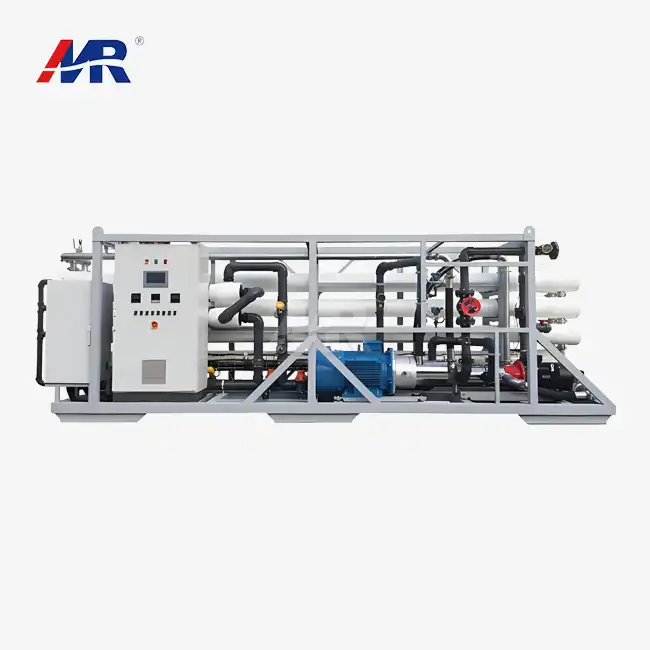
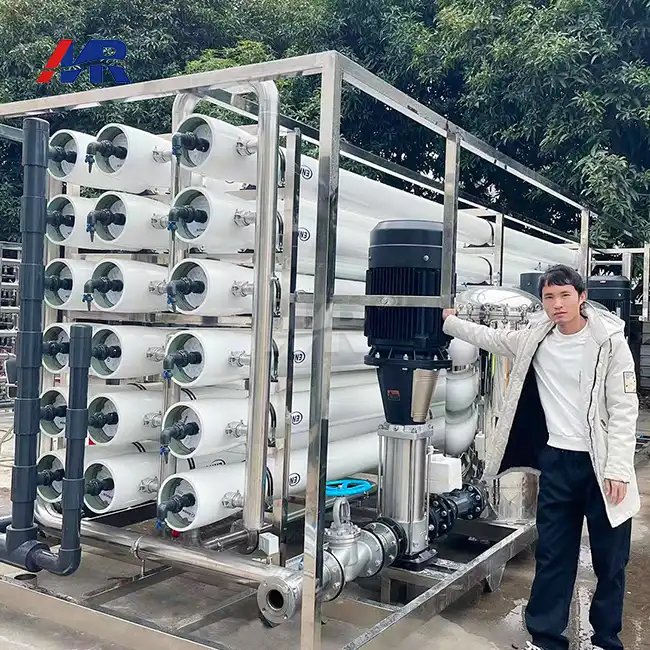
Guangdong Morui Environmental Technology Co., Ltd. provides cutting-edge DTRO plant solutions that are personalised to meet the requirements of a wide range of industrial applications. Our extensive knowledge encompasses the whole spectrum of water treatment technologies, including design, manufacturing, and commissioning tasks.
Technical Excellence and Innovation:
- Model MR-DTRO-120 handles inlet COD up to 25,000 mg/L
- Operating pressure capability reaching 120 bar for challenging applications
- Conductivity management from 8-15 ms/cm with consistent performance
- Modular design enabling flexible capacity scaling
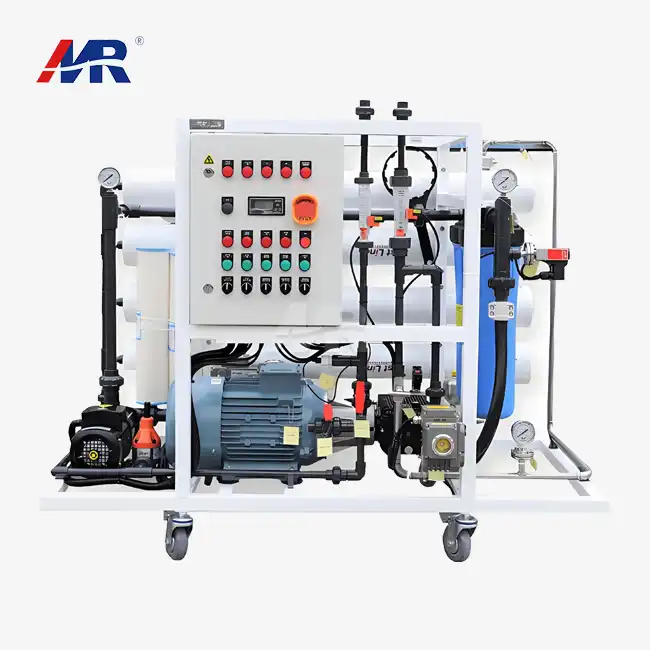
- Real-time PLC monitoring for automated operation
Manufacturing Capabilities and Quality Assurance:
Our integrated manufacturing approach includes 14+ branches, 500+ employees, and 20+ specialized engineers. In-house membrane production facilities ensure quality control while multiple equipment processing factories provide comprehensive component sourcing.
Premium Component Integration
Morui DTRO plants incorporate industry-leading components including Danfoss high-pressure pumps and Toray/Dow membrane elements. This premium component selection ensures reliability and extends operational lifespan.
Global Support Infrastructure
The possibilities of rapid deployment allow for delivery timelines ranging from seven to thirty-five days, including door-to-door logistics. The provision of full support throughout the lifecycles of projects is ensured via on-site engineer assistance as well as remote troubleshooting around the clock.
Customization and Integration Options
Flexible configurations accommodate single-stage to multi-stage setups based on contaminant loads. Material upgrades include titanium alloys for acidic applications while hybrid systems combine DTRO with evaporation or other technologies.
Conclusion
In current wastewater treatment, DTRO and MBR plants do different things but work well together. DTRO systems work best in high-salinity, chemically complicated situations that need strong membrane separation, while MBR plants are the best way to treat organic contaminants biologically. The choice is based on the type of wastewater, the goals of treatment, and the preferences of the business. Advanced DTRO plant solutions from Guangdong Morui offer safe and legal treatment for tough industry uses. By knowing these important differences, you can make decisions that will lead to the best treatment results and long-term operating success.
Ready to Optimize Your Wastewater Treatment with Professional DTRO Plant Solutions?
Selecting the optimal wastewater treatment technology requires careful consideration of your specific requirements, operational constraints, and long-term objectives. Guangdong Morui's expertise in DTRO plant manufacturer capabilities ensures you receive tailored solutions that meet both current needs and future expansion plans.
Our Team of water treatment specialists provides comprehensive consultation from initial assessment through final commissioning. Whether you're managing landfill leachate, industrial concentrate, or complex chemical wastewater, our DTRO plant systems deliver reliable performance and regulatory compliance.
Take advantage of our 15+ years of experience and proven track record across diverse industries. Our technical team stands ready to evaluate your specific wastewater characteristics and recommend the most cost-effective treatment approach.
Transform your wastewater management challenges into opportunities for resource recovery and environmental compliance. Contact our expert team to discuss your DTRO plant requirements and receive detailed technical proposals tailored to your application.
Ready to explore advanced DTRO plant solutions for your facility? Reach out to our experienced engineers and discover how Morui's technology can optimize your water treatment operations. Contact us at benson@guangdongmorui.com for comprehensive project evaluation and customized system recommendations.
References
1.Wang, L.K., Chen, J.P., Hung, Y.T., & Shammas, N.K. (2011). Membrane and Desalination Technologies: Handbook of Environmental Engineering. Humana Press, New York.
2.Judd, S.J. & Judd, C. (2011). The MBR Book: Principles and Applications of Membrane Bioreactors for Water and Wastewater Treatment. Elsevier, Amsterdam.
3.Renou, S., Givaudan, J.G., Poulain, S., Dirassouyan, F., & Moulin, P. (2008). Landfill leachate treatment: Review and opportunity. Journal of Hazardous Materials, 150(3), 468-493.
4.Melin, T., Jefferson, B., Bixio, D., Thoeye, C., De Wilde, W., De Koning, J., & Grasmick, A. (2006). Membrane bioreactor technology for wastewater treatment and reuse. Desalination, 187(1-3), 271-282.
5.Chelme-Ayala, P., El-Din, M.G., Smith, D.W., & Adams, C.D. (2009). Oxidation kinetics of two pesticides in natural waters by ozonation and ozone combined with hydrogen peroxide. Water Research, 43(4), 1089-1099.
6.Fritzmann, C., Löwenberg, J., Wintgens, T., & Melin, T. (2007). State-of-the-art of reverse osmosis desalination. Desalination, 216(1-3), 1-76.