_1745823981883.webp)

Reverse Osmosis Water Treatment Machine for Industrial Wastewater
Industrial wastewater treatment needs high-tech solutions, and reverse osmosis water treatment machines are now the standard for places that need to clean water very well. These high-tech systems use semi-permeable barriers to get rid of up to 99% of heavy metals, organic pollutants, and dissolved toxins in industrial waste streams. As rules about the environment and sustainability become stricter, industrial RO systems give companies a safe way to follow the rules while also cutting costs by reusing and recovering water.

Understanding Reverse Osmosis Water Treatment Machines for Industrial Wastewater
Reverse osmosis is a major step forward in treating industrial wastewater. It uses semi-permeable filters to get rid of contaminants at the molecular level. RO systems use pressure differences to push water molecules through special membranes, while dissolved salts, heavy metals, organic compounds, and other industrial pollution are rejected. This is different from other filtration methods that use physical barriers.
Core Components and Operational Principles
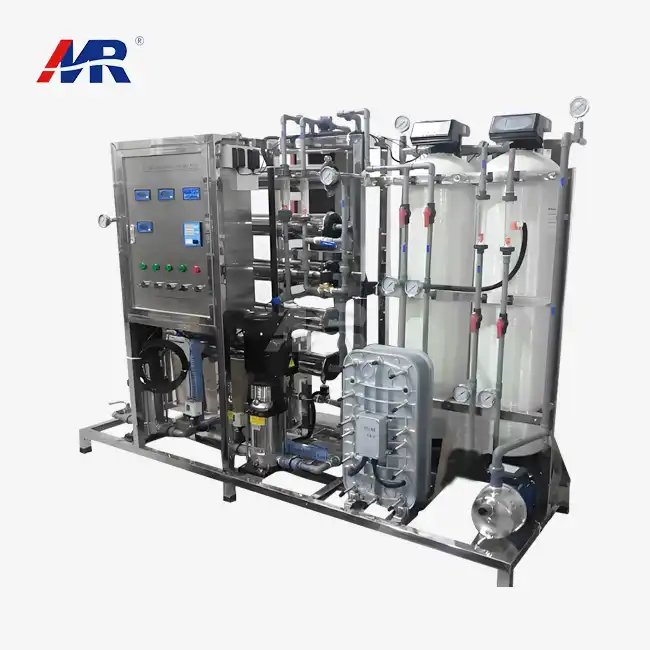
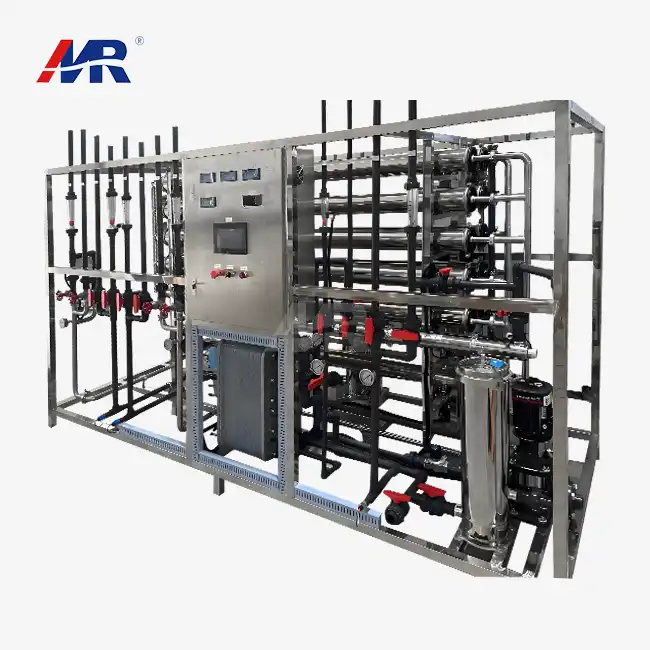
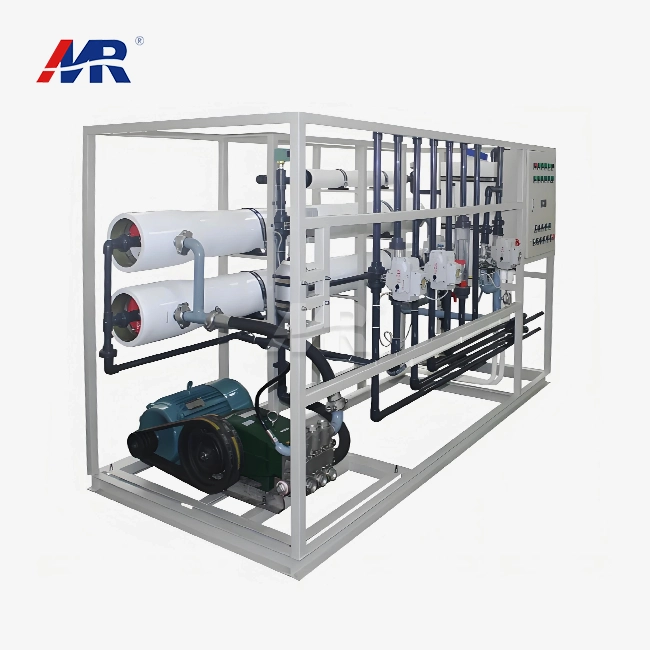
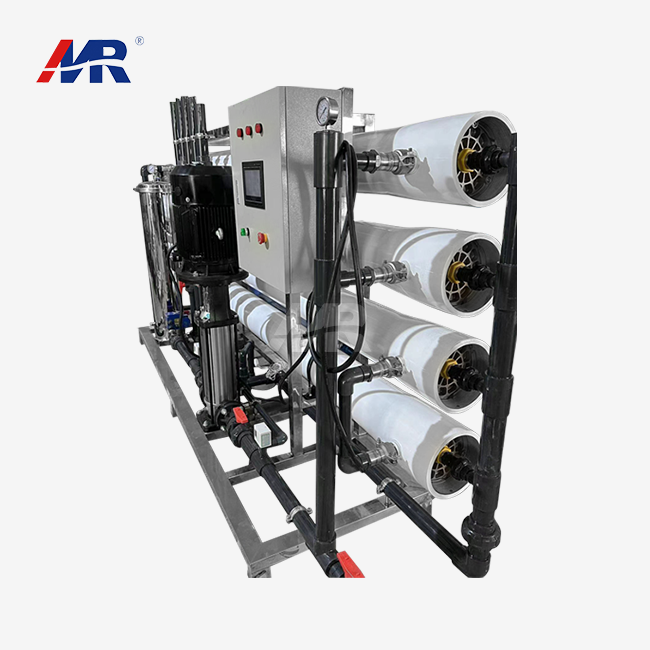
Several parts of industrial reverse osmosis water treatment machines are related to each other and work together to consistently clean water. The high-pressure pump moves the system along by creating enough pressure (usually 150 to 600 psi) to force water through the membranes. Pre-treatment systems that use sediment filters and carbon filters keep the ro membranes from getting damaged and make them last longer.
The membrane units are what any industrial RO system is really made of. Based on the size and charge of the molecules, these semi-permeable walls let water molecules pass through but not contaminants. These days, industrial membranes can reject more than 98% of dissolved solids. This makes them very good at cleaning up complex industrial waste streams.
Distinguishing Industrial from Residential Applications
When it comes to capacity, longevity, and special features, industrial reverse osmosis systems are very different from domestic ones. Residential systems usually handle 10 to 100 gallons per day, but industrial units can handle thousands of gallons per hour to meet the needs of large-scale production. Advanced tracking and control systems are also built into industrial systems. These systems allow for remote operation, data logging, and automatic scheduling of repair.
Membrane technology used in industrial settings often has better chemical protection and the ability to stop fouling. These systems have to work in tough conditions, like when the temperature or pH changes or when they are exposed to industrial chemicals that would quickly damage home-grade equipment.
Key Considerations When Choosing Industrial Reverse Osmosis Systems
It is important to carefully consider a number of scientific and practical factors that have a direct effect on the system's performance and its long-term operational costs when choosing an industrial RO system, reverse osmosis water treatment machine. Knowing about these things helps procurement managers make smart choices that meet the needs of their building and stay within their budget.
Wastewater Characterization and System Sizing
Before choosing an industrial RO system, the wastewater must be thoroughly analyzed to find out the types of contaminants, their amounts, and the required flow rates. The trash streams from different industries are very different. For example, pharmaceutical facilities may need to get rid of small amounts of organic chemicals, while electroplating operations focus on getting rid of heavy metals and recycling water for use in other processes.
The flow rate directly affects the system's size and design choices. Facilities that need to run all the time often benefit from duplex or multiplex systems that offer backup and let repair be done without stopping output. Peak demand analysis helps figure out whether variable-speed drives or holding tanks are the more cost-effective way to deal with changing water needs.
Technology Selection and Energy Efficiency
Modern industrial RO systems have different types of membranes, such as spiral-wound, tube, and plate-and-frame designs. Spiral-wound membranes have the highest packing density and are most often used in general industrial settings. Tubular membranes, on the other hand, work best in places with a lot of dirt and grime that need to be cleaned often.
The amount of energy used is a big part of the running costs, especially for big sites. In high-pressure situations, energy recovery devices like pressure exchanges and turbochargers can cut power use by as much as 60%. Variable frequency drives let systems change pump speeds based on demand, which saves energy when flow rates are low.
Maintenance Requirements and Service Support
Industrial RO systems need to be serviced regularly to keep working at their best and avoid breakdowns that come up out of the blue. Cleaning plans for membranes are usually between once a week and once a month, but this depends on the quality of the feedwater and the working conditions. Automated cleaning systems can cut down on the need for workers while still cleaning effectively every time.
Having access to service help is very important for keeping production high and reducing downtime. Industrial operators who can't afford long production stops can get a lot of value from suppliers who offer local service networks, expert help 24 hours a day, seven days a week, and full maintenance programs.
Installation, Operation, and Maintenance of Industrial RO Systems
Industrial reverse osmosis systems work better, last longer, and are more reliable if they are installed and maintained correctly. By understanding these practical aspects, facilities can get the most out of their investments and make sure that the water quality output stays steady.
Pre-Installation Planning and Site Preparation
A careful site study and preparation is the first step to a successful industrial RO system installation. Before the equipment is delivered, it must be made sure that there is enough floor room, structural support, and electric lines. When it comes to plumbing, lines need to be able to handle high-pressure pipes and the right way for wastewater to drain. Electrical needs often include separate circuits for control panels and high-horsepower pumps.
Integrating new systems with those already in place at a plant needs careful planning to keep production as smooth as possible. Bypass features let the system keep running during the installation and commissioning steps, and remote tracking links let it connect to control systems across the whole building for unified management.
Operational Best Practices and Performance Monitoring
Regularly checking certain operating factors makes sure that the system works at its best and that any problems are found quickly in a reverse osmosis water treatment machine. Some important factors are the pressure of the feedwater, the flow rate of the extract, the conductivity levels, and the difference in pressure between the membrane elements. Automatic monitoring systems can keep an eye on these factors all the time and send out alerts when numbers go above or below certain limits.
Regularly tracking changes in performance can help find slow drops in system effectiveness that could mean membrane fouling, scaling, or degradation. Changes in temperature and pressure are taken into account in monthly normalization calculations, which give a true picture of the membrane's state over time.
Preventive Maintenance and Troubleshooting
Maintenance programs that work well include regular checks, planned replacement of parts, and aggressive cleaning of the membrane. Visual checks every day can find leaks, strange noises, and other clear issues before they get worse and cause major failures. Testing the water quality once a week makes sure the system is working right and finds any patterns that might need extra attention.
When fouling or scaling happens, chemical cleaning methods bring the membrane back to working order. Different types of fouling are removed by different cleaning agents. For example, acidic cleaners get rid of mineral scales, while alkaline cleaners get rid of organic and bacterial fouling. The right way to clean and choose chemicals can make membranes last longer while keeping the water quality stable.
Comparing Reverse Osmosis with Other Water Treatment Technologies
When industrial leaders know how reverse osmosis stacks up against other water treatment methods, they can choose the best option for their needs and uses. There are pros and cons to each technology that make them less or more suitable for different business situations.
Reverse Osmosis versus UV Treatment Systems
Ultraviolet treatment is great at killing microbes and making water germ-free, but it's not very good at getting rid of dissolved chemicals that are common in industrial wastewater streams. UV systems use less energy and don't need much upkeep, which makes them appealing for situations where killing microbes is the main goal.
But UV treatment can't get rid of dissolved salts, heavy metals, or chemical molecules, which are often needed in industrial settings. A lot of places treat water with both UV light and reverse osmosis to get rid of all kinds of contaminants, including chemical and microbiological ones.
Traditional Filtration Methods and Their Limitations
Standard filtration methods, like sand filters, cartridge filters, and multimedia filters, mostly get rid of suspended solids and small particles. Even though these systems are easier to use and require less money to buy, they can't get rid of enough contaminants for many commercial uses.
An activated carbon filter is great at getting rid of chlorine, volatile organic compounds, and some dissolved organics in a reverse osmosis water treatment machine, but the media needs to be replaced often, and it can't get rid of heavy metals or dissolved salts. Ion exchange systems are good at getting rid of certain types of ionic contaminants, but they have trouble with waste streams that have a lot of different types of contaminants.
Energy Considerations and Operational Complexity
Due to the high-pressure pumps that are needed to move water through the membranes, reverse osmosis devices usually need more energy than other types of filters. But the better ability to get rid of contaminants usually makes this energy investment worth it, especially when water recovery and following the rules are taken into account.
RO systems are more complicated to operate than easier filtration technologies, so they need trained staff and more advanced tracking. Many factories find that the better water quality and lower costs of getting rid of trash make up for the extra work that needs to be done, especially when they can get full-service support.
Procurement Guide for Industrial Reverse Osmosis Water Treatment Machines
When buying industrial RO systems strategically, you need to look at more than one vendor, figure out the total cost of ownership, and form relationships that will help your business succeed in the long run. Good buying practices get the best value while lowering the risks related to system performance and source dependability.
Vendor Evaluation and Selection Criteria
To choose a good provider, you need to look at their technical skills, the quality of their Products, and their service support system. When you buy from well-known companies that have a history of success in business settings, you can be more confident in the stability and performance of the system. Reference setups in similar settings give useful information about how things work and support quality in the real world.
Standards for manufacturing and quality certificates show a commitment to regular product quality and following the rules. Structured quality management systems are shown by ISO 9001 approval. For some uses, like pharmaceutical or food preparation, industry-specific Certifications may be needed.
Financial Considerations and Contract Terms
In addition to the original capital costs, the total cost of ownership includes installation, commissioning, ongoing upkeep, and, eventually, replacement costs. Costs of energy use, consumables, and membrane repair have a big effect on the system's overall total costs.
Leasing, longer payment terms, and service agreements are all types of financing choices that can help you handle your cash flow and make sure you have access to the equipment you need. Performance promises and service terms protect you from unexpected costs and hold suppliers responsible for how well the system works.
Partnership with Guangdong Morui Environmental Technology
Guangdong Morui Environmental Technology Co., Ltd. has made a name for itself as a reliable provider of complete industrial water treatment solutions. Morui has more than 14 offices and more than 500 workers, including 20 specialized engineers. They have a lot of experience with designing systems, making them, and providing support services.
The company's integrated method for a reverse osmosis water treatment machine includes facilities for making both membranes and other tools in-house. This makes sure that quality control is maintained and the supply chain is reliable. Because Morui works with top component makers like Shimge Water Pumps, Runxin Valves, and Createc Instruments, they can get high-quality parts at prices that are still competitive.
Morui offers a wide range of services to help with all stages of a project, from the original meeting and system design to installation, commissioning, and ongoing upkeep. This all-encompassing method makes the procurement process easier while also ensuring that the system works well and is reliable for its entire operating lifetime.
Conclusion
Industrial reverse osmosis water treatment machines are an important piece of technology for modern factories that have to deal with stricter environmental rules and requests for sustainability. These systems are very good at getting rid of contaminants, and they also make it possible to recover water and lower costs by treating industrial wastewater streams completely. For adoption to go well, the right system must be chosen, it must be installed correctly, and it must have ongoing upkeep programs backed by knowledgeable service providers. Investing in good RO systems pays off in a number of ways, including higher operating efficiency, compliance with regulations, and less damage to the environment in a wide range of commercial settings.
FAQ
Q1: What contaminants can industrial reverse osmosis systems remove from wastewater?
Heavy metals like lead and mercury, organic molecules, herbicides, medicine residues, and bacteria can all be removed successfully by industrial RO systems. The semi-permeable screens can remove more than 95% of most dissolved contaminants, which means they can handle complicated industry waste streams from chemical processing, pharmaceuticals, and manufacturing.
Q2: How often do industrial RO membranes need replacement?
Depending on the quality of the feedwater, how the system is used, and how often it is maintained, membranes should be replaced every two to five years. Facilities with harsh waste streams may require more frequent replacement, while well-maintained systems treating relatively clean feedwater can achieve extended membrane life. Regular performance monitoring helps determine optimal replacement timing.
Q3: What are the energy requirements for industrial RO systems?
The amount of energy used depends on the size of the system, the working pressure, and the healing rate that is needed. Typical industrial systems consume 3-6 kWh per 1000 gallons of permeate produced. Energy recovery devices can reduce consumption by 40-60% in high-pressure applications, while variable speed drives optimize energy usage during varying demand conditions.
Q4: How do I determine the right system size for my facility?
System sizing requires analysis of peak flow requirements, average daily usage, and contaminant loading. Professional water treatment consultants can perform detailed assessments, including pilot testing to determine optimal system configuration. Factors such as backup requirements, future expansion plans, and integration with existing systems also influence sizing decisions.
Partner with Morui for Your Industrial Water Treatment Needs
Guangdong Morui Environmental Technology stands ready to support your industrial water treatment requirements with comprehensive reverse osmosis water treatment machine solutions. Our experienced engineering team provides customized system design, professional installation services, and ongoing Technical support to ensure optimal performance throughout your system's operational lifetime. As a leading reverse osmosis water treatment machine manufacturer, we combine proven technology with local service support to deliver exceptional value for industrial applications. Contact Our Team at benson@guangdongmorui.com to discuss your specific requirements and discover how our integrated approach can enhance your facility's water treatment capabilities while reducing operational costs and environmental impact.
References
1. Membrane Technology and Research Institute. "Industrial Reverse Osmosis Systems: Design and Performance Guidelines." Water Treatment Engineering Journal, 2023.
2. American Water Works Association. "Reverse Osmosis Membrane Technology for Industrial Wastewater Treatment." AWWA Research Foundation Report, 2022.
3. International Water Association. "Energy Recovery in Industrial RO Systems: Best Practices and Case Studies." IWA Industrial Water Treatment Handbook, 2023.
4. Environmental Protection Agency. "Industrial Wastewater Treatment Technologies: Performance and Regulatory Compliance." EPA Technical Guidelines, 2022.
5. Water Environment Federation. "Membrane Bioreactor and Reverse Osmosis Integration for Industrial Applications." WEF Industrial Treatment Manual, 2023.
6. Journal of Membrane Science. "Advances in Industrial Reverse Osmosis Membrane Technology and Applications." Elsevier Academic Press, 2022.