_1745823981883.webp)

Reverse Osmosis Device for Brackish Water and Process Water Treatment
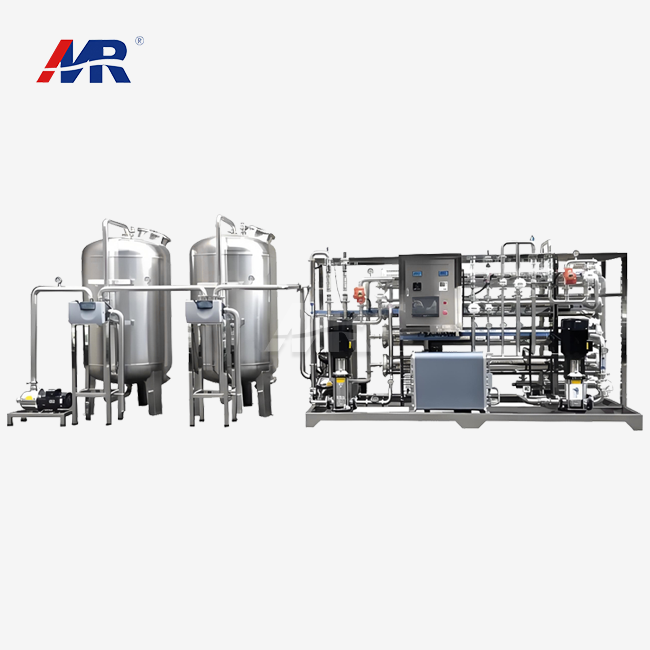
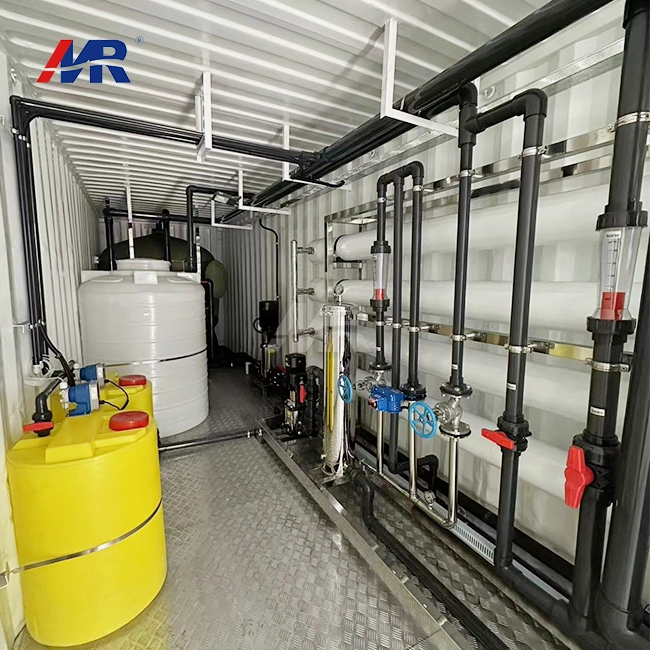
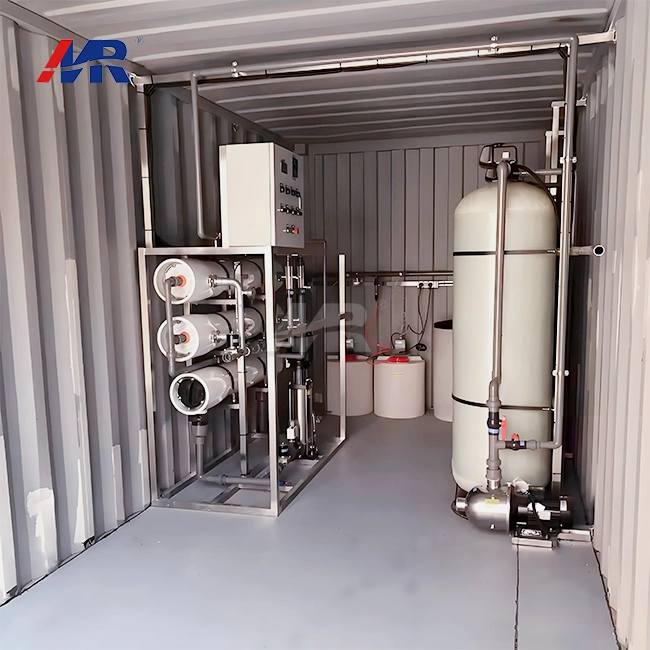
A reverse osmosis device is the most important part of modern industrial water treatment because it cleans brackish water and process water better than anything else on the market. These high-tech systems use cutting-edge membrane technology to get rid of dissolved salts, contaminants, and other impurities. The water they produce is always of a high quality that meets strict industry standards. In fields like industry, pharmaceuticals, food and beverage, and energy, where clean water directly affects product quality and operating efficiency, this technology has become essential.

Understanding Reverse Osmosis Technology in Brackish and Process Water Treatment
Fundamental Principles of Reverse Osmosis Systems
Reverse osmosis technology works very well because it uses pressure to push water molecules through semipermeable membranes, which separate pure water from dissolved contaminants. Total dissolved solids (TDS) levels in brackish water are usually between 1,000 and 10,000 parts per million. This process works especially well for treating this type of water. Normal filtration methods miss things like salt ions, heavy metals, chemical molecules, and germs, but the membrane filtering system does.
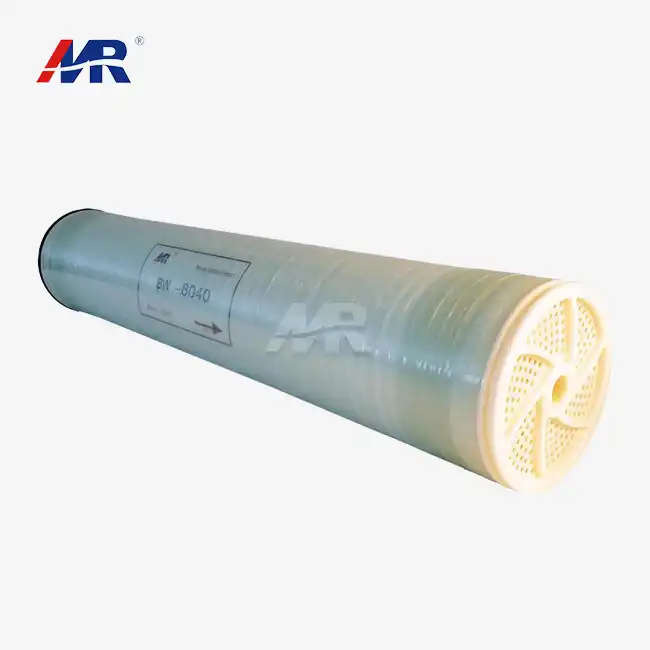
What makes the technology work is that it can get rid of pollution at the molecular level. Thin-film composite membranes are often used in industrial settings. They have amazing salt rejection rates of over 98%, which makes them perfect for turning salty water into high-purity process water. These membranes have several layers, such as an active layer made of polyamide that lets certain things pass through and a support structure made of polysulfone that keeps the membranes stable under pressure.
Benefits of Advanced RO Technology
When industrial sites use reverse osmosis systems, they get a lot of practical benefits that go beyond just cleaning the water. Higher water quality immediately leads to more consistent Products during production, less rust and damage on equipment, and longer machinery life. Companies say that when they use properly built RO systems, they have lower upkeep costs and fewer problems with production.
Another important benefit is that cleaned water often meets or exceeds the rules for dumping into the environment. Industries that have to follow strict environmental rules can recycle process water with reverse osmosis technology. This cuts down on the amount of freshwater they use and the amount of wastewater they dump. This has two benefits: it helps with environmental efforts and keeps operating costs low.
Membrane Technologies and Capacity Customization
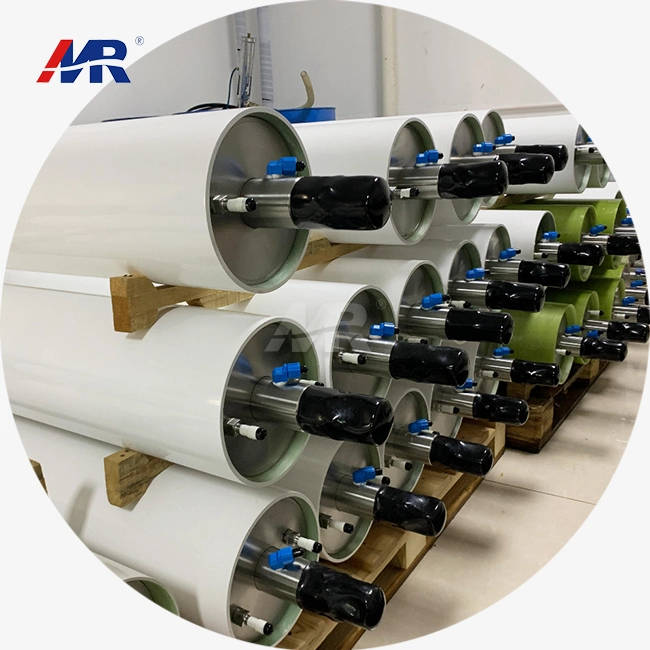
Different types of membranes are used in modern reverse osmosis devices to meet the needs of different industries. Because they are relatively cheap and have a high surface area-to-volume ratio, spiral-wound membranes are most often used in business. These membranes fit easily into pressure tanks, which lets designers make small systems that treat more while taking up less space.
Facilities can perfectly match treatment systems to their needs by customizing their capacity. Flow rates between 0.5 and 50 cubic meters per hour can handle small tasks in the lab to big industrial processes. Modular designs make it easy to increase or decrease production as needs change. This gives businesses long-term freedom that protects their investments.
Key Considerations When Selecting Reverse Osmosis Devices for Industrial Use
Performance Metrics and Operational Efficiency
Water recovery rates are an important way to measure how well industrial reverse osmosis systems are working. Newer units can collect more than 90% of the water they process. High recovery rates cut down on garbage streams while increasing the output of cleaned water. This has a direct effect on both running costs and the environmental impact. Another important measure is energy use, which should be less than 0.1 kilowatt-hours per cubic meter of cleaned water for systems that work well.
How well contaminants are removed depends on the membrane used and how the system is set up. Quality commercial systems always get rid of 98% of the dissolved solids and keep working at the same level for long periods of time. According to these performance standards, cleaned water must meet certain process needs in order to be used in the production of drugs, electronics, or food and drinks.
Comparative Analysis with Alternative Technologies
In uses involving salty water, reverse osmosis technology has clear benefits over other cleaning processes. Ultrafiltration systems mostly get rid of big molecules and solids that are floating in water. ro membranes, on the other hand, get rid of dissolved salts and small organic compounds. Because it can do this, reverse osmosis is perfect for uses that need water with low TDS or certain conductivity levels.
Ion exchange and filtration are common ways to treat water, but they are often not as cost-effective when dealing with big amounts of salty water for a reverse osmosis device. Ion exchange resins need to be regenerated with chemicals on a regular basis, which creates trash and makes operations more difficult. The cost of distillation is too high for most commercial uses because it uses a lot more energy than reverse osmosis.
Strategic Selection Guidelines
A thorough study of the water source, including TDS levels, pH, temperature, and specific chemical profiles, is the first step in choosing the right system. The types of things that are in brackish water sources are very different, so different cleaning methods are needed to get the best results. Before installing the system on a large scale, facilities should try it first with actual amounts of water to make sure it works well.
The amount of space a system needs to hold must take into account both present needs and expected growth. Installing flexible systems gives you the freedom to grow in the future while also meeting your current operating needs. Things to think about when integrating are the amount of room available, the availability of electricity, the ability to get rid of waste, and how well it works with the current infrastructure.
Maintenance, Common Issues, and Longevity of Reverse Osmosis Devices
Preventive Maintenance Best Practices
Regular repair plans keep equipment running at its best and greatly extend its useful life. Depending on the quality of the feed water and the conditions of operation, membranes should be replaced every two to five years. More frequent maintenance is needed for pre-filtration parts. For example, sediment filters need to be replaced every three to six months and carbon filters every six to twelve months.
Monitoring the water quality lets you know early on when performance is going down, and repairs need to be done. Normalized permeate flow, salt rejection rate, and difference pressure across membranes are some of the most important factors. If you look at these factors over time, you can see that they change slowly over time. This means that maintenance is coming up, or there might be a problem with the system.
Troubleshooting Common Operational Challenges
Membrane fouling is the most common problem that reverse osmosis device systems have to deal with. Biological fouling happens when microorganisms stick to the surface of membranes, and scaling happens when minerals that are dissolved in water settle to the bottom. Both problems can be solved by following the right pre-treatment and normal cleaning procedures.
When the pressure in the system drops, it's usually because a filter is blocked or a membrane is getting dirty. Systematic pressure monitoring at several places along the treatment train makes it easier to find trouble spots fast. The quality of the permeate usually goes down when the membrane is damaged or the pre-treatment wasn't done right, so it needs to be looked into right away to stop it from getting worse.
Factors Influencing System Durability
The quality of the individual parts has a big effect on how long and reliably the whole system works. High-grade stainless steel construction keeps it from rusting in harsh working conditions, and food-grade plastics make sure it can be used in delicate situations. Automated control systems constantly find the best working conditions, which lowers the stress on system parts and increases their useful life.
Changes in weather, chemical contact, and motor stress are all things to think about in the operating area. Systems made for tough industrial circumstances have safety features like temperature control, chemical-resistant locks, and shaking reduction. When installation and testing are done correctly, the best conditions are created for long-term dependability.
Procurement Guide: Buying Reverse Osmosis Devices for Brackish and Process Water
Cost Analysis and Investment Planning
When you put money in a reverse osmosis system, you have to pay for the tools, the installation, and the setup. Even though the original costs might seem high, life-cycle cost analysis usually shows good results through lower running costs and better process efficiency. Designs that use less energy mean lower long-term electricity costs, and systems that return a lot of water use less raw water.
Costs related to running the business include replacing membranes and pre-filters, buying cleaning chemicals, and using energy. Facilities should set aside money for regular upkeep and plan to replace major parts based on what the maker says and what they've learned from using the equipment. Good financial planning keeps operations running smoothly and keeps treatment success high.
Supplier Evaluation and Partnership Development
Reliable providers of a reverse osmosis device have a track record of success in treating water for commercial uses and offer a wide range of services. Certifications like ISO 9001 for quality management and ISO 14001 for environmental management show that a company is dedicated to steady performance and caring for the environment. Long-term success depends a lot on Technical support skills, such as system design, installation supervision, and ongoing upkeep support.
The possibility for a partnership goes beyond just providing the initial tools. It also includes working together on ongoing projects like planning for system improvements, system growth, and technology updates. When suppliers offer combined services that include everything from the original advice to long-term upkeep, it helps complicated industrial processes because they provide stability and responsibility.
Value-Added Services and Support Infrastructure
Professional installation services make sure that the system is properly set up and works at its best right away. Technicians with a lot of experience know important construction details that affect long-term dependability. For example, they know how to properly hold pipes, connect electrical wires, and program control systems. A full guarantee guards against equipment breaking down before it should and gives you peace of mind during the first few days of use.
After-sales support for a reverse osmosis device includes expert help, having access to extra parts, and being able to provide emergency service. For facilities that run important processes, fixing equipment problems quickly is necessary, which is why local service help is so important. Training programs for running staff make sure that systems are run correctly and that people know how to fix simple problems.
Conclusion
Reverse osmosis machines are necessary for treating salty water and processing water, and they are an important part of modern factories that need clean water. The technology has been shown to remove dissolved contaminants while still being energy-efficient. This makes it perfect for a wide range of uses in the energy, medicinal, food and beverage, and industrial industries. For adoption to go well, the features of the water source, performance standards, and long-term operating goals must all be carefully thought through. Strategic relationships with suppliers and a full range of support services make sure that the system works well and reliably for the whole time it is being used.
FAQ
Q1: How do reverse osmosis devices handle high salinity levels in brackish water?
Reverse osmosis systems manage high salinity through specialized membrane selection and optimized operating pressures. Brackish water applications typically utilize thin-film composite membranes rated for salt rejection exceeding 98%. Operating pressures between 150-400 PSI provide sufficient driving force to overcome osmotic pressure from dissolved salts. Pre-treatment systems remove scaling potential minerals that could interfere with membrane performance.
Q2: What maintenance schedules are necessary for industrial reverse osmosis systems?
Industrial systems require daily monitoring of operating parameters, including flow rates, pressures, and water quality. Filter replacement schedules vary based on water quality, with pre-filters typically requiring replacement every 3-6 months and membranes lasting 2-5 years. Monthly cleaning protocols prevent membrane fouling, while quarterly comprehensive inspections identify potential issues before they impact performance.
Q3: Can reverse osmosis systems integrate with existing process water infrastructure?
Modern reverse osmosis systems feature flexible design options that accommodate integration with existing infrastructure. Modular construction allows systems to fit within available space constraints, while automated controls interface with existing monitoring systems. Professional installation teams assess integration requirements and develop customized solutions that minimize disruption to ongoing operations.
Transform Your Water Treatment Operations with Morui
Industrial facilities seeking reliable reverse osmosis device solutions will find exceptional value in partnering with Guangdong Morui Environmental Technology. Our proven expertise in brackish water treatment, combined with comprehensive manufacturing capabilities and a nationwide service network, ensures successful project outcomes from initial consultation through long-term operation. Whether upgrading existing treatment systems or implementing new water purification processes, Our Team of 20 specialized engineers and 500 dedicated professionals provides the technical knowledge and support infrastructure necessary for optimal performance.
Contact our technical specialists at benson@guangdongmorui.com to discuss your specific water treatment requirements and receive personalized system recommendations. As a leading reverse osmosis device manufacturer, we deliver customized solutions that maximize operational efficiency while ensuring regulatory compliance.
References
1. American Water Works Association. "Reverse Osmosis and Nanofiltration Manual of Practice." Denver: AWWA Publications, 2022.
2. Greenlee, Lauren F., et al. "Reverse Osmosis Desalination: Water Sources, Technology, and Today's Challenges." Water Research, Vol. 43, No. 9, 2023.
3. International Desalination Association. "Industrial Water Treatment Technologies: Performance and Applications." Global Water Intelligence, 2022.
4. Membrane Technology and Research Institute. "Brackish Water Treatment: Engineering Guidelines and Best Practices." Technical Publication Series, 2023.
5. National Association of Water Companies. "Cost-Effective Reverse Osmosis Systems for Industrial Applications." Industry Standards Manual, 2022.
6. Water Quality Association. "Industrial Membrane Systems: Selection, Operation, and Maintenance Guidelines." Technical Bulletin WQA-TB-2023-RO, 2023.