

_1745823981883.webp)

Reverse Osmosis Water Purification Unit for Process Water Treatment
Modern industrial water treatment is built around a reverse osmosis water purification unit, which uses advanced membrane technology to get rid of up to 98% of dissolved solids from process water. These high-tech systems use both membrane filtration and electrodeionization to provide constantly clean water that meets strict standards in the electronics, medical, food preparation, and industrial industries.

Understanding Reverse Osmosis Water Purification Units for Process Water Treatment
The use of modern reverse osmosis technology has made a big difference in how industrial water is cleaned. Modern RO systems use semi-permeable membranes that work under high pressure to separate contaminants from water molecules. This makes them a safe way for many businesses to treat process water.
Fundamental Principles of RO Membrane Technology
Reverse osmosis works by pushing water through special membranes that have tiny holes in them that stop contaminants from passing through but let pure water molecules through. Pressures in this process range from 150 to 600 PSI, based on the quality of the feed water and the output that is needed. Bacteria, viruses, heavy metals, dissolved salts, and chemical substances that could hurt the quality of the product or the process of making it are successfully removed by membrane technology.
Modern RO systems use more than one stage of filtering to work as efficiently as possible. In the pre-treatment stage, bigger particles and chlorine that could hurt delicate membranes are taken out. After treatment, there are remineralization screens that add back minerals that are good for certain uses. This all-around method makes sure that the quality of the water always meets or beats industry standards.
Key System Components and Operational Benefits
High-tech control methods in modern reverse osmosis water purification units check the water quality all the time. These automatic systems change the working settings to keep the best performance while using the least amount of energy. Adding electrodeionization technology makes the water even cleaner, reaching resistance levels of up to 18.2 M··cm that are good for important uses in electronics and pharmaceutical manufacturing.
When industrial sites use RO technology, their operations get a lot better. For example, machine rust goes down, product quality goes up, and they are better able to meet regulatory standards. Getting rid of dissolved pollutants keeps scale from building up in cooling systems and heaters, which increases the life of the equipment and lowers the cost of upkeep. Consistent water quality helps manufacturing processes because it gets rid of differences in product quality that are caused by impurities in the water.
Maintenance Best Practices and Performance Optimization
Routine care tasks like cleaning the membrane, replacing the filters, and sanitizing the system are necessary for a RO system to work well. To find problems before they affect production, industrial managers should keep a close eye on the water quality factors, the difference in pressure across membranes, and thorough service logs. When you maintain your pre-treatment system properly, you can keep the membranes from getting clogged, and they will last longer. Under normal working conditions, a membrane will last for two to three years.
Some ways to figure out what's wrong are to look at changes in permeate quality, keep an eye on rejection rates, and do regular bacteriological tests. These steps make sure that the system always works right and that it doesn't go down without warning, which could stop important manufacturing processes.
Comparative Analysis: Reverse Osmosis vs Other Water Purification Methods
To choose the right water treatment technology, you need to carefully consider how well it removes contaminants, how much it costs to run, and how often it needs to be maintained. Reverse osmosis technology has clear benefits over other methods of cleaning that are widely used in business settings.
Effectiveness Against Various Contaminants
When it comes to getting rid of dissolved solids, a reverse osmosis water purification unit works better than UV cleaning or carbon filter systems. UV systems get rid of biological contaminants well, but they can't do anything about dissolved minerals, heavy metals, or chemical pollutants that hurt the quality of process water. Carbon filters are great at getting rid of chlorine and organic chemicals, but they can't get rid of total dissolved solids or make water as clean as is needed in electronics and pharmaceutical manufacturing.
RO systems always get rid of 95–99% of dissolved salts, heavy metals, and organic pollutants, and they also get rid of biological threats at the same time. Because it can get rid of so many contaminants, reverse osmosis is the best choice for businesses that need very clean water for important processes.
Energy Consumption and Operational Cost Analysis
Modern RO systems use a very small amount of energy; the most modern ones use less than 0.1 kWh/m³ of cleaned water. Better membrane technology, energy return systems, and pump designs that use less power while still performing well have made this system more efficient. When compared to steam distillation or multiple-effect evaporation systems, reverse osmosis uses a lot less energy, which means it costs less to run.
Modern RO systems are made up of separate modules that can be put together to fit any space perfectly. This keeps them from being too big, which wastes energy and resources. Automated control systems adjust the working pressure and flow rates based on readings of the water quality in real time. This makes sure that the system works well even when demand changes.
System Flexibility and Installation Considerations
There are a lot of different ways to set up and configure industrial RO systems. Fixed systems can handle the most work for long periods of time and big volumes, while movable units are better for short-term or mobile needs. Modern RO systems are small enough to fit in places with limited room without sacrificing efficiency.
Customizable sizes make it possible to connect to current equipment with few changes to the building. High-grade stainless steel construction works in a wide range of industrial settings, and food-grade plastic parts meet safety standards for use in pharmacy and food processing settings.
Selecting the Best Reverse Osmosis Water Purification Unit for Your Process
When buying industrial water treatment equipment, it's important to carefully look at technical specs, make sure the equipment meets regulations, and think about how it will work in the long run. The selection process has to find a good mix between performance needs and price limits, while also making sure there is enough room for future growth.
Critical Performance Specifications
Flow rate ability is the most important thing to think about when looking at reverse osmosis systems because it determines how big the equipment needs to be to meet production needs. Systems with a volume range of 0.5 to 50 m³/h can be used in a wide range of industrial settings, from small labs to large-scale factories. Recovery rates higher than 90% make sure that water is used efficiently while reducing trash output and the costs of getting rid of it.
The final standards for water quality must match the needs of the business for a reverse osmosis water purification unit. When making electronics, you need water that is very pure and has a resistance of around 18.2 M··cm. When processing food, you can use water that is less pure as long as it still meets safety guidelines. By knowing these standards, you can avoid over-specification, which raises costs without improving operations.
Regulatory Compliance and Certification Requirements
Industrial water treatment systems need to follow industry standards, such as FDA rules for applications that come into contact with food, USP rules for applications that involve drugs, and EPA rules for release permits. Certifications for equipment show that it meets these standards and provide the proof needed for governmental checks.
NSF certification makes sure that Products are safe for use with drinkable water, and ISO 9001 certification shows that they have quality control methods that help tools work consistently. These licenses lower the risk for regulators and make it easier for new setups to get approved.
Investment Considerations and Return on Investment
When looking at water treatment equipment, you should think about the total cost of ownership, which includes the price you pay for it, the cost of installation, the cost of ongoing upkeep, and the amount of energy it uses. Systems that are very efficient and have automatic settings usually deserve to be more expensive because they last longer and cost less to run.
Options for financing and service terms have a big effect on the costs of a project. Full guarantees that cover all major parts protect you from unexpected repair costs, and flexible payment terms make it easier to handle your cash flow while the equipment is being set up. Professional installation services make sure that the system is properly set up and works at its best from the start.
Implementation and Optimization of RO Units in Industrial Settings
Setting up reverse osmosis systems correctly needs a lot of planning that includes getting the place ready, integrating the systems, and keeping an eye on how well they're working. When implemented correctly, it ensures stable operation while causing as little damage as possible to current production processes.
Site Assessment and Preparation Requirements
An in-depth site study, which includes a water quality analysis, room needs assessment, and power capacity proof, is the first step in installing an industrial RO system. Feed water research tells you what kind of pre-treatment you need and helps you guess how long the barrier will last. The best conditions for working are those with enough electricity, water, and temperature control.
Integrating new water treatment systems with old ones needs careful planning to keep system redundancy and keep production going during installation. Bypass features let operations keep going while the equipment is being set up and during future repairs.
Performance Monitoring and Optimization Strategies
Key success factors, such as infiltration quality, system pressure, flow rates, and energy use, are tracked by advanced tracking systems in a reverse osmosis water purification unit. Collecting data in real time lets you plan preventative repairs and improve efficiency. Trending analysis finds small changes that point to problems that are starting to appear before they affect the quality of the water or the stability of the system.
Changes in the quality of the feed water and changes in output needs cause automated control systems to change the working settings. These systems make the best use of energy while keeping the quality of the result constant, even when working conditions change. Remote tracking lets you get expert help from afar and quickly respond to dangerous situations.
Case Studies and Proven Results
A pharmaceutical factory that put in a 25 m³/h RO system got rid of 99.2% of the dissolved solids and saved 35% on water costs compared to buying deionized water. The automatic controls of the system kept the quality the same even when production plans changed. This got rid of the need to reject batches because of changes in water quality.
An electronics company switched from ion exchange to RO technology and got 18.1 M©·cm of resistance while using 80% less chemicals. The flexible system design made installation possible in stages, which kept output going while the update was being done.
Conclusion
Reverse osmosis water treatment units are an important piece of technology for current business processes that need clean water. When modern membrane filtering and electrodeionization technology are combined, they remove a lot of contaminants very well while still being energy-efficient and easy to use. Professional installation and ongoing upkeep, along with choosing the right system for the job, are the keys to effective running and getting the most out of your investment. Reverse osmosis is the best way to treat water for important uses because it has been shown to work well in the pharmaceutical, technology, food processing, and industrial industries.
FAQ
Q1: How often should RO membranes be replaced in high-demand industrial environments?
Membrane replacement intervals depend on feed water quality, operating hours, and maintenance practices. Typical industrial ro membranes last 2-3 years under normal conditions, but high-contamination applications may require annual replacement. Regular monitoring of permeate quality and differential pressure provides an early indication of membrane degradation.
Q2: Can reverse osmosis systems effectively treat well water or heavily contaminated sources?
RO systems excel at treating challenging water, such as sources including brackish wells, contaminated groundwater, and industrial process water. Proper pre-treatment design addresses specific contaminants while protecting membrane integrity. Site-specific water analysis enables customized pre-treatment solutions that ensure reliable long-term operation.
Q3: What are the operational differences between portable and fixed RO systems?
Fixed installations provide higher capacity, automated controls, and integrated monitoring systems suitable for continuous operation. Portable units offer flexibility for temporary applications or multiple locations but typically feature smaller capacity and manual operation. Both configurations utilize identical membrane technology but differ in control sophistication and installation requirements.
Contact Morui for Your Industrial Water Treatment Needs
Morui's advanced reverse osmosis water purification units deliver proven performance across pharmaceutical, electronics, and manufacturing applications. Our experienced engineering team provides customized solutions that optimize water quality while minimizing operational costs. As a leading reverse osmosis water purification unit manufacturer, we offer comprehensive support from initial consultation through ongoing maintenance. Contact benson@guangdongmorui.com to discuss your specific requirements and receive a detailed quotation.
References
1. American Water Works Association. "Reverse Osmosis and Nanofiltration Manual of Practice." Denver: AWWA Press, 2023.
2. Fritzmann, C., et al. "State-of-the-art of reverse osmosis desalination." Journal of Membrane Science, vol. 435, 2022, pp. 1-15.
3. United States Environmental Protection Agency. "Guidelines for Industrial Water Treatment Systems." Washington: EPA Office of Water, 2023.
4. International Association of Water Quality. "Membrane Technology for Industrial Water Applications." London: IWA Publishing, 2022.
5. Pharmaceutical Engineering Society. "Water and Steam Systems for Pharmaceutical Manufacturing." Tampa: ISPE Press, 2023.
6. Semiconductor Industry Association. "Ultrapure Water Guidelines for Chip Manufacturing." San Jose: SIA Technical Publications, 2022.
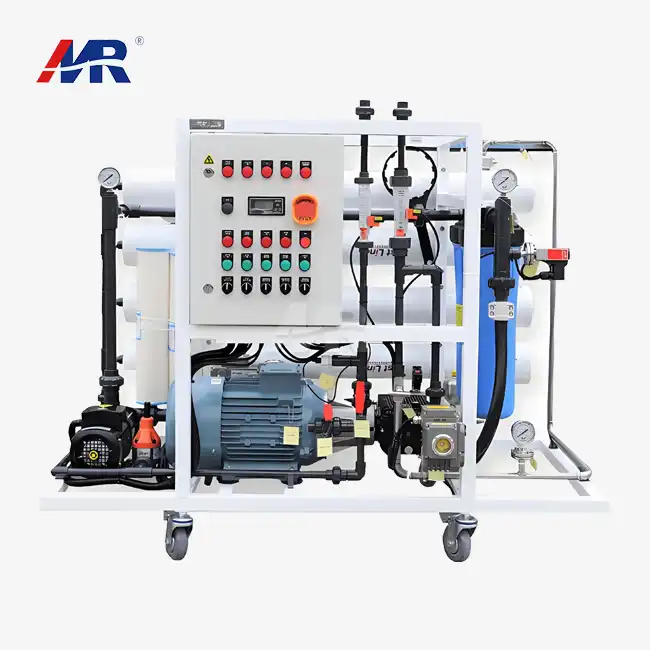 VIEW MORE2m3/hour seawater desalination equipment
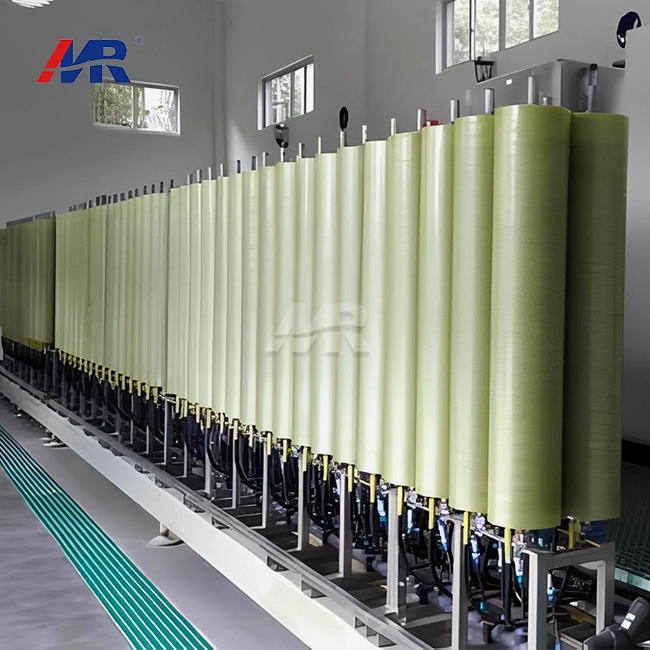 VIEW MORELeachate DTRO Treatment Equipment
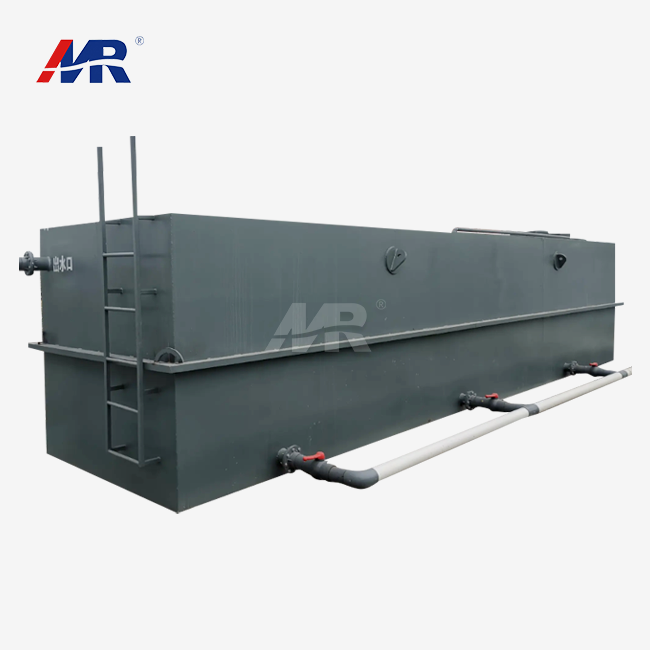 VIEW MOREdomestic wastewater treatment plant
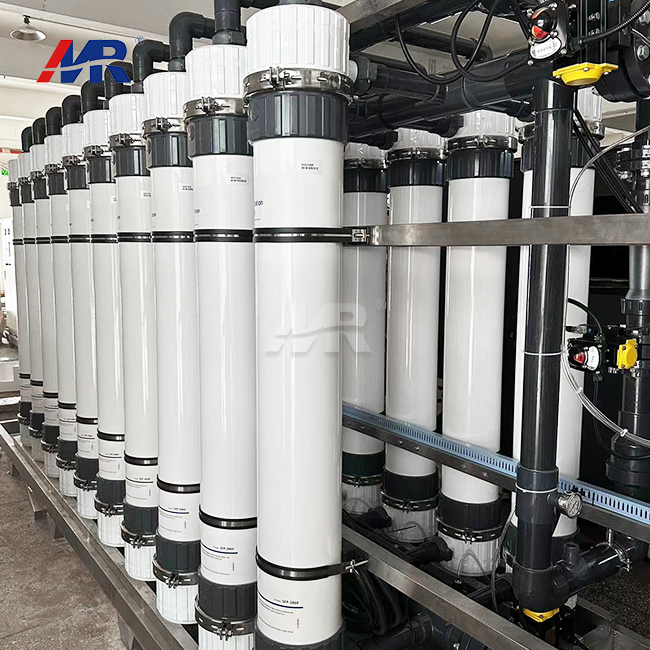 VIEW MOREwater ultrafiltration system
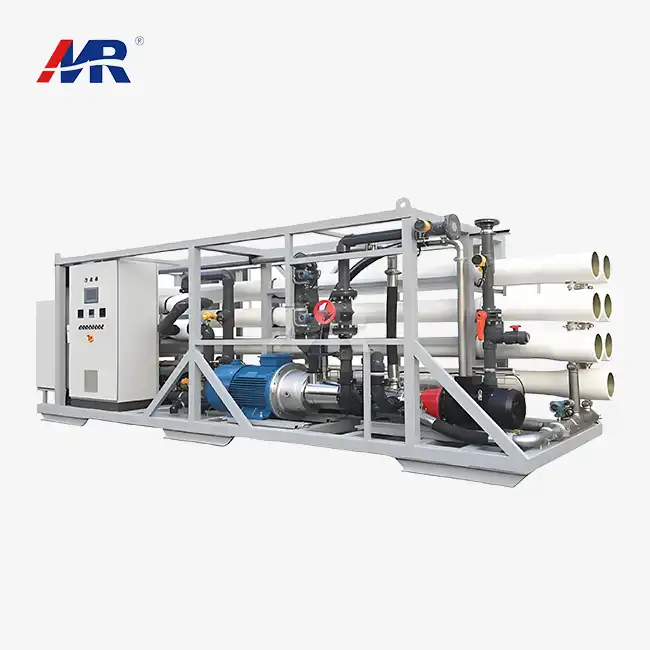 VIEW MORE20m3/hour seawater desalination equipment
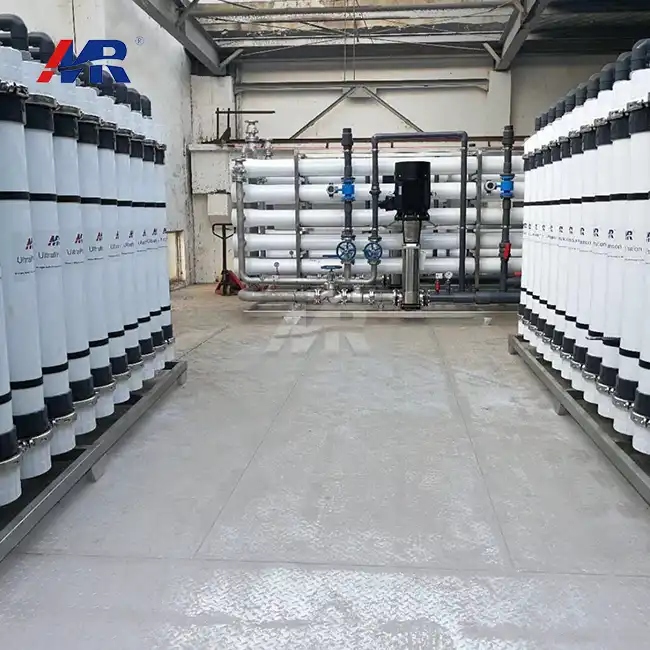 VIEW MORE2000m3/day ultrafiltration equipment
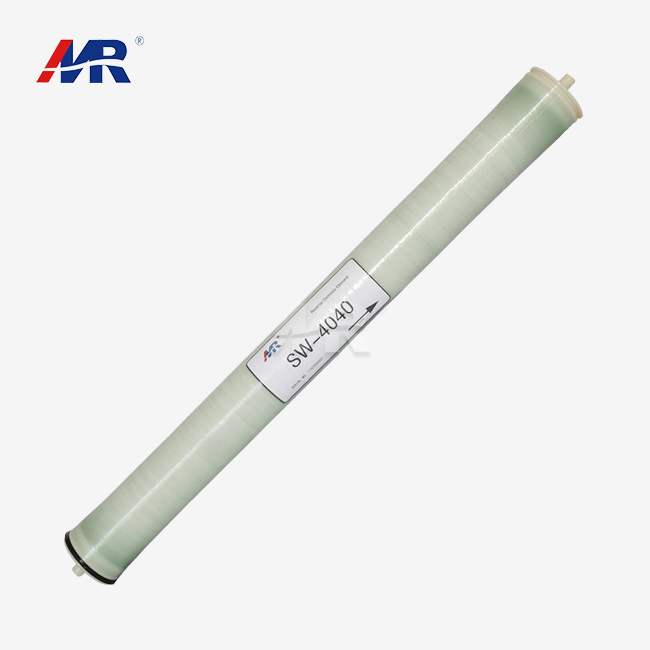 VIEW MORE4040 seawater reverse osmosis membrane
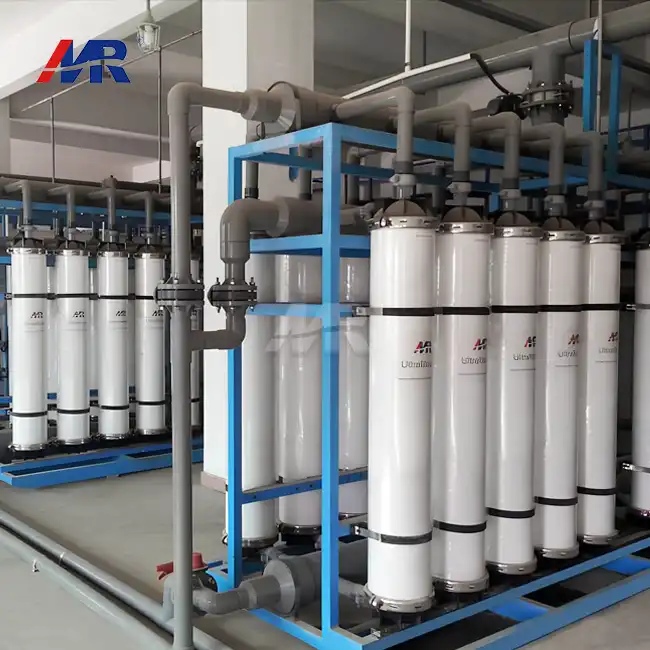 VIEW MORE20m3/hour ultrafiltration equipment
