

_1745823981883.webp)

Custom Reverse Osmosis Water Purification Plants for Industrial Use: A Complete Guide
These days, the need for high-quality water cleaning options in industry is at an all-time high. Reverse osmosis water purification plants are now a very important technology for businesses in many different areas because they are the best way to make water clean by removing things that don't belong in it. This all-inclusive book covers custom RO systems, talking about why they are important, how they can be designed, and how specific versions can be made to meet the unique needs of different industries. As businesses change and environmental rules get stricter, the need for better water handling grows. These problems can be dealt with by custom reverse osmosis systems, which are strong and flexible options that meet the needs of different industries. RO plants are very important for keeping operating excellence and following the rules. They are used to make sure that food and drinks are safe and that drug companies that need very pure water can get it.

Why Industries Need Customized RO Water Purification Plants?
There are a number of important reasons why customized reverse osmosis water purification plants are being used more in factories:
Diverse Water Quality Requirements
Each industry has its own water quality needs. For example, the chip industry needs ultra-pure water with very low levels of contaminants, and the food and drink sector needs water that meets strict cleanliness standards. Customized RO plants can be changed to meet these exact needs, making sure that the water made is good enough for what it will be used for.
Regulatory Compliance
There are strict rules about industrial water use that change depending on the type of business and area. Businesses can avoid expensive fines and keep their licenses by having custom RO plants that meet or exceed these rules. This is especially important in fields like electronics and medicine, where the quality of the water affects the quality of the Products made.
Cost Efficiency
Although ready-made RO systems may seem like a good way to save money at first, they often don't meet the needs of certain industries. This can cause things to be done less efficiently, raise the costs of doing business, and cause problems with production. Reverse osmosis water purification plants that are tailored to the needs of a specific customer can save money in the long run by reducing the amount of water, energy, and maintenance needed.
Scalability and Future-Proofing
Companies' needs for water treatment change as they grow and change. If you build a custom RO plant to be scalable, it can be easily expanded or changed when needs change. This method protects the investment in water cleaning equipment from losing value over time.
Integration with Existing Systems
A lot of businesses already have complicated ways of managing water set up. Customized RO plants can be developed to fit in with these setups. This will minimize disruption to activities and maximize the overall efficiency of the water treatment process.
Design Options for Industrial Reverse Osmosis Water Purification Plants
When it comes to designing custom reverse osmosis water purification plants for industrial use, there are several key considerations and options to explore:
Membrane Configuration
The heart of any RO system is its membrane configuration. There are several options available:
- Spiral-wound films: These are the most common sort, advertising a great deal of proficiency and cost-effectiveness.
- Hollow fiber films: Perfect for applications requiring tall stream rates and resistance to fouling.
- Plate and outline films: Suited for high-solids applications and less demanding cleaning.
The choice of membrane configuration depends on factors such as feed water quality, desired output, and specific industry requirements.
Pre-treatment Systems
Effective pre-treatment is crucial for the longevity and efficiency of ro membranes. Design options include:
- Multi-media filtration: Evacuates suspended solids and particulates.
- Activated carbon filtration: Dispenses with chlorine and natural compounds.
- Water softening: Diminishes hardness to prevent scaling.
- Chemical dosing frameworks: Alter pH and include anti-scalants as needed.
The specific pre-treatment design will depend on the quality of the input water and the requirements of the RO system.
Energy Recovery Systems
To enhance energy efficiency, modern reverse osmosis water purification plants often incorporate energy recovery devices (ERDs). Options include:
- Pressure exchangers: Profoundly effective for seawater desalination applications.
- Turbochargers: Reasonable for brackish water treatment.
- Pelton wheels: Successful for smaller-scale systems.
The choice of ERD can significantly impact the overall energy consumption and operating costs of the RO plant.
Control and Monitoring Systems
Advanced control and monitoring systems are essential for optimizing performance and ensuring consistent water quality. Design options include:
- Programmable Logic Controllers (PLCs): For computerized operation and prepare control.
- SCADA systems: Give real-time checking and information logging.
- Remote observing capabilities: Permit for off-site administration and troubleshooting.
- Predictive upkeep computer program: Makes a difference by anticipating downtime and optimizing upkeep schedules.
Post-treatment Options
Depending on the end-use requirements, post-treatment systems may be necessary. These can include:
- Remineralization: Includes fundamental minerals back into the decontaminated water.
- UV cleansing: Gives an extra obstruction against microorganisms.
- pH alteration: Guarantees the last water item meets particular pH requirements.
- Degasification: Evacuates broken down gasses that may influence water quality or downstream processes.
Tailored RO Plant Solutions for Specialized Industrial Requirements
Different industries have unique water purification needs, and custom reverse osmosis water purification plants can be tailored to meet these specific requirements:
Pharmaceutical Industry
The pharmaceutical sector demands water of the highest purity for drug manufacturing, research, and laboratory applications. Tailored RO solutions for this industry often include:
- Multi-stage RO systems to accomplish ultra-high purity levels.
- Electrodeionization (EDI) units for the last polishing.
- Sanitization frameworks to keep up microbial control.
- Compliance with Good Manufacturing Practice (GMP) standards.
These systems are designed to produce Water for Injection (WFI) and Purified Water (PW) that meet pharmacopeia standards.
Food and Beverage Industry
In food and beverage production, water quality directly impacts product taste, consistency, and safety. Customized RO plants for this sector typically feature:
- Robust pre-treatment to handle changing source water quality.
- Specialized layers that comply with food-grade standards.
- Post-treatment alternatives for remineralization or pH adjustment.
- Clean-in-place (CIP) systems for keeping up clean conditions.
These systems ensure that the water used in production meets both quality and regulatory requirements.
Semiconductor Manufacturing
The semiconductor industry requires ultra-pure water for various processes, including wafer cleaning and rinsing. Tailored RO solutions for this sector often include:
- Multi-stage RO combined with blended bed particle exchange.
- Advanced filtration to evacuate particles down to sub-micron levels.
- Continuous observing frameworks for real-time quality control.
- Specialized materials to anticipate defilement from framework components.
These systems are designed to produce ultrapure water with resistivity approaching the theoretical limit of 18.2 MΩ·cm.
Power Generation Industry
Power plants require high-purity water for boiler feed and cooling systems. Custom RO plants for this industry typically include:
- High-recovery RO systems to maximize water efficiency.
- Specialized pre-treatment to handle high-temperature nourish water.
- Silica expulsion frameworks to avoid scaling in boilers.
- Integration with condensate cleaning systems.
These tailored solutions help maintain the efficiency and longevity of power generation equipment.
Textile Industry
The textile sector requires consistent water quality for dyeing and finishing processes. Customized RO plants for this industry often feature:
- Robust pre-treatment to handle tall natural loads in wastewater.
- Specialized films are safe to chemical cleaning agents.
- Water reuse frameworks to diminish by and large water consumption.
- Integration with proficient treatment plants for a closed-loop system.
These systems help textile manufacturers maintain product quality while reducing their environmental footprint.
Oil and Gas Industry
In oil and gas operations, water treatment is crucial for processes such as enhanced oil recovery and produced water management. Tailored RO solutions for this sector typically include:
- High-pressure RO systems are able to take care of brackish and saline waters.
- Specialized pre-treatment for expelling oil and oil contaminants.
- Corrosion-resistant materials are appropriate for harsh environments.
- Integration with desalination frameworks for seaward platforms.
These customized plants help oil and gas companies meet stringent environmental regulations and optimize their water management practices.
Conclusion
Custom reverse osmosis water purification plants are now must-have tools for businesses that want to meet strict water quality standards, improve their efficiency, and follow the rules. Businesses can make sure they always have high-quality water while also lowering their costs and environmental impact by making these systems fit the needs of their industry.
As the world's water problems get worse, new water purification methods will become even more important. Businesses that buy custom RO systems are leaders in sustainability and operational success. They are ready to face the challenges of a world that is becoming more aware of water.
FAQ
Q1: What is the typical lifespan of a reverse osmosis membrane in an industrial setting?
A: The lifespan of RO membranes in industrial applications typically ranges from 2 to 5 years. However, this can vary significantly depending on factors such as feed water quality, pre-treatment effectiveness, operating conditions, and maintenance practices. With proper care and optimal operating conditions, some membranes may last up to 7-10 years.
Q2: How does the recovery rate of an industrial RO system compare to smaller, residential systems?
A: Industrial RO systems generally have higher recovery rates compared to residential systems. While home RO units typically have recovery rates of 5-15%, industrial systems can achieve recovery rates of 50-85% or even higher. This higher efficiency is due to more advanced designs, energy recovery devices, and the ability to handle higher operating pressures.
Q3: Can a reverse osmosis water purification plant be retrofitted to an existing industrial water treatment system?
A: Yes, it is possible to retrofit an RO plant into an existing industrial water treatment system. However, this requires careful planning and engineering to ensure compatibility with existing infrastructure. Factors to consider include available space, power requirements, pre-treatment needs, and integration with existing control systems. A thorough site assessment and system design by experienced engineers is crucial for successful retrofitting.
Ready to Optimize Your Industrial Water Purification? | Morui
Are you looking to enhance your industrial water treatment capabilities with a custom reverse osmosis water purification plant? Guangdong Morui Environmental Technology Co., Ltd. is here to help. As a leading specialist in water treatment solutions, we offer tailored RO systems designed to meet the unique needs of various industries, from manufacturing and food processing to pharmaceuticals and power generation.
Our Team of expert engineers and technicians can work with you to design, install, and maintain a custom RO plant that optimizes your water purification process, ensures regulatory compliance, and drives operational efficiency. With our comprehensive range of services, including industrial wastewater treatment, seawater desalination, and drinking water production, we have the expertise to handle all your water treatment needs.
Don't let water quality issues hold your business back. Contact us today at benson@guangdongmorui.com to discuss how we can create a custom reverse osmosis solution tailored to your specific industrial requirements. Let Guangdong Morui be your partner in achieving superior water quality and sustainable operations.
References
1. Johnson, A. R., & Smith, B. T. (2023). Advancements in Industrial Reverse Osmosis Technology: A Comprehensive Review. Journal of Water Processing Engineering, 45, 102-118.
2. Chen, L., Zhang, X., & Wang, Y. (2022). Customization Strategies for Reverse Osmosis Plants in Various Industrial Applications. Desalination and Water Treatment, 210, 315-330.
3. Thompson, K. D., & Brown, R. C. (2021). Energy Efficiency in Industrial-Scale Reverse Osmosis Systems: Current Trends and Future Prospects. Renewable and Sustainable Energy Reviews, 150, 111456.
4. Garcia-Rodriguez, L., & Gomez-Camacho, C. (2023). Membrane Technology for Water Treatment in the Pharmaceutical Industry: Challenges and Opportunities. Separation and Purification Technology, 290, 120812.
5. White, M. J., & Davis, R. H. (2022). Optimization of Pretreatment Processes for Industrial Reverse Osmosis Systems. Journal of Membrane Science, 640, 119834.
6. Anderson, P. K., & Miller, S. E. (2023). Environmental Impact Assessment of Custom Reverse Osmosis Plants in Industrial Water Management. Journal of Cleaner Production, 380, 134965.
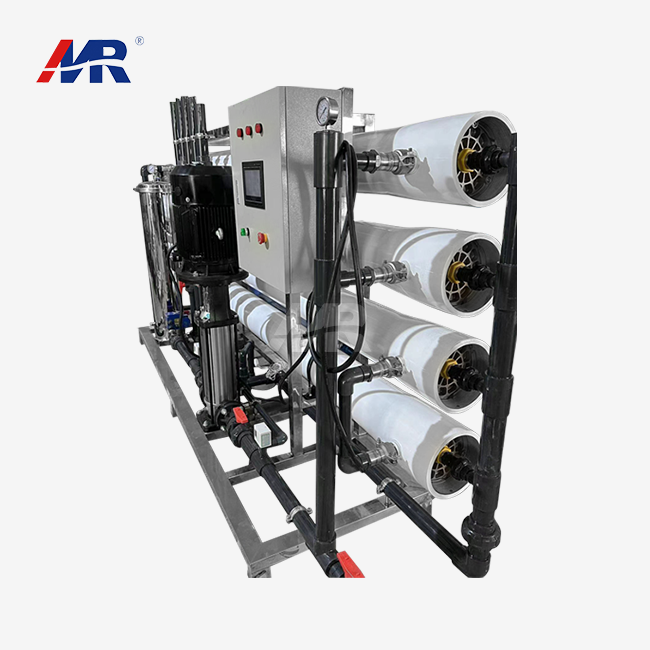 VIEW MOREunder counter reverse osmosis water system
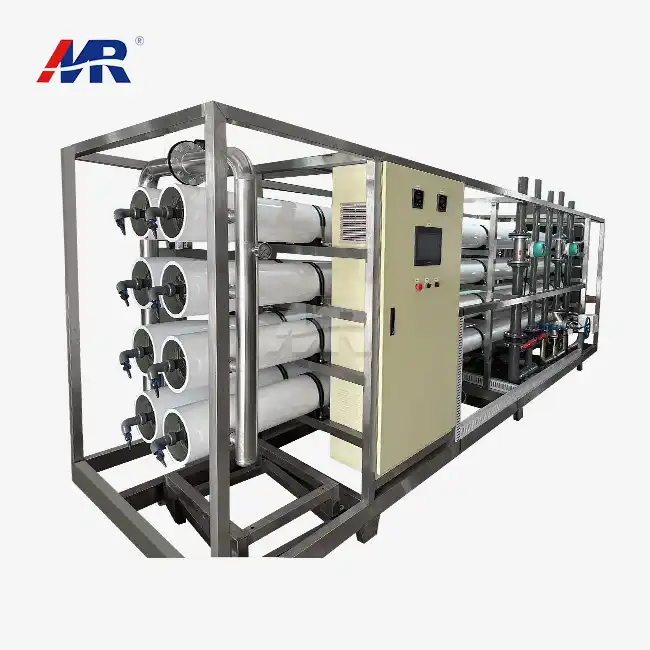 VIEW MORE8m3/hour two pass reverse osmosis system
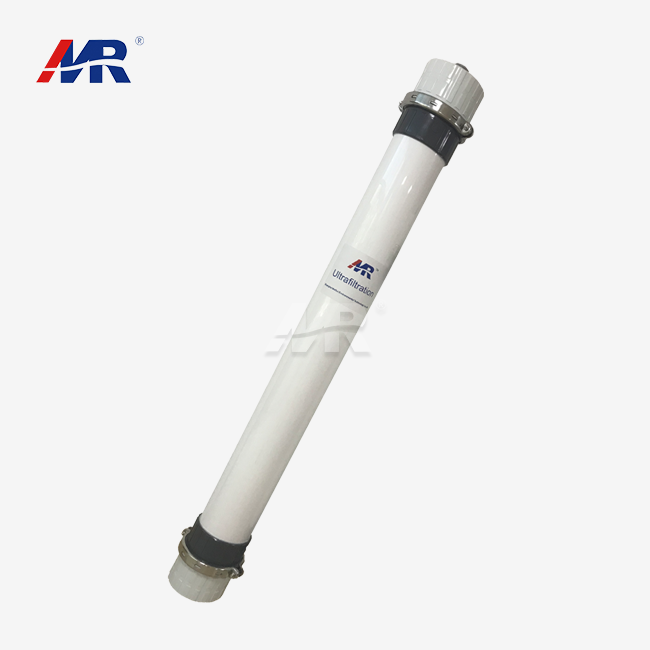 VIEW MOREultrafiltration membrane for wastewater treatment
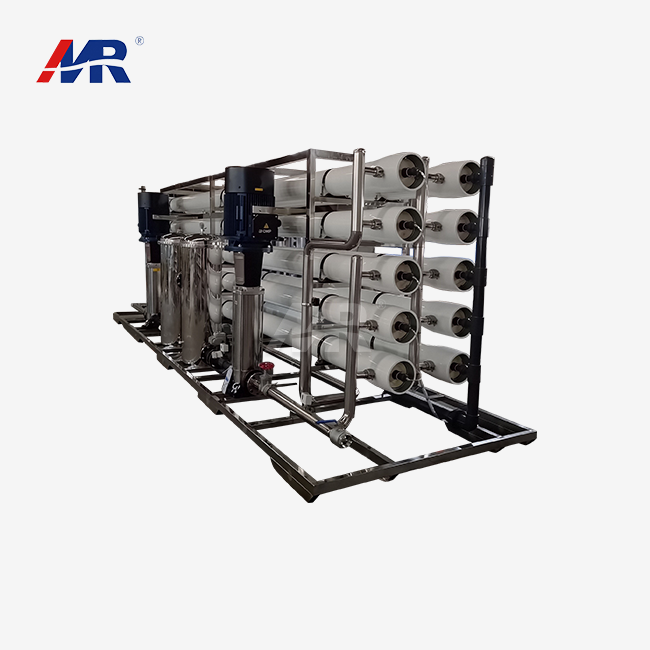 VIEW MORE2 stage reverse osmosis system
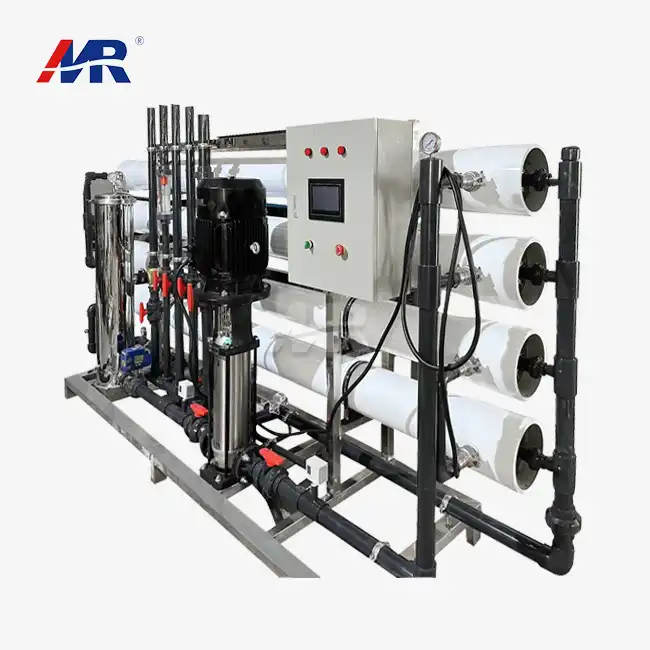 VIEW MORE12m3/hour reverse osmosis BWRO system
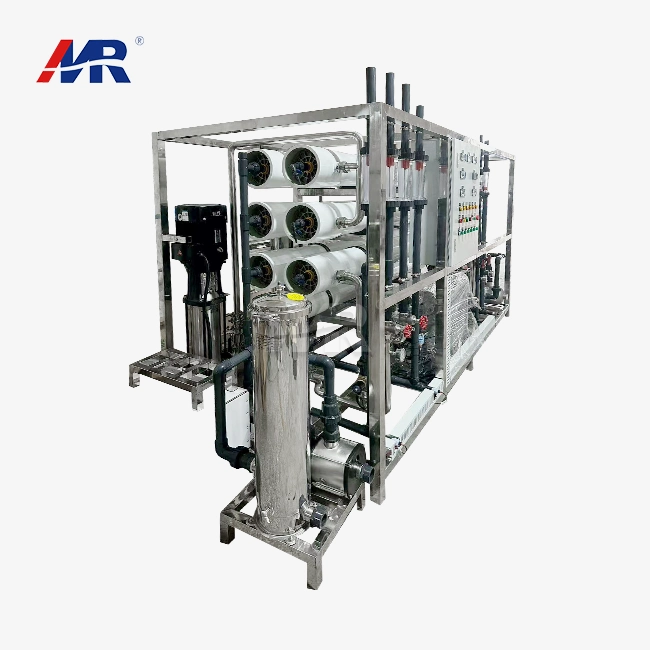 VIEW MOREedi module
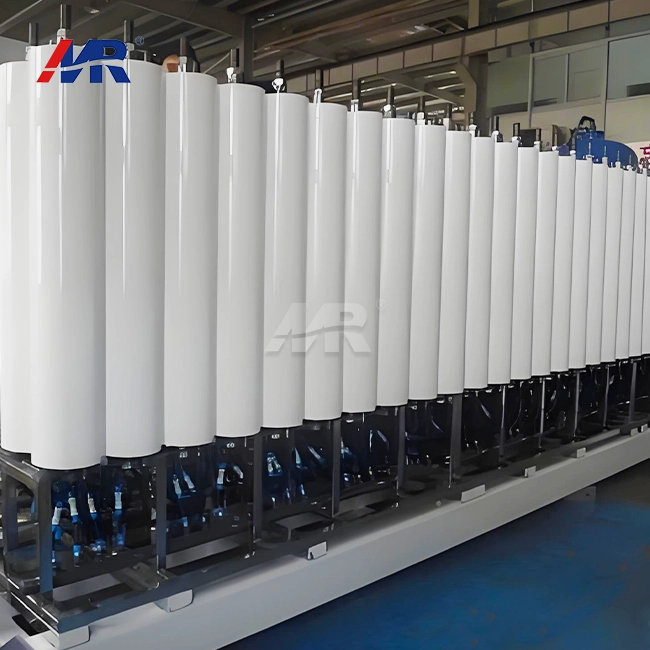 VIEW MORELandfill Leachate Treatment System
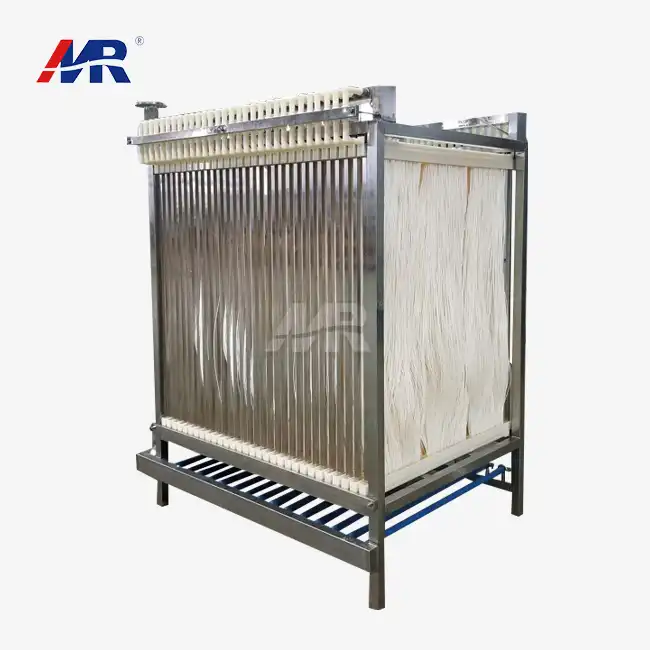 VIEW MOREMBR membrane
