_1745823981883.webp)

Mexico's industries have seen amazing growth lately, which has created a never-before-seen need for high-purity water options in a lot of different areas. For businesses that need ultra-pure water, such as pharmaceuticals and semiconductor production, the EDI water purification system has become a crucial tool. Chinese makers have become top suppliers of advanced electrodeionization solutions. They offer Mexican companies and dealers cheap options that don't sacrifice quality or performance. Because these systems work all the time, process water without chemicals, and need very little upkeep, they provide excellent water cleanliness. This makes them perfect for Mexico's wide range of commercial uses.

Understanding EDI Water Purification Technology and Its Industrial Benefits
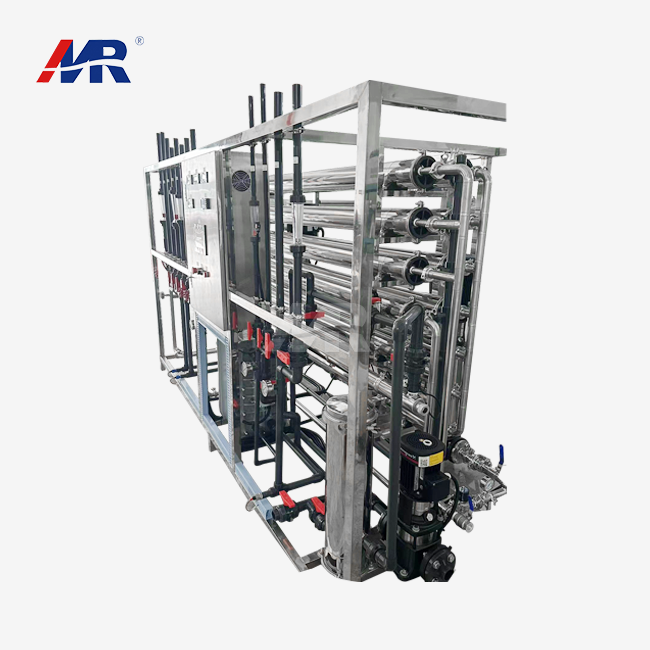
Electrodeionization is a new way to clean water that uses both the benefits of ion exchange resins and electrical renewal processes. Unlike older methods that need chemicals to work, edi systems can keep working without stopping, always providing ultra-pure water.
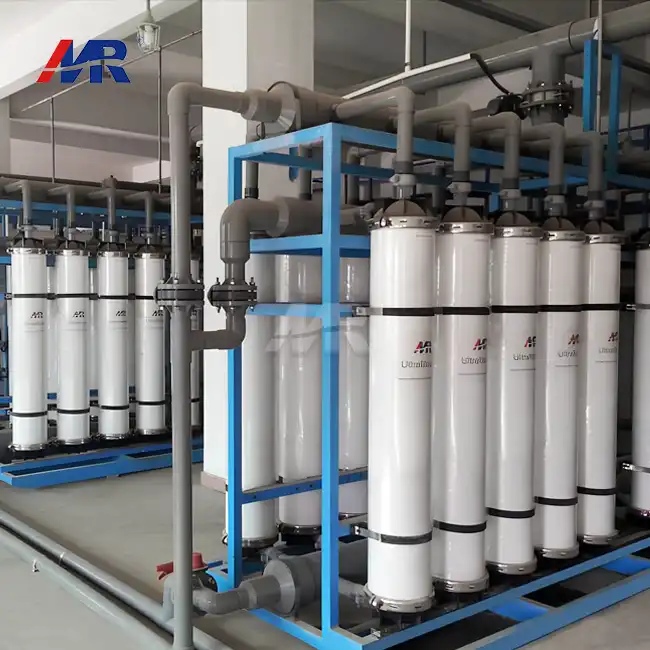
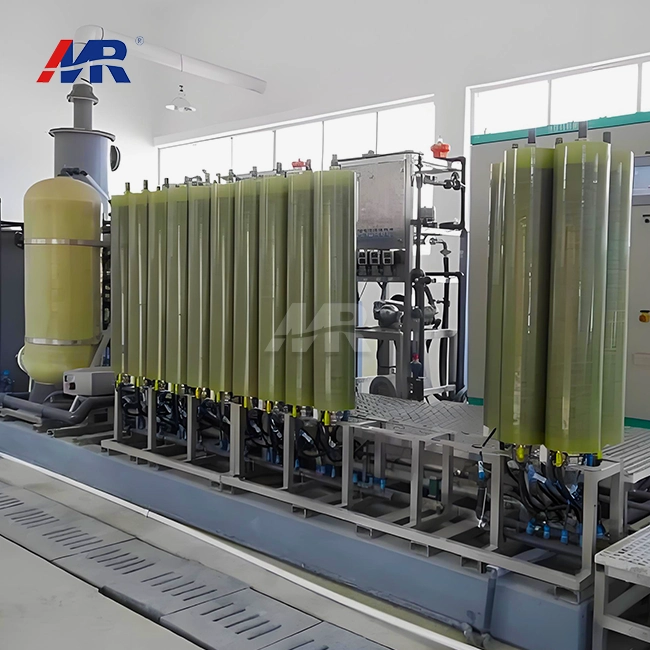
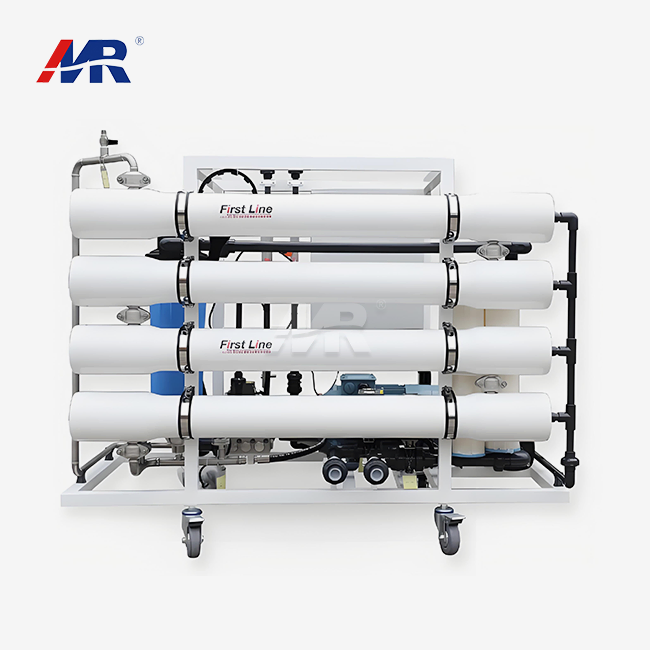
This technology uses a complex four-step process that makes sure all of the water is treated. Before cleaning, filtering devices get rid of bigger particles and impurities. Reverse osmosis gets rid of up to 98% of solids that are dissolved in the water. This sets up the electrodeionization process. The EDI stage cleans the water even more, getting it to ultra-pure levels and reaching resistance levels of up to 18.2 MΩ·cm. Post-treatment makes sure the end water quality passes certain standards for the industry.
The environmental benefits of the EDI water purification system technology are a big help to Mexican businesses. Mexico has been putting more focus on eco-friendly manufacturing methods, which fits with the system's low chemical use and energy-saving way of working. Businesses say they've cut a lot of costs while keeping the water quality standards needed for accurate manufacturing processes the same.
Critical Applications Across Mexico's Growing Industrial Sectors
Mexico's pharmaceutical and biotechnology industries have grown quickly, which has increased the need for water cleaning options that meet strict GMP standards. EDI systems give these fields the dependability they need to make biotech goods, vaccines, and medicines that can be injected.
Mexico's factories that make gadgets and semiconductors need ultra-pure water to clean chips and do very exact manufacturing. The country's status as a major electronics production hub has given a lot of chances for the use of advanced water treatment technologies. At the same time as lowering the chance of pollution, EDI systems provide the steady water quality these businesses need.
Electrodeionization EDI water purification system technology also has a lot of potential in Mexico's food and drink business. To keep the quality of the Products made in food manufacturing, bottled water production, and beverage processing plants, and to meet safety standards, these facilities need to always have the same kind of water. EDI systems make these businesses more reliable and use fewer chemicals in production.
Thermal and green energy plants are examples of power-producing facilities that use EDI technology to get boiler feed water ready. The system's ability to always make clean water helps keep equipment from rusting and extends the useful life of important structures.
Selecting the Optimal EDI System for Mexican Business Requirements
Choosing the proper electrodeionization method requires careful consideration of multiple operating factors. The flow rate needs differ a lot from one industry to the next. There are systems with volume ranges from 0.5 to 50 m³/h. This freedom is good for Mexican buyers because it lets them perfectly match the system's capacity to their needs.
Water quality specifications play a crucial role in system selection. Different fields need different levels of purity, ranging from normal deionized water to very pure water with resistance levels higher than 15 MΩ·cm. Figuring out the best way to set up a system depends on knowing certain quality needs.
Here are the main reasons why Chinese EDI systems would be good for business in Mexico:
- Energy-efficient operation: The less than 0.1 kWh/m³ power usage maintains consistent performance standards and lowers operating costs.
- Modular design capabilities: When production needs increase, systems can be easily grown without having to update the entire infrastructure.
- Automated control systems: These systems have advanced tracking and control features that improve performance and lower the need for people to intervene.
- Space-saving fitting options for compact footprint design make the most out of the facility's available space.
- High recovery rates: These systems get over 90% of the water back, which lowers costs and trash.
These benefits help Mexican makers deal with common production issues like limited space, high energy costs, and the need for stable EDI water purification system quality. Because they are both high-tech and cheap, these devices are a great fit for Mexico's competitive industrial setting.
Choosing the right material is another very important thing to think about. The high-quality stainless steel and food-grade plastic parts make this product very durable and easy to clean. If you can change the size of the system, it can fit into any building without needing a lot of changes to be made.
Maintenance Excellence and Long-Term Performance Optimization
To keep your EDI system running smoothly, you need to know about preventive maintenance and be able to track your progress regularly. Regular checks on the system help find possible problems before they affect the production line.
Automated control systems built into modern EDI units keep an eye on important performance factors, like output water quality, electrical conductivity, and flow rates. With this ability to watch in real-time, workers can see changes in performance and quickly take action to fix them.
Cleaning the EDI water purification system membrane is an important part of upkeep. Proper cleaning methods keep the barrier working longer and the water quality steady. How often cleaning has to be done varies depending on the feed water and how the system is being used, but it is usually done once a month to three months.
If you have the right training and help, it's easy to fix common problems with operations. Chinese companies offer detailed technical documents and the ability to help people from far away, which is helpful for Mexican workers. This system of help keeps downtime to a minimum and makes sure that business efficiency is maintained.
Conclusion
As more and more industries in Mexico need high-purity water, there are big chances for people to start using modern EDI technology. Chinese makers have shown they can provide reliable, inexpensive, high-quality products that offer great value. Because of new technology, low prices, and lots of help, EDI systems are a good choice for Mexican companies that want to improve how they treat water. Electrodeionization technology will be more and more important for helping Mexico's industries grow and stay competitive as businesses keep growing and the standards for quality get higher.
FAQ
Q1: How is EDI technology better or worse than older ion exchange systems?
A: EDI technology is much better than older ion exchange ways because they don't need to be chemically regenerated. While conventional systems have to be shut down every so often for chemical treatment, EDI can run constantly, giving you stable water quality without having to stop for any reason. The electrical renewal method keeps the water cleaner and uses up 95% less chemicals.
Q2: What kind of support should Mexican buyers expect for EDI systems?
A: When compared to older ways of cleaning water, modern EDI systems need a lot less upkeep. Monitoring system performance factors, cleaning the membrane from time to time, and changing the parts used for pre-filtration are all things that are done on a regular basis. Most systems can check themselves and let workers know when they need to be fixed. Depending on the conditions of the feed water, they usually need to be looked at every three to six months.
Q3: Can EDI systems deal with the different levels of water quality in different parts of Mexico?
A: Yes, EDI systems can handle different types of feed water by using the right pre-treatment settings. If the water in your area has a lot of minerals in it, is contaminated with organic material, or has a pH level that changes, you can add different pre-treatment steps to your system to make it work for you. If you create the system right, it will always work the same way, no matter how the water quality changes from one place to another.
Guangdong Morui Environmental Technology: Your Trusted EDI Solution Partner
Guangdong Morui Environmental Technology Co., Ltd is a leader in new ways to treat water. They work on all kinds of projects, from turning seawater into drinking water to treating garbage from factories. We have a lot of experience across 14 branches, each with 20 specialized engineers and 500 workers who are committed to their work. Our private membrane production facilities and several equipment processing companies support this work.
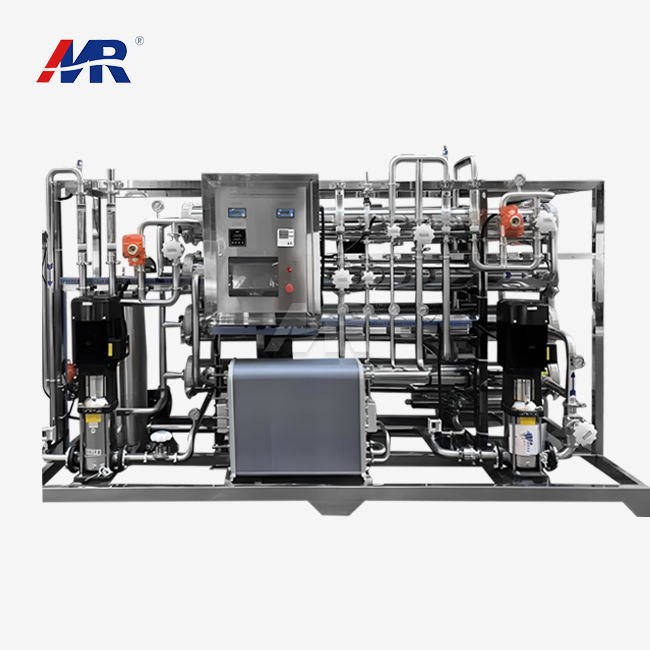
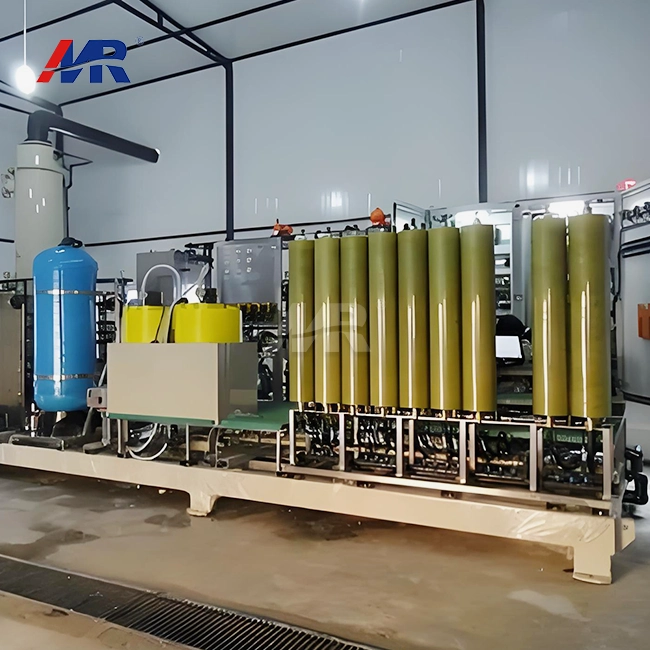
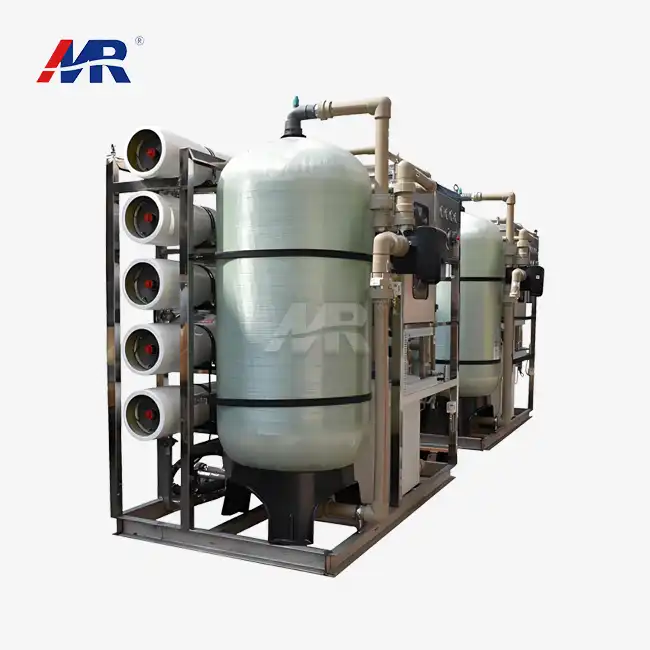
Innovative electrodeionization technology and sophisticated membrane filtration are combined in our high-tech EDI water purification system, which performs admirably in a wide range of industrial settings. The system gets great efficiency at flow rates from 0.5 to 50 m³/h, and it also keeps the water quality with resistance up to 18.2 MΩ·cm.
As a well-known provider of EDI water purification systems, we offer full support, including installation and operating services, all in one place. Our technical knowledge makes sure that we can work with the equipment at your location and make the operations more efficient. We also provide full water treatment options as licensed representatives for high-end names such as Shimge Water Pumps, Runxin Valves, and Createc Instruments.
Mexican businesses partnering with Morui gain access to customizable system configurations designed to meet specific operational requirements. Our modular approach allows for easy scaling as production demands evolve, ensuring long-term investment protection. Contact us at benson@guangdongmorui.com to discuss your water purification requirements and discover how our solutions can enhance your operational efficiency.
References
1. International Water Association. "Electrodeionization Technology in Industrial Applications: A Comprehensive Analysis." Water Treatment Journal, 2023.
2. Mexican Industrial Water Association. "Water Quality Standards and Treatment Technologies in Mexican Manufacturing." Industrial Process Review, 2023.
3. Global Water Treatment Market Research. "EDI Technology Adoption Trends in Latin American Industries." Water Technology Reports, 2023.
4. North American Water Treatment Association. "Comparative Analysis of Water Purification Technologies for Industrial Applications." Environmental Engineering Quarterly, 2023.
5. Latin American Industrial Development Institute. "Sustainable Water Treatment Solutions for Manufacturing Excellence." Industrial Sustainability Journal, 2023.
6. International Pharmaceutical Water Standards Organization. "Ultra-Pure Water Requirements in Pharmaceutical Manufacturing." Pharmaceutical Technology Review, 2023.