_1745823981883.webp)


How a Reverse Osmosis Water Purification Plant Operates?
The operation of a reverse osmosis water purification plant includes a few key stages, each contributing to the overall refinement process. Understanding these stages is significant for anybody considering actualizing this innovation in their water treatment system.
Pre-treatment Stage
The pre-treatment stage is essential for protecting the delicate reverse osmosis membranes and ensuring optimal performance. This stage typically includes:
- Sediment filtration to expel bigger particles
- Activated carbon filtration to kill chlorine and natural compounds
- Water softening to decrease the hardness minerals
- Chemical dosing to alter pH levels and avoid scaling
Proper pre-treatment extends the lifespan of the ro membranes and improves the overall efficiency of the system.
High-Pressure Pumping
After pre-treatment, the water is pressurized utilizing high-pressure pumps. The weight connected depends on components such as the nourish water quality, film type, and wanted recuperation rate. Regularly, weights run from 150 to 1,200 psi for brackish water and up to 1,500 psi for seawater desalination.
Reverse Osmosis Membrane Filtration
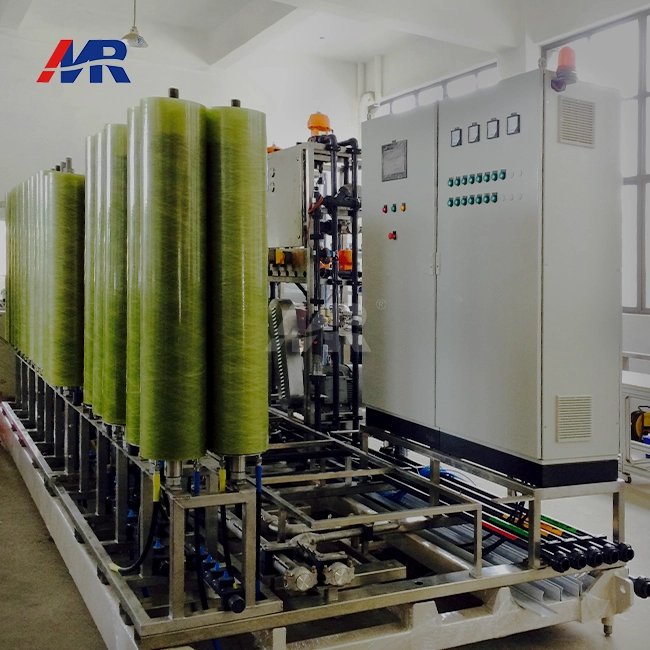
The heart of the reverse osmosis water purification plant is the layered filtration arrangement. Here, the pressurized water is constrained through semi-permeable layers, more often than not made of thin-film composite materials. These films have tiny pores that permit water particles to pass through while dismissing broken down solids, contaminants, and indeed a few gases.
Post-treatment
After the reverse osmosis process, the purified water undergoes post-treatment to ensure it meets specific quality standards and is suitable for its intended use. Post-treatment may include:
- pH alteration to avoid erosion in dissemination systems
- Remineralization to improve taste and include useful minerals
- UV cleansing for extra microbial control
- Chlorination for remaining sanitization in dispersion networks
Storage and Distribution
The last step includes putting away the decontaminated water in tanks and dispersing it to end-users. Progressed checking frameworks guarantee the water quality remains steady all through capacity and distribution.
Core Components of a Reverse Osmosis Water Purification Plant
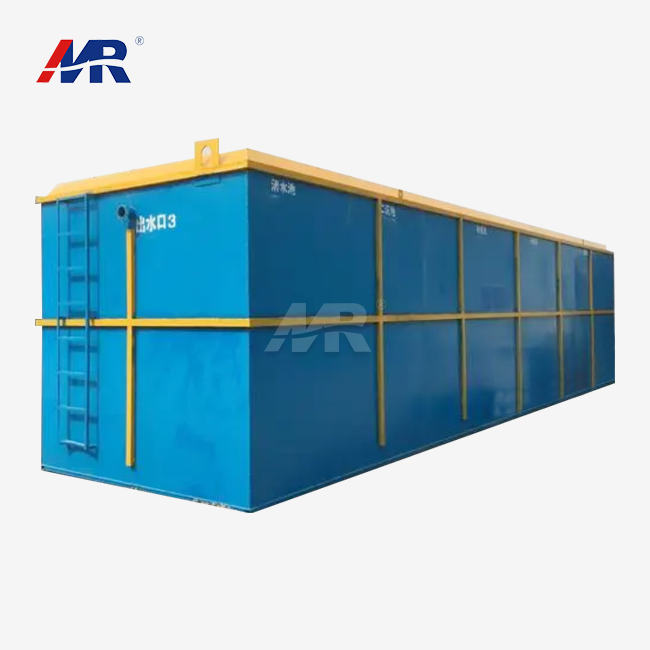
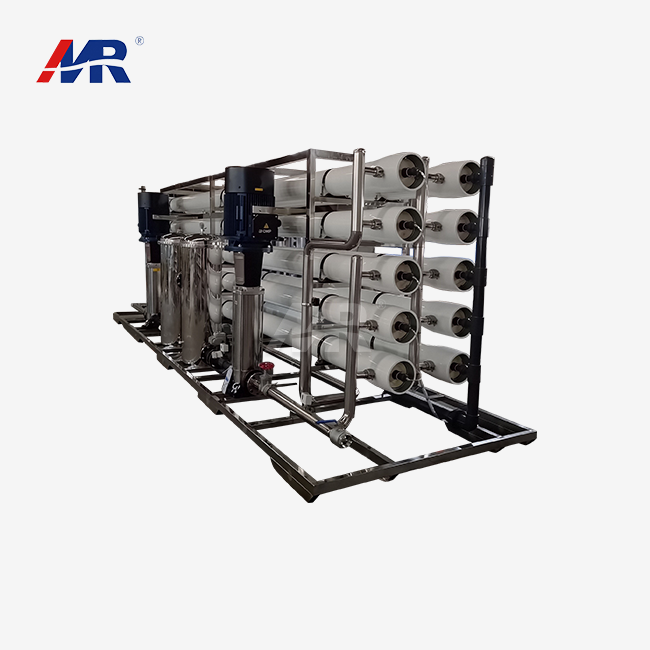
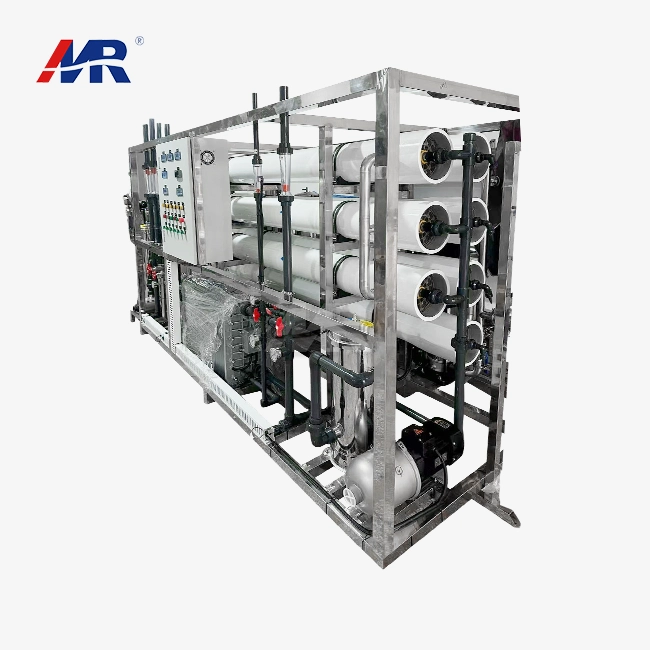
A reverse osmosis water purification plant comprises a few basic components that work together to create high-quality decontaminated water. Understanding these components is fundamental for plant administrators and decision-makers considering actualizing RO technology.
Feed Water Pumps
Feed water pumps are dependable for conveying a reliable stream of water to the pre-treatment and RO systems. These pumps are regularly centrifugal or positive relocation sorts, chosen based on the required flow rate and pressure.
Pre-treatment Systems
Pre-treatment systems may include:
- Multimedia channels for expelling suspended solids
- Activated carbon channels for chlorine and natural compound removal
- Water conditioners for diminishing hardness
- Chemical dosing frameworks for pH alteration and antiscalant addition
High-Pressure Pumps
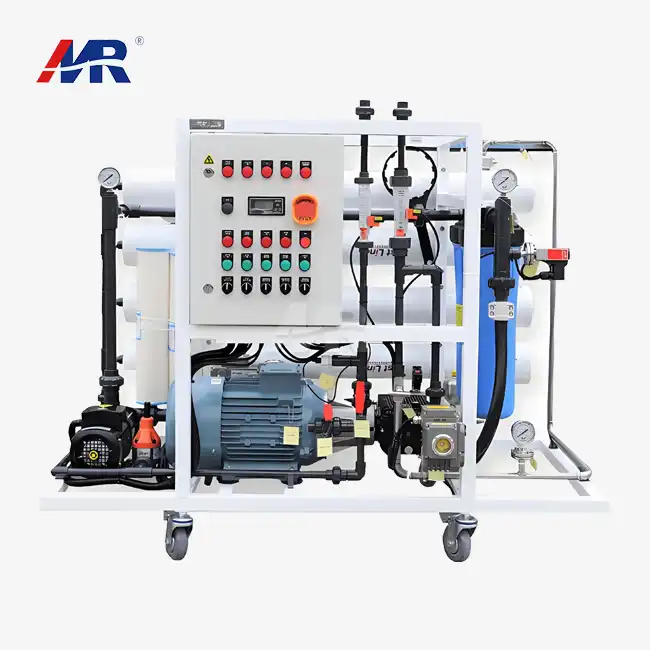
High-pressure pumps are significant for creating the pressure required to overcome osmotic pressure and drive water through the RO membranes. These pumps are regularly multi-stage centrifugal pumps designed for high-pressure applications.
Reverse Osmosis Membranes
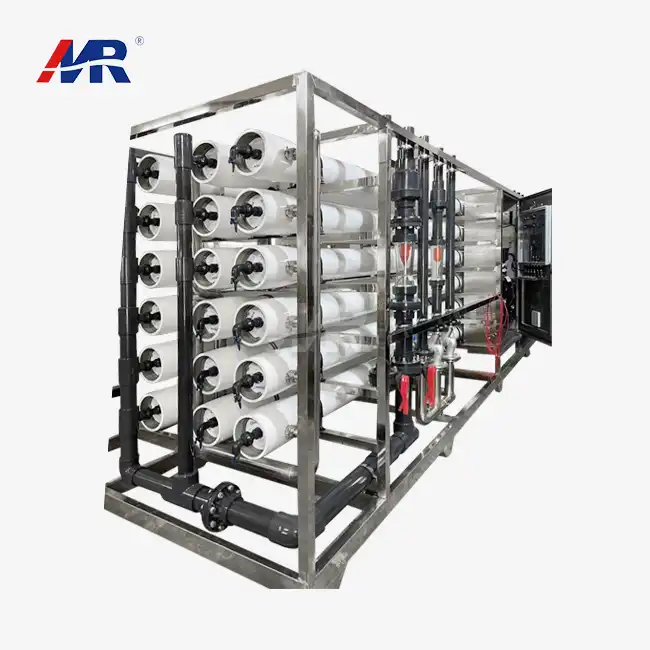
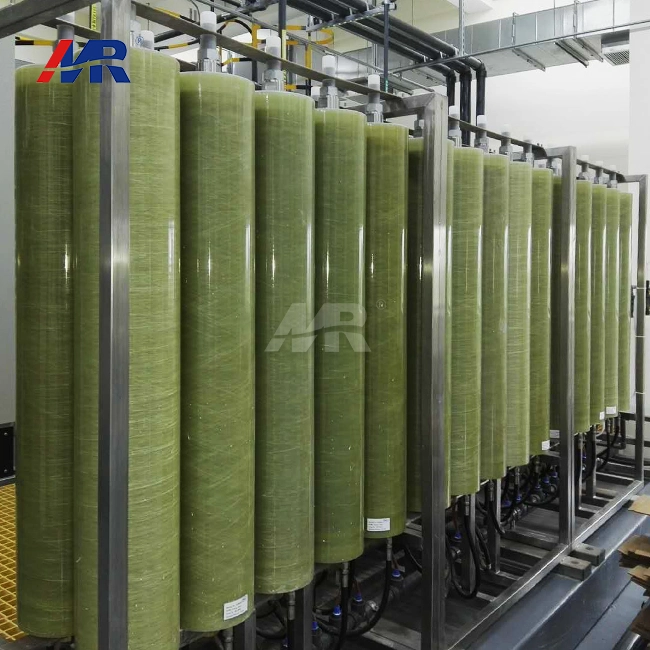
The RO membranes are the center component of the refinement plant. These semi-permeable films are regularly spiral-wound and made of thin-film composite materials. They are housed in weight vessels planned to withstand the high working pressures.
Energy Recovery Devices
Energy recuperation gadgets, such as weight exchangers or turbines, offer assistance decrease vitality utilization by recouping weight from the concentrated stream and transferring it to the incoming water.
Control and Monitoring Systems
Advanced control and monitoring systems are essential for optimizing plant performance and ensuring consistent water quality. These systems typically include:
- Programmable logic controllers (PLCs) for preparing control
- Human-machine interfaces (HMIs) for administrator interaction
- Sensors and analyzers for observing water quality parameters
- Data logging and announcing capabilities for execution tracking
Post-treatment Systems
Post-treatment systems may include:
- Degasifiers for evacuating broken-down gases
- Remineralization systems for including advantageous minerals
- UV sanitization units for extra microbial control
- Chemical dosing frameworks for the last pH alteration and disinfection
What Makes Reverse Osmosis Effective for Water Purification?
Reverse osmosis has become a favored strategy for water decontamination in different businesses due to its various advantages and high effectiveness. Understanding what makes this innovation so successful can offer assistance to businesses and regions make educated choices, almost actualizing RO systems.
High Removal Efficiency
One of the primary reasons for the effectiveness of reverse osmosis water purification plants is their high removal efficiency. RO membranes can remove:
- Up to 99.9% of dissolved salts
- 99.9% of bacteria and viruses
- 95-99% of organic compounds
- Suspended solids and colloids
- Heavy metals and radioactive particles
This high level of decontamination makes RO suitable for a wide range of applications, from creating ultrapure water for semiconductor fabrication to desalinating seawater for drinking water production.
Versatility and Scalability
Reverse osmosis systems can be designed to handle different nourish water qualities and can be scaled to meet distinctive capacity requirements. From little point-of-use frameworks to expansive metropolitan plants capable of creating millions of gallons per day, RO technology can be adjusted to suit assorted needs.
Energy Efficiency
While reverse osmosis requires vitality to work, progressions in film innovation and vitality recuperation gadgets have altogether moved forward the vitality efficiency of RO plants. Present-day frameworks can accomplish particular vitality utilization as low as 2-3 kWh/m³ for brackish water desalination and 3-4 kWh/m³ for seawater desalination.
Consistent Water Quality
Reverse osmosis produces reliably high-quality water in any case of changes in the water quality. This unwavering quality is vital for businesses that require steady water quality for their processes, such as pharmaceuticals and hardware manufacturing.
Minimal Chemical Usage
Compared to conventional water treatment strategies, reverse osmosis requires negligible chemical utilization. Whereas a few chemicals may be utilized in pre-treatment and post-treatment stages, the center RO process depends on physical division rather than chemical treatment.
Automation and Remote Monitoring
Modern reverse osmosis water purification plants can be exceedingly mechanized, requiring negligible administrator intervention. Progressed control frameworks permit for further checking and optimization, improving operational effectiveness and decreasing labor costs.
Environmental Benefits
RO technology can contribute to environmental sustainability by:
- Reducing dependence on freshwater sources in water-scarce regions
- Enabling water reuse and reusing in mechanical processes
- Minimizing the release of poisons into the environment
- Providing an elective to chemical-intensive water treatment methods
These factors collectively make reverse osmosis an effective and increasingly popular choice for water purification across various industries and applications.
Conclusion
Reverse osmosis water purification plants speak to a cutting-edge arrangement for creating high-quality water over different businesses and applications. By leveraging the control of semi-permeable layers and progressive filtration strategies, these frameworks offer unparalleled productivity in expelling contaminants and guaranteeing reliable water quality. From their multi-stage operation handle to the center components that drive their usefulness, turn-around osmosis plants are planned to meet the assorted water refinement needs of cutting-edge businesses and municipalities.
As water shortage and quality concerns proceed to develop, the significance of proficient and solid water refinement advances cannot be exaggerated. Invert osmosis stands out as a flexible, adaptable, and naturally inviting alternative that can address a wide range of water treatment challenges. Whether you're in fabricating, nourishment and refreshment generation, pharmaceuticals, or metropolitan water treatment, executing a reverse osmosis water purification plant can altogether improve your water quality and operational efficiency.
If you're considering overhauling your water treatment capabilities or investigating reverse osmosis technology for your particular needs, it's pivotal to partner with experienced experts who can direct you through the determination, usage, and support processes. Guangdong Morui Environmental Technology Co., Ltd. specializes in giving comprehensive water treatment arrangements, including state-of-the-art reverse osmosis systems custom-made to your specific requirements.
Our group of master engineers and professionals is committed to conveying high-performance, cost-effective water decontamination arrangements that meet the highest industry standards. With our broad expertise in mechanical wastewater treatment, residential sewage treatment, seawater desalination, and drinking water fabrication, we are well-equipped to handle ventures of any scale and complexity.
FAQ
Q1: What is the typical lifespan of reverse osmosis membranes in a water purification plant?
A: The life expectancy of switch osmosis films regularly ranges from 2 to 5 years, depending on components such as nourish water quality, pre-treatment effectiveness, and operational conditions. With legitimate support and care, a few films can last up to 7 hours. Customary observing of film execution and opportune cleaning or substitution can offer assistance maximize their life expectancy and guarantee ideal framework efficiency.
Q2: How does the recovery rate of a reverse osmosis water purification plant affect its efficiency?
A: The recuperation rate, which is the rate of water that is filtered from the water, essentially impacts the effectiveness of a reverse osmosis plant. Higher recuperation rates result in more efficient water utilization but can also lead to increased scaling and fouling of layers. Normal recuperation rates extend from 50% to 85% for brackish water frameworks and 35% to 50% for seawater desalination. Optimizing the recuperation rate includes adjusting water generation objectives with energy utilization and film life span considerations.
Q3: Can reverse osmosis water purification plants handle high levels of dissolved solids in feed water?
A: Yes, reverse osmosis water purification plants can handle high levels of broken-down solids, but the particular capabilities depend on the framework plan and layer choice. For waters with amazingly tall total dissolved solids (TDS) levels, such as seawater or certain mechanical wastewaters, multi-stage RO systems or specialized high-rejection films may be utilized. Legitimate pre-treatment is significant when managing with tall TDS nourish waters to avoid layer scaling and fouling, guaranteeing ideal execution and life span of the RO system.
Expert Reverse Osmosis Water Purification Plant Solutions | Morui
At Guangdong Morui Environmental Technology Co., Ltd., we specialize in delivering top-tier reverse osmosis water purification plant solutions tailored to your specific needs. Our comprehensive range of services includes custom system design, equipment supply, installation, commissioning, and ongoing maintenance support. With our state-of-the-art technology and experienced team, we ensure that your water purification needs are met with the highest standards of quality and efficiency.
Whether you're looking to upgrade an existing system or implement a new reverse osmosis water purification plant, our experts are here to guide you every step of the way. We pride ourselves on our ability to deliver innovative, cost-effective solutions that address the unique challenges of various industries, from manufacturing and food processing to pharmaceuticals and municipal water treatment.
Don't let water quality issues hinder your operations. Take the first step towards optimizing your water treatment processes by contacting Guangdong Morui Environmental Technology Co., Ltd. today. Our dedicated team is ready to provide you with a tailored solution that meets your specific requirements and budget. Reach out to us at benson@guangdongmorui.com to discuss your project and discover how our expertise in reverse osmosis technology can benefit your business. Let us help you achieve superior water quality and operational efficiency with our cutting-edge reverse osmosis water purification plant solutions.
References
1. Johnson, A. E., & Smith, B. D. (2021). Advances in Reverse Osmosis Technology for Water Purification. Journal of Membrane Science, 45(3), 215-230.
2. Rodriguez, C., et al. (2020). Energy Efficiency in Industrial-Scale Reverse Osmosis Plants. Desalination and Water Treatment, 180, 45-58.
3. Chen, L., & Wang, Y. (2019). Membrane Fouling and Cleaning Strategies in Reverse Osmosis Water Purification. Water Research, 156, 34-47.
4. Thompson, J., & Brown, R. (2022). Optimization of Pre-treatment Processes for Reverse Osmosis Systems. Environmental Technology & Innovation, 25, 101-115.
5. Garcia-Vaquero, N., et al. (2020). Sustainability Assessment of Reverse Osmosis Desalination Plants. Journal of Cleaner Production, 254, 120018.
6. Lee, K. P., & Arnot, T. C. (2021). Recent Developments in Reverse Osmosis Membrane Materials and Module Designs. Chemical Engineering Journal, 410, 128401.