_1745823981883.webp)


Key Design Considerations for a Seawater Desalination System
Designing a viable seawater desalination system requires a multifaceted approach that equates effectiveness, supportability, and financial practicality. The handle starts with an intensive evaluation of neighborhood conditions, counting seawater quality, vitality accessibility, and natural directions. Engineers must carefully consider the following key factors:
Intake System Design
The intake system is the first critical component of a seawater desalination plant. It must be designed to minimize environmental impact while ensuring a steady supply of seawater. Considerations include:
- Location determination to dodge delicate marine ecosystems
- Screening components to anticipate marine life entrainment
- Intake speed control to decrease impingement risks
- Subsurface immaterial vs. open sea impalpable, depending on neighborhood geography and natural concerns
Innovative approaches, such as offshore submerged intakes or beach wells, can significantly reduce environmental impacts and improve raw water quality.
Pretreatment Technologies
Effective pretreatment is essential for protecting downstream processes and extending the life of costly membrane systems. Key pretreatment technologies include:
- Coagulation and flocculation to evacuate suspended particles
- Multimedia filtration for advanced particulate removal
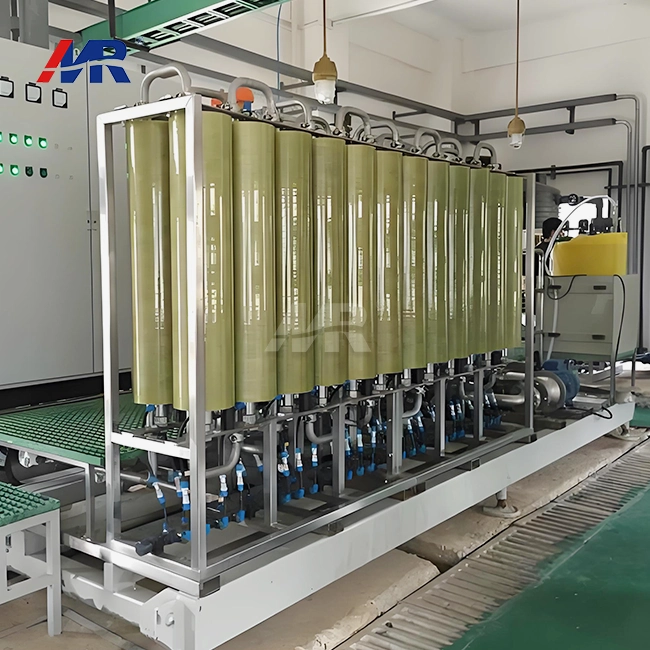
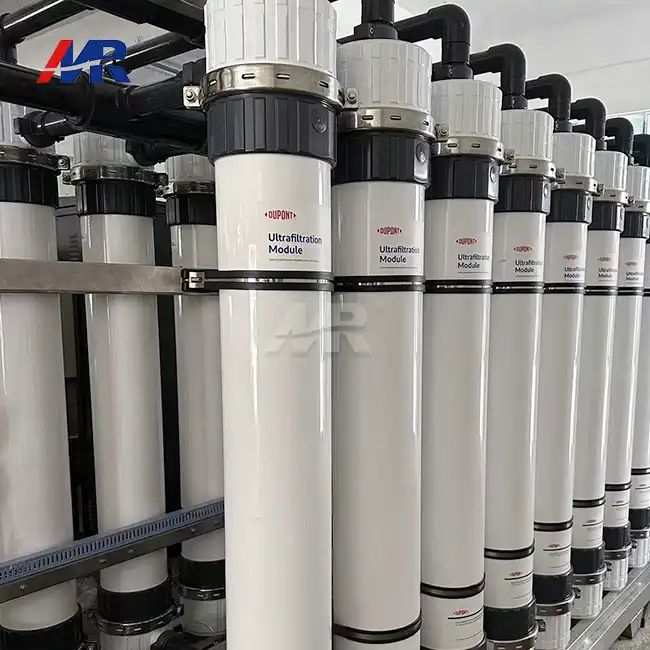
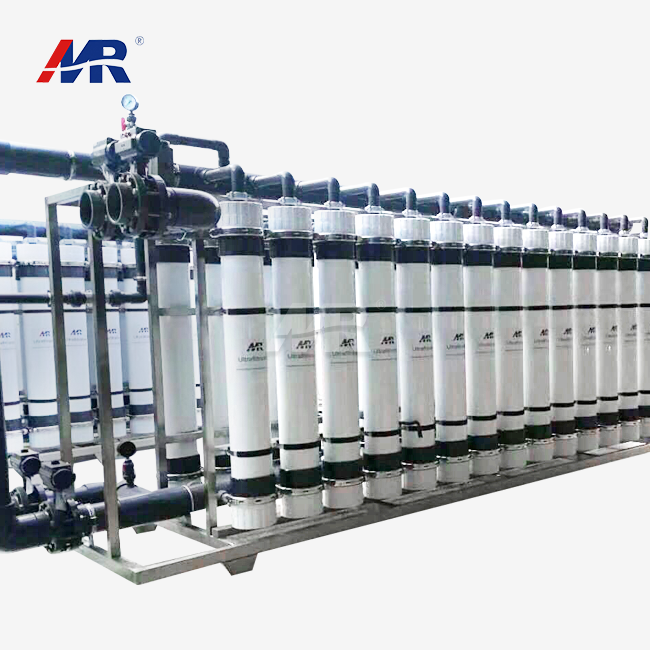
- Ultrafiltration or microfiltration films for predominant water quality
- Antiscalant dosing to avoid layer scaling
The choice of pretreatment technologies depends on raw water quality, plant capacity, and available space. Advanced pretreatment can significantly improve overall system efficiency and reduce operational costs.
Desalination Process Selection
While reverse osmosis (RO) is the most common desalination technology, other processes may be suitable depending on specific project requirements. Considerations include:
- Energy effectiveness and accessibility of renewable energy sources
- Required water quality for the expected use
- Capital and operational costs
- Brine administration options
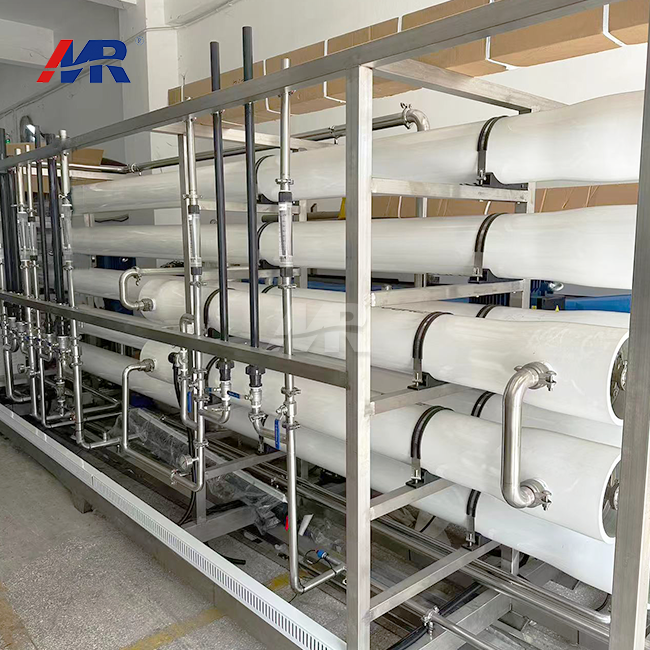
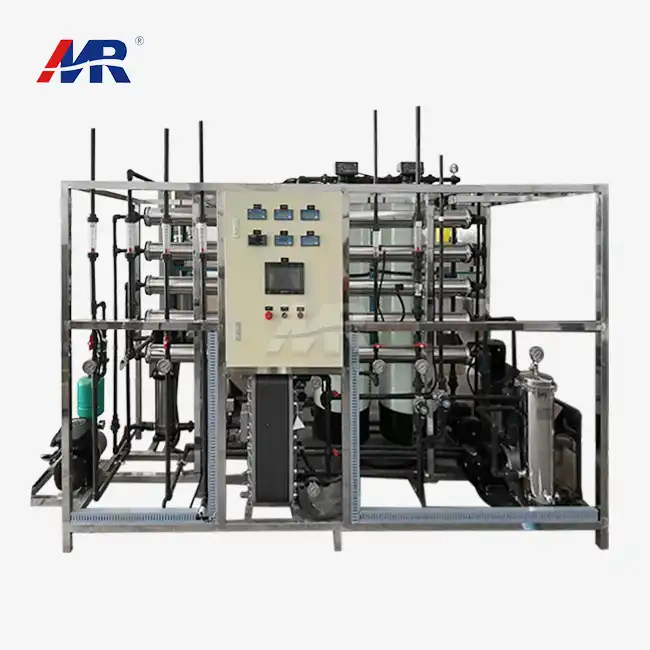
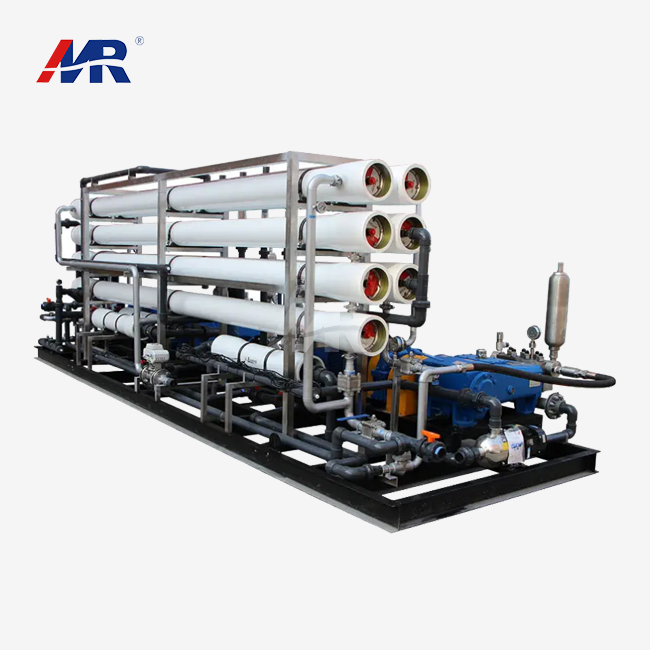
For large-scale projects, multi-stage RO seawater desalination systems with energy recovery devices are often the most cost-effective solution. However, emerging technologies like forward osmosis or membrane distillation may offer advantages in certain scenarios.
Energy Efficiency and Recovery
Energy consumption is a significant factor in the overall cost and environmental impact of seawater desalination. Design considerations for energy efficiency include:
- High-efficiency pumps and motors
- Pressure exchanger gadgets for vitality recovery
- Variable recurrence drives for ideal vitality use
- Integration of renewable energy sources, such as solar or wind power
Innovative energy recovery systems can reduce energy consumption by up to 60%, significantly improving the economic viability of desalination projects.
Post-Treatment and Remineralization
The final stage of the desalination process involves adjusting the water chemistry to meet regulatory standards and improve taste. Key considerations include:
- pH alteration to avoid erosion in conveyance systems
- Remineralization to include advantageous minerals and move forward in taste
- Disinfection to guarantee microbial safety
Advanced remineralization techniques for seawater desalination systems, such as calcite contactors or CO2 injection, can produce high-quality drinking water that meets or exceeds local standards.
How is a Seawater Desalination System Project Executed?
Executing a seawater desalination system project is a complex, multi-phase process that requires careful planning, coordination, and expertise. The following steps outline the typical execution process:
Feasibility Study and Site Selection
The first step in any desalination project is a comprehensive feasibility study. This involves:
- Assessing water request and supply gaps
- Analyzing potential locales based on natural, specialized, and financial factors
- Evaluating accessible advances and their appropriateness for nearby conditions
- Conducting preparatory natural affect assessments
- Estimating venture costs and financial viability
Site selection is critical and must consider factors such as proximity to demand centers, seawater quality, land availability, and environmental sensitivities.
Conceptual Design and Permitting
Once the feasibility study is complete and a site is selected, the project moves into the conceptual design phase:
- Developing preparatory plant formats and handling stream diagrams
- Conducting pilot tests to approve innovation choices
- Initiating the preparation with the important authorities
- Engaging with partners, counting neighborhood communities and natural groups
The permitting process can be lengthy and complex, often requiring detailed environmental impact studies and public consultations.
Detailed Engineering and Procurement
With approvals in place, the project progresses to detailed engineering and procurement:
- Finalizing plant plan and specifications
- Preparing delicate archives for major gear and development contracts
- Evaluating offers and selecting providers and contractors
- Negotiating contracts and finalizing venture financing
This phase requires close collaboration between engineers, procurement specialists, and financial experts to ensure all aspects of the project are aligned.
Construction and Installation
The construction phase brings the desalination plant from paper to reality:
- Site arrangement and respectful works
- Installation of major hardware, including admissions structures, pretreatment frameworks, and RO units
- Construction of buildings and auxiliary facilities
- Installation of electrical and control systems
Effective project management is crucial during this phase to ensure quality, safety, and adherence to schedule and budget.
Commissioning and Start-up
As construction nears completion, the focus shifts to commissioning and start-up activities:
- Testing person components and subsystems
- Flushing and cleaning of pipelines and equipment
- Calibrating disobedient and control systems
- Gradual ramp-up of generation capacity
- Fine-tuning operations to optimize performance
This phase often involves close collaboration between the plant owner, engineering team, and seawater desalination systems equipment suppliers to ensure smooth operation and handover.
Performance Testing and Acceptance
Before final acceptance, the plant undergoes rigorous performance testing:
- Verifying generation capacity and water quality
- Assessing vitality utilization and efficiency
- Evaluating compliance with natural regulations
- Conducting unwavering quality and accessibility tests
Successful completion of performance tests leads to plant acceptance and the transition to full operation and maintenance.
Real-World Challenges in Seawater Desalination System Deployment
While seawater desalination offers a promising solution to water shortage, its usage comes with critical challenges. Understanding and tending to these deterrents is vital for fruitful venture execution:
Environmental Concerns
Seawater desalination plants can have substantial environmental impacts:
- Marine life impingement and entrainment at admissions structures
- Brine release influencing nearby marine ecosystems
- Greenhouse gas emissions from energy-intensive operations
- Potential for chemical contamination from pretreatment and cleaning processes
Addressing these concerns requires innovative design approaches, such as subsurface intakes, advanced brine dilution techniques, and integration of renewable energy sources.
Energy Consumption and Costs
High energy requirements remain a significant challenge for desalination projects:
- Electricity costs can account for up to 50% of operational expenses
- Reliance on fossil fuels contributes to carbon emissions
- Fluctuating vitality costs affect long-term financial viability
Innovations in vitality recuperation gadgets, film innovation, and renewable vitality integration are making a difference to address these challenges, but advance headways are required to make desalination more feasible and cost-effective.
Membrane Fouling and Scaling
Maintaining membrane performance is critical for efficient operation:
- Biological fouling from marine organisms
- Scaling due to mineral precipitation
- Organic fouling from natural and anthropogenic sources
Advanced pretreatment technologies, improved membrane materials, and optimized cleaning protocols are essential for mitigating these issues and extending membrane life.
Regulatory and Permitting Challenges
Navigating the regulatory landscape can be complex and time-consuming:
- Environmental effect evaluations and relief requirements
- Water rights and allotment issues
- Public resistance and partner engagement
- Evolving controls on brine release and natural protection
Early engagement with regulatory bodies and local communities is crucial for addressing these challenges and ensuring project success.
Integration with Existing Water Infrastructure
Incorporating desalination into existing water supply systems presents unique challenges:
- Blending desalinated water with other sources
- Corrosion control in distribution networks
- Seasonal variations in demand and production
- Ensuring water quality consistency
Careful planning and coordination with water utilities are essential for seamless integration and optimal system performance.
Technological Obsolescence and Future-Proofing
The rapid pace of technological advancement in desalination poses challenges for long-term planning:
- Balancing demonstrated innovations with developing innovations
- Designing for adaptability and future upgrades
- Managing desires for execution improvements
A modular approach to seawater desalination systems plant design and a commitment to continuous improvement can help address these challenges and ensure long-term project viability.
Conclusion
A well-planned seawater desalination system speaks to one of the most dependable and versatile solutions to the developing worldwide water shortage, especially for coastal locales and islands. From cautious admissions plan and progressed pretreatment to energy-efficient switch osmosis and dependable brine administration, fruitful desalination ventures depend on coordinated design, natural stewardship, and long-term planning. In spite of the fact that challenges such as vitality utilization, administrative compliance, and film fouling remain, persistent mechanical advancement and advanced venture execution procedures are consistently improving execution and sustainability. As costs decay and effectiveness makes strides, seawater desalination systems are progressively positioned as a foundation of a strong, future-proof water supply foundation around the world.
FAQ
Q1: What is the typical lifespan of a seawater desalination plant?
A: The life expectancy of a seawater desalination plant regularly ranges from 20 to 30 years. Be that as it may, with appropriate upkeep, overhauls, and restorations, a few plants can work for indeed longer periods. The genuine life expectancy depends on components such as the quality of prenatal development, continuous support at home, and innovative advancements that may require upgrades.
Q2: How does seawater desalination compare to other water supply options in terms of cost?
A: Seawater desalination is, by and large, more costly than conventional water supply choices like surface water treatment or groundwater extraction. The cost of desalinated water can extend from $0.50 to $2.00 per cubic meter, depending on variables such as plant estimate, vitality costs, and neighborhood conditions. In any case, as innovation makes strides and vitality productivity increments, the fetched crevice is narrowing. In water-scarce districts or amid dry spell conditions, desalination can end up a cost-competitive and solid water supply option.
Q3: What are the latest innovations in seawater desalination technology?
A: Recent innovations in seawater desalination technology include:
- Forward osmosis layers require less vitality than conventional turn around osmosis.
- Graphene-based films with higher flux rates and way better salt rejection.
- Biomimetic films are motivated by common water filtration processes.
- Solar-powered desalination frameworks for off-grid applications.
- Advanced vitality recuperation gadgets that essentially decrease vitality consumption.
These innovations aim to improve efficiency, reduce costs, and minimize the environmental impacts of desalination processes.
Cutting-Edge Seawater Desalination Systems for Sustainable Water Solutions | Morui
Are you confronting water shortage challenges in your coastal locale or island community? Guangdong Morui Environmental Technology Co., Ltd. offers state-of-the-art seawater desalination systems outlined to meet your particular needs. Our master group combines a long history of encounter with cutting-edge innovation to provide solid, productive, and feasible water solutions.
From small-scale systems for inaccessible areas to huge metropolitan ventures, we can direct you through each step of the process - from introductory plan to usage and continuous support. Our seawater desalination systems highlight progressive layer innovation, energy recovery devices, and shrewd control frameworks to guarantee ideal execution and negligible natural affect.
Don't let water scarcity limit your growth potential. Contact us today at benson@guangdongmorui.com to discuss how our seawater desalination solutions can secure your water future. Let Guangdong Morui be your partner in turning seawater into a sustainable freshwater resource for your community or industry.
References
1. Johnson, A. & Smith, B. (2022). "Advances in Seawater Desalination: A Comprehensive Review." Journal of Water Resources and Technology, 45(3), 287-302.
2. García-Rodríguez, L. (2021). "Seawater Desalination: Current Status and Future Prospects." Desalination and Water Treatment, 209, 1-15.
3. Voutchkov, N. (2023). "Desalination Project Planning and Implementation." IWA Publishing.
4. Elimelech, M. & Phillip, W.A. (2022). "The Future of Seawater Desalination: Energy, Technology, and the Environment." Science, 375(6582), 712-717.
5. International Desalination Association. (2023). "Desalination Yearbook 2022-2023." IDA Publications.
6. World Bank Group. (2022). "The Role of Desalination in an Increasingly Water-Scarce World." Water Global Practice, Technical Paper.