_1745823981883.webp)

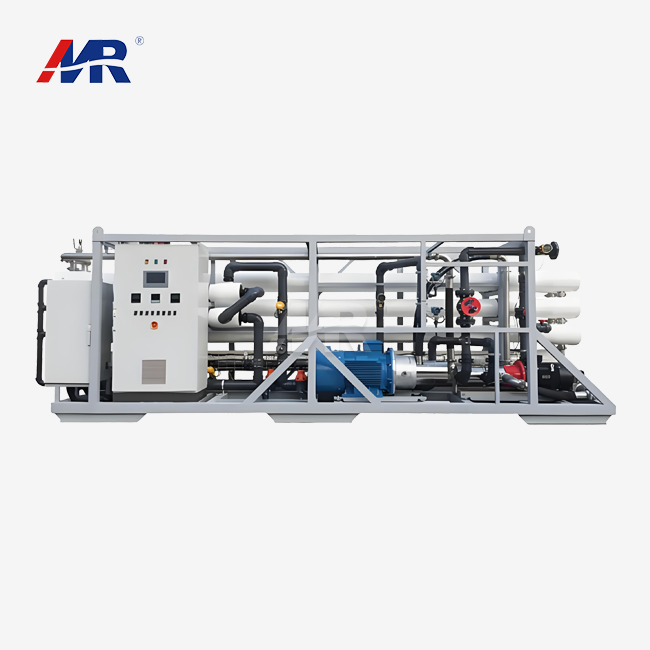
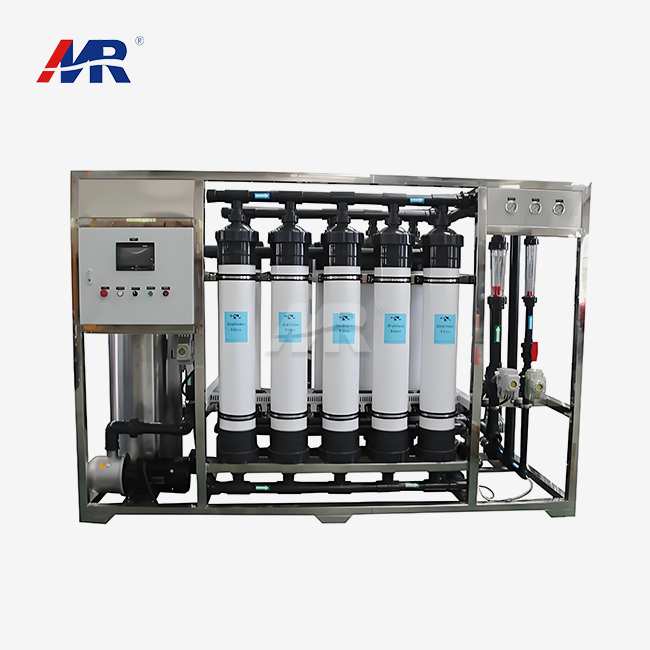
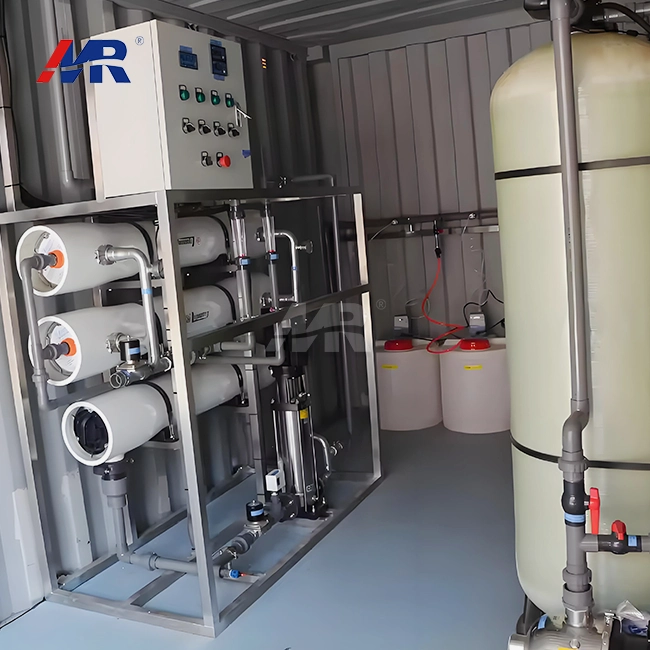
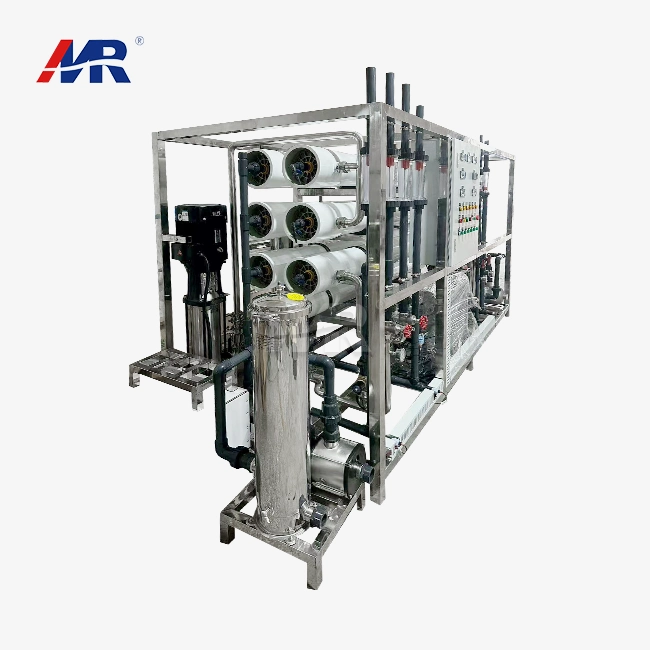
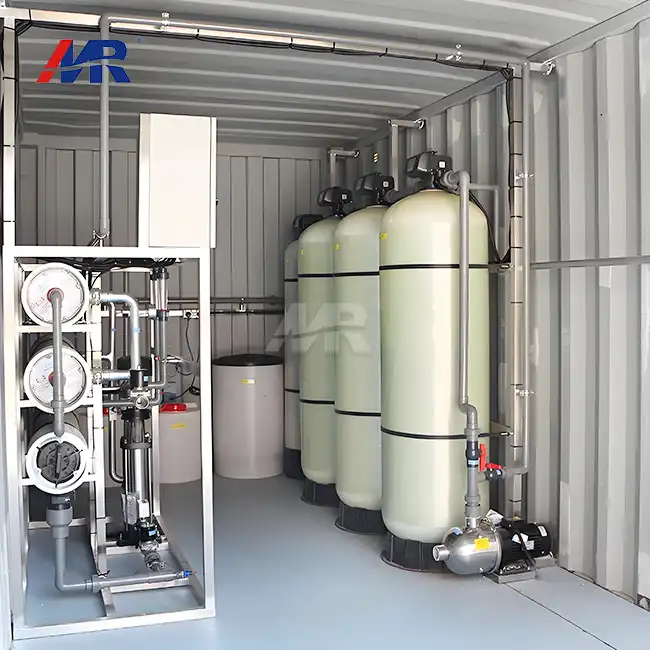
What Are the Most Frequent Issues in Seawater Desalination Systems?
Seawater desalination systems, although exceedingly viable, can confront a run of operational challenges. Let's look at a few of the most common issues experienced in these modern water treatment facilities:
Membrane Fouling and Scaling
One of the essential issues in seawater desalination systems is layer fouling and scaling. This happens when particles, microorganisms, or mineral stores collect on the surface of the reverse osmosis (RO) layers. Fouling can essentially decrease the productivity of the desalination process, driving to expanded vitality utilization and diminished water production.
High Energy Consumption
Desalination is an energy-intensive process, and overseeing vitality costs is a consistent challenge for plant administrators. High-pressure pumps required for switch osmosis expend considerable sums of power, which can make the operation of seawater desalination systems expensive.
Pretreatment System Failures
Effective pretreatment is pivotal for the life span and productivity of RO membranes. Issues in the pretreatment arrangement, such as insufficient filtration or chemical treatment, can lead to quickened film fouling and diminished system performance.
Brine Disposal Challenges
The concentrated brine delivered as a byproduct of desalination can pose natural concerns. Appropriate transfer or treatment of this high-salinity wastewater stream is fundamental to minimizing biological impact and complying with administrative requirements.
Corrosion of Equipment
The profoundly destructive nature of seawater can lead to the disintegration of pumps, channels, and other system components. This erosion can result in gear disappointments, spills, and expanded upkeep costs.
Fluctuations in Seawater Quality
Variations in seawater composition, such as changes in temperature, saltiness, or the nearness of algal sprouts, can affect the execution of desalination systems. These vacillations may require alterations to the treatment handle to keep up water quality and generation rates.
Troubleshooting Guide for Seawater Desalination System Failures
When problems arise in seawater desalination plants, quick and effective troubleshooting is essential to minimize downtime and maintain water production. Here's a comprehensive guide to addressing common system failures:
Addressing Membrane Fouling and Scaling
To combat membrane fouling and scaling, consider the following steps:
- Implement standard film cleaning conventions utilizing fitting chemical cleaners
- Optimize pretreatment forms to decrease the stack on RO membranes
- Monitor and alter working parameters such as recuperation rate and flux to minimize fouling potential
- Consider executing progressed pretreatment innovations like ultrafiltration or nanofiltration
Improving Energy Efficiency
To reduce energy consumption in seawater desalination systems:
- Implement vitality recuperation gadgets such as weight exchangers or turbines
- Optimize pump operations and consider variable recurrence drives
- Explore the utilization of renewable energy sources like solar or wind power
- Regularly keep up and update hardware to guarantee top efficiency
Enhancing Pretreatment System Performance
To improve pretreatment effectiveness:
- Regularly review and clean pretreatment components such as screens, channels, and clarifiers
- Optimize chemical dosing for coagulation and flocculation processes
- Monitor and alter pH levels to guarantee ideal execution of treatment chemicals
- Consider actualizing progressed oxidation forms for challenging contaminants
Managing Brine Disposal
To address brine disposal challenges:
- Explore brine concentration innovations to decrease squander volume
- Investigate the potential for advantageous utilization of brine in mechanical processes
- Implement diffuser systems for more compelling brine scattering in marine environments
- Consider zero liquid discharge (ZLD) innovations for inland desalination plants
Combating Corrosion
To mitigate corrosion issues in seawater desalination systems:
- Use corrosion-resistant materials such as duplex stainless steel or titanium for basic components
- Implement cathodic assurance frameworks for submerged structures
- Apply defensive coatings to powerless surfaces
- Regularly assess and replace eroded components as needed
Adapting to Seawater Quality Variations
To manage fluctuations in seawater quality:
- Implement vigorous checking frameworks to distinguish changes in bolster water quality
- Develop adaptable operational conventions to alter treatment forms as needed
- Consider executing different admissions areas to relieve localized water quality issues
- Invest in pilot testing to optimize treatment forms for changing water conditions
Preventive Maintenance Tips for Seawater Desalination Systems
Proactive upkeep is key to guaranteeing the life span and unwavering quality of seawater desalination systems. By executing a comprehensive preventive support program, plant administrators can minimize unforeseen downtime, diminish operational costs, and expand the life expectancy of basic gear. Here are basic preventive support tips for seawater desalination plants:
Regular Membrane Inspection and Cleaning
Maintaining the integrity and performance of reverse osmosis membranes is crucial for efficient desalination. Implement the following practices:
- Conduct schedule visual assessments of film components for signs of harm or fouling
- Perform normal layer cleaning, agreeing to producer proposals and site-specific conditions
- Monitor key execution pointers such as saturate stream, salt dismissal, and differential weight to recognize early signs of layer degradation
- Implement a layer dissection program to analyze the root causes of execution decrease and optimize cleaning protocols
Pretreatment System Maintenance
Effective pretreatment is essential for protecting ro membranes and ensuring consistent water quality. Focus on these maintenance tasks:
- Regularly clean and discharge channels to avoid clogging and keep up ideal filtration efficiency
- Inspect and calibrate chemical dosing frameworks to guarantee exact and steady treatment
- Clean and keep up clarifiers, settling tanks, and other pretreatment hardware to anticipate solids accumulation
- Regularly test and alter pretreatment chemical doses based on nourish water quality and framework performance
Pump and Energy Recovery Device Maintenance
High-pressure pumps and energy recovery devices are critical components in seawater desalination systems. Implement these maintenance practices:
- Perform a standard vibration investigation to distinguish early signs of pump wear or misalignment
- Inspect and supplant seals, heading, and other wear components according to the manufacturer's recommendations
- Regularly clean and keep up vitality recuperation gadgets to guarantee ideal efficiency
- Monitor pump execution measurements such as stream rate, weight, and control utilization to recognize potential issues
Instrumentation and Control System Maintenance
Accurate monitoring and control are essential for optimal plant operation. Focus on these maintenance tasks:
- Regularly calibrate sensors and adhere to guarantee exact measurements
- Inspect and clean tests and sensor lodgings to anticipate fouling and keep up accuracy
- Update the control framework computer program and firmware to guarantee ideal execution and security
- Conduct occasional audits of control rationale and setpoints to optimize framework performance
Corrosion Prevention and Monitoring
Protecting equipment from corrosion is crucial in the harsh seawater environment. Implement these preventive measures:
- Regularly assess gear for signs of erosion, especially in high-risk areas
- Maintain defensive coatings and reapply as required to avoid corrosion
- Monitor cathodic assurance frameworks and supplant conciliatory anodes as required
- Implement an erosion coupon program to evaluate erosion rates in diverse parts of the system
Brine Disposal System Maintenance
Proper maintenance of brine disposal systems is essential for environmental compliance and system reliability:
- Regularly review outfall diffusers for blockages or damage
- Clean and keep up the brine concentration gear to guarantee ideal performance
- Monitor brine quality parameters to guarantee compliance with release regulations
- Conduct intermittent natural effect evaluations to assess the long-term impacts of brine disposal
Training and Documentation
Investing in operator training and maintaining comprehensive documentation are crucial for effective maintenance:
- Provide standard preparation sessions for administrators on hardware support and troubleshooting
- Maintain up-to-date operation and support manuals for all equipment
- Implement a computerized maintenance management system (CMMS) to track upkeep exercises and gear history
- Conduct normal security preparation and guarantee compliance with all important regulations
By implementing these preventive maintenance practices, operators of seawater desalination systems can significantly improve plant reliability, reduce operational costs, and ensure consistent high-quality water production. Regular maintenance not only extends the life of critical equipment but also helps optimize energy efficiency and minimize environmental impact.
Conclusion
Seawater desalination systems are complex and advanced technologies that play an imperative part in tending to worldwide water shortage. By understanding common issues, executing viable investigation methodologies, and keeping up a strong preventive maintenance program, plant administrators can guarantee the solid and effective operation of these basic water treatment facilities.
As the request for new water proceeds to develop, especially in coastal and water-stressed locales, the significance of well-maintained and optimized seawater desalination systems cannot be exaggerated. By remaining educated on the most recent advancements in desalination innovation and best practices in plant operation and upkeep, we can proceed to move forward the sustainability and efficiency of these fundamental water treatment solutions.
If you're confronting challenges with your seawater desalination system or looking to optimize your plant's execution, do not delay to look for master help. At Guangdong Morui Environmental Technology Co., Ltd., we specialize in giving cutting-edge water treatment arrangements, including state-of-the-art seawater desalination systems. Our group of experienced engineers and specialists is prepared to offer assistance you overcome operational challenges and accomplish top execution in your desalination plant.
FAQ
Q1: How often should RO membranes be cleaned in a seawater desalination system?
A: The frequency of RO membrane cleaning depends on various factors, including feed water quality, pretreatment effectiveness, and system design. Generally, membranes should be cleaned when there is a 10-15% decrease in normalized permeate flow or a 10-15% increase in differential pressure. This typically translates to cleaning intervals ranging from once every 3-6 months to once a year. However, it's essential to monitor system performance closely and adjust cleaning schedules based on actual operating conditions.
Q2: What are the most energy-efficient seawater desalination technologies available today?
A: Right now, reverse osmosis (RO) with energy return devices is the saltwater desalination method that uses the least amount of energy. When producing water, high-end RO systems can use as little as 3–4 kWh/m³ of energy. New technologies like forward osmosis, capacitive deionization, and membrane distillation could help save even more energy, but they are still in the process of being fully developed and commercialized.
Q3: How can the environmental impact of brine disposal from seawater desalination be minimized?
A: Several strategies can help minimize the environmental impact of brine disposal:
- Use diffuser devices to help salt mix and spread in marine settings.
- Look into ways to use brine in a helpful way, like in farming or getting minerals.
- To lower the amount of trash that is thrown away, think about using salt concentration technologies.
- Look into zero liquid discharge (ZLD) methods that are used for inland desalination plants.
- Do detailed studies of environmental impacts and keep an eye on programs to make sure that the environment isn't changed too much.
Expert Seawater Desalination System Solutions | Morui
Are you facing challenges with your seawater desalination system or looking to implement a new, high-efficiency desalination plant? Guangdong Morui Environmental Technology Co., Ltd. is your trusted partner for innovative and reliable water treatment solutions. Our Team of experienced engineers specializes in designing, manufacturing, and maintaining state-of-the-art seawater desalination systems tailored to your specific needs.
With our comprehensive range of services, including equipment supply, installation, commissioning, and ongoing maintenance, we ensure that your desalination plant operates at peak efficiency. Our advanced membrane technology and energy-efficient designs help you minimize operational costs while maximizing water production.
Don't let water scarcity limit your operations. Contact us today to discover how our seawater desalination expertise can benefit your business or community. Reach out to our dedicated team at benson@guangdongmorui.com to discuss your water treatment needs and find the perfect solution for your unique challenges.
References
1. Voutchkov, N. (2018). Desalination Project Cost Estimating and Management. CRC Press.
2. Gude, V. G. (2020). Emerging Technologies for Sustainable Desalination Handbook. Butterworth-Heinemann.
3. Kucera, J. (2019). Reverse Osmosis: Industrial Processes and Applications. Scrivener Publishing.
4. Drioli, E., Criscuoli, A., & Curcio, E. (2017). Membrane Contactors: Fundamentals, Applications and Potentialities. Elsevier.
5. Karagiannis, I. C., & Soldatos, P. G. (2008). Water Desalination Cost Literature: Review and Assessment. Desalination, 223(1–3), 448–456.
6. Ghaffour, N., Missimer, T. M., & Amy, G. L. (2013). Technical Review and Evaluation of the Economics of Water Desalination: Current and Future Challenges for Better Water Supply Sustainability. Desalination, 309, 197–207.