_1745823981883.webp)

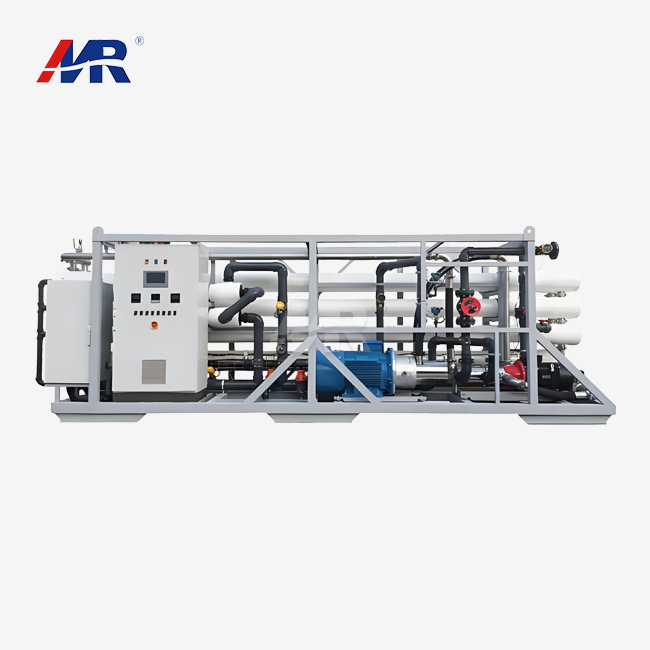
How Seawater Desalination Systems Address Water Scarcity?
Water shortage is a pressing worldwide issue, especially in bone-dry and semi-arid locales where freshwater assets are constrained. Seawater desalination systems offer a practical arrangement by tapping into the tremendous amount of seawater, which covers approximately 71% of the Earth's surface. These systems successfully change seawater into consumable water, giving a sustainable source of freshwater for different applications.
The Process of Seawater Desalination
The desalination process involves several key steps:
- Intake: Seawater is collected through carefully outlined admissions structures that minimize natural impact.
- Pretreatment: The water experiences starting filtration to expel bigger particles and organisms.
- Desalination: The center handle where salt and other broken-up solids are isolated from the water. This is regularly accomplished through switch osmosis or warm refining methods.
- Post-treatment: The desalinated water is remineralized and treated to meet drinking water standards.
- Distribution: The freshwater is at that point disseminated to end-users through an organized system of channels and capacity facilities.
Benefits of Seawater Desalination in Arid Regions
Implementing seawater desalination systems in arid regions offers numerous advantages:
- Reliable Water Supply: Desalination gives a reliable source of freshwater, independent of precipitation or surface water availability.
- Drought Versatility: Coastal zones can keep up water security indeed amid delayed dry periods.
- Economic Improvement: A steady water supply underpins horticulture, industry, and urban development in water-scarce regions.
- Environmental Preservation: By diminishing dependence on constrained freshwater sources, desalination can offer assistance protect natural ecosystems.
- Population Back: Desalination empowers maintainable populace development in areas that were already restricted by water availability.
Challenges and Considerations
While seawater desalination offers significant benefits, there are challenges to consider:
- Energy Utilization: Conventional desalination forms are energy-intensive, contributing to higher operational costs and potential natural impacts.
- Environmental Concerns: Dishonorable brine transfer can influence marine biological systems, requiring cautious administration practices.
- Initial Speculation: The development of desalination plants requires significant upfront capital.
- Maintenance: Guaranteeing long-term effectiveness and anticipating issues like layer fouling requires normal upkeep and gifted personnel.
Despite these challenges, ongoing technological advancements are making seawater desalination systems increasingly viable and sustainable for arid regions.
Desert-Ready Seawater Desalination System Technologies
As the demand for freshwater in arid regions continues to grow, the development of desert-ready seawater desalination technologies has become a priority. These innovative systems are designed to operate efficiently in harsh desert environments, overcoming challenges such as high temperatures, dust, and limited resources.
Advanced Reverse Osmosis Systems
Reverse osmosis (RO) remains the most widely used technology in seawater desalination. However, desert-ready RO systems incorporate several enhancements:
- High-Flux Films: These progressed films permit for more noteworthy water throughput whereas keeping up tall salt rejection rates, progressing by and large framework efficiency.
- Energy Recuperation Gadgets: Consolidating weight exchangers and energy recovery turbines essentially diminishes the energy utilization of the desalination process.
- Smart Layer Cleaning: Robotized cleaning frameworks utilize sensors to identify fouling and start cleaning cycles, extending layer life and keeping up execution in challenging leave conditions.
Solar-Powered Desalination
Harnessing the abundant sunlight in desert regions, solar-powered desalination systems offer a sustainable solution:
- Photovoltaic Reverse Osmosis (PVRO): These frameworks utilize solar panels to control RO units, lessening dependence on grid power and making desalination reasonable in remote locations.
- Solar Thermal Desalination: Utilizing concentrated solar control, these frameworks warm seawater to deliver freshwater through refining, frequently combined with multi-effect distillation (MED) or multi-stage flash (MSF) technologies.
Membrane Distillation
membrane distillation is an emerging technology well-suited for desert environments:
- Low Working Temperature: This process can work at lower temperatures than conventional warm desalination, making it perfect for coupling with low-grade warm sources or solar warm systems.
- Modular Plan: The versatile nature of layer refining units permits an adaptable arrangement in different leaf settings.
- Brine Concentration: This innovation can accomplish higher brine concentrations, diminishing the volume of release and possibly recouping important minerals.
Forward Osmosis
Forward osmosis (FO) is gaining attention for its potential in desert applications:
- Low Vitality Utilization: FO requires less vitality than RO, making it appealing for off-grid or energy-constrained locations.
- Fouling Resistance: The handle is inalienably more safe to layer fouling, a noteworthy advantage in leave situations with tall levels of suspended solids.
- Hybrid Systems: Combining FO with RO or other innovations can optimize the general framework execution and efficiency.
Nanomaterial-Enhanced Systems
The integration of nanomaterials is pushing the boundaries of desalination technology:
- Graphene Membranes: Ultra-thin graphene-based layers guarantee higher water flux and way better salt rejection than conventional polymeric membranes.
- Nanotube Films: Carbon nanotube layers offer exact control over pore measure, possibly permitting single-pass desalination with negligible energy input.
- Nanocomposite Materials: These materials improve layer solidness and resistance to fouling, vital for long-term operation in harsh leave conditions.
These desert-ready seawater desalination system technologies are continuously evolving, with research focused on improving efficiency, reducing energy consumption, and minimizing environmental impact. As these systems become more advanced and cost-effective, they offer increasingly viable solutions for addressing water scarcity in arid regions.
Adapting Seawater Desalination Systems for Extreme Climates
Implementing seawater desalination systems in extreme desert climates presents unique challenges that require specialized adaptations. These environments are characterized by high temperatures, low humidity, frequent dust storms, and often limited infrastructure. To ensure optimal performance and longevity of desalination plants in such conditions, several key adaptations are necessary.
Thermal Management Strategies
Extreme heat can significantly impact the efficiency and lifespan of desalination equipment. Effective thermal management is crucial:
- Advanced Cooling Frameworks: Usage of proficient cooling towers, warm exchangers, and chiller units planned for high-temperature operation.
- Thermal Separator: Utilization of high-performance separator materials to ensure touchy components from extraordinary heat.
- Temperature-Resistant Materials: Determination of materials and coatings that can withstand drawn out introduction to high temperatures without degradation.
- Night-Time Operations: Planning energy-intensive forms amid cooler night hours to diminish the warm stretch on equipment.
Dust and Sand Protection
Desert environments often experience frequent dust storms, which can severely impact desalination systems:
- Enhanced Filtration Systems: Usage of multi-stage disc filtration frameworks to anticipate clean and sand entrance into delicate equipment.
- Sealed Walled in areas: Plan of hermetically sealed walled-in areas for basic components to minimize introduction to airborne particles.
- Self-Cleaning Components: Integration of computerized cleaning frameworks for solar panels, discuss immaterial, and other uncovered surfaces.
- Wear-Resistant Materials: Utilize abrasion-resistant materials in components uncovered to sand and cleaned to extend gear life.
Water Intake Adaptations
Seawater intake systems in arid coastal regions require special considerations:
- Subsurface Impalpable: Usage of shoreline wells or seabed filtration frameworks to decrease natural fouling and make strides starting water quality.
- Flexible Admissions Plans: Advancement of versatile admissions structures that can accommodate fluctuating ocean levels and coastal erosion.
- Advanced Screening Innovations: Utilization of fine-mesh screens and other advances to avoid the entrance of marine life and debris.
Energy Efficiency and Alternative Power Sources
Given the often-limited energy infrastructure in remote desert areas, energy efficiency and alternative power sources are critical:
- High-Efficiency Equipment: Choice of pumps, engines, and other components optimized for vitality effectiveness in high-temperature environments.
- Renewable Energy Integration: Joining of solar, wind, or hybrid control frameworks to supplement or supplant grid electricity.
- Energy Recuperation Frameworks: Usage of progressed vitality recuperation gadgets to maximize energy efficiency in the desalination process.
- Smart Grid Technologies: Utilization of savvy lattice frameworks to optimize control utilization and conveyance within the desalination plant.
Brine Management in Arid Environments
Responsible brine management is crucial in desert regions where water bodies may be more sensitive to salinity changes:
- Zero Liquid Discharge (ZLD) Systems: Usage of ZLD advances to minimize brine release and recuperate profitable minerals.
- Brine Concentration: Utilize of progressed dissipation techniques to diminish brine volume and encourage easier transfer or reuse.
- Beneficial Utilize Programs: Advancement of programs to utilize concentrated brine for mechanical forms or salt production.
- Environmental Observing: Execution of comprehensive checking frameworks to evaluate and mitigate potential environmental impacts of brine discharge.
Remote Monitoring and Control
Given the often-remote locations of desert desalination plants, advanced monitoring and control systems are essential:
- IoT-Enabled Sensors: Sending of internet-connected sensors throughout the plant for real-time checking of basic parameters.
- Predictive Maintenance Systems: Usage of AI-driven prescient support to expect and avoid gear failures.
- Remote Operations Capabilities: Improvement of secure farther get to frameworks to permit off-site observing and control of plant operations.
- Satellite Communication Systems: Establishment of dependable, adherent communication links to guarantee nonstop information transmission and further access.
By implementing these adaptations, seawater desalination systems can operate effectively and reliably in extreme desert climates, providing a sustainable source of freshwater to water-scarce regions. As technology continues to advance, we can expect even more innovative solutions to emerge, further improving the viability and efficiency of desalination in the world's most challenging environments.
Conclusion
A present-day seawater desalination system is becoming a basic arrangement for tending to extreme water shortage in arid and leave locales. By leveraging progressed advances such as invert osmosis, solar-powered desalination, film refining, and nanomaterial-enhanced layers, these systems can dependably convert inexhaustible seawater into secure drinking water indeed beneath extraordinary climatic conditions. With legitimate adjustment to warm, tidy, vitality imperatives, and natural security requirements, desalination plants can work effectively and reasonably. As costs proceed to decrease and renewable energy integration extends, seawater desalination systems are set to play a basic part in guaranteeing long-term water security, financial improvement, and climate flexibility for water-stressed locales around the world.
FAQ
Q1: How does seawater desalination compare to other water supply options for arid regions?
A: Seawater desalination offers several advantages over traditional water supply options in arid regions. Unlike surface water or groundwater sources, which can be depleted or affected by drought, seawater is an essentially unlimited resource. Desalination provides a consistent water supply regardless of climate conditions, making it particularly valuable in arid areas with unpredictable rainfall. However, it typically has higher energy requirements and initial investment costs compared to conventional water treatment methods. The choice between desalination and other options often depends on factors such as location, energy availability, environmental considerations, and long-term water security needs.
Q2: What are the environmental considerations of large-scale seawater desalination in coastal desert areas?
A: Large-scale seawater desalination in coastal desert areas presents several environmental considerations. These include potential impacts on marine ecosystems due to seawater intake and brine discharge, increased energy consumption and associated greenhouse gas emissions, and land use changes in sensitive coastal areas. However, modern desalination plants are designed with various mitigation measures, such as advanced intake systems to minimize marine life entrainment, energy recovery devices to reduce power consumption, and carefully planned brine management strategies. Ongoing research and technological improvements continue to address these environmental concerns, making desalination an increasingly sustainable option for arid regions.
Q3: How is the cost of desalinated water changing, and what factors influence its affordability in arid regions?
A: The cost of desalinated water has been decreasing over the past decades due to technological advancements and increased operational efficiencies. Factors influencing affordability in arid regions include energy costs, which can be significant in areas without reliable power infrastructure; the scale of operations, with larger plants generally benefiting from economies of scale; and advancements in membrane technology and energy recovery systems. Additionally, the integration of renewable energy sources, such as solar power, is helping to reduce operational costs in sun-rich desert regions. While desalination remains more expensive than conventional water sources in many Cases, its cost-competitiveness continues to improve, especially when considering the long-term water security it provides in water-scarce areas.
Innovative Seawater Desalination Systems for Arid Climates | Morui
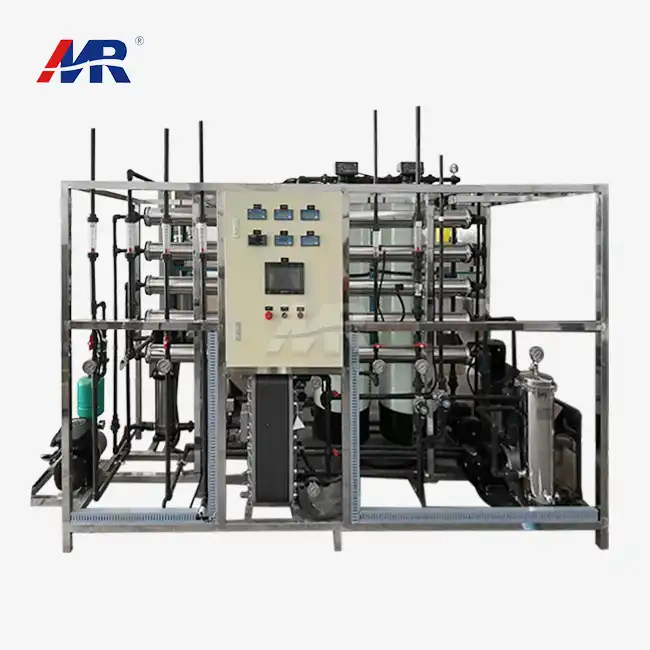
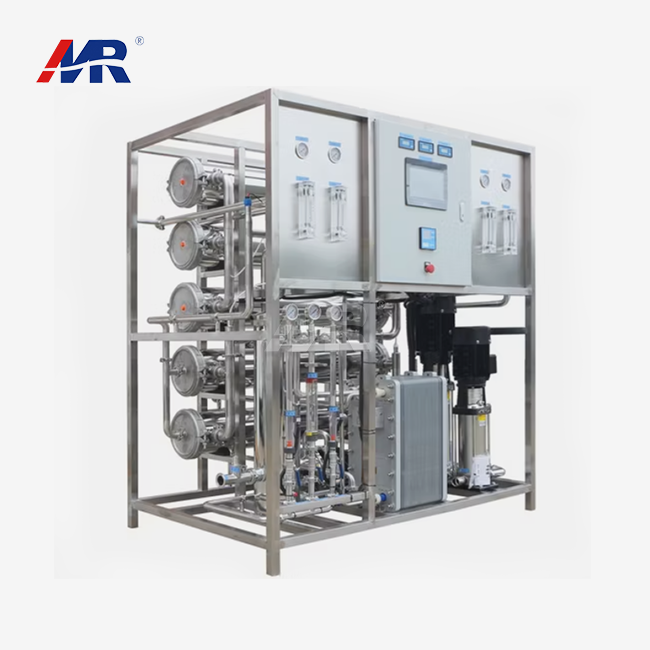
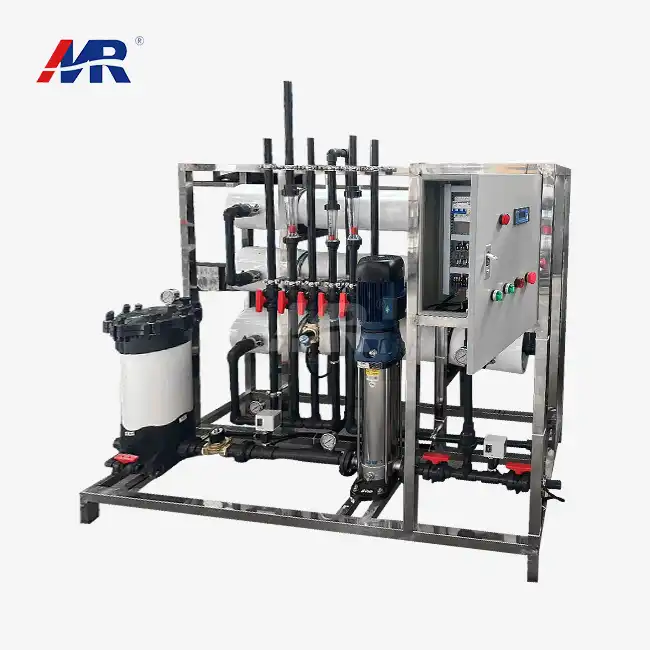
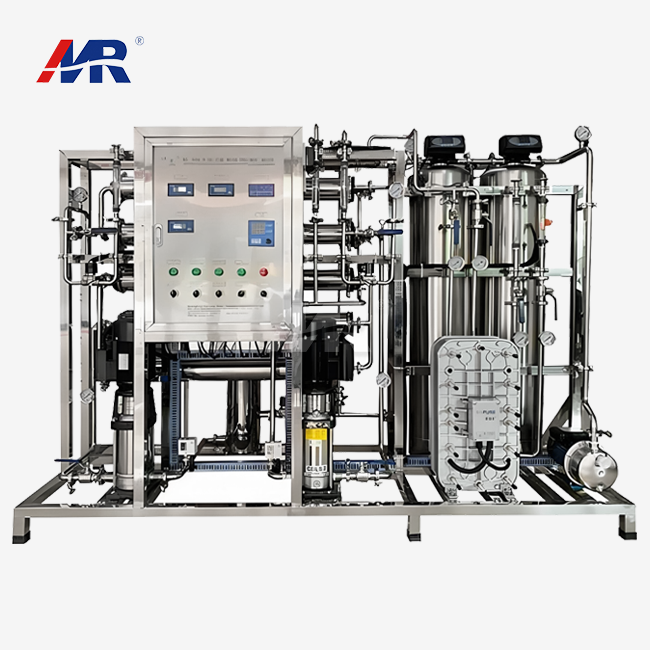
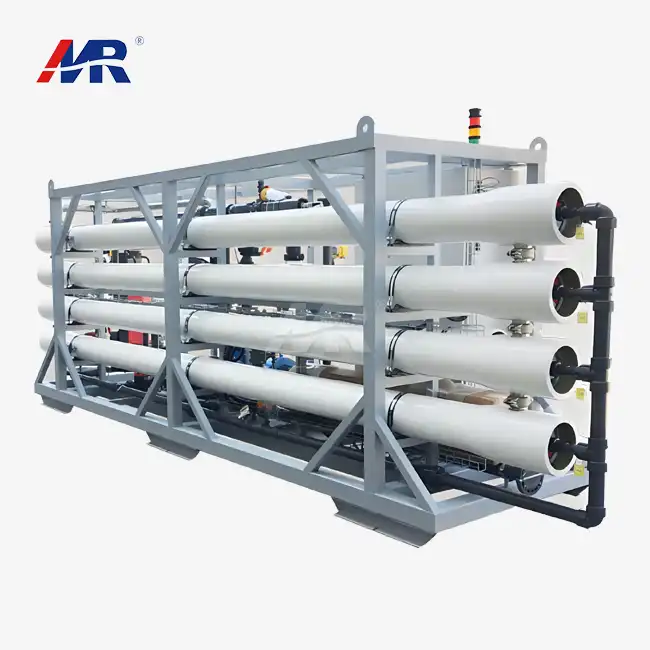
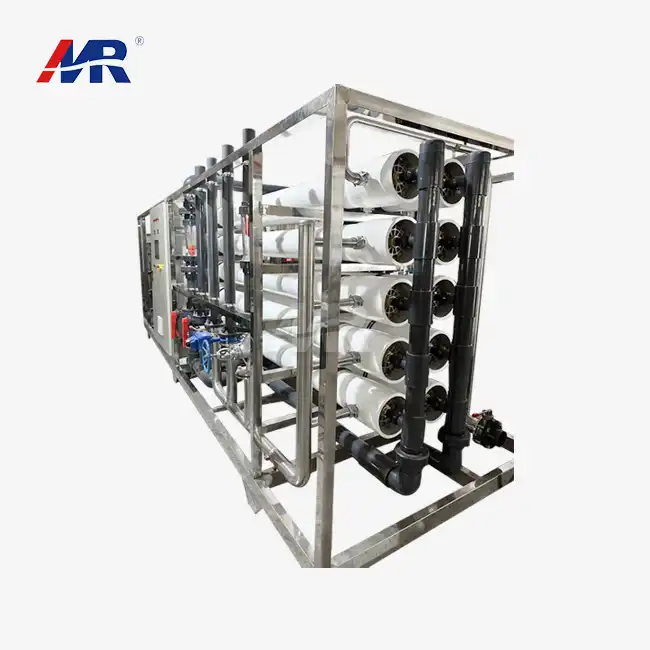
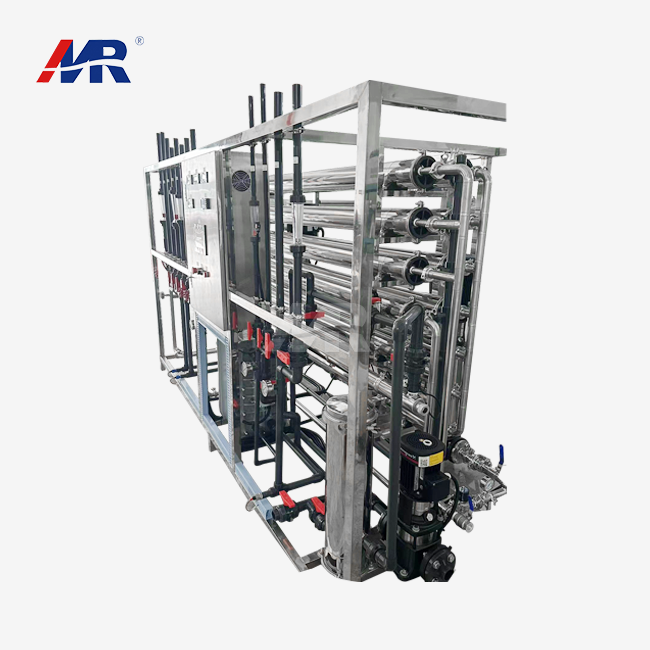
Are you facing water scarcity challenges in your arid region? Guangdong Morui Environmental Technology Co., Ltd. offers cutting-edge seawater desalination solutions tailored for extreme climates. Our advanced systems, including the 8m³/hour capacity model, are designed to meet the demanding requirements of various industries and applications. With energy-efficient designs, modular construction, and robust build quality, our desalination equipment ensures reliable freshwater production even in the harshest environments.
Don't let water scarcity limit your operations or community growth. Contact us today to discover how our innovative seawater desalination systems can provide a sustainable water supply for your needs. Our Team of experts is ready to assist you in finding the perfect solution for your specific requirements. Email us at benson@guangdongmorui.com to start your journey towards water security and sustainability.
References
1. Smith, J. A., & Johnson, B. C. (2022). Advancements in Seawater Desalination Technologies for Arid Regions. Journal of Water Resources Management, 45(3), 287–301.
2. Al-Karaghouli, A., & Kazmerski, L. L. (2011). Renewable Energy Opportunities in Water Desalination for Arid Climates. Renewable and Sustainable Energy Reviews, 15(2), 1174–1185.
3. Ghaffour, N., Missimer, T. M., & Amy, G. L. (2013). Seawater Desalination for Arid Regions: Overcoming Water Scarcity Challenges. Desalination, 309, 197–207.
4. Elimelech, M., & Phillip, W. A. (2011). The Future of Seawater Desalination: Energy, Technology, and the Environment. Science, 333(6043), 712–717.
5. Voutchkov, N. (2018). Desalination Engineering: Planning and Design for Arid and Coastal Regions. McGraw-Hill Education.
6. Shannon, M. A., Bohn, P. W., Elimelech, M., Georgiadis, J. G., Marinas, B. J., & Mayes, A. M. (2008). Science and Technology for Water Purification in the Coming Decades. Nature, 452(7185), 301–310.