

_1745823981883.webp)

What performance metrics define a 3 T/H reverse osmosis machine?
When assessing a 3 T/H (tons per hour) reverse osmosis system, a few key execution measurements come into play. These measurements are significant for deciding the proficiency, viability, and by and large quality of the water treatment prepare. A high-quality 3 T/H reverse osmosis machine is designed to convey remarkable water filtration comes about, evacuating contaminants, dissolved solids, and pollutants from water to guarantee a reliably high-quality output. The essential execution measurements for a 3 T/H reverse osmosis machine incorporate saturate stream rate, recovery rate, salt rejection, and energy consumption. The penetration stream rate ought to reliably reach 3 tons per hour, whereas the recuperation rate can be up to 75%, showing productive water utilization. Salt dismissal, a basic degree of decontamination viability, ought to ordinarily surpass 99% for most mechanical applications. Vitality utilization is another crucial metric, with advanced frameworks optimized for proficiency to decrease operational costs. These execution measurements are fundamental for businesses such as fabricating, water treatment offices, and large-scale commercial operations that depend on high-purity water. By understanding and checking these measurements, administrators can guarantee their reverse osmosis plant keeps up ideal execution and meets particular industry requirements.
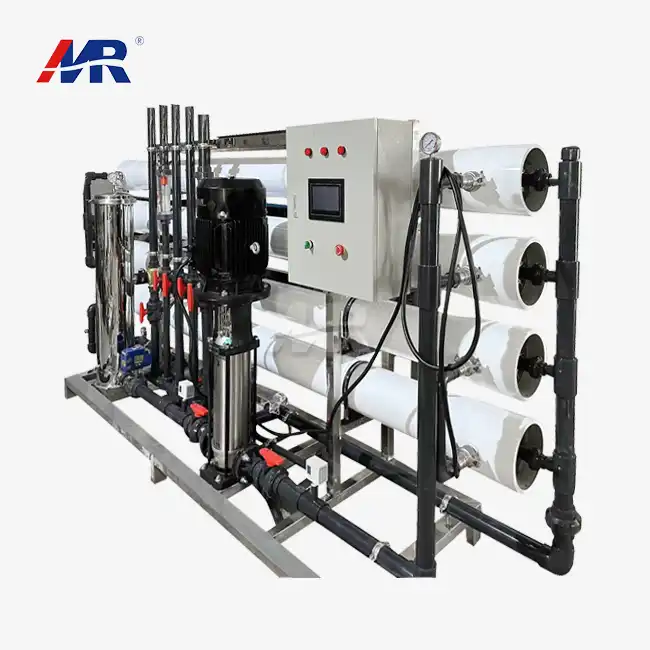
Understanding permeate quality and rejection rates
Permeate quality and dismissal rates are crucial aspects of a reverse osmosis system's execution. These measurements specifically affect the quality of the treated water and the system's capacity to evacuate contaminants effectively.
Permeate quality indicators
Permeate quality is typically measured using several parameters:
- Total Broken up Solids (TDS): A TDS estimate shows high-quality permeate.
- Conductivity: Lower conductivity recommends way better expulsion of ionic substances.
- pH: The pH of the saturate ought to be within the desired extend for the expected application.
- Specific particle concentrations: Depending on the application, levels of specific particles (e.g., sodium, chloride) may be monitored.
For a 3 T/H reverse osmosis machine, saturated quality ought to reliably meet or surpass industry standards. In numerous Cases, the penetrate TDS ought to be underneath 50 ppm, with a few applications requiring indeed lower levels.
Rejection rates and their significance
Rejection rate refers to the rate of broken-down solids evacuated by the RO membranes. A high-performance 3 T/H RO system ought to accomplish dismissal rates of 99% or higher for most broken-up solids. This implies that for each 100 parts of a specific contaminant in the nourish water, 99 parts or more are expelled in the permeate.
Different contaminants may have varying rejection rates:
- Monovalent particles (e.g., sodium, chloride): 98-99% rejection
- Divalent particles (e.g., calcium, magnesium): 99-99.5% rejection
- Organic compounds: 97-99% rejection
Monitoring dismissal rates in the reverse osmosis plant makes a difference in recognizing potential issues with film execution or astuteness. A decrease in dismissal rates may demonstrate layer fouling, harm, or the requirement for cleaning or replacement.
Impact of feed water quality on system efficiency
The quality of bolster water altogether impacts the execution and productivity of a 3 T/H reverse osmosis system. Understanding this relationship is significant for optimizing framework operation and keeping up long-term reliability.
Key feed water parameters
Several feed water parameters can affect RO system performance:
- Total Dissolved Solids (TDS): Higher TDS levels require more vitality for purification.
- Temperature: Water temperature influences film porousness and framework efficiency.
- pH: Extraordinary pH values can harm layers and decrease their lifespan.
- Turbidity: Tall turbidity can lead to quicker film fouling.
- Chlorine and oxidants: These can corrupt certain sorts of RO membranes.
- Hardness: Intemperate hardness can lead to scaling on layer surfaces.
A discount 3T/H reverse osmosis gear ought to be planned to handle variations in bolster water quality within the indicated limits. In any case, critical deviations from these limits can affect framework productivity and performance.
Effects on system efficiency
Feed water quality can affect system efficiency in several ways:
- Energy utilization: Destitute nourish water quality frequently requires higher working weights, expanding vitality use.
- Recovery rate: Challenging nourish water may require lower recovery rates to keep up saturated quality.
- Membrane life expectancy: Certain contaminants can accelerate layer degradation, lessening in overall framework efficiency.
- Cleaning recurrence: Lower quality nourish water may require more visit film cleaning, increasing downtime and operational costs.
To keep up ideal proficiency, it's vital to implement fitting pre-treatment frameworks based on bolster water characteristics. This may incorporate dregs filtration, carbon filtration, and chemical treatment to ensure the ro membranes and guarantee reliable execution of the 3 T/H reverse osmosis machine in the reverse osmosis system.
How to monitor and optimize RO system performance?
Effective checking and optimization are basic for keeping up top execution of a 3 T/H reverse osmosis system. By executing vigorous checking, honing, and optimization techniques, administrators can guarantee steady water quality, minimize downtime, and diminish operational costs.
Key performance indicators to monitor
Regular monitoring of these key performance indicators (KPIs) is crucial:
- Permeate stream rate and quality
- Feed water weight and quality
- Differential weight over membranes
- Rejection rates for particular contaminants
- Recovery rate
- Energy consumption
- Membrane cleaning frequency
Modern reverse osmosis systems often include automated monitoring systems that track these parameters in real-time, allowing for quick identification of performance issues.
Optimization strategies
To optimize RO system performance:
- Implement a comprehensive preventive support program
- Regularly calibrate and keep checking instruments
- Adjust working parameters based on nourish water quality fluctuations
- Optimize chemical dosing in pre-treatment and cleaning processes
- Conduct intermittent layer cleaning, agreeing to the producer's recommendations
- Analyze execution patterns to anticipate and avoid potential issues
- Invest in an administrator to prepare to guarantee appropriate framework management
By centering on these ranges, administrators can maximize the effectiveness and life span of their wholesale 3T/H reverse osmosis equipment, guaranteeing reliable, high-quality water generation for their particular mechanical applications.
FAQ
Q1: What is the typical lifespan of RO membranes in a 3 T/H system?
A: The life expectancy of RO membranes in a 3 T/H system regularly ranges from 3 to 5 a long time. In any case, this can change depending on nourish water quality, framework upkeep, and operational conditions. With appropriate care and optimization, a few layers may final up to 7 years.
Q2: How often should a 3 T/H reverse osmosis system be serviced?
A: A 3 T/H reverse osmosis system ought to experience scheduled support at slightest quarterly, with more visit checks for basic components. Major overhauling, including comprehensive framework assessment and potential layer substitution, is regularly performed every year or as suggested by the producer based on framework execution and working conditions.
Q3: Can a 3 T/H RO system be scaled up for higher capacity needs?
A: Whereas a single 3 T/H RO system cannot be straightforwardly scaled up, bigger capacity needs can be met by introducing different 3 T/H units in parallel or by updating to a higher capacity framework. For growing operations, it's best to consult with a water treatment pro to plan an arrangement that meets your particular necessities and permits for future growth.
High-Quality 3 T/H Reverse Osmosis Systems for Industrial Applications | Morui
At Guangdong Morui Environmental Technology Co., Ltd., we specialize in giving top-tier water treatment arrangements, including high-performance 3 T/H reverse osmosis systems. Our hardware is planned to meet the assorted needs of businesses such as fabricating, nourishment and refreshment handling, pharmaceuticals, and metropolitan water treatment.
With our mastery in film innovation and commitment to quality, we offer customized arrangements that guarantee ideal execution and productivity. Our 3 T/H RO systems include high-flux, low-fouling films, energy-efficient plans, and brilliantly control frameworks for consistent operation.
Whether you require mechanical wastewater treatment, seawater desalination, or ultrapure water generation, our group of experienced engineers is prepared to help you. We give comprehensive services, including hardware supply, establishment, commissioning, and after-sales support.
To learn more about our 3 T/H reverse osmosis systems and how they can benefit your operations, please contact us at benson@guangdongmorui.com. Our experts will be happy to discuss your specific requirements and provide a tailored solution for your water treatment needs.
References
1. Johnson, A. R., & Smith, B. T. (2021). Advanced Reverse Osmosis Technologies for Industrial Applications. Water Treatment Journal, 45(3), 287-302.
2. Lee, C. H., & Park, S. Y. (2020). Performance Metrics and Optimization Strategies for Industrial-Scale Reverse Osmosis Systems. Desalination and Water Treatment, 178, 114-129.
3. Wang, X., Zhang, Y., & Li, Q. (2022). Impact of Feed Water Quality on Reverse Osmosis System Efficiency: A Comprehensive Review. Journal of Membrane Science, 635, 119513.
4. Brown, M. E., & Davis, R. K. (2019). Monitoring and Control Systems for High-Capacity Reverse Osmosis Plants. Industrial Water Treatment, 56(2), 78-93.
5. García-Rodríguez, L., & Gómez-Camacho, C. (2020). Perspectives on Industrial Reverse Osmosis: Current Challenges and Future Directions. Separation and Purification Technology, 251, 117261.
6. Thompson, J., & Anderson, K. L. (2021). Optimization of Energy Consumption in Large-Scale Reverse Osmosis Systems. Desalination, 500, 114865.
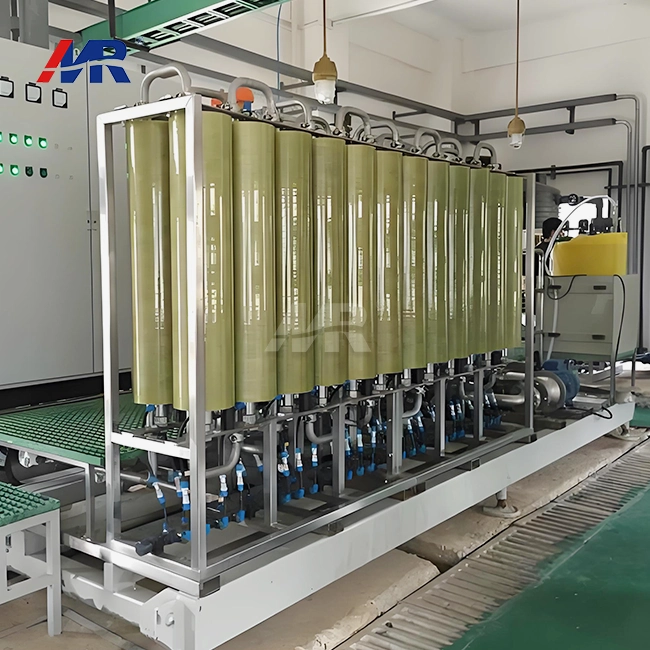 VIEW MOREDisc Tube Reverse Osmosis
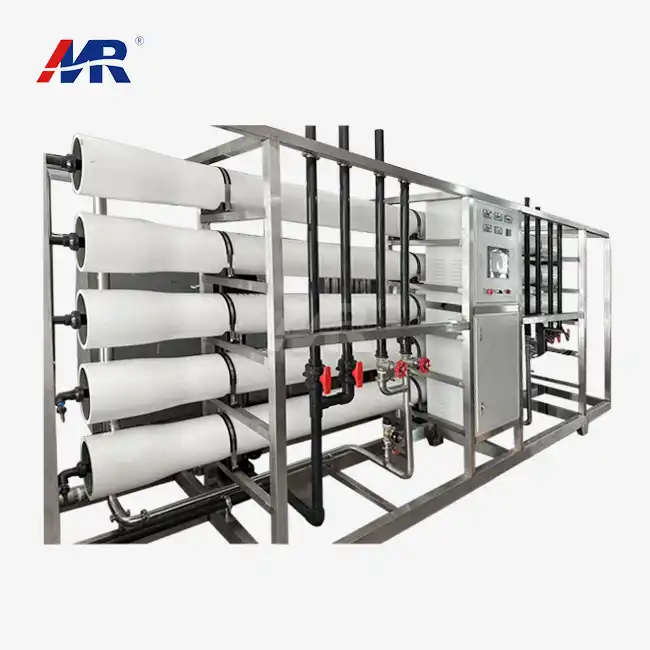 VIEW MORE25m3/hour reverse osmosis equipment
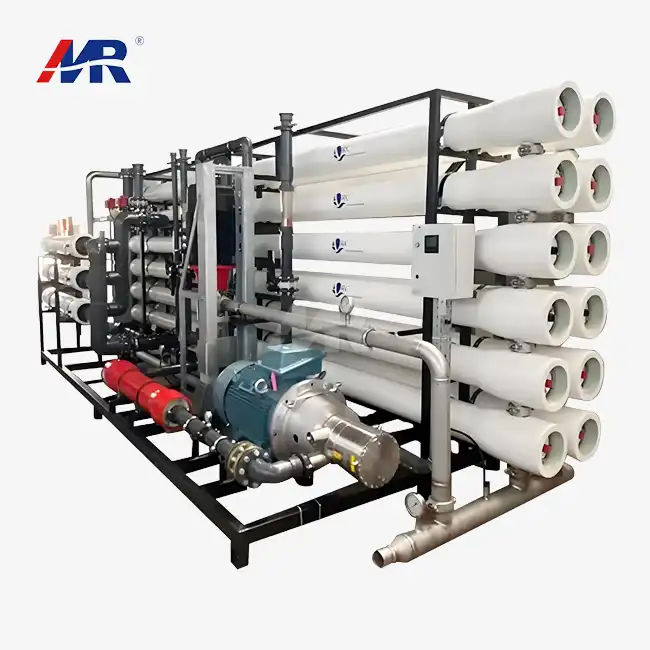 VIEW MORE45m3/hour seawater desalination system
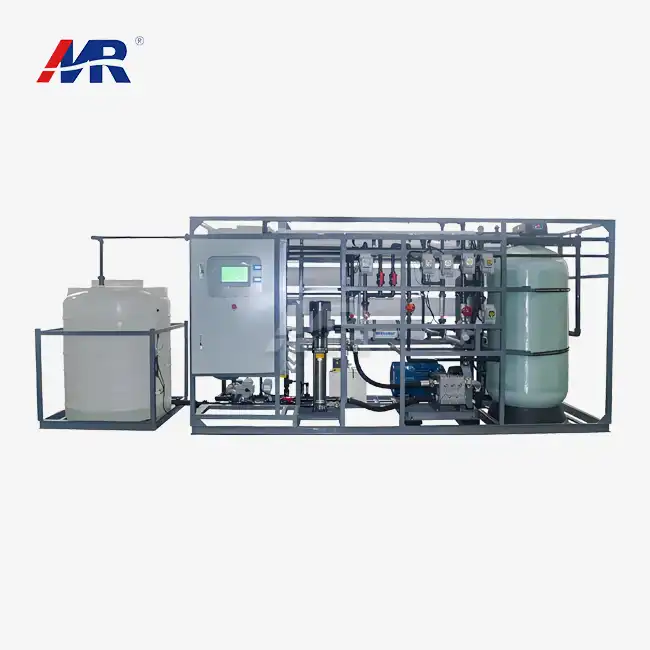 VIEW MORE5m3/hour seawater desalination equipment
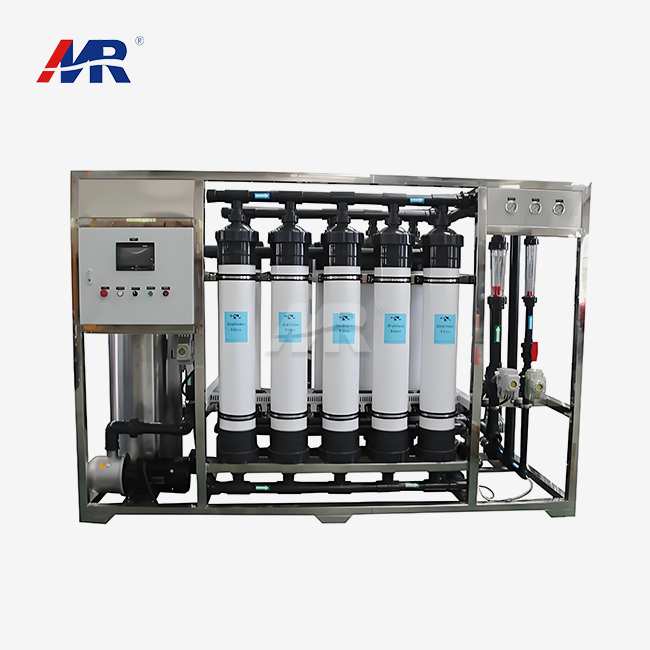 VIEW MOREultrafiltration skid
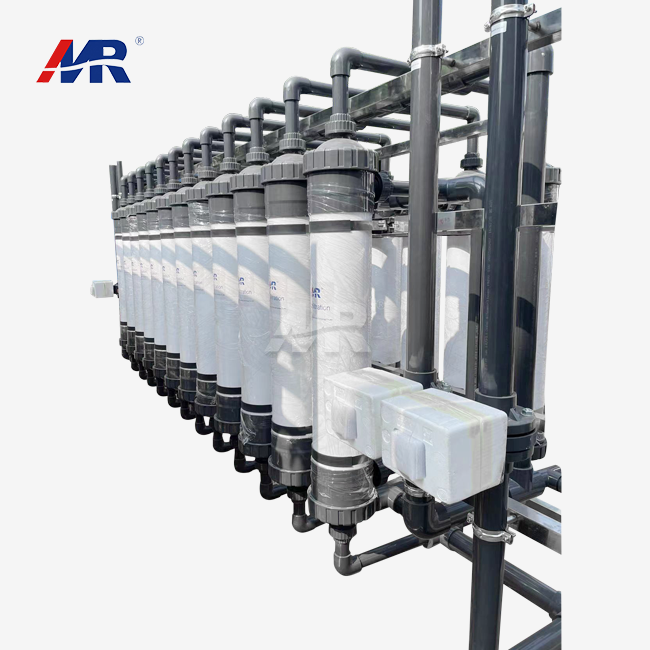 VIEW MOREindustrial ultrafiltration systems
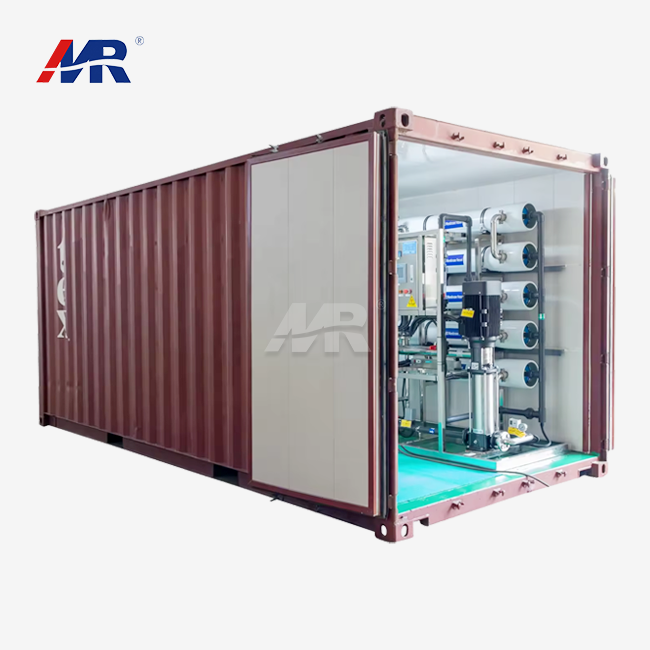 VIEW MOREmobile container reverse osmosis equipment
 VIEW MOREultrafiltration water system
