_1745823981883.webp)

When choosing between ultrafiltration and microfiltration membranes for cleaning water, the choice relies on the specific needs for removing contaminants and how the system will be used. Ultrafiltration membranes are great for high-purity water applications because they have tiny pores (0.01–0.1 microns) that make them better at getting rid of bacteria, viruses, and fine suspended particles. Microfiltration membranes have bigger holes (0.1–10 microns) that can get rid of suspended particles and bigger bacteria, but they can't get rid of viruses. Modern ultrafiltration membranes for water treatment are the best choice for important uses in the pharmaceutical, food processing, and municipal water treatment industries because they remove more pathogens and keep the water quality stable.

Introduction
Getting clean water is becoming more difficult because there are more rules, people need more clean water, and pollution is affecting water in more complex ways. Microfiltration (MF) and ultrafiltration (UF) are two types of membrane filtration technologies that can help solve these problems because they get rid of germs, pollutants, and particles that are floating around. If you're a B2B buying manager, engineer, or distributor looking for professional help on picking the right membrane type for different water treatment applications, this book is for you. By learning about the operating principles, performance differences, and application niches of UF and MF membranes, global industry customers may be able to do things more efficiently and follow the rules more closely.
Understanding Ultrafiltration and Microfiltration Membranes
Ultrafiltration and microfiltration membranes are different mostly because of their pore size and how they filter things in ultrafiltration membranes for water treatment. These differences have a direct effect on how well they can remove contaminants. uf membranes usually contain pores that are 0.01 to 0.1 microns wide. This lets them keep out germs, viruses, and colloidal particles using size exclusion and screening. MF membranes contain bigger holes (0.1 to 10 microns), which makes them great at getting rid of suspended particles and bigger bacteria, but not as good at getting rid of viruses.
Membrane Configuration and Material Specifications
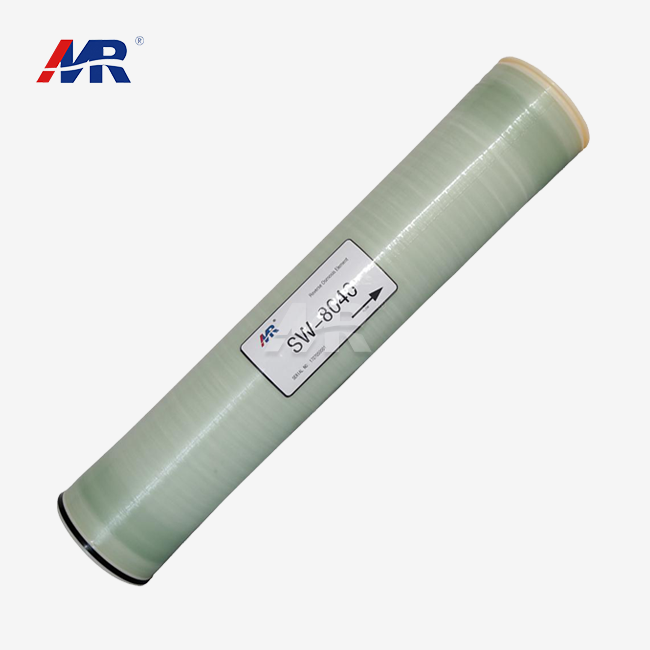
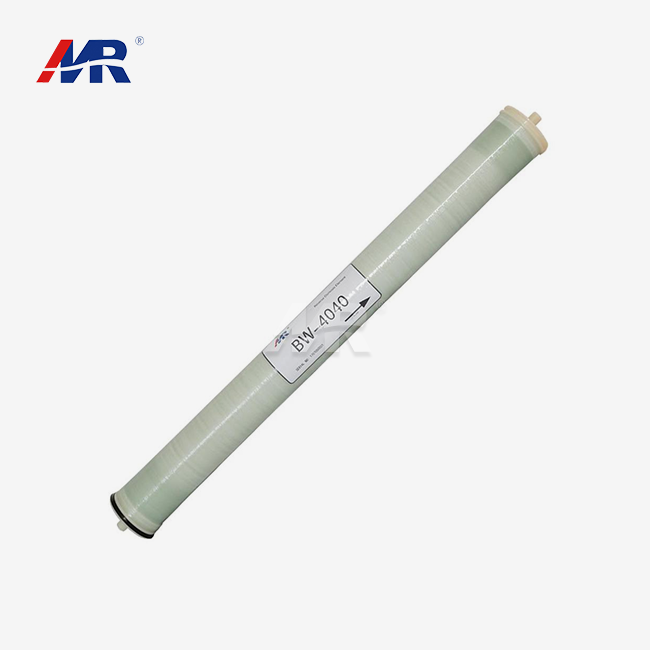
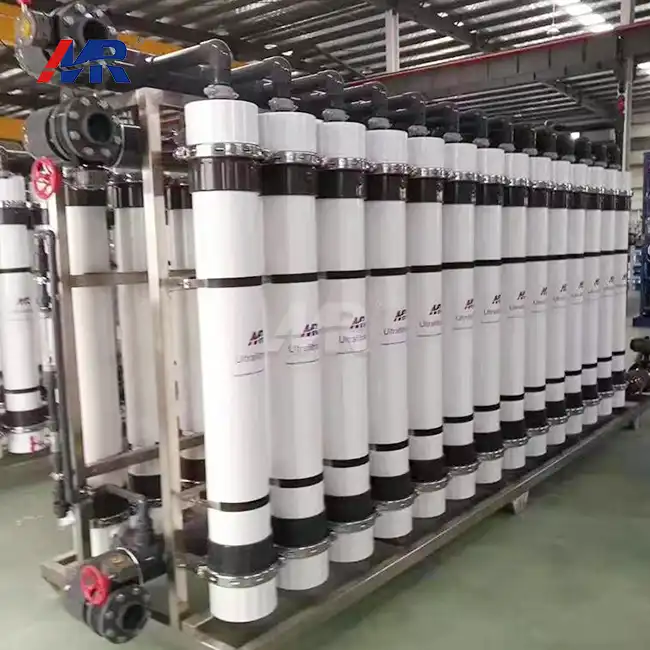
Different types of membranes, such as hollow fiber, flat sheet, and spiral wrapped for UF, and ceramic or polymeric types for MF, may be made to meet the needs of different industries. Morui's superior hollow fiber ultrafiltration membranes are made of PVDF/PVC, which makes them very durable and resistant to chemicals. These membranes work well in a pH range of 2 to 11 and a temperature range of 1 to 40 °C, so they may be used in a lot of different industrial settings.
Technical Specifications and Performance Parameters
Business-to-business (B2B) people who know these technical differences can choose the right membrane for their water cleaning needs. Modern ultrafiltration systems don't get very dirty, even when the flow rate is high (up to 150 LMH). Most of the time, you need a working pressure of 0.1 to 0.3 MPa. This shows that these systems use energy more efficiently than reverse osmosis systems. The water is used well, with return rates of 95%.
Performance Comparison: Ultrafiltration vs. Microfiltration for Water Treatment
The effectiveness of UF membranes in eliminating bacteria, viruses, and microscopic suspended particles is superior to that of microfiltration. Their exceptional purity makes them ideal for uses requiring ultra-pure water. MF membranes excel at removing larger particles and turbidity, but they are less effective when it comes to little ones.
Operational Efficiency and Maintenance Requirements
UF membranes in ultrafiltration membranes for water treatment need more thorough cleaning since they can get dirty, which means using chemicals and backwashing. However, they frequently last longer and make processes more stable. The workflow consists of feed water entering the ultrafiltration system, passing through membrane pores that trap pollutants on the membrane surface, collecting clean water, and backwashing every so often to get rid of particles that have built up. This methodical methodology makes sure that the water quality is always the same.
Cost-Benefit Analysis
When it comes to costs, there are the original cost of the membrane, the cost of installation, and the cost of continuous maintenance. UF membranes usually cost more up front, but they perform a better job of rejecting contaminants and require less treatment downstream. There are examples from treating industrial wastewater and surface water that show these trade-offs in efficacy and cost. Ultrafiltration systems can provide you with a greater return on investment over time since they filter better and need less maintenance.
Application-Specific Suitability for Global Industrial Needs
Different types of membranes, including ultrafiltration membranes for water treatment, are needed for different industries and water sources. Membrane solutions that fulfill strict quality standards and regulatory compliance requirements are needed in specialized fields.
Municipal and Industrial Applications
Ultrafiltration membrane technology may be used in many different ways, as shown by the following applications:
- Municipal drinking water treatment: makes sure that pathogens are removed and that the water fulfills EPA criteria for safe drinking water production.
- Cleaning up industrial process water: Gives manufacturing operations that need very pure water a steady supply of it.
- Reclaiming and reusing wastewater: Allows for water recycling projects and lessens harm to the environment
- Before reverse osmosis systems to work, they need to be pretreated: Keeps RO membranes from becoming dirty and makes them last longer.
These uses show how ultrafiltration technology may solve different water treatment problems in different fields.
Specialized Industry Requirements
Ultrafiltration membranes are used by food and drink production facilities to keep their Products safe and make sure they always meet quality requirements. Water systems that meet GMP standards are needed for pharmaceutical manufacture, and ultrafiltration is the best way to keep pathogens out. These systems are great for places with limited space since they are small and easy to install.
Procurement and Supplier Considerations for B2B Clients
Choosing the right membrane provider is very important for getting a high-quality product on time and with good after-sales support. The global industrial market's needs are met by trustworthy suppliers who give verified goods, customization options, and strong supply lines that can handle big orders and quickly replace parts.
Supplier Selection Criteria
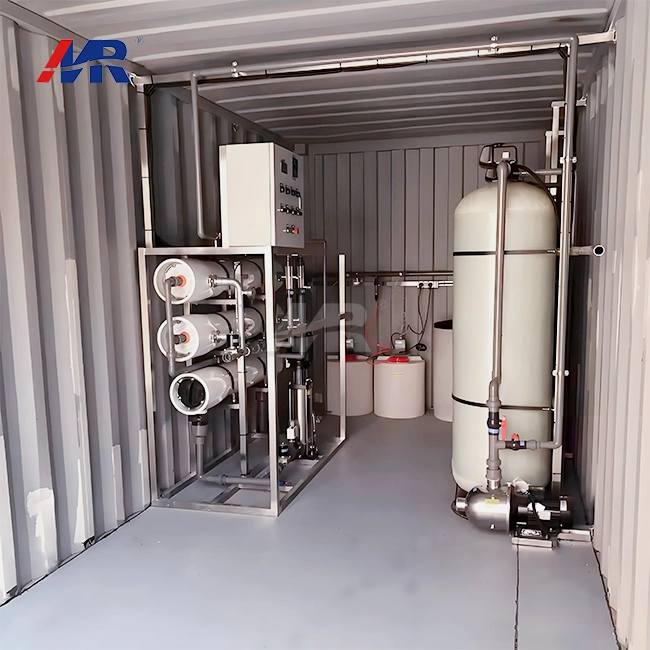
Guangdong Morui Environmental Technology Co., Ltd is a full-service water treatment company with more than 500 workers, 20 engineers, and 14 locations throughout the world, providing solutions that include ultrafiltration membranes for water treatment. We can keep an eye on quality throughout the manufacturing process thanks to our membrane production factory and equipment processing capabilities. We are also authorized agents for well-known products, including Shimge Water Pumps, Runxin Valves, and Createc Instruments. This makes sure that we can fully integrate systems.
Service and Support Infrastructure
Comprehensive procurement strategies also take into account vendors' installation skills and maintenance assistance to get the most out of membranes and keep them running in B2B settings. Morui offers all-in-one installation and commissioning services, making sure that systems are set up without any problems and work well from the start. Our technical team is always available to help with system optimization and troubleshooting.
Advanced Membrane Technology Solutions
Morui makes innovative ultrafiltration and microfiltration membranes that are made to solve different problems with water treatment. We have a wide range of products, including bespoke membrane modules that are made to help businesses run more efficiently and follow the rules.
Product Innovation and Environmental Benefits
To help with complicated project schedules, we offer value-added services including procurement consulting, Technical support, and faster delivery for ultrafiltration membranes for water treatment. Our materials that can handle chlorine and our ecologically friendly operations are in line with our sustainability aims while yet providing great performance. Our membranes last a long time, which means they don't need to be replaced as often, which saves money.
List of Services
We are dedicated to sustainability and customer happiness. We provide skilled installation, maintenance support, and continuing performance optimization on-site to make sure that our systems are always reliable and cost-effective in worldwide markets. We treat industrial wastewater, home sewage, saltwater, and make drinking water.
Conclusion
The decision between ultrafiltration and microfiltration membranes is based on the unique needs of the application, the types of contaminants, and the goals for water quality. Ultrafiltration membranes are better at getting rid of pathogens and work consistently for important uses. Microfiltration, on the other hand, is good for pre-treatment and getting rid of suspended particles. Modern ultrafiltration technology is great for sectors that need reliable water treatment solutions since it is very resistant to fouling, has high flux rates, and lasts a long time. To get the best performance from the system, the choice should take into account operating factors, maintenance needs, and long-term cost-effectiveness.
FAQ
Q1: What are the main distinctions between ultrafiltration and microfiltration membranes?
A: The main difference is in the size of the pores and how well they can get rid of contaminants. Ultrafiltration membranes contain very small holes (0.01–0.1 microns) that can get rid of bacteria, viruses, and fine particles. Microfiltration membranes have bigger pores (0.1–10 microns) that can get rid of suspended solids and larger microorganisms, but they can't get rid of viruses.
Q2: How frequently do ultrafiltration membranes need to be replaced and cared for?
A: To keep them working well, ultrafiltration membranes usually have a maintenance routine that includes backwashing and chemical cleaning. The frequency of replacements depends on the intensity of the application, the rate of fouling, and the quality of the water. However, well-maintained systems can run for 3 to 5 years before the membrane has to be replaced.
Q3: What kinds of businesses get the most out of ultrafiltration membrane technology?
A: Ultrafiltration technology is especially useful for industries that need very pure water, such as making pharmaceuticals, food and drinks, electronics, treating municipal water, and using water in industrial processes. These fields need to be able to reliably get rid of pathogens and have consistent water quality regulations.
Partner with Morui for Superior Water Treatment Solutions
Discover how Morui's advanced ultrafiltration membranes for water treatment can optimize your industrial processes and ensure regulatory compliance. As a trusted manufacturer with comprehensive manufacturing capabilities and a global service network, we deliver customized solutions that meet your specific requirements. Our expert engineering team provides technical consultation, system design, and ongoing support to maximize your investment returns. Experience the reliability of our PVDF/PVC hollow fiber membranes with superior fouling resistance and long operational lifespan. Contact us at benson@guangdongmorui.com to discuss your ultrafiltration membranes for water treatment supplier needs and receive detailed product specifications.
References
1. American Water Works Association. "Membrane Filtration Technologies for Water Treatment." AWWA Manual M53, Denver: American Water Works Association, 2019.
2. Baker, Richard W. "Membrane Technology and Applications: Third Edition." John Wiley & Sons, West Sussex: Wiley, 2020.
3. Crittenden, John C., et al. "MWH's Water Treatment: Principles and Design, Third Edition." John Wiley & Sons, Hoboken: Wiley, 2018.
4. Noble, Richard D. and Stern, S. Alexander. "Membrane Separations Technology: Principles and Applications." Elsevier Science, Amsterdam: Elsevier, 2019.
5. Pearce, Graham K. "UF/MF Membrane Technology for Industrial Water Treatment." Desalination and Water Treatment Journal, Volume 89, Taylor & Francis, 2021.
6. World Health Organization. "Water Treatment and Pathogen Control: Process Efficiency in Achieving Safe Drinking Water." IWA Publishing, London: WHO Press, 2020.