_1745823981883.webp)

Top China RO Container Units for Sri Lanka Manufacturing Sites
Container RO equipment is the best choice for industrial operations when Sri Lankan manufacturing companies are looking for reliable ways to clean their water. China's advanced production skills allow them to make containerized reverse osmosis systems that are both high-tech and affordable. This makes them perfect for Sri Lanka's wide range of industries. For factories that need a steady source of high-quality water, these mobile water treatment units are the most flexible and effective option available.
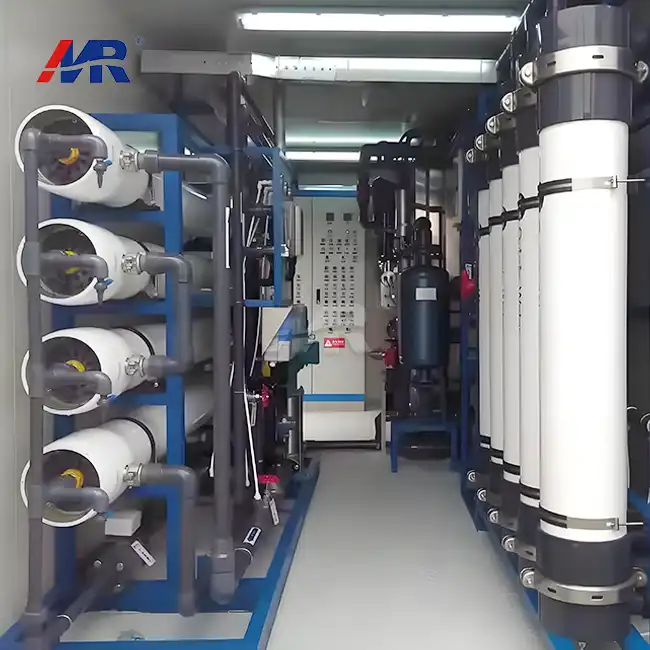
Understanding Container RO Equipment for Manufacturing Sites
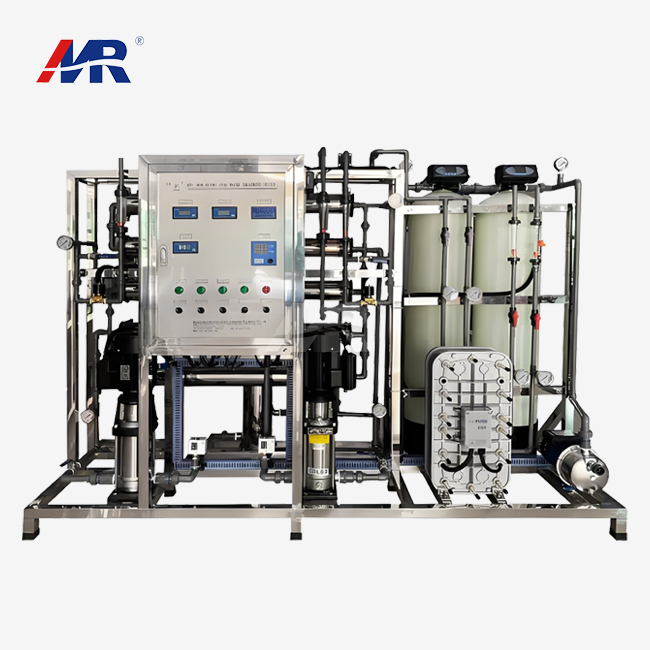
Container RO technology is a completely new way to treat industrial water because it uses normal shipping containers to house full reverse osmosis systems. These self-contained units have high-tech cleaning systems that are made to handle the complicated water quality problems that modern factories have.
Core Components and Technical Architecture
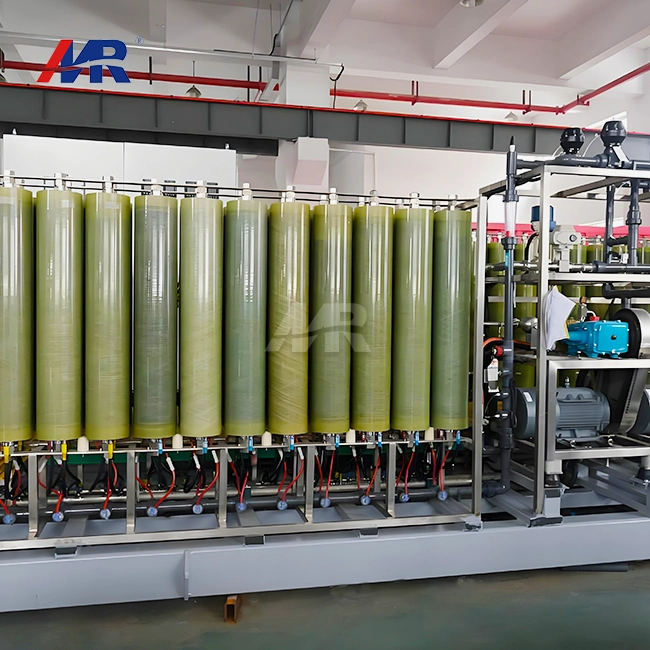
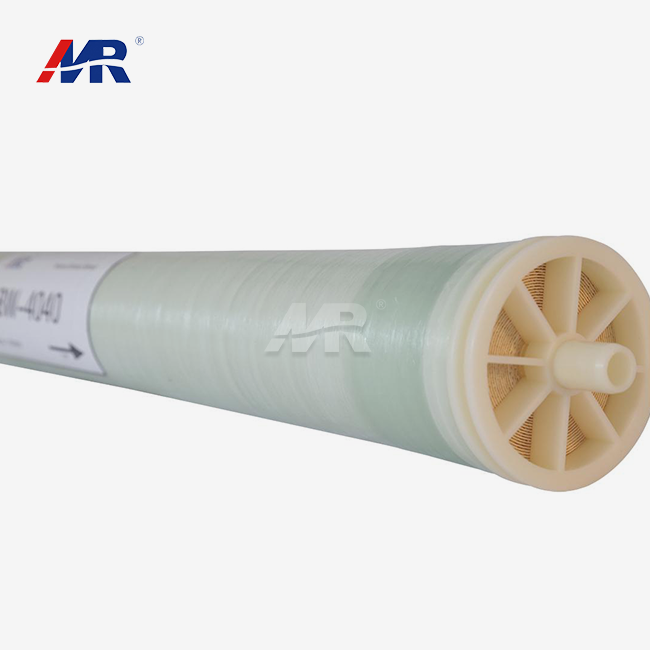
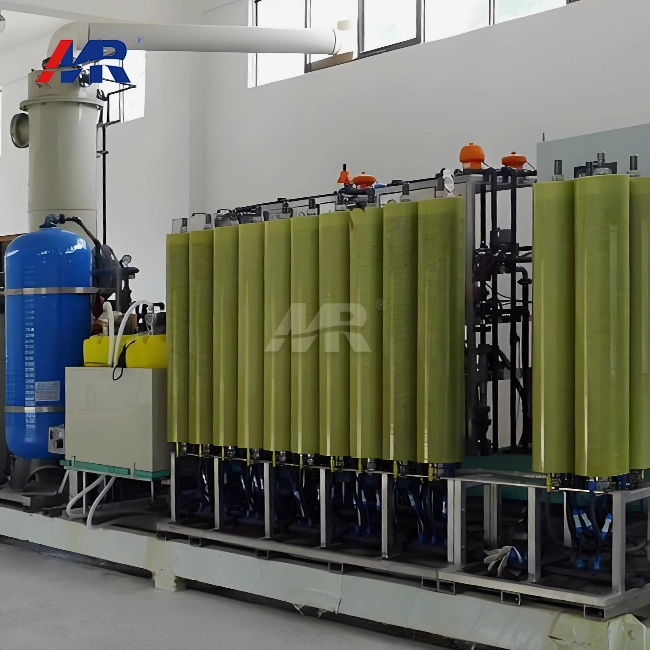
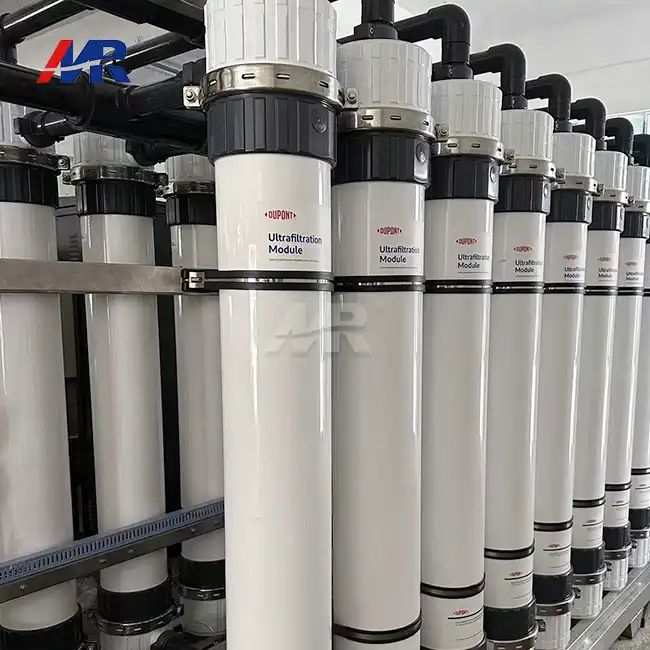
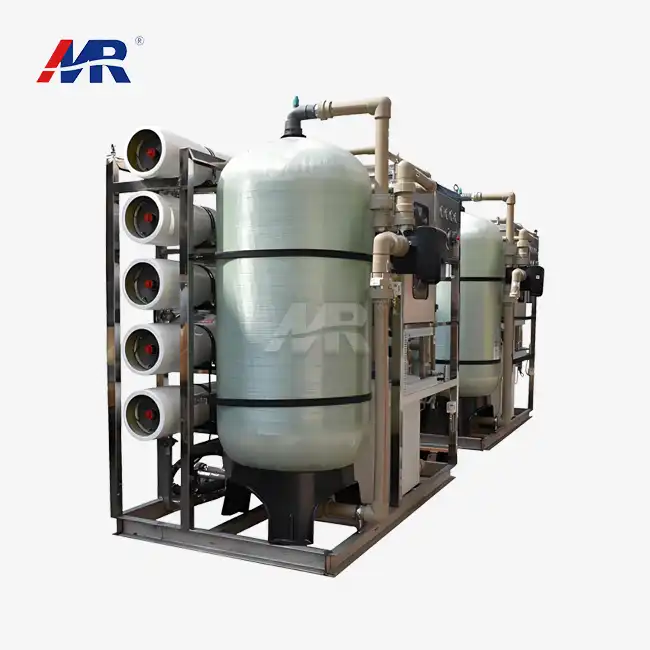
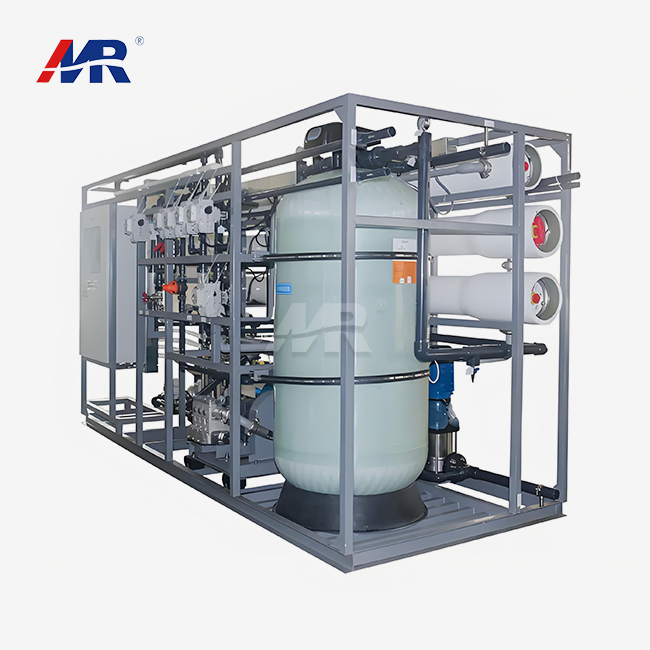
The basic structure of containerized reverse osmosis systems is made up of several important parts that work together. High-pressure pumps make the force needed to move water through semi-permeable screens, and modern pre-treatment systems get rid of bigger impurities before the important filtering step. Multimedia filtration layers get rid of suspended solids, activated carbon filters remove chlorine and chemical compounds, and microfiltration elements catch any particles that are still in the water.
Modern container RO systems work within certain technical limits that make sure they work well in a wide range of production situations. Most units treat between 50 and 500 cubic meters of water every day, using about 3 to 4 kWh per cubic meter cleaned. Up to 75% of the water that goes in is recovered, which means that three quarters of it is cleaned and sent out, while the rest takes away concentrated contaminants.
Capacity Options and Scalability
Flexible size choices are good for manufacturing sites because they can meet both present needs and goals for future growth. Standard 20-foot containers are used for smaller businesses like cloth workshops or food processing units. 40-foot containers, on the other hand, are used for large-scale making of drugs or electronics. The flexible design lets facilities add more units as production needs rise, making the water treatment infrastructure scalable.
Multi-Stage Purification Process
The cleaning process is organized in a way that improves the quality of the water while safeguarding costly membrane parts. Sensors that check the quality of the water in raw water intake systems change the treatment settings automatically based on the features of the source water. Filtration before treatment gets rid of physical and chemical contaminants that could hurt parts further down the line. The reverse osmosis membrane filtering step gets rid of salts that have been dissolved, germs, and contaminants at the molecular level. Depending on the needs of the production process, optional steps after cleaning can include adjusting the pH, remineralizing, or sterilizing the material.
Why Choose China RO Container Units for Sri Lanka Manufacturing?
Chinese companies have become world leaders in water treatment technology. They sell world-class container RO equipment at prices that are competitive for Sri Lankan businesses. China-made systems are very appealing for business uses because they have advanced engineering, a history of stability, and a wide range of support services.
Technological Advantages and Innovation
Chinese companies that make RO systems for containers put a lot of money into research and development. As a result, their systems use the newest membrane technology and automation. ro membranes that are high-rejection and low-fouling work better and need to be replaced less often than older technologies. Advanced tracking and control systems give operating data in real time, which lets repair be planned ahead of time and performance be improved.
Another big benefit is that current Chinese systems use a lot less power than traditional water cleaning methods, so they consume less energy. Because of this efficiency, Sri Lankan makers can run their businesses more cheaply, which is especially important given the country's industrial energy concerns.
Cost-Effectiveness and ROI Analysis
The cost savings of Chinese container RO units go beyond the price of the original purchase. They also include the total cost of ownership. By reducing construction costs and project timelines, rapid rollout features make it possible for industrial operations to start using clean water quickly. The plug-and-play system gets rid of the need for complicated civil engineering, which cuts down on the cost of preparing the spot by a lot.
Metrics for operational effectiveness show that using modern treatment methods saves a lot of money. Ongoing service costs are lower because upkeep needs are lower and tracking can be done from afar. The flexible design lets companies grow in stages, so they don't have to spend too much on starting capacity. Instead, they can time their investments to meet their production growth.
Customization Flexibility
Chinese makers are very good at changing standard designs to fit the needs of individual customers. This ability to be customized is especially helpful for Sri Lankan makers who work in different fields with different water quality standards. Chinese providers can change the way systems are set up to meet specific needs, such as dealing with high-salinity source water near the coast or meeting strict cleanliness standards for pharmaceuticals.
Application and Maintenance Guidance for Container RO Units
Sri Lankan manufacturing sectors demonstrate diverse applications for containerized water treatment systems, each presenting unique requirements and operational considerations. Understanding these applications helps manufacturers select optimal systems and develop effective maintenance strategies.
Industry-Specific Applications
Textile manufacturing operations utilize container RO equipment to ensure consistent water quality for dyeing and finishing processes. The removal of dissolved minerals prevents fabric discoloration and ensures uniform treatment results. Food and beverage manufacturers rely on these systems to meet strict hygiene standards while maintaining product taste consistency. Pharmaceutical companies use container RO units as primary treatment stages before additional purification steps required for injection-grade water production.
Electronics manufacturing represents another critical application area, where ultra-pure water prevents contamination during semiconductor fabrication and component cleaning processes. The containerized format allows electronics manufacturers to position treatment systems close to production lines, minimizing water quality degradation during transport.
Preventive Maintenance Protocols
Effective maintenance strategies ensure optimal system performance while maximizing component lifespan. Regular inspection schedules should include membrane performance monitoring, pump condition assessment, and pretreatment filter replacement. Operators must track key performance indicators, including permeate flow rates, pressure differentials, and water quality parameters, to identify potential issues before they impact production.
Here are the essential maintenance practices that ensure reliable operation:
Daily monitoring protocols involve checking system pressure readings, flow rates, and water quality indicators to identify performance trends and potential issues early in their development cycle.
- Weekly cleaning procedures include flushing pre-treatment filters, inspecting pump seals for leakage, and verifying proper chemical dosing system operation to maintain optimal treatment efficiency.
- Monthly membrane evaluation encompasses performance testing, cleaning cycle assessment, and documentation of rejection rates to determine when replacement becomes necessary for continued operation.
- Quarterly system audits involve comprehensive inspection of electrical components, control system calibration, and structural integrity assessment to prevent unexpected failures and extend equipment lifespan.
These maintenance practices collectively ensure manufacturing operations maintain uninterrupted access to high-quality process water while minimizing unexpected downtime and repair costs.
Warranty and Service Considerations
Comprehensive warranty packages provide crucial protection for manufacturing investments in container RO equipment. Leading Chinese manufacturers of container ro equipment typically offer multi-year coverage encompassing both equipment components and performance guarantees. Service agreements should include regular maintenance visits, emergency response capabilities, and spare parts availability to minimize operational disruptions.
How to Procure China RO Container Units: A B2B Buying Guide?
To buy container RO equipment successfully, you need to carefully consider technical specs, quality guarantee, and the ability to provide long-term support while evaluating suppliers. Knowing how to buy things helps factory managers make smart choices that get the best value for money.
Supplier Evaluation Criteria
Goodness International licenses, customer references, and clear production methods are all ways that Chinese makers show that they can be trusted. Certification in ISO 9001 quality management means that quality is controlled in a planned way, and Certifications that are specific to a field show that someone is technically competent. Potential customers can look at a factory's manufacturing skills, quality control methods, and production ability directly during factory audits.
Verifying customer references is a great way to learn about how well a provider works in the real world. Well-known companies easily give out contact information for current users who use their Products in similar ways, so that they can be contacted directly to talk about performance and see how well they can solve problems.
Technical Specification Development
Accurate specification development makes sure that the equipment bought meets the exact needs of the manufacturing process, while avoiding over-definition that raises costs for no reason. System size and component choice are based on a study of the source water's water quality and the standards for the output water. Projections of production capacity help figure out the right system capacity, making sure there are enough backups for times of high demand.
Conditions in the environment, like temperature ranges, humidity levels, and limited room, affect how the system is set up and what kind of home it needs. Electrical infrastructure compatibility makes sure that new systems can work with old ones without having to make expensive changes.
Logistics and Installation Planning
Buying container RO equipment means organizing foreign shipping, clearing customs, and local installation services. Reliable Chinese providers can help with export paperwork and shipping plans, and local partners can handle customs processes and coordinating deliveries. Planning an installation schedule should include the steps needed to prepare the spot, connect utilities, and start up the system.
Training programs make sure that local workers know how the container or equipment system works, how to do simple upkeep, and how to fix problems. System management is made easier with detailed documents like operation instructions, repair plans, and lists of extra parts.
Conclusion
Container RO equipment represents the optimal solution for Sri Lankan manufacturing facilities seeking reliable, efficient water treatment capabilities. Chinese manufacturers offer advanced technology, competitive pricing, and comprehensive support services that deliver exceptional value for industrial applications. The combination of rapid deployment, scalable design, and proven performance makes containerized systems ideal for diverse manufacturing sectors, including textiles, food processing, pharmaceuticals, and electronics. Careful supplier selection and proper maintenance ensure long-term operational success while supporting manufacturing growth objectives.
FAQ
1. What is the expected lifespan of container RO units?
High-quality container RO equipment typically operates effectively for 15-20 years with proper maintenance. Membrane components require replacement every 2-3 years depending on source water quality and operating conditions, while mechanical components like pumps and valves may need servicing every 5-7 years. Regular preventive maintenance significantly extends overall system lifespan.
2. How do these systems adapt to varying feed water qualities?
Modern container RO systems incorporate adjustable pretreatment stages and automated control systems that adapt to changing source water conditions. Multi-stage filtration removes various contaminants, while programmable controllers adjust operating parameters, including pressure, flow rates, and chemical dosing, based on real-time water quality monitoring.
3. Can container RO units scale with growing manufacturing demands?
The modular design enables seamless capacity expansion by adding additional container units as production requirements increase. Interconnection systems allow multiple units to operate as integrated treatment networks while maintaining individual system independence for maintenance flexibility.
Contact Morui for Premium Container RO Equipment Solutions
Manufacturing excellence demands reliable water treatment solutions that deliver consistent performance while supporting long-term operational goals. Morui combines advanced container RO equipment technology with comprehensive support services, making us the ideal container ro equipment supplier for Sri Lankan manufacturing operations. Our experienced engineering team stands ready to develop customized solutions that address your specific water treatment challenges while optimizing operational efficiency. Connect with our specialists at benson@guangdongmorui.com or visit moruiwater.com to explore how our proven container RO systems can enhance your manufacturing capabilities and support sustainable growth objectives.
References
1. Industrial Water Treatment Technologies for Manufacturing Applications in South Asian Markets, Water Technology Institute, 2023.
2. Containerized Reverse Osmosis Systems: Performance Analysis and Cost-Benefit Assessment, International Water Association, 2024.
3. Manufacturing Water Quality Standards and Treatment Technologies for Sri Lankan Industries, Ceylon Institute of Technology, 2023.
4. Comparative Study of Water Treatment Solutions for Tropical Manufacturing Environments, Asian Water Resources Journal, 2024.
5. Energy Efficiency and Operational Cost Analysis of Container-Based Water Treatment Systems, Environmental Engineering Quarterly, 2023.
6. Procurement Guidelines for Industrial Water Treatment Equipment in Emerging Markets, Global Manufacturing Technology Review, 2024.