

_1745823981883.webp)

Best Container Sewage Treatment Plants for Tanzania Industrial Use
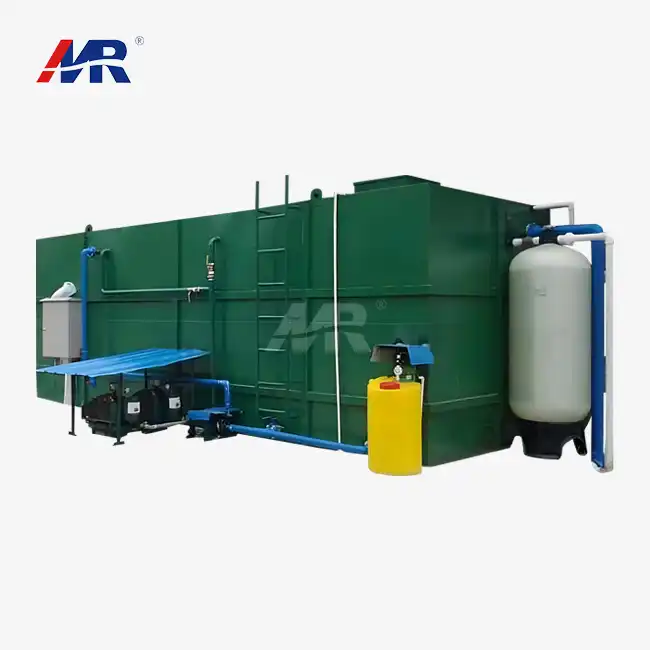
When looking for the best container Sewage Treatment Plants for industry uses in Tanzania, current commercial sewage treatment plant options are the most flexible and effective. These portable systems are a big step forward in managing wastewater. They can be set up quickly, treat wastewater better, and run more efficiently and cheaply, all while being built to work with Tanzania's wide range of industries. Advanced membrane bioreactor technology makes sure that strict environmental rules are followed and gives factories, food processing plants, and other industry businesses a great return on their investment.
Introduction
Tanzania's business world is growing at a speed that has never been seen before. This means that we need a lot of good garbage cleaning choices that work well and are good for the environment. All over the country, industry places need to buy container sewage treatment plants because rules are getting tighter and environmental goals are becoming more important. It's hard to keep track of trash, but these flexible methods make sure that environmental laws are followed everywhere, including those in other countries.
Not only is efficient garbage removal good for the environment, it's also a smart business move that can help with prices, following the rules, and the company's image. Tanzania's new factories need wastewater treatment systems that can handle complicated wastewater patterns and keep working well even when the conditions of the factories change. Traditional fixed setups often can't offer the freedom and dependability that container-based cleaning systems can.
The people who should read this complete guide are procurement managers, engineers, and OEM clients who want to make smart buying decisions. We work to make all of Tanzania's factories, from those that make things and process food to those that make drugs and chemicals, more efficient while also having less of an effect on the environment.In complicated recipes, it's more important than ever to make sure that the active ingredient doesn't react badly with other ingredients. If it does, it could affect how well the product works overall. Studies that speed up the stability of a product help figure out how it will hold up over time and how to best package it so that it lasts longer.
Understanding Container Sewage Treatment Plants: Technology and Benefits
Container sewage treatment plants, or commercial sewage treatment plants, are a big change in how business and industrial wastewater is managed. They are different from traditional set systems because they are small and easy to move. These flexible systems put advanced treatment methods inside normal shipping containers. This makes them easy to set up and expand, which is something that other systems can't do.
Advanced Treatment Technology Integration
There are several steps in modern container treatment plants, such as pre-treatment, biological treatment, filtration, and cleaning. This all-around method makes it possible to thoroughly clean up industrial wastewater while keeping the quality of the result constant. When membrane bioreactor (MBR) technology is used in containerized forms, it achieves outstanding performance measures, with BOD removal rates exceeding 95% and dissolved solids removal rates exceeding 99%.
The new technology in container systems helps Tanzanian businesses deal with problems they are having. These plants can handle different types of influent while keeping their treatment performance stable. This makes them perfect for sites whose production plans change or whose operations change with the seasons.
Environmental and Operational Benefits
Container sewer treatment plants have many environmental benefits, such as following the rules, taking up less space, being more flexible in how they run, and saving money. The flexible design makes rollout scalable, so it can easily adapt to changing flow needs without making big changes to the infrastructure. This ability to change is especially useful for growing businesses or places that need to keep up with changing production needs.
Because they are small, they need up to 30% less land than traditional systems. This makes them perfect for industrial places that don't have a lot of room. The sealed form also reduces smells and noise, making it suitable for working areas in cities and semi-cities where getting along with others is still important.
Core Design Principles and Types of Container Sewage Treatment Plants Suitable for Tanzanian Industry
Container sewage treatment plants that can handle complex wastewater patterns well are needed in industrial settings. These plants need to be able to be expanded, use less energy, and be automated. The main ideas behind the design stress flexibility and adaptation, which makes it possible to easily fit into different production settings while still providing the best treatment results.
Scalability and Modular Architecture
The modular building method lets factories start with a base level of capacity and gradually add more as production needs rise. This stepwise application approach lowers the original investment in cash while ensuring that the system can be expanded in the long run. It is possible to connect container plants together to handle outputs ranging from 50 m³/day for smaller sites to over 10,000 m³/day for large industrial buildings.
Energy economy is still a very important part of design, and current systems use only 0.5 to 0.8 kWh/m³, which is a lot less than older treatment options. This efficiency means that the system will save a lot of money in operating costs over its lifetime. This is especially important for Tanzanian factories that care about saving energy.
System Types and Technology Options
Aerobic and anaerobic treatment systems, membrane bioreactor (MBR) technologies, and mixed treatment methods are some of the system designs that can be used to meet the needs of different industries. When it comes to biodegradable organic matter like that found in food processing plants, aerobic systems work best. On the other hand, anaerobic systems work best for high-strength industrial wastewater from factories.
The best container treatment plants use MBR technology, which combines biological treatment with membrane filtration to make the wastewater quality better. The AAO (Anaerobic-Anoxic-Oxic) biological treatment process gets rid of nutrients well, and membrane filtering makes sure that suspended solids are always removed, even if the bacteria change.
Performance Validation Through Regional Case Studies
Using it in real life in African markets has been shown to improve performance and dependability. When put to use in similar industrial settings, the commercial sewage treatment plant and container treatment plants consistently meet treatment goals while keeping their uptime above 95%. These sites show that the technology works well in the hot temperatures and changing working conditions that are common in Tanzanian factories.
How to Choose the Right Container Sewage Treatment Plant for Industrial Use in Tanzania?
Selecting an optimal treatment system requires comprehensive evaluation of capacity requirements, regulatory compliance obligations, and total cost of ownership considerations. The decision-making process must balance technical specifications with business priorities while ensuring long-term operational sustainability and regulatory compliance.
Capacity Planning and System Sizing
Proper capacity planning involves analyzing current wastewater generation rates while accounting for projected growth over the system's operational lifespan. Industrial facilities should consider peak flow conditions, seasonal variations, and potential expansion scenarios when determining optimal system capacity. Understanding the relationship between production schedules and wastewater characteristics ensures appropriate system sizing and configuration.
The modular nature of container systems provides flexibility in capacity planning, allowing facilities to implement staged expansion approaches. This strategy minimizes initial investment while ensuring adequate treatment capacity as operations expand.
Technology Selection and Customization
Procurement managers and engineers must compare treatment technologies based on specific wastewater characteristics and discharge requirements. Manufacturing facilities typically generate wastewater with different characteristics than food processing operations, requiring customized treatment approaches to ensure optimal performance and regulatory compliance.
The selection process should evaluate treatment efficiency, reliability metrics, and supplier reputation while considering local service availability and Technical support capabilities. Container plants offer standardized components that simplify maintenance while providing customization options to address specific industrial requirements.
Financial Considerations and Investment Analysis
Total cost of ownership analysis must encompass procurement costs, installation expenses, operational costs, and maintenance requirements over the system lifecycle. Container treatment plants typically offer lower installation costs due to prefabricated construction and reduced site preparation requirements.
Understanding financing options, including lease arrangements and performance-based contracts, helps optimize cash flow while ensuring access to advanced treatment technology. Many suppliers offer comprehensive service packages that include installation, commissioning, training, and ongoing maintenance support.
Maintenance, Cost Factors, and Regulatory Considerations
Long-term operational success depends on adherence to comprehensive maintenance protocols involving routine inspections, preventive maintenance, and proactive challenge management. Understanding cost components and regulatory requirements ensures sustainable operations while maintaining compliance with environmental standards.
Maintenance Protocols and Best Practices
Effective maintenance strategies include daily operational monitoring, weekly system inspections, and monthly performance assessments. Automated monitoring systems provide real-time data on treatment performance, enabling proactive intervention before issues impact effluent quality. The modular design of container systems simplifies access for maintenance activities, while standardized components reduce spare parts inventory requirements.
Regular maintenance activities include membrane cleaning, biological system optimization, and mechanical component servicing. Predictive maintenance approaches using data analytics help optimize maintenance schedules while minimizing operational disruptions.
Cost Structure and Financial Planning
Understanding comprehensive cost components enables accurate budgeting and financial planning for treatment system implementation. Initial procurement costs represent approximately 60-70% of total project costs, with installation, commissioning, and training accounting for the remainder.
Operational costs include energy consumption, chemical usage, routine maintenance, and periodic component replacement. Container treatment plants typically demonstrate lower operational costs compared to conventional systems due to energy efficiency and automated operation capabilities.
Regulatory Compliance Framework
Compliance with Tanzanian environmental regulations requires understanding wastewater treatment standards, certification requirements, and inspection protocols. The Tanzania Bureau of Standards and National Environment Management Council establish discharge standards that container treatment plants must consistently achieve.
Regular compliance monitoring at a commercial sewage treatment plant includes effluent quality testing, operational record keeping, and periodic regulatory inspections. Container systems equipped with automated monitoring capabilities simplify compliance documentation while providing real-time verification of treatment performance.
Conclusion
Container sewage treatment plants represent the optimal solution for Tanzania's industrial wastewater treatment needs, combining advanced technology with operational flexibility and cost-effectiveness. These modular systems address critical challenges, including rapid deployment, scalability, regulatory compliance, and long-term operational sustainability. The proven performance of MBR technology within containerized formats delivers consistent treatment results while minimizing environmental impact and operational costs. Industrial facilities investing in container treatment solutions position themselves for sustainable growth while meeting increasingly stringent environmental regulations and corporate sustainability objectives.
FAQ
1. What is the typical lifespan of container sewage treatment plants in industrial settings?
Container treatment plants designed for industrial applications typically operate effectively for 15-20 years with proper maintenance. The modular construction allows for component replacement and system upgrades without complete system replacement, extending operational lifespan while maintaining performance standards. Regular maintenance and proactive component replacement ensure consistent treatment performance throughout the system lifecycle.
2. How quickly can container treatment plants be deployed?
Deployment timelines for container treatment plants range from 4 to 8 weeks from order confirmation to operational commissioning, significantly faster than conventional treatment installations. Prefabricated construction eliminates weather delays and reduces site preparation requirements, enabling rapid implementation for urgent industrial needs. This quick deployment capability proves particularly valuable for expanding operations or emergency replacement scenarios.
3. What scalability options are available for growing industrial operations?
Container systems offer exceptional scalability through modular expansion approaches that accommodate growing wastewater treatment needs without operational disruption. Additional container modules can be integrated with existing systems to increase capacity incrementally, providing cost-effective expansion options. This modular approach enables facilities to match treatment capacity with production growth while maintaining optimal operational efficiency.
Partner with Morui for Advanced Commercial Sewage Treatment Plant Solutions
Morui's containerized wastewater treatment systems deliver proven performance for Tanzania's industrial sector through advanced MBR technology and comprehensive service support. Our commercial sewage treatment plant manufacturer expertise ensures optimal system design and reliable long-term operation for diverse industrial applications. Contact our technical team at benson@guangdongmorui.com to discuss your specific requirements and receive customized proposals tailored to your operational needs.
Our commitment to excellence includes complete project management from initial consultation through ongoing maintenance support, ensuring seamless implementation and optimal performance. Visit moruiwater.com to explore our comprehensive product portfolio and download detailed technical specifications for your evaluation. We invite you to experience the Morui difference through personalized consultation and site-specific system design that maximizes treatment efficiency while minimizing operational costs.
References
1. Industrial Wastewater Treatment Technologies for Developing Nations: A Comprehensive Analysis of Containerized Systems, Journal of Environmental Engineering, 2023.
2. Membrane Bioreactor Performance in Tropical Industrial Applications: East African Case Studies, Water Science & Technology, 2022.
3. Cost-Benefit Analysis of Modular Wastewater Treatment Systems in Sub-Saharan Industrial Development, Environmental Technology Review, 2023.
4. Regulatory Frameworks for Industrial Wastewater Management in Tanzania: Compliance Strategies and Best Practices, African Environmental Law Journal, 2022.
5. Containerized Treatment Plant Deployment in Emerging Markets: Performance Data and Lessons Learned, International Water Association Technical Report, 2023.
6. Energy Efficiency in Industrial Wastewater Treatment: Comparative Analysis of Conventional vs. Container-Based Systems, Clean Technology Assessment, 2022.
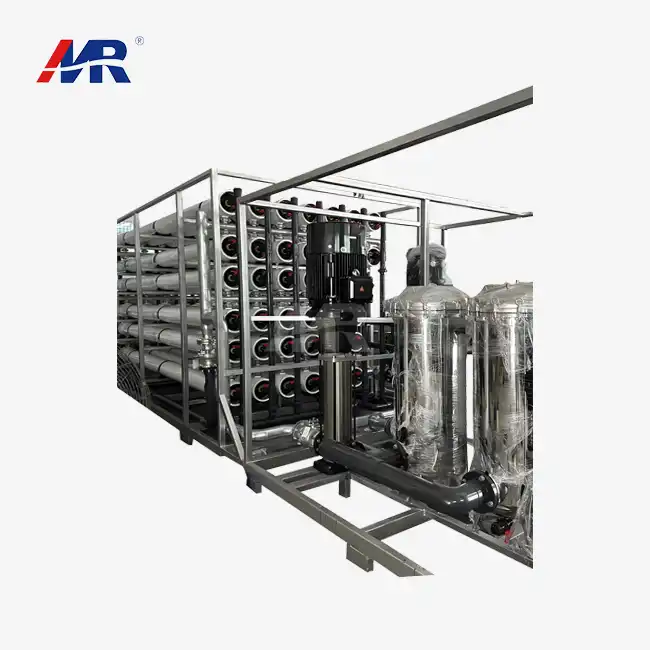 VIEW MORE150m3/hour reverse osmosis plant
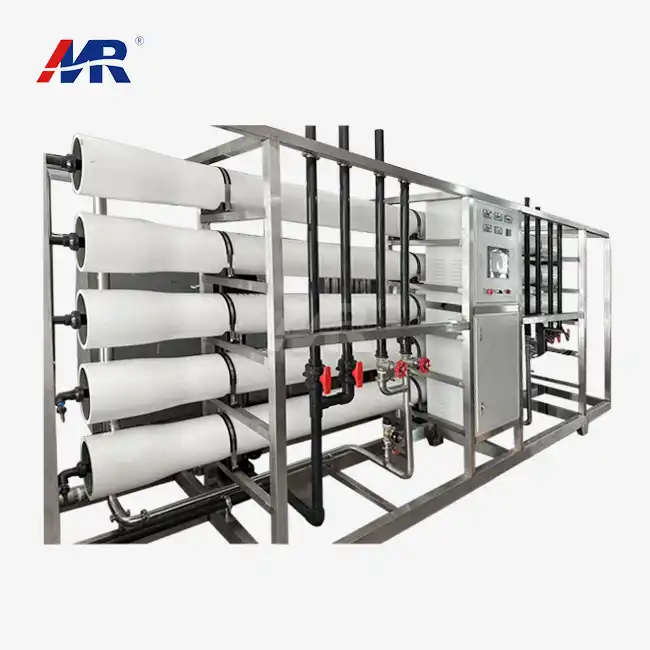 VIEW MORE25m3/hour reverse osmosis equipment
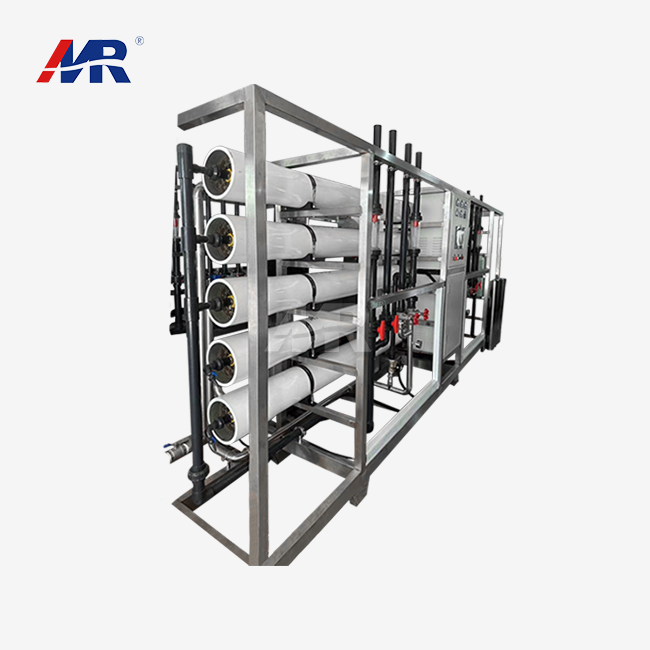 VIEW MOREhighest rated reverse osmosis system
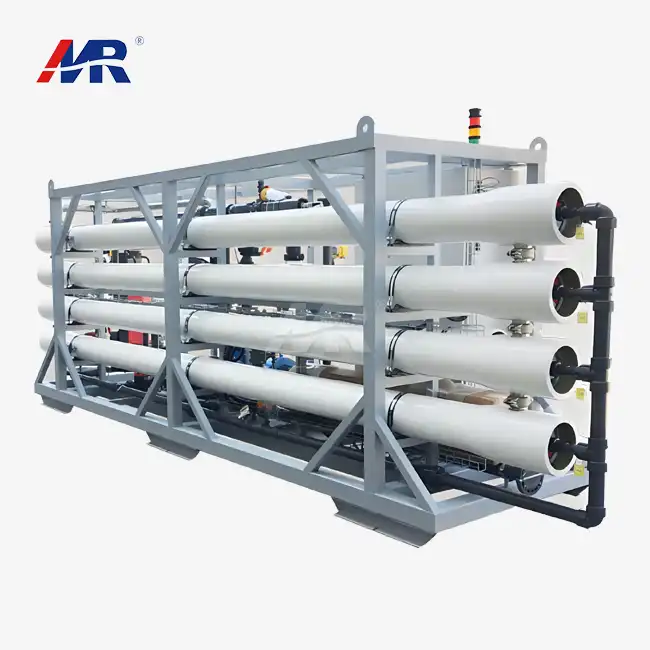 VIEW MORE12m3/hour seawater desalination equipment
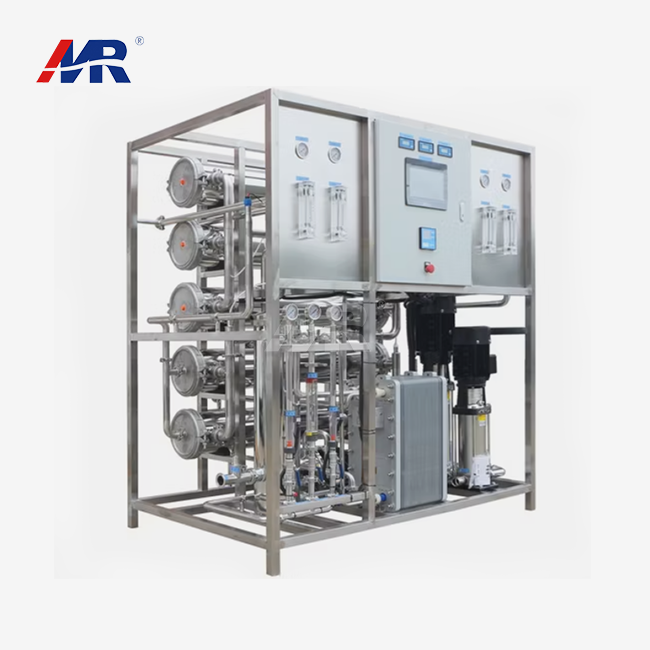 VIEW MOREro edi water system
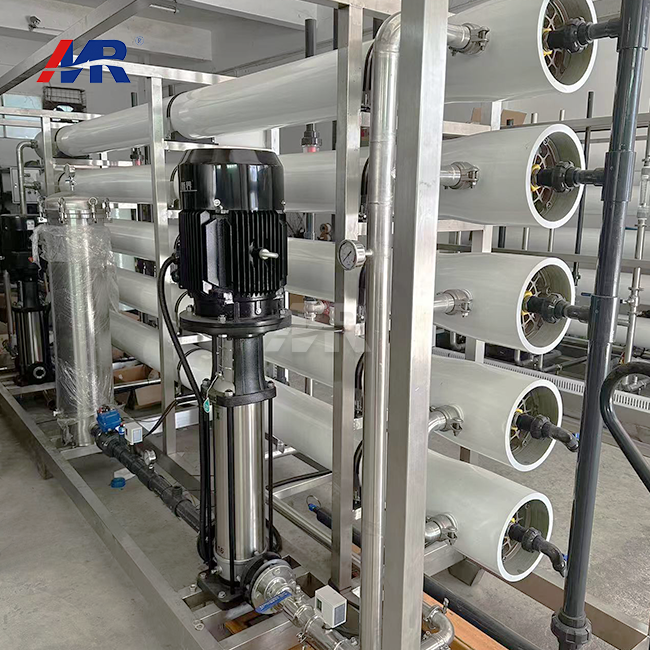 VIEW MOREosmosis water purification system
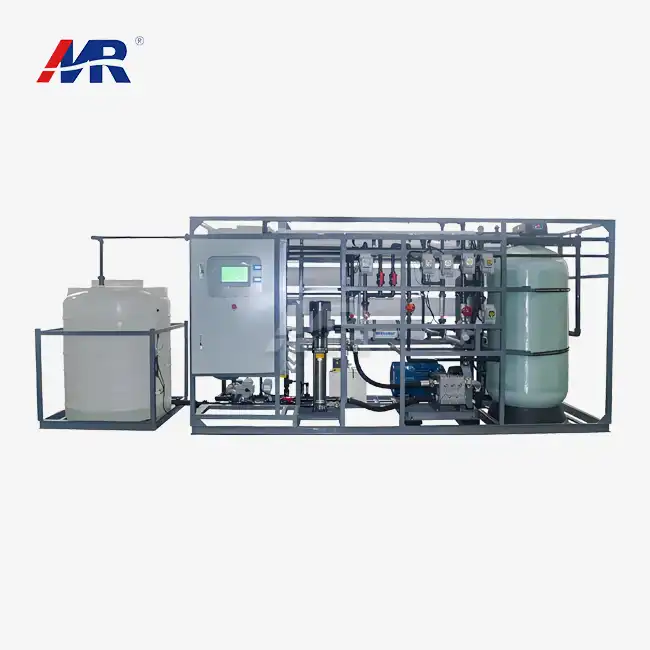 VIEW MORE5m3/hour seawater desalination equipment
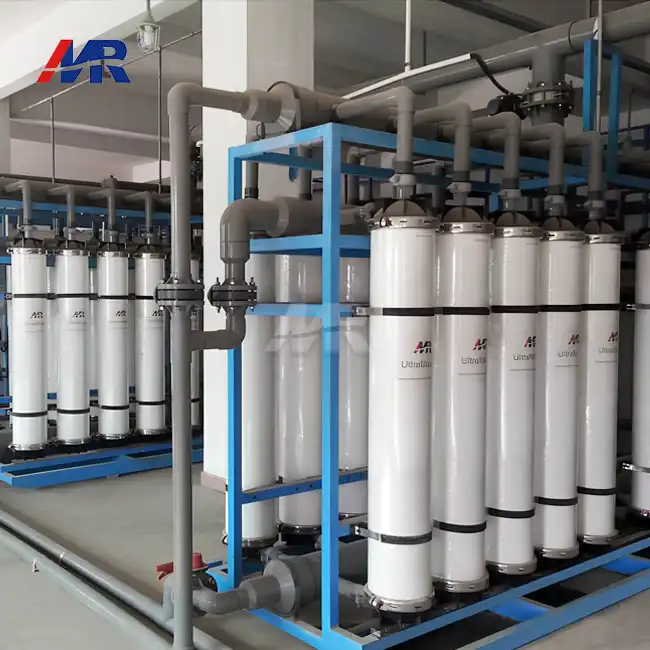 VIEW MORE200m3/hour ultrafiltration equipment
