_1745823981883.webp)

Where Brazil Distributors Buy Container RO Equipment in China?
Distributors in Brazil mostly get container RO equipment from China, specifically from Guangdong, Zhejiang, and Jiangsu provinces, which are well-known manufacturing hubs. A lot of companies that clean water specialize in portable reverse osmosis systems that are housed in normal shipping containers. Brazilian buyers can get in touch with Chinese sellers through business-to-business (B2B) sites, trade shows like China Water Expo, and direct contacts with manufacturers. The containerized design makes shipping to Brazilian ports quick and easy. It also provides plug-and-play water cleaning options for industry, food processing, and public sectors.
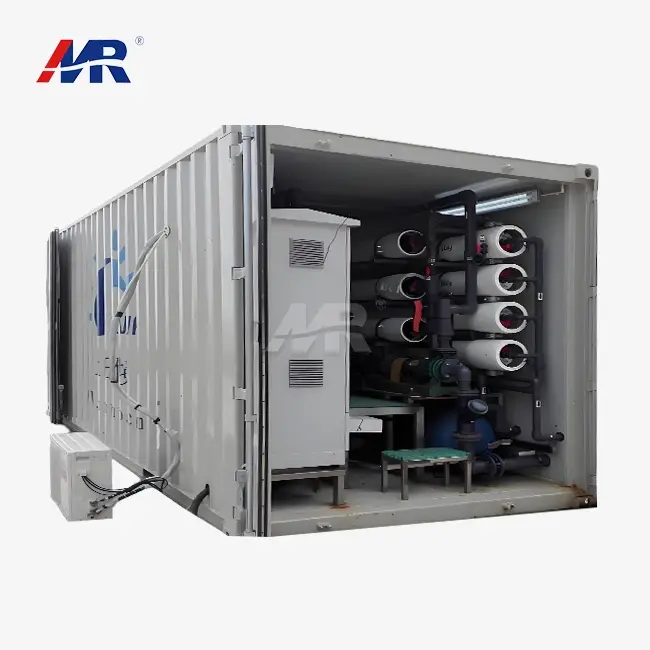
Understanding Container RO Equipment: Key Concepts for Brazilian Distributors
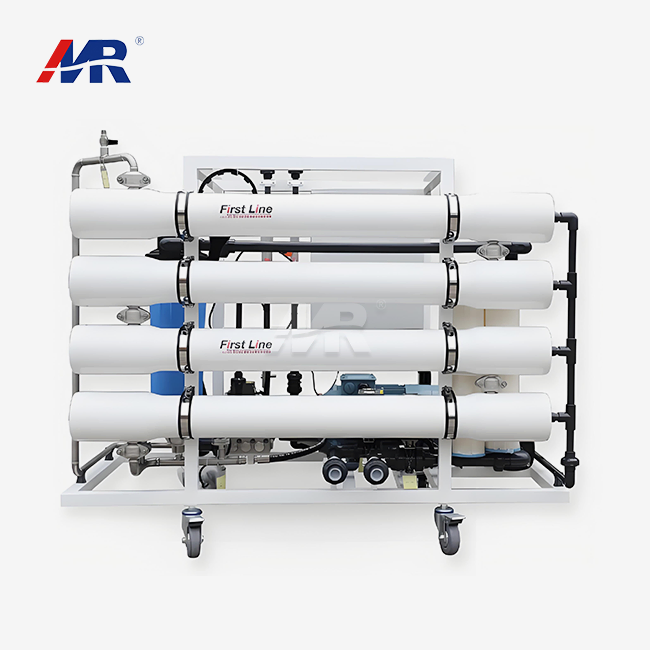
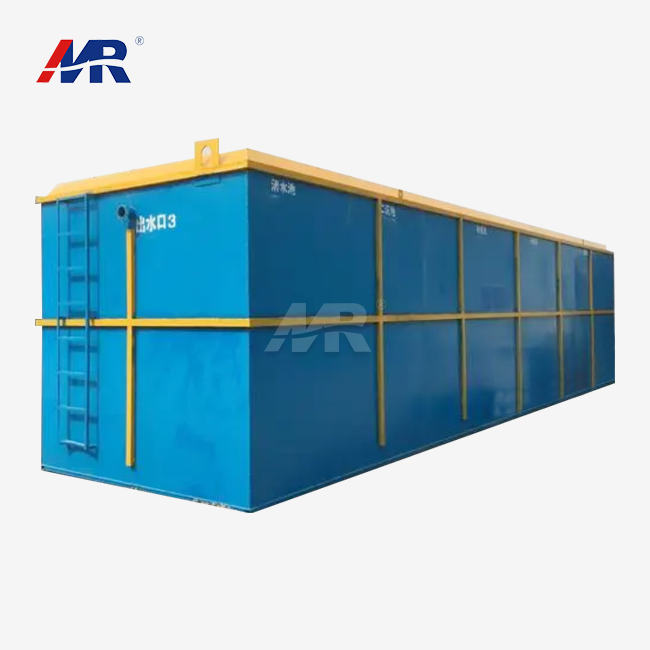
Container reverse osmosis equipment is a completely new way to treat water in factories because it combines cutting-edge technology for cleaning with great portability. These all-in-one systems combine several water treatment steps into standard shipping containers. This makes them portable and able to provide industrial-grade water purification wherever it's needed.
Fundamental Working Principles of Container RO Systems
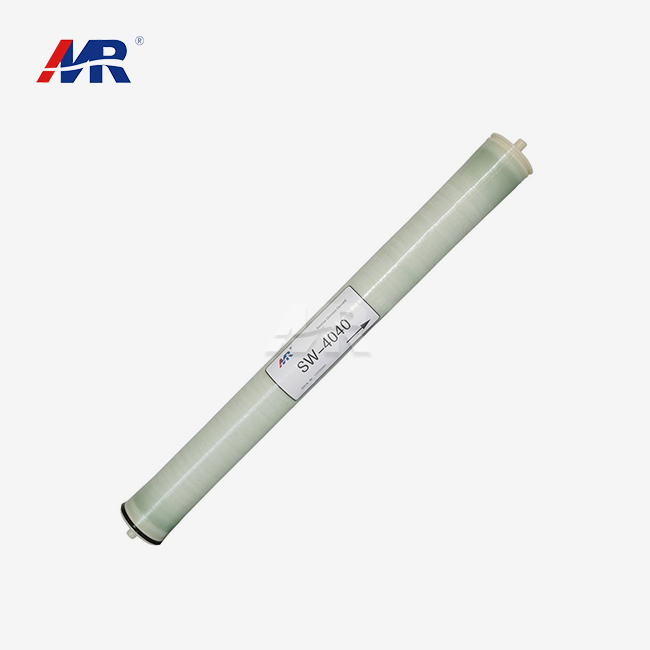
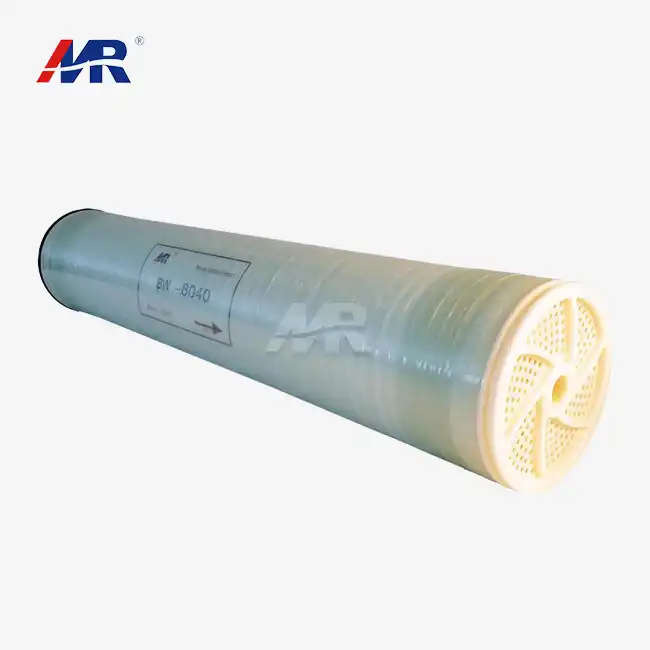
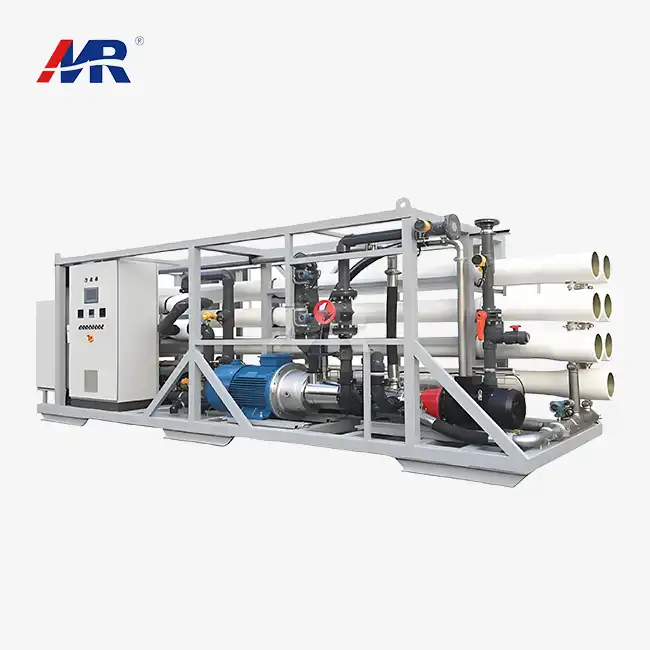
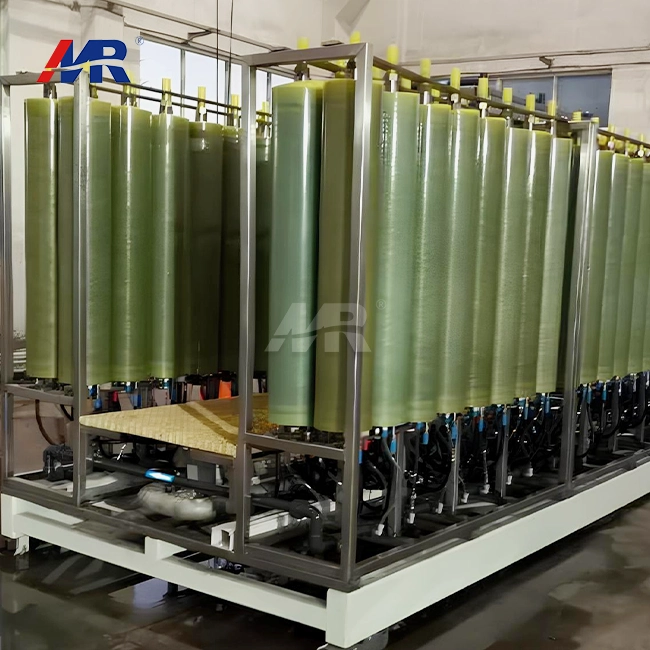
The main idea behind the technology is semi-permeable membrane filtering, which cleans source water by getting rid of dissolved salts, microbes, and other toxins. Before it gets to the reverse osmosis membranes, raw water goes through a number of cleaning steps, such as activated carbon adsorption, microfiltration, and multimodal filtration. High-pressure pumps push water molecules through special membranes while bigger contaminants are pushed away. This makes clean permeate water and concentrated reject streams.
Most modern containerized systems can collect up to 75% of the water that goes through them, which means that three-quarters of the water that comes in is cleaned and sent out. The leftover concentrate takes away the contaminants that were removed, making an effective cleaning cycle that keeps water quality standards the same even when the source conditions change.
Variety of Container RO Types Available from China
Chinese makers offer a wide range of designs that are made to fit the needs of different industries. Standard 20-foot containers can hold systems that can produce 50 to 200 m³ per day, while 40-foot containers can hold bigger setups that can produce 200 to 500 m³ per day. Specialized designs include desalination units for seawater with better preparation, systems for salty water that work best in rural settings, and ultrapure water equipment with extra steps for cleaning.
Modern flexible designs let you increase capacity by deploying containers in parallel, which gives you the flexibility to meet growing business needs. Modern units have smart control systems that let you monitor them from afar and set up automatic cleaning cycles and maintenance alerts that improve performance while making operations simpler.
With all of these benefits, containerized reverse osmosis technology is a great choice for Brazilian wholesalers who want reliable, flexible water treatment equipment that blends tried-and-true technology with operating freedom.
Why Brazil Distributors Prefer Container RO Equipment from China?
Chinese container RO systems and equipment have gained significant traction among Brazilian distributors due to compelling advantages that address specific market needs and operational requirements. The combination of technological innovation, cost efficiency, and manufacturing expertise creates attractive value propositions for businesses across multiple industries.
Superior Cost Efficiency and Competitive Pricing
Chinese manufacturers leverage economies of scale and established supply chains to deliver containerized water treatment solutions at highly competitive price points. Production costs remain substantially lower than European or North American alternatives while maintaining comparable technical specifications and performance standards. This cost advantage enables Brazilian distributors to achieve better profit margins while offering competitive pricing to end customers.
Volume production capabilities allow Chinese suppliers to offer attractive bulk pricing for large orders, supporting distributors who serve multiple industrial clients simultaneously. Flexible payment terms and financing options reduce upfront capital requirements, making advanced water treatment technology accessible to smaller Brazilian enterprises that might otherwise delay equipment purchases.
Compact Modularity and Innovation Leadership
The modular design philosophy embraced by Chinese manufacturers creates exceptional deployment flexibility that resonates with Brazilian industrial requirements. Standardized container dimensions ensure compatibility with existing transportation infrastructure, while plug-and-play functionality minimizes installation complexity and commissioning time.
Here are the key technological innovations that distinguish Chinese container RO systems:
- Smart Control Integration: Advanced automation reduces operational complexity while providing real-time performance monitoring and remote diagnostic capabilities
- Scalable Architecture: Modular expansion capabilities allow capacity increases without complete system replacement
- Energy Optimization: Low power consumption designs (3-4 kWh/m³) reduce operating costs while maintaining high recovery rates.
- Corrosion-Resistant Materials: Advanced material selection ensures extended service life in challenging environmental conditions
These innovations effectively address common challenges faced by Brazilian operations, including remote site deployment, skilled operator availability, and long-term maintenance requirements.
Chinese manufacturers continue investing heavily in research and development, consistently introducing enhanced membrane technologies, improved energy efficiency, and expanded automation capabilities that keep their offerings at the forefront of global water treatment technology.
How to Select and Procure Container RO Equipment from China for Brazilian Markets?
To buy containerized water treatment systems successfully, you need to carefully consider the supplier's skills, technical requirements, and business terms. Brazilian wholesalers can get better results for their market needs if they know the key selection factors and buying methods that work best for them.
Essential Supplier Evaluation Criteria
In the water treatment business, long-term relationships that work well depend on suppliers being reliable. ISO approvals, third-party testing reports, and written performance records across a wide range of uses show that well-known makers consistently produce high-quality goods. Modern production tools, quality control systems, and enough space to meet delivery promises should be kept up by manufacturing sites.
Communication response shows that a seller wants the customer to succeed and will continue to help them. Reliable makers offer technical help in multiple languages, clear instructions, and quick answers to technical questions. Engineering skills allow customization services that change standard designs to fit the needs of the Brazilian business world or to meet government regulations.
Pricing Structures and Commercial Considerations
A full price analysis takes into account the costs of the equipment, the shipping, the help with installation, and the ongoing care needs. Clear price structures separate the costs of basic equipment from the costs of extra features. This lets wholesalers find the best options for each customer based on their budgets and the needs of the application.
Standard setups usually have lead times between 6 and 12 weeks. Customized systems may need more planning and manufacturing time. Chinese providers usually can handle faster delivery times for pressing needs, but you may have to pay more for faster production times.
Letter of credit agreements, staged payment plans that are matched with manufacturing goals, and equipment rental programs that lower upfront capital needs are all types of financing that can be used for international business-to-business deals. These adaptable business terms help wholesalers serve customers with a range of buying tastes and financial situations.
Strategic bulk purchasing saves a lot of money on container or equipment and makes sure that there is enough product to meet customer needs right away. When you commit to a certain volume, you can often get better technical help on container or equipment, better prices on new parts for container or equipment, and priority ordering for production during times of high demand.
Maintenance, Installation, and Operational Tips for Brazilian Users
The best performance and longer life for containerized reverse osmosis machines are guaranteed by proper installation and routine upkeep. Brazilian managers would benefit from learning about the best ways to make systems more reliable while reducing downtime and repair costs.
Best Practices for System Deployment
Level underpinnings that can support the weight of a fully loaded container, good drains for getting rid of waste water, and electrical lines that meet system standards are some of the things that need to be done to prepare the site. The right placement makes sure that there is enough space for repair workers to get to the equipment and protects it from the harsh weather that is typical in Brazilian factories.
Initial commissioning includes a set of organized starting steps that make sure all system parts work properly before output starts. Professional installation by experienced workers makes sure that everything is set up correctly and sets average performance standards that can be used for ongoing tracking and improvement.
Maintenance Schedules and Troubleshooting Strategies
Routine maintenance schedules typically include daily visual inspections, weekly parameter logging, monthly membrane performance evaluations, and quarterly comprehensive system reviews. Regular monitoring of key indicators, including pressure differentials, flow rates, and water quality parameters, enables early detection of potential issues before they impact production.
Common challenges such as membrane fouling respond well to established cleaning protocols using approved chemical solutions. Pressure inconsistencies often indicate prefilter saturation or pump performance degradation, while declining recovery rates may signal membrane replacement needs or system scaling issues.
Here are critical maintenance elements that ensure consistent performance:
- Prefilter Replacement: Regular cartridge changes prevent membrane damage while maintaining optimal feed water quality
- Chemical Cleaning Cycles: Scheduled cleaning removes accumulated deposits that reduce membrane efficiency.
- Pump Maintenance: Periodic inspection and service prevent unexpected failures that halt production
- Control System Calibration: Regular sensor calibration ensures accurate monitoring and automated responses.
With these repair practices, you can protect your investments in equipment and keep the water quality at a level that meets the needs of industry uses.
Using provider technical help gives you access to specialized knowledge for difficult problem-solving situations, emergency fixes, and advice on how to improve performance. Well-known companies keep extra parts on hand for container or equipment and offer expert support to keep downtime to a minimum. Proper care and repair can also stretch the life of equipment.
Conclusion
Brazilian distributors have established reliable procurement channels for container RO equipment through China's specialized manufacturing regions, particularly Guangdong province, where companies like Morui Environmental Technology provide comprehensive water treatment solutions. The combination of competitive pricing, advanced technology, and flexible customization capabilities makes Chinese suppliers attractive partners for Brazilian industrial markets. Successful procurement depends on careful supplier evaluation, clear technical specifications, and ongoing support relationships that ensure optimal equipment performance. By leveraging established trade relationships and proven technologies, Brazilian distributors can confidently serve their domestic markets while building sustainable business growth through reliable Chinese manufacturing partnerships.
FAQ
1. What are typical lead times for container RO equipment delivery to Brazil?
Standard containerized reverse osmosis systems typically require 6-8 weeks for manufacturing and an additional 2-3 weeks for ocean freight to major Brazilian ports. Customized configurations may extend manufacturing time to 10-12 weeks depending on specification complexity. Expedited production schedules can reduce lead times by 2-3 weeks when required for urgent applications.
2. How do energy consumption levels compare with other water purification technologies?
Modern container RO systems achieve energy consumption of 3-4 kWh/m³, significantly lower than thermal distillation methods that typically require 10-15 kWh/m³. Compared to UV disinfection systems that consume 1-2 kWh/m³, reverse osmosis provides comprehensive contaminant removal rather than disinfection alone, making the energy investment cost-effective for applications requiring high-purity water production.
3. Can container RO equipment be customized for specific Brazilian industrial processes?
Comprehensive customization capabilities accommodate diverse Brazilian industrial requirements, including specialized membrane configurations, enhanced pretreatment systems, and custom monitoring protocols. Food and beverage applications receive sanitary design modifications, while pharmaceutical installations include validation documentation and GMP-compliant materials. Electronics manufacturing configurations feature additional polishing stages for ultrapure water production.
4. What maintenance support is available for Brazilian operators?
Technical support includes remote diagnostic capabilities, comprehensive maintenance documentation in Portuguese, and local service partner networks for routine maintenance and emergency repairs. Preventive maintenance programs provide scheduled service visits, while training programs ensure Brazilian operators understand proper system operation and troubleshooting procedures.
Call to Action: Start Your Procurement Journey with Trusted Chinese Container RO Equipment Suppliers
Brazilian distributors seeking reliable, cost-effective water treatment solutions can begin their procurement journey by connecting with Morui's experienced sales team. Our container RO equipment supplier capabilities encompass comprehensive product customization, competitive pricing structures, and dedicated support services tailored specifically for Brazilian market requirements. Contact benson@guangdongmorui.com for detailed specifications, technical consultations, and sample system evaluations that demonstrate our commitment to customer success. Visit moruiwater.com to explore our complete product portfolio and discover how our proven solutions can strengthen your competitive position across Brazil's diverse industrial sectors.
References
1. International Water Association. "Industrial Water Treatment Market Analysis: Brazil and China Trade Dynamics." Water Industry Report, 2023.
2. Brazilian Association of Water Treatment Equipment Distributors. "Market Analysis: Containerized Water Treatment Systems in Brazilian Industry." Annual Industry Survey, 2023.
3. China Chamber of Commerce for Import and Export of Machinery and Electronic Products. "Water Treatment Equipment Export Statistics: Brazil Market Focus." Trade Analysis Report, 2024.
4. Brazilian Development Bank Industrial Research Division. "Water Treatment Technology Adoption in Brazilian Manufacturing Sectors." Economic Development Study, 2023.
5. Guangdong Environmental Technology Manufacturers Association. "Container RO Equipment Production Standards and Export Guidelines." Technical Standards Publication, 2024.
6. Brazil-China Industrial Cooperation Council. "Water Treatment Equipment Trade Relations: Market Opportunities and Partnership Development." Bilateral Trade Study, 2023.