_1745823981883.webp)

Complete Guide to Choosing the Best OEM/ODM Ultrafiltration Membranes for Water Treatment
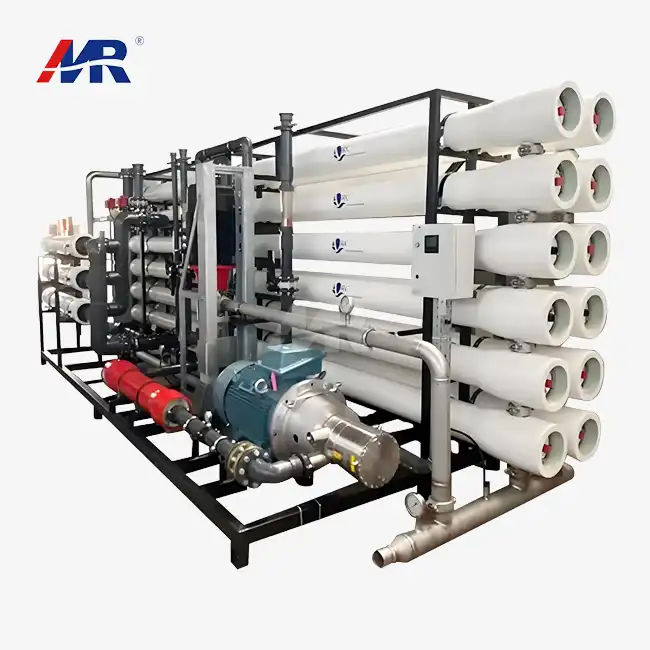
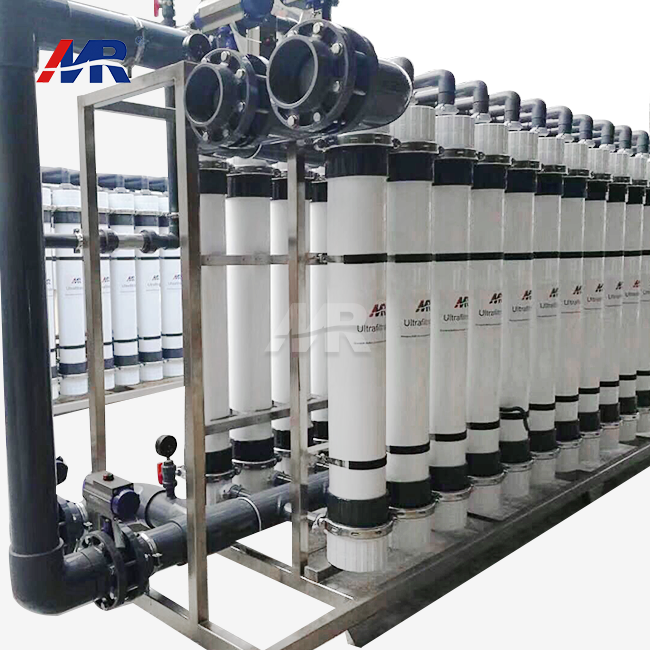
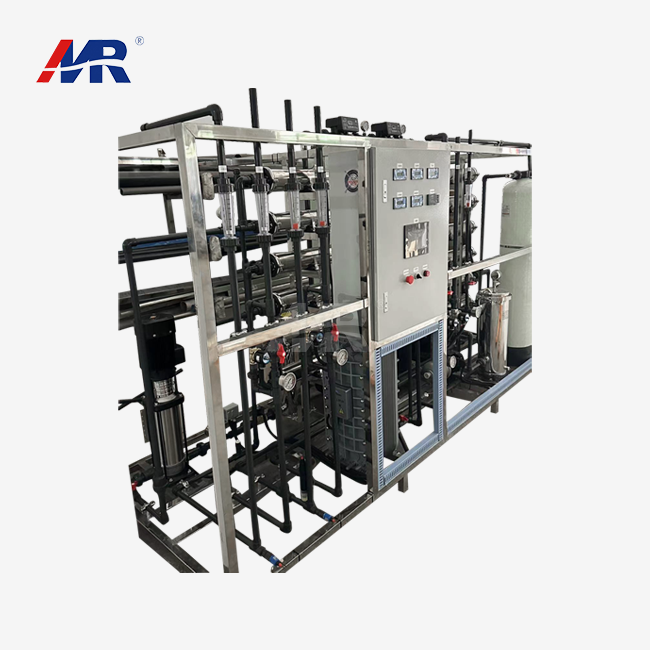
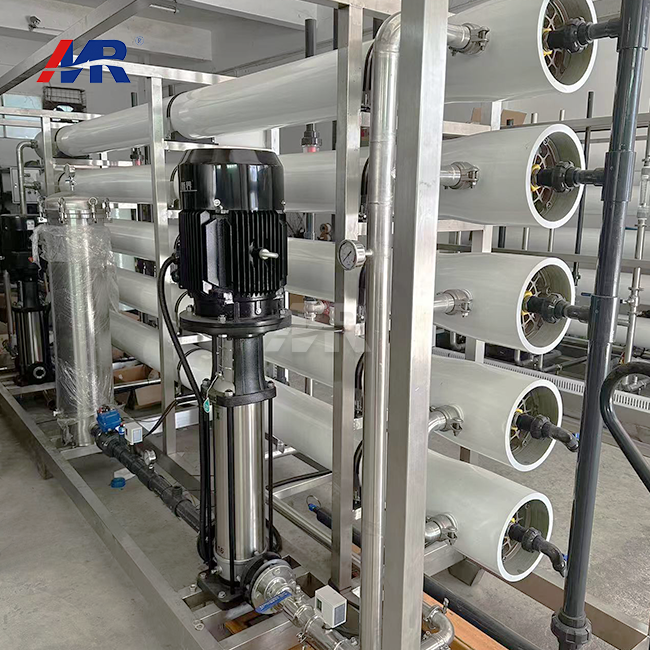
Choosing the right membrane/ultrafiltration-membranes-for-water-treatment">ultrafiltration membranes for water treatment is a very important choice for factories that make things, process food, make drugs, or work with the government. Ultrafiltration systems for water treatment today use advanced membrane technology to get rid of 99.99% of germs and 99.999% of viruses. This makes the water quality excellent while still being efficient. This detailed guide on ultrafiltration membranes for water treatment goes over important selection criteria, performance measures, and ways to evaluate suppliers in order to help procurement professionals find the best OEM/ODM membrane options that are both cost-effective and reliable and work well over time.
Understanding Ultrafiltration Membranes for Water Treatment
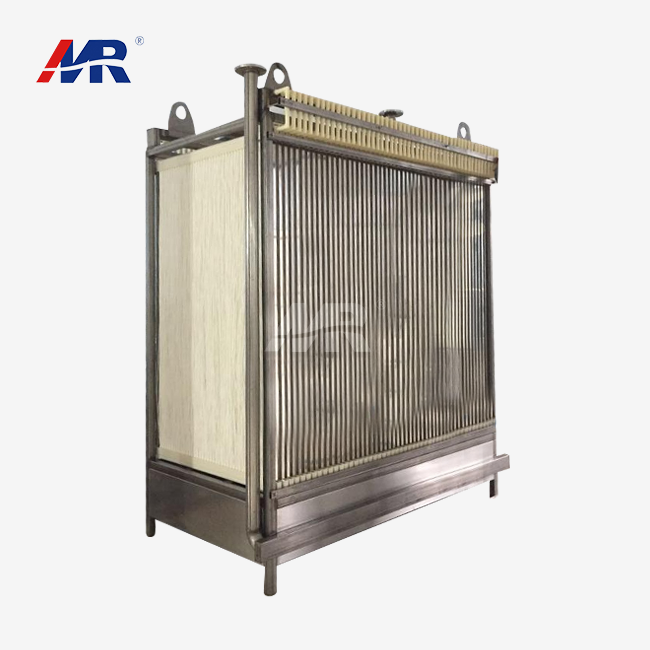
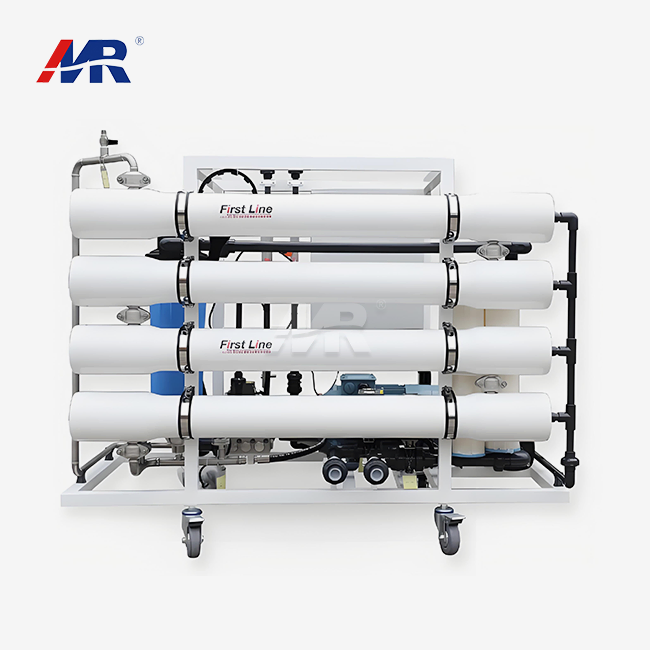
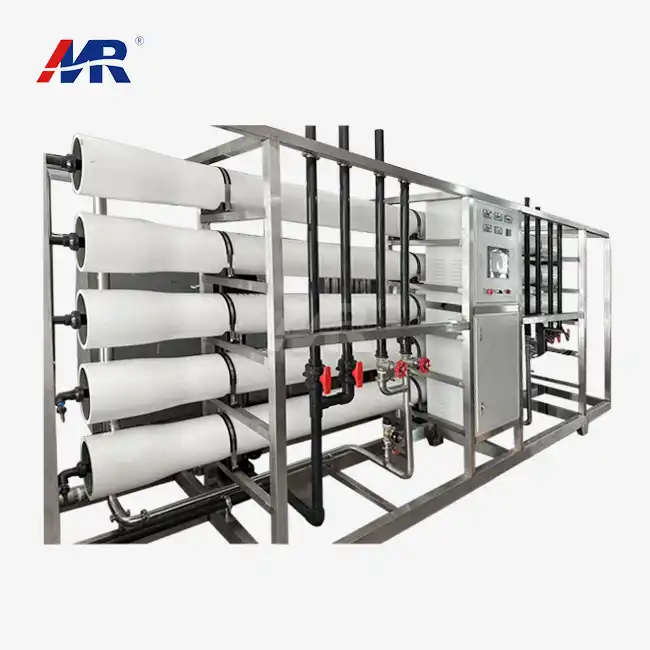
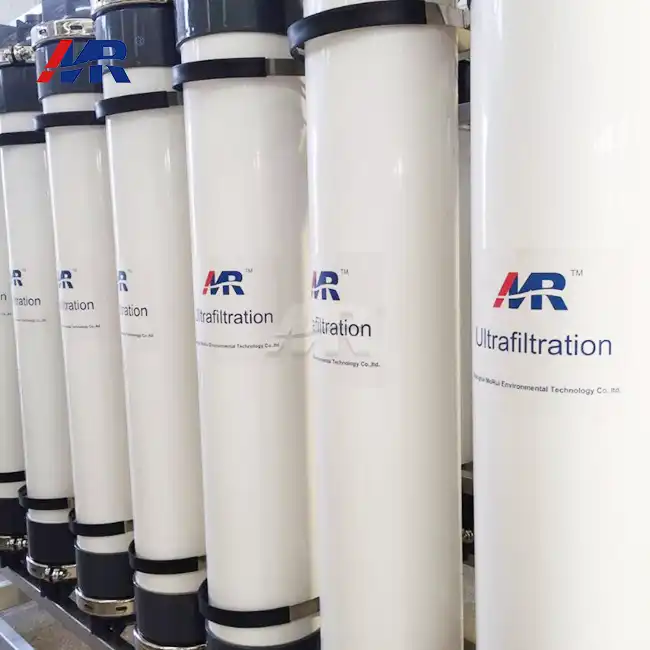
Ultrafiltration is one of the most important technologies for getting rid of contaminants in water. Modern membrane filtration technology has changed how water is treated in many industry areas. These high-tech membrane systems use physical separation processes to get rid of bacteria, viruses, macromolecular contaminants, and floating particles while keeping the minerals that are needed.
Filtration Mechanism and Pore Size Technology
Ultrafiltration membranes work by excluding things that are too big or too small. They do this by using very small pores (0.1 to 0.01 microns) to separate certain things. This range of hole sizes puts ultrafiltration in the middle of microfiltration and reverse osmosis. It effectively gets rid of colloids, proteins, bacteria, and viruses while letting water molecules and dissolved salts pass through.
When compressed feed water hits the membrane surface, the physical separation process starts. On the feed side, contaminants bigger than the membrane holes are held back, while clean permeate water flows through to the collection system. This system maintains the quality of the water without adding any chemicals. This makes it very useful for uses that need highly pure water while still keeping the minerals in it.
Industrial Applications and Water Quality Enhancement
Different types of industries use membrane technology for different reasons, and each has its own water quality needs. When making medicines, ultrafiltration systems make process water that meets strict GMP standards. These systems get rid of pyrogens and bacterial contaminants while keeping the quality the same. These systems are used in food and drink businesses to keep Products safe and extend their shelf lives by getting rid of dangerous germs.
More and more, municipal water treatment plants are using membrane technology to improve the quality of drinking water and keep up with changing government rules. Studies show that ultrafiltration can make water clearer by removing pathogens at amazing rates, lowering turbidity from 0.5 NTU to 0.05 NTU. The technology is also useful as a preparation for reverse osmosis systems, keeping the membranes clean and working longer.
Key Criteria for Choosing the Best OEM/ODM Ultrafiltration Membranes
To pick the best ultrafiltration membranes for water treatment, you should carefully consider how they work, what kind of materials they are made of, and how they will be used. Buying teams can find providers who can give them custom solutions that work for their applications and don't break the bank if they know about these important factors.
Performance Metrics and Material Specifications
In many ways, you can tell that high-performance membrane devices are better at filtering than others. New hollow fiber membranes can handle flows of up to 150 LMH while keeping the water quality fixed. Flow rates are a key way to measure how well something works. It only needs 0.1 to 0.3 MPa of operating pressure, so it uses less energy than membrane systems that need higher pressure.
An important thing to consider when making a barrier is what kind of material it is made of. Materials made of PVDF and PVC can handle chlorine and acids very well, so they will last longer in rough water. These materials can work in a lot of different situations. They can handle changes in temperature and pH levels from -1°C to 40°C.
There isn't much trash because recovery rates are close to 95%. This means that water is being used effectively. This high recovery ability cuts running costs and helps the environment by getting the most clean water out of the water that goes in.
Fouling Resistance and Maintenance Requirements
Membrane fouling is the main operating problem that affects how well the system works and how much it costs to maintain. Modern membrane designs change the surface and use the best fiber arrangements to reduce the chance of fouling. Regular backwashing processes, which are usually controlled by control systems, get rid of particles that have built up and keep flow rates steady.
Chemical cleaning procedures help membranes work well for a long time by getting rid of organic and mineral deposits on a regular basis. Modern membrane materials can handle different cleaning chemicals, like acids, bases, and oxidizing agents. This lets all the gunk be removed while keeping the membrane's structure. Cleaning programs that work can bring back 90% or more of the original flux capacity, which makes membranes last longer.
Customization Capabilities and Technical Support
The best OEM/ODM companies give you a lot of ways to customize their products to solve particular water treatment problems. Custom membrane designs can work with different flow rate needs, room limitations, and water quality standards. Engineering support services help improve system designs and make sure they work with current systems and methods of operation.
Technical advice services are very helpful during the decision process because they help find the best membrane specs based on the features of the feed water and the goals of the treatment. Comprehensive testing programs make sure that membranes work well in real-world situations, which lowers the risks of execution and guarantees long-term dependability.
Market Comparison of Ultrafiltration Membranes: OEM/ODM Supplier Insights
There are both well-known and new companies in the global membrane market that offer competitive options for treating water in commercial settings. Knowing what a provider can do, what their products are like, and where they stand in the market helps you make smart purchasing choices that balance quality, cost, and service needs.
Industry Leaders and Technology Comparison
Companies that have been making membranes for a long time have created specialized technologies for different types of markets and uses. Most of the time, these companies have wide ranges of products that include different kinds of membranes, designs, and performance traits. Their investments in research and development lead to constant changes in technology, which improves resistance to fouling, raises flow rates, and extends operating life.
A study of the market shows that the total cost of ownership varies a lot between providers and membrane technologies. Even though original capital costs can be very different, routine costs like energy use, chemical use, and repair frequency have a big effect on long-term economics. Advanced membrane designs often make higher original investments worth it because they lower operating costs and make the membrane last longer.
OEM/ODM Partnership Benefits
Strategic relationships with membrane makers give you access to custom solutions and technical know-how that you can't get from standard product lines. OEM agreements make it possible for private marking and changes to specifications that meet the needs of a particular market. ODM partnerships help with the development of whole systems, such as integrating membranes, setting up control systems, and improving package design.
When it comes to business uses that need to run all the time, supply chain stability is especially important for ultrafiltration membranes for water treatment. Established providers keep up global transport networks and inventory management systems that help keep delivery times on track and provide Technical support. These skills are especially useful for foreign projects that need to organize supplies and get help from local service providers.
Practical Guide to Procuring Ultrafiltration Membranes for Industrial Water Treatment
Successful membrane procurement requires systematic supplier evaluation, technical validation, and careful attention to operational compatibility. Effective procurement strategies balance immediate cost considerations with long-term performance requirements, ensuring optimal value throughout the membrane lifecycle.
Supplier Verification and Sample Testing
Comprehensive supplier evaluation begins with verification of manufacturing capabilities, quality Certifications, and technical expertise. ISO 9001 certification demonstrates commitment to quality management systems, while industry-specific certifications such as NSF approval validate product safety for drinking water applications. Factory audits provide insights into manufacturing processes, quality control procedures, and production capacity.
Sample testing programs enable performance validation under actual operating conditions before committing to full-scale purchases. Pilot testing should encompass various operating scenarios, including different feed water qualities, flux rates, and cleaning protocols. Performance data collected during testing supports accurate system sizing and operational parameter optimization.
Bulk Purchasing and Logistics Considerations
Volume purchasing strategies can achieve significant cost savings while ensuring adequate inventory for operational needs and emergency replacements. Negotiated pricing structures often include volume discounts, extended payment terms, and preferential delivery scheduling. Long-term supply agreements provide price stability and guaranteed availability while supporting supplier relationship development.
International procurement requires careful attention to logistics, documentation, and regulatory compliance. Lead times for custom membrane configurations may extend several months, necessitating advance planning and inventory management. Proper packaging and shipping procedures ensure membrane integrity during transportation and storage.
Infrastructure Compatibility and Maintenance Planning
Membrane compatibility with existing infrastructure significantly influences installation costs and operational complexity. System integration considerations include piping connections, control system interfaces, and chemical feed requirements. Professional engineering support assists with compatibility assessment and modification recommendations.
Maintenance planning encompasses routine operational procedures, cleaning protocols, and replacement scheduling for ultrafiltration membranes for water treatment. Supplier-provided training programs ensure operational staff understand proper procedures for membrane handling, cleaning, and troubleshooting. Comprehensive maintenance programs can extend membrane life while maintaining optimal performance throughout the operational period.
Conclusion
Selecting optimal ultrafiltration membranes for water treatment requires careful evaluation of performance characteristics, supplier capabilities, and long-term operational requirements. Modern membrane technology delivers exceptional contaminant removal while supporting energy-efficient operation and minimal maintenance demands. Success depends on understanding specific application requirements, validating membrane performance through testing, and establishing partnerships with experienced suppliers capable of providing ongoing technical support and reliable product supply.
FAQ
1. What distinguishes ultrafiltration from reverse osmosis and nanofiltration membranes?
Ultrafiltration membranes feature larger pore sizes (0.01-0.1 microns) compared to reverse osmosis (0.0001-0.001 microns) and nanofiltration (0.001-0.01 microns) technologies. This difference enables ultrafiltration to remove bacteria, viruses, and suspended particles while allowing dissolved minerals to pass through, preserving natural water taste and nutritional content. Operating pressures remain significantly lower than reverse osmosis systems, reducing energy consumption and operational costs.
2. How do I select appropriate membrane pore sizes for my specific application?
Membrane pore size selection depends on target contaminants and water quality objectives. Applications requiring bacterial and viral removal typically utilize 0.01-0.02 micron membranes, while suspended solids removal may accommodate larger pore sizes up to 0.1 microns. Feed water analysis helps identify specific contaminants and appropriate membrane specifications. Technical consultation with membrane suppliers provides valuable guidance for optimal pore size selection.
3. What practices minimize fouling and extend membrane operational life?
Effective fouling prevention combines proper pretreatment, optimized operating conditions, and regular maintenance protocols. Pretreatment systems remove coarse particles and adjust feed water chemistry to minimize fouling potential. Regular backwashing cycles, typically automated, remove accumulated particles before significant flux decline occurs. Chemical cleaning programs using appropriate agents restore membrane performance while maintaining material integrity.
Partner with Morui for Superior Ultrafiltration Membrane Solutions
Industrial procurement managers seeking reliable ultrafiltration membranes for water treatment can benefit from Morui's comprehensive manufacturing capabilities and global service network. Our experienced engineering team provides expert consultation on customized membrane solutions, helping you optimize water treatment operations while achieving superior performance and cost-effectiveness. Contact benson@guangdongmorui.com today to discuss your specific requirements, request detailed product specifications, or arrange sample testing. As a trusted ultrafiltration membranes for water treatment supplier, we deliver complete solutions backed by technical expertise and worldwide support services.
References
1. American Water Works Association. "Membrane Technology Research Committee Report on Ultrafiltration Applications in Municipal Water Treatment." Journal of Water Treatment Engineering, 2023.
2. International Membrane Science Association. "Industrial Membrane Performance Standards and Testing Protocols for Water Treatment Applications." Membrane Technology Handbook, 2023.
3. Water Quality Research Institute. "Comparative Analysis of Membrane Fouling Mechanisms in Industrial Ultrafiltration Systems." Water Treatment Technology Review, 2022.
4. Global Water Technology Council. "Economic Assessment of Membrane Technology Implementation in Industrial Water Treatment Facilities." Industrial Water Management Journal, 2023.
5. Environmental Protection Technology Commission. "Regulatory Guidelines for Membrane-Based Water Treatment Systems in Industrial Applications." Water Safety Standards Manual, 2023.
6. Industrial Water Treatment Association. "Best Practices for Membrane Procurement and Supplier Evaluation in Large-Scale Water Treatment Projects." Procurement Guidelines for Water Technology, 2022.