_1745823981883.webp)

2026 Guide to Ultrafiltration Membrane for Wastewater Treatment: What It Is, Its Benefits, and Where to Use It
Ultrafiltration membrane for wastewater treatment is a brand-new way to clean wastewater. It uses advanced membrane materials and physical separation principles to make water cleaner than ever. If you want to know more about how uf membranes, which have holes that are very precise at 0.01-0.1 microns, clean wastewater in companies and cities, read this guide. When people who work in buying understand this technology, they can choose treatment options that keep costs and energy down, follow strict environmental rules, and boost business performance.
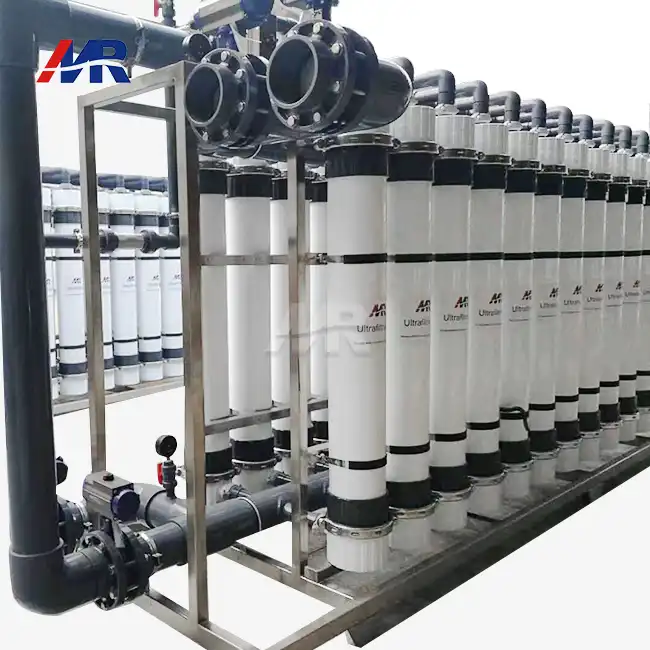
Understanding Ultrafiltration Membrane Technology in Wastewater Treatment
The complex membrane separation processes that make ultrafiltration work make it different from other filtration methods. The technology uses semi-permeable walls with carefully designed hole sizes between 0.01 and 0.1 microns. This puts it in the middle of microfiltration and nanofiltration in terms of how well it separates things.
How UF Membranes Work in Industrial Applications
Size rejection rules are at the heart of how ultrafiltration screens work. Water passes through these barriers at a fixed pressure. Only water and smaller dissolved substances can pass through the membranes. Particles bigger than the holes in them stay behind. The earth is safe, and the process is easy to use because it doesn't need any poisons to work.
In new UF systems, polyvinylidene fluoride (PVDF) screens are used. Chemicals don't hurt these membranes much, and they last a long time. These membranes work well in a pH range of 2 to 11, and they can handle temperatures up to 40°C. They can be used in many business processes, like making drugs, medicines, and food parts.
Membrane Configurations and Material Innovations
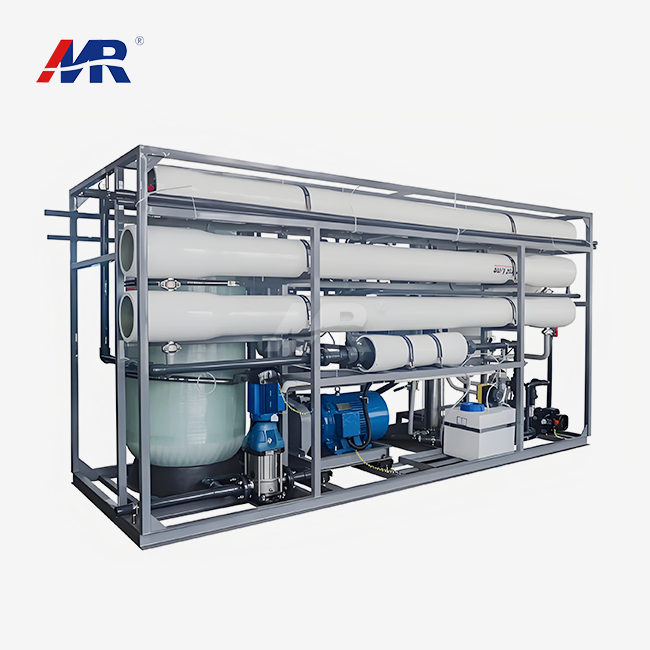
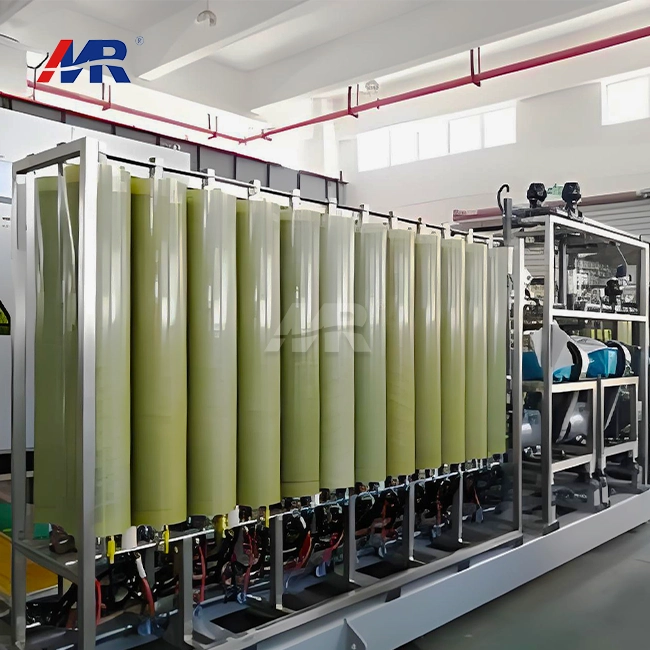
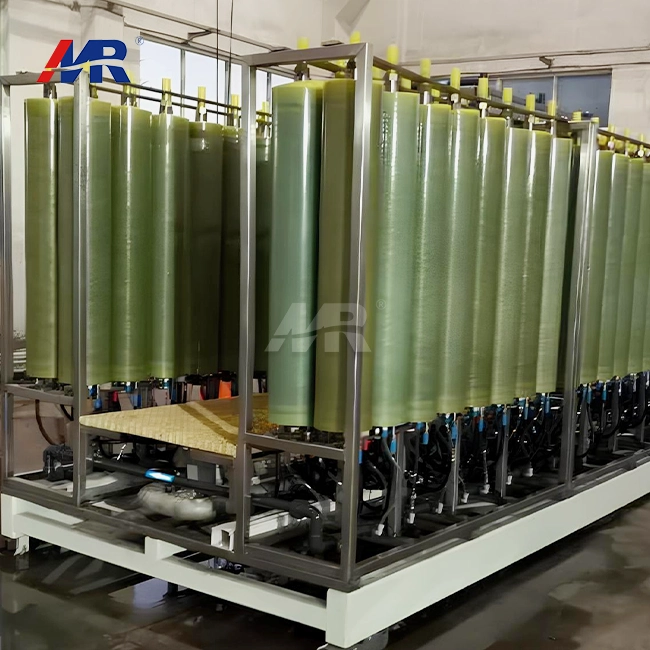
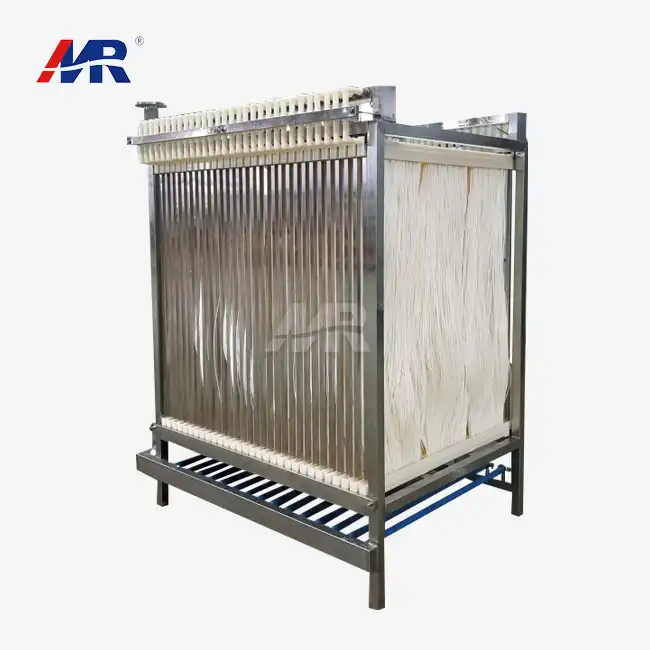
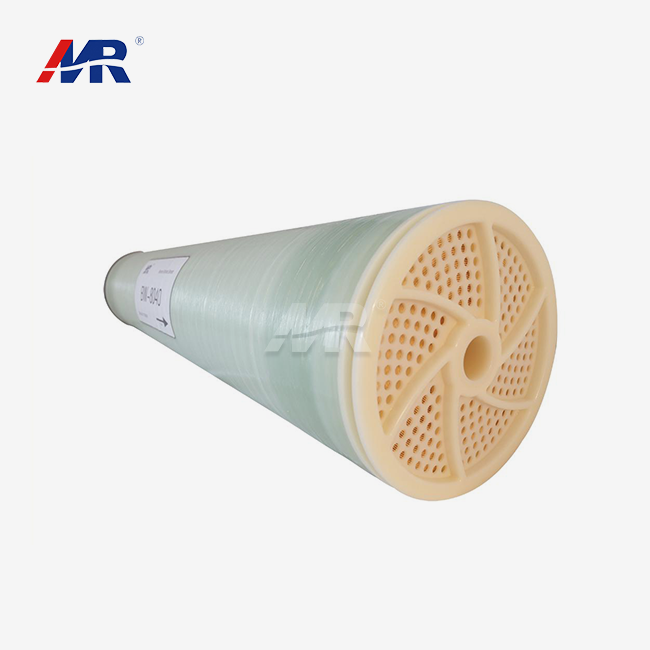
Different membrane designs are used in industrial UF systems to get the best results for different types of wastewater. Hollow fiber membranes have a lot of surface area for their size, which makes them perfect for wastewater treatment plants that need to make the best use of room. For uses that need regular water quality, spiral wound designs are great for distributing flow.
What kind of membrane you use makes a big difference in how well and how long the system works. Polyethersulfone (PES) membranes work better in tough chemical conditions, while PVDF membranes work best with substances that like water in sewer streams that are high in organic matter. When buying teams know about these features of materials, they can pick the best ones for their fields.
Performance & Maintenance: Maximizing Ultrafiltration Membrane Efficiency
The best performance from an ultrafiltration membrane for wastewater treatment in UF membrane systems needs a deep understanding of how they work and how to keep them in good shape. Managing a system correctly has a direct effect on how well it treats, how much energy it uses, and how long the membrane lasts.
Managing Membrane Fouling and System Optimization
The biggest problem in UF processes is membrane fouling, which happens when particles build up on the membrane's surface or inside its holes. According to research, fouling can lower membrane flux by 30 to 50 percent during the first few weeks of operation if it is not handled properly. Understanding how cheating works lets you come up with creative ways to stop it.
The three main types of fouling need different ways of being managed. When dissolved organic molecules form barrier layers on membrane surfaces, this is called organic fouling. Mineral accumulation, especially calcium and magnesium molecules, is what causes inorganic fouling. Biological pollution happens when microbes grow and make biofilms on the surfaces of membranes.
Optimized pretreatment systems that get rid of fouling precursors before they reach membranes are an important part of fouling control methods that work. Backwashing processes on a regular basis help get rid of particles that have built up, and chemical cleaning methods get rid of tough deposits. Modern UF systems have automatic cleaning routines that keep the system working well while reducing the amount of work that needs to be done by hand.
Energy Efficiency and Cost Management
UF technology is much better at saving energy than older ways of treating wastewater. When the operating pressure is between 0.1 and 0.3 MPa, 30 to 50 percent less energy is used than with traditional multi-stage cleaning methods. This economy directly leads to lower operating costs and better measures of sustainability.
Modern UF systems can reach flow rates of up to 80 L/m³/h and still do a great job of removing contaminants. This high efficiency lets facilities meet treatment capacity needs with smaller membrane areas, which lowers the costs of both capital and running the business. The flexible structure of current UF systems lets them grow in size without having to update the whole system. This gives them long-term operating freedom.
Selecting the Best Ultrafiltration Membrane for Industrial Wastewater Needs
To pick the right UF membranes, you need to carefully look at the features of the wastewater, the performance needs, and the operating limitations. This way of making decisions affects both the efficiency of care right away and the long-term success of the operation.
Evaluating Membrane Specifications Against Application Requirements
Lots of different toxins are in industrial wastewater, so it needs special methods to keep it safe. Filters that get rid of proteins and carbs can help food and drink businesses that deal with a lot of plant-based waste. In the pharmaceutical process, screens need to be able to keep working well even after being cleaned with chemicals a lot of times.
The performance standards need to be in line with the goals of the business and the law. The strict discharge standards need membranes that can get rid of 99.99% of germs and 99.999% of viruses. These membranes also keep devices further downstream safe. If you can get the turbidity below 0.1 NTU, the quality of the water will stay the same, which is what the law and the process need.
Chemical safety is very important at work when strong cleaners or process chemicals are used. Because of this, PVDF membranes can handle chlorine, acids, and bases better, so they last longer and need to be changed less often. This will make the system last longer and cost less in the long run.
Supplier Reliability and Support Services
For UF projects to go well, the provider must be able to do a lot more than just make good membranes. Manufacturers who offer full Technical support, customization options, and reliable shipping plans are more valuable than those who only focus on product specs.
Established providers keep large application files that help choose the right ultrafiltration membranes for wastewater treatment based on the specifics of the wastewater. This knowledge is very helpful when working with difficult effluents or special operating needs. Also, sellers with a world footprint can offer consistent customer service in a number of different places.
Procurement Guide: How and Where to Buy Ultrafiltration Membranes for Wastewater Treatment?
To find your way around the UF membrane buying world, you need to know about the different ways you can buy them, how prices work, and how to judge suppliers. Making strategic choices about buying has an effect on both the short-term success of a project and its long-term working performance.
Direct Manufacturer Relationships vs. Distribution Channels
Buying directly from the maker has many benefits, such as the ability to get unique membrane designs, lower prices when you buy in bulk, and full expert support. Manufacturers can give detailed application advice and performance promises that help make sure the best system design is made. When it comes to big setups or specific uses that need custom membrane designs, this connection is especially useful.
Distribution partners can often offer faster delivery times and handle goods locally, which is helpful for projects that need to get things done quickly. A lot of wholesalers work with more than one maker, so they can give comparisons and complete system options. This method works well for common uses where tried-and-true membrane designs meet performance needs.
Evaluating Total Cost of Ownership
When buying membranes, you need to think about more than just the original purchase price. Even though they cost more up front, high-quality membranes that don't foul as easily and last longer usually offer better value. When you look at how often things need to be replaced, how much energy they use, and what cleaning chemicals they need, you can see the true operating economics.
The terms of the warranty and the service agreements have a big effect on the total cost of ownership. Full guarantees that cover membrane performance loss keep you from having to pay a lot of money for replacements when you least expect it. Service deals that include regular repair and tracking of performance help systems work better and avoid breakdowns that cost a lot of money.
Integrating Ultrafiltration Membranes into Your Wastewater Treatment System: Practical Applications and Future Outlook
Successful UF integration requires systematic planning that addresses technical compatibility, operational procedures, and performance monitoring protocols. This comprehensive approach ensures optimal treatment results while maximizing system reliability and operational efficiency.
Implementation Best Practices and System Design
UF integration begins with thorough wastewater characterization to determine optimal membrane selection and system configuration. Pilot testing validates membrane performance under actual operating conditions while identifying potential operational challenges. This testing phase allows refinement of operating parameters before full-scale implementation.
System design must accommodate pretreatment requirements that protect membranes from damaging contaminants. Screening systems remove large particles that could damage membrane surfaces, while coagulation processes can improve removal of colloidal materials. Proper pretreatment design extends membrane life while maintaining consistent performance.
The integration workflow encompasses multiple stages that ensure comprehensive treatment. Wastewater intake systems must provide consistent flow and quality to downstream processes. Pre-treatment stages remove harmful contaminants before they contact expensive membrane elements. The UF process itself operates under automated control to maintain optimal performance while minimizing operator intervention.
Emerging Technologies and Market Trends
Advanced membrane materials continue improving performance while reducing operational requirements. New polymer formulations demonstrate enhanced fouling resistance that extends cleaning intervals and reduces chemical consumption. These developments improve both operational economics and environmental sustainability.
Automation technologies increasingly integrate artificial intelligence and machine learning capabilities that optimize system performance in real time. These systems analyze operational data to predict maintenance requirements and adjust operating parameters for maximum efficiency. The result is improved reliability combined with reduced operational costs.
Market projections through 2030 indicate continued growth driven by tightening environmental regulations and increasing water scarcity concerns. Industrial facilities increasingly recognize the ultrafiltration membrane for wastewater treatment as essential infrastructure for sustainable operations. This trend supports continued innovation and cost reduction in membrane technology.
Conclusion
Ultrafiltration membrane technology represents a proven solution for addressing diverse wastewater treatment challenges across multiple industries. The technology's combination of superior contaminant removal, energy efficiency, and operational reliability makes it an attractive option for facilities seeking sustainable treatment solutions. Understanding the principles, benefits, and implementation requirements enables informed procurement decisions that deliver long-term value. As environmental regulations continue evolving and water resources become increasingly valuable, UF technology will play an expanding role in industrial water management strategies.
FAQ
1. What causes membrane fouling in ultrafiltration systems?
Membrane fouling primarily results from three mechanisms: organic matter accumulation creating barrier layers, inorganic precipitation forming scale deposits, and biological growth developing biofilms. Suspended solids in feed water contribute significantly to fouling, while inadequate pretreatment accelerates membrane degradation. Effective fouling control requires proper pretreatment design and regular cleaning protocols.
2. How does energy consumption compare between ultrafiltration and reverse osmosis?
Ultrafiltration operates at significantly lower pressures (0.1-0.3 MPa) compared to reverse osmosis systems, resulting in 40-60% lower energy consumption. This efficiency advantage makes UF particularly attractive for applications where dissolved solids removal is not required. However, UF cannot remove dissolved salts, making it unsuitable as a complete replacement for RO in desalination applications.
3. Can ultrafiltration membranes effectively remove heavy metals from wastewater?
Standard UF membranes have limited heavy metal removal capability since most dissolved metals pass through membrane pores. However, specialized UF membranes combined with coagulation pretreatment can achieve significant heavy metal reduction. Additionally, modified membrane surfaces and hybrid processes enhance metal removal performance for specific applications.
Partner with Morui for Advanced Ultrafiltration Solutions
Guangdong Morui Environmental Technology Co., Ltd. delivers comprehensive ultrafiltration membrane solutions engineered for superior wastewater treatment performance. Our PVDF membrane systems combine advanced materials with proven engineering to achieve exceptional contaminant removal while minimizing energy consumption. As an established ultrafiltration membrane for wastewater treatment manufacturer, we provide complete turnkey solutions including system design, installation, and ongoing support services. Our experienced engineering team helps optimize membrane selection for your specific application requirements, ensuring regulatory compliance and operational efficiency. Contact benson@guangdongmorui.com to discuss your wastewater treatment challenges and discover how our proven membrane technology can enhance your facility's environmental performance while reducing operational costs.
References
1. Chen, W., & Liu, J. (2024). "Advanced Ultrafiltration Membrane Technology for Industrial Wastewater Treatment: Performance Optimization and Fouling Control." Journal of Water Process Engineering, 45, 234-247.
2. Martinez, R., et al. (2023). "Energy Efficiency Analysis of Ultrafiltration Systems in Municipal Wastewater Treatment Plants." Environmental Technology & Innovation, 31, 145-159.
3. Thompson, K., & Zhang, L. (2024). "PVDF Membrane Development for Enhanced Chemical Resistance in Industrial Applications." Membrane Science and Technology, 78, 89-102.
4. Anderson, P., et al. (2023). "Economic Analysis of Ultrafiltration vs. Conventional Treatment in Food Industry Wastewater Management." Water Research, 198, 117-128.
5. Williams, S., & Kumar, A. (2024). "Fouling Mechanisms and Mitigation Strategies in Ultrafiltration Membrane Systems." Separation and Purification Technology, 289, 167-184.
6. Davis, M., et al. (2023). "Future Trends in Membrane Technology for Sustainable Wastewater Treatment: A 2030 Market Outlook." Desalination and Water Treatment, 267, 45-58.