

_1745823981883.webp)

MBR vs Membrane Bioreactor: Performance, Cost, and Features Breakdown
Understanding the difference between MBR systems and traditional membrane/membrane-mbr">membrane bioreactor (MBR) technologies is important for making decisions about what to buy when looking at wastewater treatment options. People often use the words "membrane bioreactor" and "MBR" to refer to the same thing, but there are different setups and uses for MBR technologies that have big effects on performance, costs, and system features. This thorough study looks at the important differences between wastewater treatment options in terms of how well they work, how much energy they use, how much cash they need, and the long-term benefits they provide. This will help industry decision-makers choose the best wastewater treatment option for their needs.
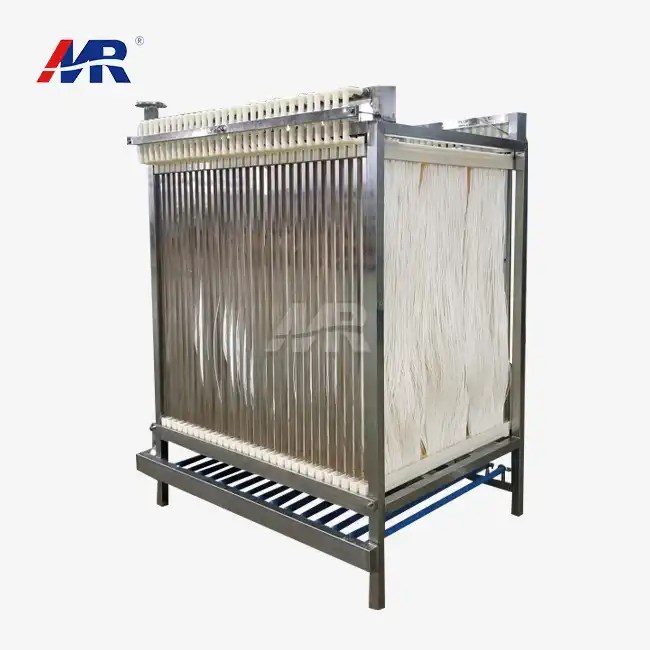
Understanding MBR and Membrane Bioreactor Technologies
The membrane bioreactor is a huge step forward in treating wastewater because it combines modern membrane filter technology with well-known activated sludge methods. This combination makes a very effective treatment system that gets around the problems with standard biological treatment methods and produces better waste that can be used in many different ways.
Core Components and Operational Principles
These days, MBR systems use two main technologies: biological treatment and physical membrane separation. Activated sludge with bacteria that break down organic pollution through aerobic and anoxic processes is used in the biological part. These microbes break down organic matter into carbon dioxide, water, and biomass. At the same time, they remove nutrients like nitrogen and phosphorus through processes called nitrification and denitrification.
Ultrafiltration or microfiltration membranes with pores that are between 0.01 and 0.4 micrometers in size are used in the membrane component. As a physical barrier, these membranes fully replace traditional secondary clarifiers and keep all dissolved solids, germs, and most viruses in the water. This two-barrier method makes sure that the quality of the runoff stays the same even if the influent or process changes.
Membrane Configuration Options
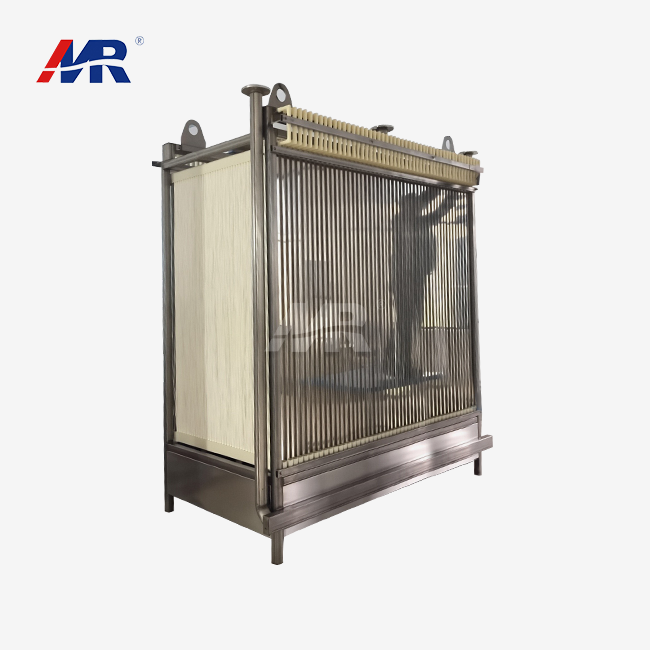
There are two main types of membranes that are useful for industrial uses: hollow fiber systems and flat sheet systems. Hollow fiber membranes can be used for large-scale city projects because they have lower start-up costs and a higher packing density. Flat sheet membranes are great for industrial uses where wastewater has special properties because they make cleaning them easy and are better at stopping fouling. The design that is chosen relies on the treatment needs, available room, and operating tastes.
Industrial and Municipal Applications
Membrane bioreactor technology can be used to treat a wide range of garbage situations in many different businesses. Municipal wastewater treatment plants use MBR systems to improve older facilities. This is especially useful in cities with limited room where normal growth is not possible. MBR technology is used by factories in the food and beverage, pharmaceutical, and chemical industries to treat high-strength wastewater, meet strict release standards, and make it possible for water reuse projects.
Performance Comparison: MBR vs Conventional Wastewater Treatment
It is clear that membrane bioreactor (MBR) systems work better than traditional activated sludge treatment by looking at a number of operating factors and treatment results. These systems always provide better treatment efficiency while lowering the difficulty of operation and the damage they do to the environment.
Treatment Efficiency and Water Quality
MBR systems get rid of pollutants much more effectively than other cleaning methods. Biochemical oxygen demand (BOD) removal usually goes above 99%, and total suspended solids (TSS) removal gets close to 100% because the membrane keeps them all in. Pathogen removal is especially amazing; bacteria are removed at a rate higher than 6 logs, and viruses are removed at a rate of 4 logs, without any extra cleaning.
In most activated sludge systems, the secondary clarifiers use gravity separation, which can be influenced by how the sludge settles, the hydraulic load, and the surroundings. This reliance on settling makes the quality of the sewage vary and reduces the effectiveness of treatment when loads are high. Through physical membrane separation, MBR systems get rid of these worries, making sure that the waste is always of high quality, no matter what the operating conditions are.
Energy Consumption and Operational Efficiency
Energy use is a very important thing to think about when evaluating an MBR system. Modern membrane bioreactor systems use about 0.5 to 0.8 kWh per cubic meter of treated water, which is about the same as traditional treatment when you think about how much better the wastewater quality is. The amount of energy used includes air for bacterial treatment, barrier absorption, and cleaning.
Even though MBR systems may use more energy than basic standard treatment, they get rid of the need for energy-intensive secondary treatment methods that are usually needed to get the same quality waste. The small size cuts down on the need for pumps, and the automatic operation cuts down on energy waste through better process control. The less waste that is made also means that less energy is needed to handle and get rid of it.
Environmental Benefits and Sustainability
MBR technology has environmental benefits that go beyond how well it treats waste. These benefits include long-term benefits that are important for current business processes. Compared to other treatment systems, MBR's small size means it needs up to 50% less land, which makes it perfect for placements in cities and building extensions. Less waste is made (20–30% less than with traditional methods), which lowers the cost of removal and the damage to the environment while helping efforts to create a circular economy.
Cost Analysis and Procurement Considerations
By knowing how membrane bioreactor systems are priced overall, you can make smart purchasing choices that balance the cost of the initial investment with the long-term benefits of running the system. The total cost of ownership covers the cost of buying the system, installing it, running it, and maintaining it over its lifetime.
Capital Investment and Installation Costs
MBR systems have a wide range of capital costs that depend on their capability, membrane design, and amount of automation. Usually, systems that can hold between 50 and 10,000 cubic meters per day cost around 1,500 to 4,000 dollars per cubic meter of daily capacity. This purchase includes membrane modules, fans, pumps, control systems, and structural parts that are needed for the whole system to work.
Costs for installation depend on the state of the land, the needs of utilities, and how hard it is to connect to current infrastructure. Modular MBR designs make installation easier and cut down on building time. This is especially helpful in industrial settings where keeping operations running is important. The flexible method also lets adoption happen in stages, which lets treatment needs grow as capacity increases.
Operational Cost Factors
Operational costs include things like replacing membranes, using chemicals, and doing upkeep work. Energy costs make up 40 to 60 percent of most operating costs, so designing in an energy-efficient way is important for keeping costs down in the long run. The price of replacing a membrane depends on the type of membrane and how it is used. For systems that are well taken care of, replacements are usually done every 5 to 10 years.
Chemical costs include cleaning agents for keeping membranes in good shape and any pH adjustments or food additions that need to be made. Modern process control systems use fewer chemicals by tracking in real time and optimizing cleaning routines. Due to computerized operation and the fact that regular upkeep usually doesn't need much skilled help, labor costs stay cheap.
Lifecycle Cost Analysis
A lifecycle cost study shows that membrane bioreactor (MBR) technology is more cost-effective than other types of cleaning systems. Even though the initial costs might be higher, the economics are in favor because of practical savings from dealing with less sludge and not having to do secondary treatment, as well as the possibility of making money from water reuse. When all practical benefits and possible income streams are taken into account, many industrial uses have payback times of 5 to 8 years.
Choosing the Right MBR System for Your Needs
Selecting the optimal membrane bioreactor system requires careful evaluation of wastewater characteristics, treatment objectives, site constraints, and operational preferences. The decision process involves comparing different technologies and configurations to identify the solution that best meets specific requirements while providing long-term value.
Technology Comparison and Selection Criteria
When comparing MBR systems with alternative technologies like Moving Bed Biofilm Reactors (MBBR) or Sequencing Batch Reactors (SBR), several factors influence the selection decision. MBR systems excel in applications requiring high effluent quality, a compact footprint, and consistent performance. MBBR systems may be preferred for applications with variable loading or where lower capital cost is prioritized. SBR systems suit smaller installations where batch operation is acceptable.
The evaluation criteria include treatment efficiency requirements, space availability, operational complexity tolerance, and long-term expansion plans. MBR systems provide the highest effluent quality with minimal operational complexity, making them ideal for industrial applications where consistent performance is critical.
Membrane Configuration Selection
The choice between hollow fiber and flat sheet membrane configurations depends on specific application requirements and operational preferences. Hollow fiber systems offer higher membrane surface area per unit volume, reducing footprint and capital cost for large installations. They perform well with municipal wastewater and industrial wastewater with moderate fouling potential.
Flat sheet systems provide superior fouling resistance and easier cleaning access, making them suitable for challenging industrial wastewater with high fouling potential. The modular design facilitates maintenance and selective membrane replacement, reducing operational disruption. Flat sheet systems also accommodate higher mixed liquor suspended solids concentrations, enabling more flexible biological process operation.
Industrial Application Case Studies
Successful MBR implementations across various industries demonstrate the technology's versatility and performance benefits. A pharmaceutical manufacturing facility implementing a 500 cubic meter per day MBR system achieved 99.5% BOD removal and enabled 80% water reuse, reducing municipal water consumption and wastewater discharge costs. The system's compact design allowed installation within existing building constraints without facility expansion.
A food processing plant utilizing a 1,200 cubic meter per day membrane bioreactor MBR system successfully treated high-strength wastewater while meeting strict discharge limits. The installation enabled facility expansion without increasing wastewater discharge permits, providing significant regulatory and economic benefits. The automated operation required minimal additional staffing, maintaining operational efficiency.
Conclusion
The comprehensive analysis of membrane bioreactor systems reveals significant advantages over conventional treatment technologies in terms of performance, cost-effectiveness, and operational reliability. MBR technology delivers superior treatment efficiency, a reduced environmental footprint, and consistent effluent quality suitable for various reuse applications. While capital investments may be higher than conventional systems, the lifecycle benefits through reduced operational complexity, lower sludge production, and potential revenue from water reuse create compelling economic advantages. Industrial decision-makers should carefully evaluate their specific requirements, site constraints, and long-term objectives when selecting MBR systems to ensure optimal technology fit and maximum return on investment.
FAQ
1. What is the expected lifespan of MBR membrane systems?
Membrane bioreactor (MBR) membrane systems typically operate for 5 to 10 years under proper maintenance conditions, with actual lifespan depending on wastewater characteristics, operating conditions, and maintenance practices. Regular cleaning cycles and proper pretreatment significantly extend membrane life, while advanced monitoring systems provide early warning of performance decline to optimize replacement timing.
2. How do MBR systems compare to conventional activated sludge treatment in terms of efficiency?
MBR systems consistently outperform conventional activated sludge treatment through superior pollutant removal, reduced footprint requirements, and elimination of secondary clarification. While energy consumption may be marginally higher, the overall efficiency gains through reduced sludge production, consistent effluent quality, and potential water reuse typically result in lower lifecycle costs and superior environmental performance.
3. What strategies effectively manage membrane fouling in industrial applications?
Effective fouling management combines proper pretreatment, optimized operating conditions, and regular maintenance protocols. Pretreatment removes large particles and oil that can cause irreversible fouling, while maintaining appropriate flux rates and cleaning schedules prevents accumulation. Advanced monitoring systems detect fouling trends early, enabling proactive intervention before significant performance impact occurs.
Partner with Morui for Advanced Membrane Bioreactor Solutions
Morui Environmental Technology delivers comprehensive membrane bioreactor (MBR) systems tailored to your specific industrial wastewater treatment requirements. Our experienced engineering team provides personalized consultations, detailed system design, and complete installation support to ensure optimal performance and long-term reliability. With proven expertise across pharmaceutical, food processing, and manufacturing industries, we understand the unique challenges facing modern industrial operations.
Our commitment to innovation and quality extends throughout the project lifecycle, from initial assessment through ongoing operational support. Contact our technical specialists at benson@guangdongmorui.com to discuss your wastewater treatment objectives and explore customized solutions. As a trusted membrane bioreactor mbr supplier, we provide comprehensive warranties, responsive service support, and competitive pricing to maximize your investment value. Visit moruiwater.com to discover how our advanced MBR technology can transform your wastewater treatment operations.
References
1. Chen, W., Liu, J., & Zhang, H. (2023). "Advanced Membrane Bioreactor Technologies for Industrial Wastewater Treatment: Performance Analysis and Cost Optimization." Journal of Environmental Engineering, 149(8), 04023045.
2. Rodriguez, M., Thompson, K., & Lee, S. (2022). "Comparative Study of MBR and Conventional Activated Sludge Systems: Energy Consumption and Treatment Efficiency Analysis." Water Research, 218, 118467.
3. Kumar, A., Patel, R., & Singh, V. (2023). "Membrane Fouling Management in Industrial MBR Applications: Strategies and Economic Implications." Separation and Purification Technology, 298, 121456.
4. Williams, P., Davis, L., & Brown, T. (2022). "Cost-Benefit Analysis of MBR Technology in Municipal and Industrial Wastewater Treatment." Water Environment Research, 94(7), e10712.
5. Zhang, Q., Anderson, J., & Miller, D. (2023). "Membrane Bioreactor Design Optimization for Different Industrial Applications: A Technical and Economic Perspective." Chemical Engineering Journal, 456, 140987.
6. Taylor, R., Johnson, M., & Wilson, C. (2022). "Lifecycle Assessment of Membrane Bioreactor Systems: Environmental Impact and Economic Sustainability." Environmental Science & Technology, 56(14), 10234-10245.
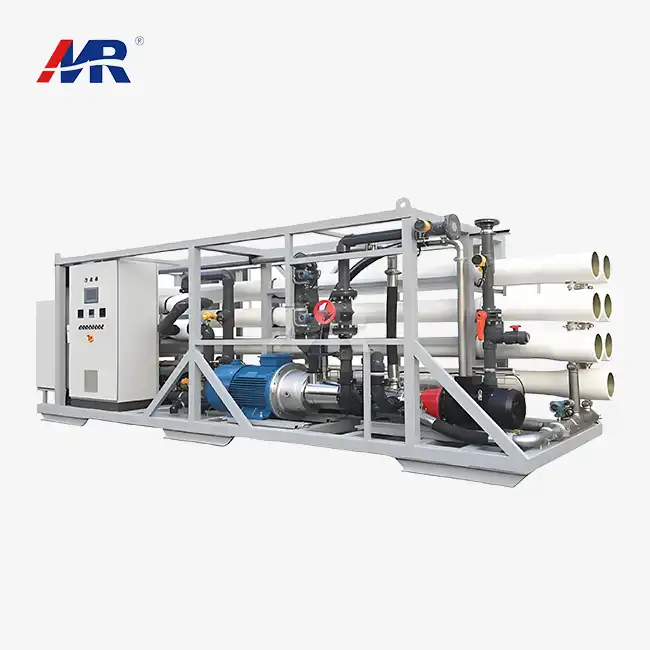 VIEW MORE20m3/hour seawater desalination equipment
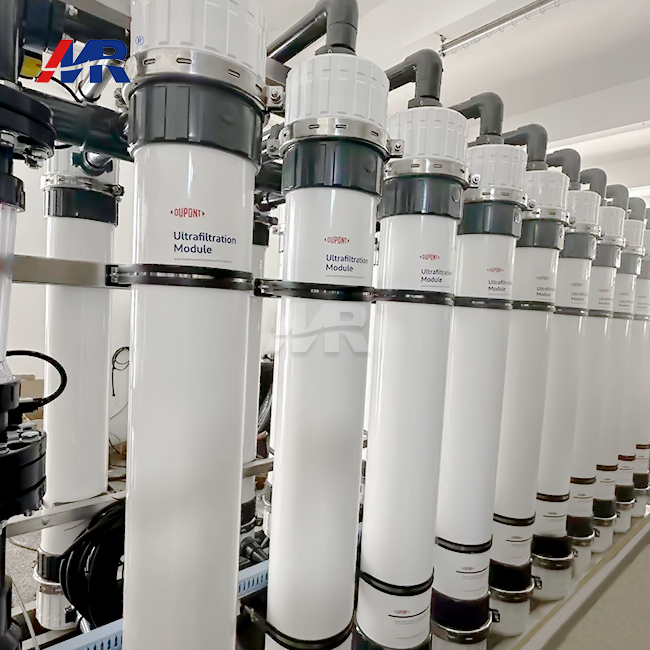 VIEW MOREultrafiltration water treatment system
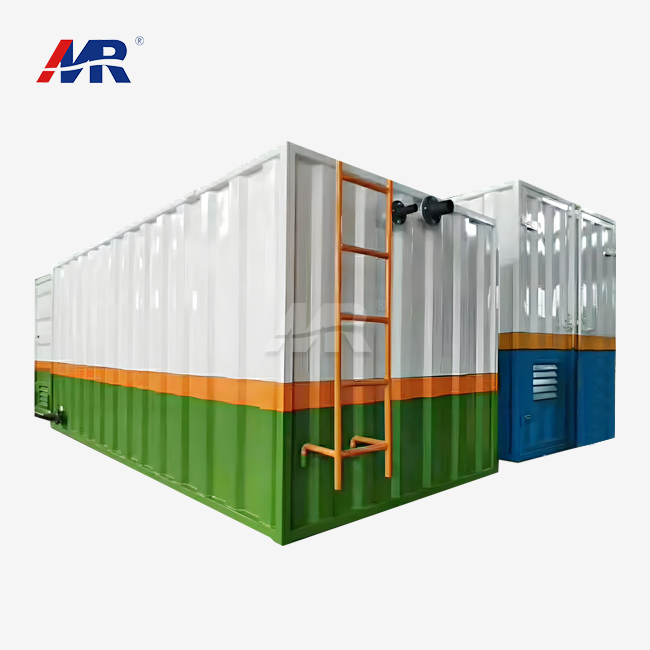 VIEW MOREindustrial sewage treatment plant
 VIEW MORE1000LPH EDI equipment
 VIEW MOREcontainer reverse osmosis equipment
 VIEW MOREsubmerged membrane bioreactor
 VIEW MORE500m3/day reverse osmosis RO plant
 VIEW MOREindustrial reverse osmosis membrane
