

_1745823981883.webp)

Step-by-Step Guide: How to Clean and Maintain Your DTRO Membrane for Longevity
DTRO membrane technology is the best way to treat industrial wastewater because it can handle high concentrations of contaminants and difficult water streams better than any other technology. With regular upkeep, membranes last a lot longer, making sure that your investment pays off and that the water quality stays the same. This detailed book tells industrial workers tried-and-true ways to clean and maintain membranes in a way that keeps them in good shape, lowers costs, and increases system uptime in tough conditions.
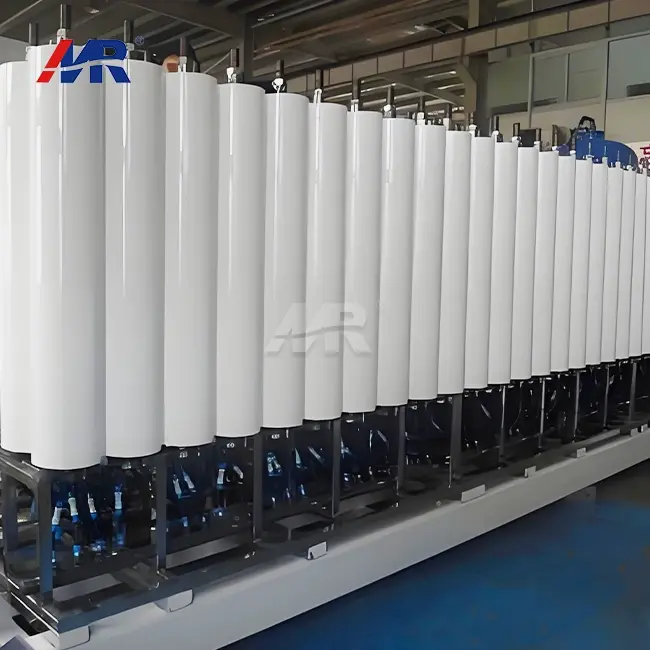
Understanding the Basics of DTRO Membrane Technology
Additionally, disc-tube reverse osmosis membranes are a unique improvement in membrane separation technology that was created to handle tough industry tasks. Unlike regular spiral-wound membranes, these systems use a special disc shape that makes open flow pathways. This makes them less likely to get clogged while keeping high rejection rates.
How DTRO Technology Differs from Conventional Membranes
The main benefit comes from the membrane's three-layer hybrid structure: a support layer that keeps the structure stable, a thick layer that controls the flow of water, and a touch layer that keeps the membrane clean. Our MR-DTRO-75 model can work well at 75 bar pressure and clean water with COD levels up to 25,000 mg/L and conductivity between 8 and 15 ms/cm with this setup.
High-concentration feeds are hard for traditional reverse osmosis systems to handle, but disc-tube technology does very well in these situations. The open flow design keeps the system from getting clogged up by dissolved solids and keeps the salt rejection rates above 98% for most toxins, such as heavy metals and biological pollutants.
Key Performance Indicators for Membrane Health
Keep an eye on flux rates, pressure differences, and salt rejection percentages to get a good idea of how the membrane is doing. When membranes are healthy, they keep the permeate flow steady while working within the pressure limits that were set. By knowing these standard measures, workers can spot performance declines before they become major problems.
Identifying Issues: Why Regular Cleaning and Maintenance Are Essential
Fouling agents constantly cause problems for industrial membrane systems, including DTro membrane, because they build up on the membrane surfaces, making the systems less effective over time and raising their costs. Recognizing early warning signs stops catastrophic breakdowns and makes membranes last longer.
Common Fouling Mechanisms in Industrial Applications
When biological matter sticks to barrier surfaces and forms biofilms that stop water flow, this is called organic fouling. Scale forms when minerals that are dissolved in water solidify, mostly calcium carbonate and sulfate compounds. Chemical fouling happens when the chemicals in the feed water don't mix with the chemicals in the waste water. Colloidal fouling is caused by tiny bits that get into pretreatment systems.
Our work with garbage leachate and battery factory waste shows that different contaminants have different effects on membrane performance. Heavy metals like nickel and cadmium make specific fouling patterns that need specific cleaning methods. High-COD streams, on the other hand, need regular biological fouling removal procedures.
Early Detection Strategies for Membrane Degradation
Performance tracking shows patterns of damage before they show up as signs. Tracking standardized permeate flow, pressure-corrected flux, and salt passing rates gives numbers that can be used to plan maintenance. Sudden changes in these factors mean that they need urgent attention, while slow changes over time mean that they should be cleaned at regular intervals.
Operators who are good at what they do set up automatic tracking systems that let technical staff know when performance strays from normal levels. This preventative method cuts down on emergency shutdowns and makes the best use of cleaning chemicals and workers.
Step-by-Step Cleaning Procedures for DTRO Membranes
To clean a membrane effectively, you need to use a methodical approach that is matched to the fouling conditions and membrane material. By carefully choosing the chemicals and applying them in a controlled way, our tried-and-true methods recover performance while protecting the structure of the membrane.
Pre-Cleaning Assessment and Safety Preparation
At the start of each cleaning cycle, write down the current system performance, such as the pressure numbers, flow rates, and rejection percentages. This standard information helps choose the right cleaning agent and judge how well it cleans. Personal protection equipment, emergency reaction plans, and chemical handling rules that are special to your location are all part of safety measures.
Separate the membrane system from the feed and seep lines so that the process water can drain completely. Check to see if the chemicals are safe to use with system elements like seals, gaskets, and pipe parts. Cleaning agents that don't work well together can do a lot of damage that costs a lot more than replacing the membrane.
Chemical Cleaning Protocol Implementation
A low-pH acid cleaning is usually the first step in the cleaning process. This gets rid of mineral scales and metal hydroxides. For best results, keep the temperature of the cleaning solution between 30°C and 40°C and circulate it at the suggested flow rates. During the whole process, keep an eye on the pH levels because neutralization shows that the scale removal is going well.
To get rid of organic fouling and biofilms after acid cleaning, use high-pH alkaline cleaning. Sodium hydroxide solutions break down protein crystals and other organic matter well while keeping membranes stable between 2 and 12 pH. Chemicals come into touch with all membrane surfaces in the same way when the flow is right.
Post-Cleaning Verification and System Restart
Rinsing completely gets rid of any cleaning chemicals that might be left behind and dirty or damage equipment further down the line. Conductivity readings and pH tests can be used to confirm that all chemicals have been removed. Using the right biocides for sanitation gets rid of any leftover germs before going back into business.
To check the performance of the DTRO membrane, you have to measure the flux recovery, the salt rejection repair, and the pressure stabilization. Compare the results to the baselines from before the cleaning to see how well the cleaning worked and to plan future repair times. When cleaning is done right, 90–95% of the original speed measures of the DTRO membrane are usually restored.
Practical Tips for Maintaining Your DTRO Membrane for Long-Term Use
Sustainable membrane operation requires comprehensive maintenance strategies encompassing daily monitoring, preventive care, and strategic replacement planning. These practices maximize system availability while controlling lifecycle costs.
Establishing Routine Maintenance Schedules
Daily operational checks should include recording flow rates, pressures, and water quality parameters. Weekly inspections examine system components for leaks, unusual noises, or visible contamination. Monthly preventive maintenance involves detailed performance analysis and pretreatment system optimization.
Our MR-DTRO-75 systems benefit from anti-fouling design features that reduce cleaning frequency compared to conventional membranes. However, maintaining optimal pre-treatment including filtration, pH adjustment, and antiscalant dosing significantly extends cleaning intervals and membrane lifespan.
Feed Water Quality Management
Consistent feed water quality represents the most critical factor in membrane longevity. Implementing robust pretreatment systems, including multimedia filtration, activated carbon, and chemical conditioning, prevents many fouling mechanisms. Regular analysis of feed water composition enables proactive adjustments before problems develop.
Zero-liquid-discharge applications require particularly careful attention to concentrate streams that may contain elevated fouling potential. Recycling strategies must balance water recovery rates against membrane protection to achieve sustainable operation.
Troubleshooting Common Performance Issues
Rapid flux decline often indicates biological fouling requiring immediate biocide treatment and enhanced cleaning protocols. Gradual performance loss suggests scaling or colloidal fouling manageable through routine cleaning. Unusual pressure patterns may indicate membrane damage requiring professional evaluation.
When troubleshooting reveals membrane degradation beyond cleaning recovery, replacement planning should consider system optimization opportunities. Upgrading to newer membrane technologies or improving pretreatment systems can provide long-term operational benefits.
Integrating DTRO Membrane Solutions into Your Procurement Strategy
Strategic procurement decisions significantly impact long-term system success through supplier selection, technology choices such as DTRO membrane, and support service availability. Understanding these factors enables informed decisions that optimize total cost of ownership.
Supplier Evaluation and Selection Criteria
Quality membrane suppliers provide comprehensive Technical support, including system design assistance, commissioning services, and ongoing maintenance guidance. Certification standards like ISO and CE indicate manufacturing quality and regulatory compliance essential for industrial applications.
Morui's extensive experience with global leaders, including Foxconn and CATL, demonstrates our capability to handle complex water treatment challenges. Our vertically integrated production system enables rapid delivery, including seven-day turnaround for membrane components, while ensuring consistent quality through controlled manufacturing processes.
Technology Customization and System Integration
Modern membrane systems require seamless integration with existing treatment infrastructure while providing flexibility for future expansion. Modular designs accommodate varying feedwater conditions and treatment objectives without requiring complete system replacement.
Our custom configuration options include various membrane sizes, such as 8040 and 8080 formats, with specialized coatings targeting specific contaminants. This flexibility enables optimization for diverse applications from battery manufacturing to zero-liquid-discharge systems while maintaining standardized maintenance procedures.
Economic Analysis and Lifecycle Planning
Comprehensive economic analysis considers initial capital costs, operational expenses, and maintenance requirements over the membrane's service life. Energy-efficient designs can reduce operational costs by 15-20% compared to traditional reverse osmosis systems while providing superior treatment performance.
Bulk purchasing opportunities and flexible payment terms, including TT and L/C arrangements, facilitate project financing and procurement planning. Strategic partnerships with reliable suppliers ensure component availability and technical support throughout the system lifecycle.
Conclusion
Proper DTRO membrane maintenance represents a critical investment in sustainable industrial water treatment operations. The systematic approaches outlined in this guide enable operators to maximize membrane performance while controlling operational costs through proactive care and strategic planning. Regular cleaning protocols, comprehensive monitoring, and quality supplier partnerships ensure reliable system operation even in the most challenging industrial applications. By implementing these proven strategies, facilities can achieve extended membrane life, consistent water quality, and optimal return on investment for their water treatment assets.
FAQ
1. How often should I clean my DTRO membrane system?
Cleaning frequency depends on feed water characteristics and operational intensity. Most industrial applications require cleaning every 3-6 months, though high-fouling environments may need monthly attention. Monitor performance indicators like flux decline and pressure increases to determine optimal cleaning intervals for your specific conditions.
2. Can I use standard RO cleaning chemicals on DTRO membranes?
While some conventional reverse osmosis cleaning agents are compatible, membrane manufacturers specify approved chemical formulations to prevent damage. Always consult technical documentation and supplier guidelines before selecting cleaning agents. Using incompatible chemicals can permanently damage membrane materials and void warranty coverage.
3. What is the typical lifespan of a DTRO membrane with proper maintenance?
Well-maintained disc-tube membranes typically operate effectively for 3-5 years in industrial applications. Aggressive environments or inadequate maintenance can reduce service life, while optimal conditions and preventive care may extend operation beyond five years. Regular performance monitoring helps predict replacement timing and plan maintenance budgets.
Partner with Morui for Superior DTRO Membrane Solutions
Maximizing your industrial water treatment success requires partnering with experienced membrane specialists who understand complex application challenges. Morui combines proven technology with comprehensive support services to deliver sustainable solutions for demanding environments. Our Team of 20 engineers and global network of 14+ branches ensures local technical assistance and rapid component availability worldwide. Contact our specialists at benson@guangdongmorui.com to discuss your specific requirements and explore our complete range of DTRO membrane manufacturer solutions designed for long-term performance and reliability.
References
1. Chen, J. & Williams, R. (2023). "Advanced Membrane Cleaning Protocols for Industrial Wastewater Treatment Systems." Water Treatment Technology Quarterly, Vol. 45, No. 3, pp. 78-92.
2. Industrial Water Treatment Association (2024). "Best Practices for DTRO Membrane Maintenance in High-Concentration Applications." IWTA Technical Manual, 8th Edition, Chapter 12.
3. Martinez, S., et al. (2023). "Fouling Mechanisms and Prevention Strategies in Disc-Tube Reverse Osmosis Systems." Membrane Science & Technology, Vol. 38, No. 7, pp. 245-260.
4. Thompson, K. & Liu, H. (2024). "Economic Analysis of Membrane Lifecycle Management in Industrial Water Treatment." Process Engineering Economics, Vol. 29, No. 2, pp. 156-171.
5. Environmental Protection Research Institute (2023). "Membrane Technology Applications for Zero Liquid Discharge Systems." EPA Technical Report EPA-600-R-23-087, Washington, DC.
6. Anderson, P., et al. (2024). "Performance Optimization of High-Pressure Membrane Systems in Industrial Applications." Chemical Engineering Progress, Vol. 120, No. 4, pp. 34-41.
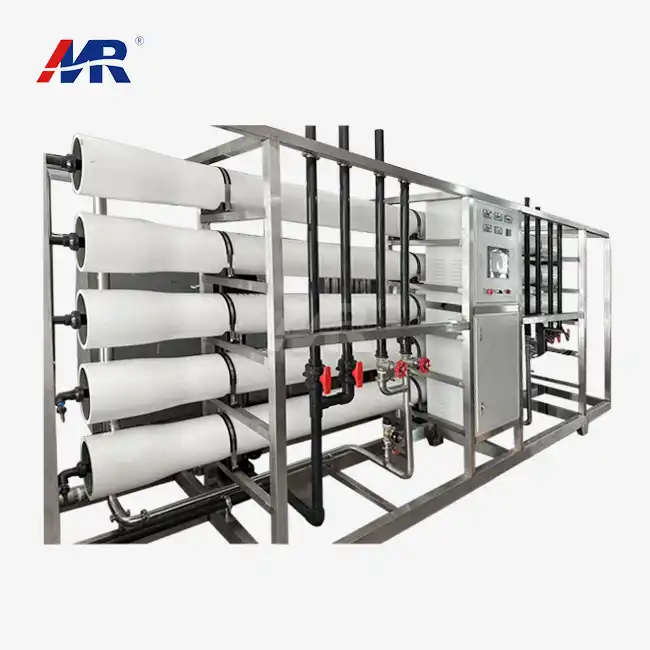 VIEW MORE25m3/hour reverse osmosis equipment
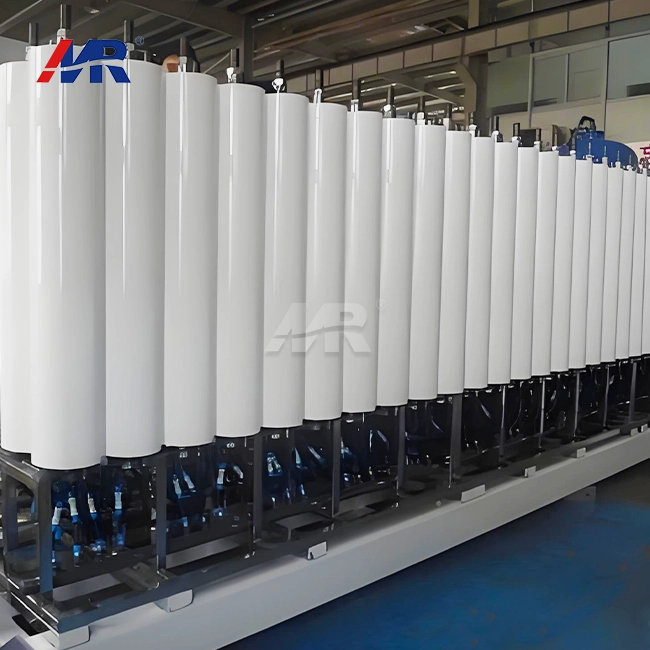 VIEW MORELandfill Leachate Treatment System
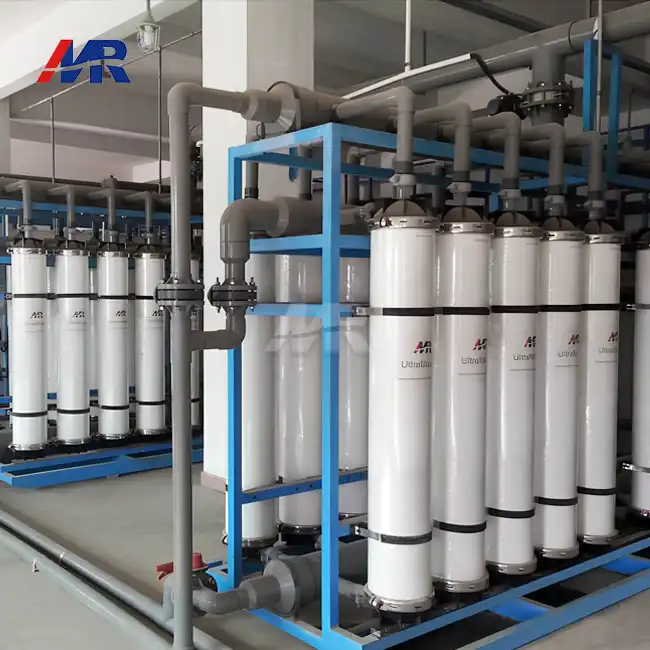 VIEW MORE200m3/hour ultrafiltration equipment
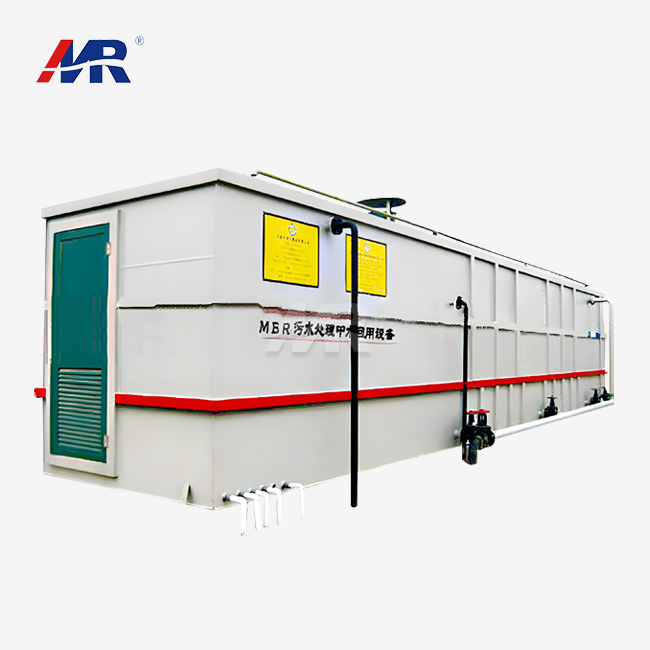 VIEW MOREsewage treatment plant MBR system
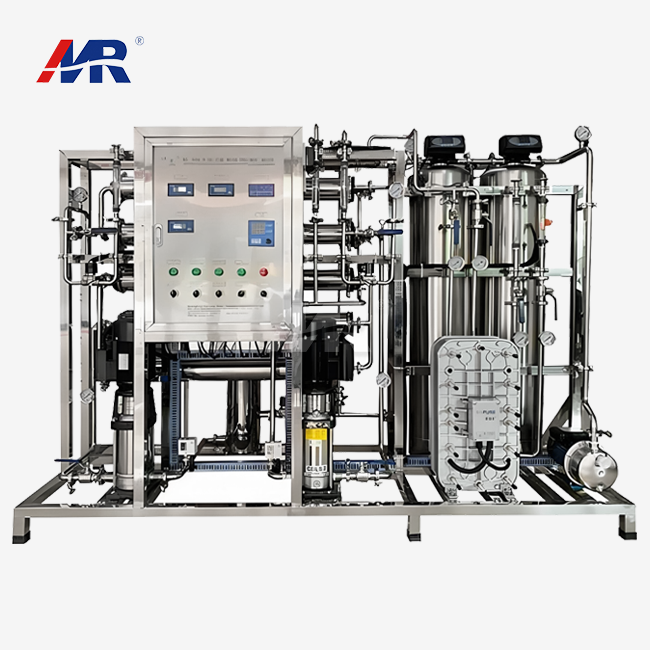 VIEW MOREElectrodeionization system
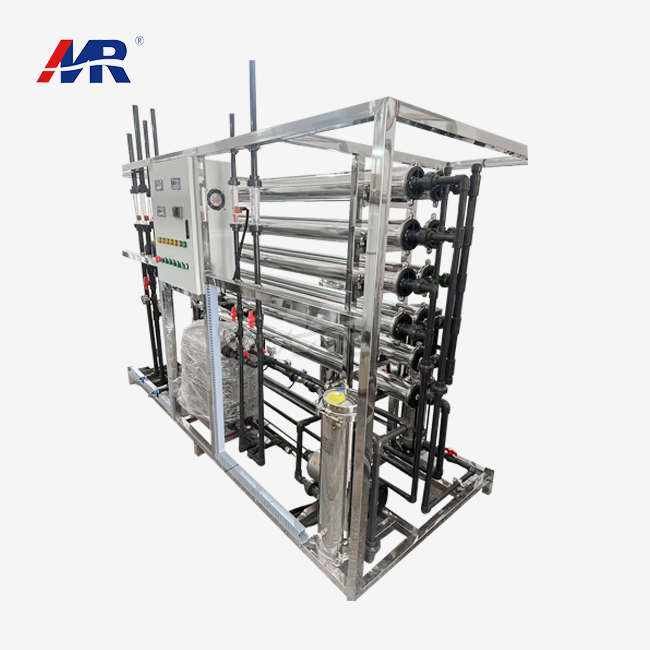 VIEW MOREedi system in water treatment
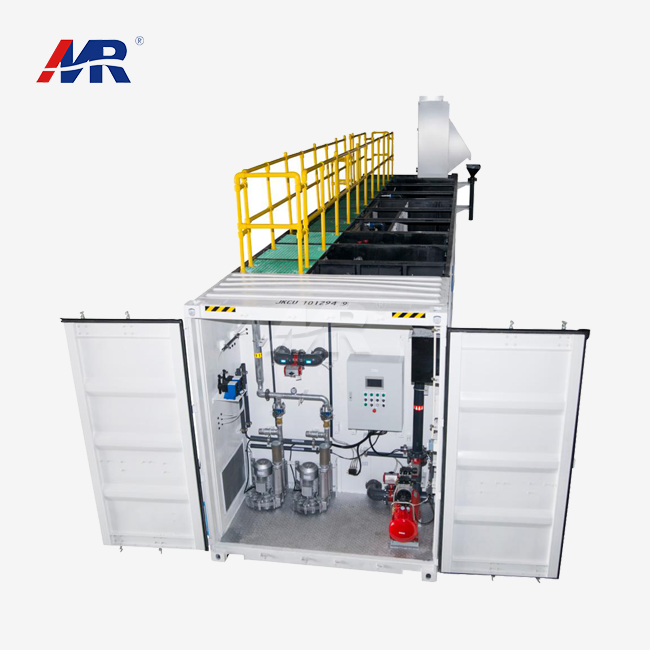 VIEW MOREhome sewage treatment plant
 VIEW MOREseawater desalination equipment
