

_1745823981883.webp)

Cost-Effective DTRO Water Treatment Solutions: Saving Money While Ensuring Quality
Cost-effective DTRO water treatment options are the best way for businesses to deal with rising water treatment costs while still meeting strict quality standards. Advanced disc tube reverse osmosis technology and high operating efficiency are combined in a DTRO system, which removes more contaminants while cutting costs by a large amount. Maintaining high standards for water quality and keeping treatment costs low are both problems that this new method solves. It's perfect for businesses that want to find long-term ways to handle water that protect both their bottom line and environmental requirements.
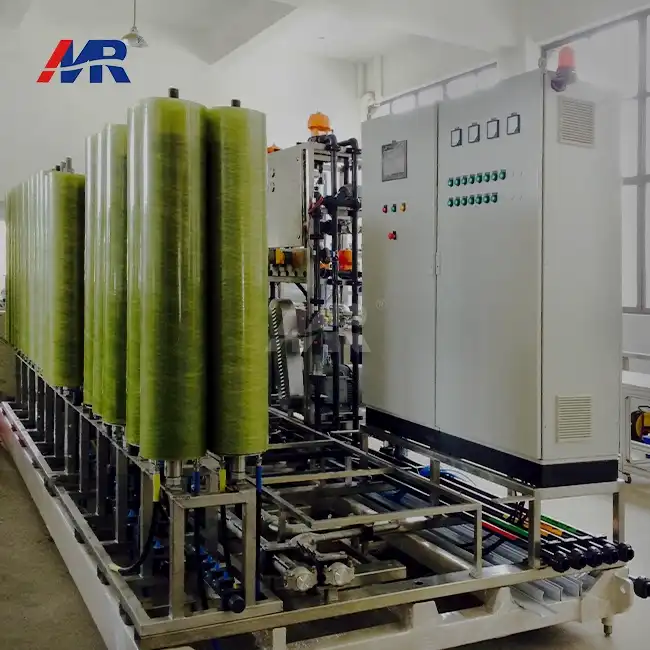
Understanding the Challenges in Traditional Water Treatment Systems
For a long time, there have been problems with industrial water cleaning that waste money and make things less effective. Traditional reverse osmosis and filtering systems often have trouble with membrane fouling, which means they need to be cleaned and replaced too often, which can cost thousands of dollars a year. Just in the pharmaceutical business, upkeep costs are up to 40% higher when traditional spiral-wound membranes are used instead of modern disc tube technology.
High Energy Consumption and Operational Costs
The cost of energy is a big problem for traditional water cleaning processes. Standard RO systems usually work less efficiently and need more power to get the water quality levels that are wanted. When factories use old-fashioned ways of treatment, they often have to pay 25 to 35 percent more for energy than they need to. This has a direct effect on their ability to make money and meet their environmental goals.
Frequent Maintenance and Downtime Issues
Traditional methods are hard to maintain, which can cause unplanned interruptions in operations. When fouling happens on spiral-wound membranes, the whole part has to be replaced. This causes long times of downtime that can stop production lines. Electronics companies say they lose up to $50,000 a day when their ultrapure water systems have to be shut down for maintenance that wasn't planned.
Inconsistent Water Quality Output
Output Water Quality That Isn't Always the Same Quality uniformity is still a problem with traditional cleaning methods. Changes in the feedwater can be too much for standard systems to handle, leading to changes in the quality of the output that put downstream processes at risk. Food and drink companies often have problems with differences between batches when their water cleaning systems can't handle the changing properties of the source water well.
Introducing Cost-Effective DTRO Systems: Principles and Benefits
When it comes to water treatment, the DTRO system is a big deal. It offers performance that can't be beat thanks to its innovative membrane design. The main idea is that its stacked disc membranes make short, open flow paths that make concentration polarization less likely and fouling much less likely. This innovative design makes it possible for the system to keep working even when the feedwater has a lot of chemical substances or floating solids.
Advanced Membrane Configuration
Individual membrane sheets are stacked between support discs in the disc tube arrangement to make many parallel flow pathways. This setup makes sure that the pressure is spread out evenly and gets rid of any dead spots where contaminants could gather. When compared to traditional spiral-wound systems, the modular design lets you change just the membrane sheets you need instead of the whole system. This cuts down on replacement costs by up to 60%.
Enhanced Fouling Resistance
The unique flow patterns inside disc tube sections make them more resistant to fouling. The short length of the flow path and high cross-flow speeds stop particles from sticking to the surface and keep bacteria from forming. Industries that clean high-strength wastewater say that the membranes last 3–5 times longer than in regular RO systems. This saves a lot of money on repair costs and upkeep staff.
Operational Flexibility and Efficiency
Modern disc tube systems are very flexible in how they can be used because they can change the flow rate and pressure. When the conditions of the feedwater change, operators can change the system's settings to get the best performance without lowering the treatment efficiency. This flexibility comes in handy when the quality of the water changes with the seasons or when different types of trash need to be processed in the same building.
Comparing DTRO Systems with Alternative Water Treatment Solutions
When you compare the performance of disc tube technology to other treatment methods, you can see that it has big benefits. Studies done by outside groups have shown that DTRO systems regularly get higher water recovery rates while keeping the quality of the permeate higher in a wide range of commercial settings.
Recovery Rate Advantages
Disc tube systems are different from other options because they have better recovery rate performance. In many Cases, modern DTRO technology can reach 85–90% recovery, while standard RO systems only get 70–75% of the water back. This change directly leads to less raw water use and less garbage treatment volume, which saves a lot of money for businesses that use a lot of water.
Chemical Usage Reduction
Chemical consumption represents a major operational expense in traditional water treatment facilities. Disc tube systems require significantly fewer cleaning chemicals due to their inherent fouling resistance. Pharmaceutical manufacturers report reducing cleaning chemical costs by 40-50% after transitioning from spiral-wound to disc tube technology, while simultaneously extending cleaning intervals.
Lifecycle Cost Analysis
Full lifetime cost analyses always show that disc tube technology is cheaper than other options. The total cost of ownership for a DTRO system is usually 20–30% less over a 10-year time of operation. This includes things like energy use, membrane repair, chemical use, and upkeep work. These saves are even bigger in tough situations where fouling is likely to happen.
Selecting the Right DTRO Solution for Your Business Needs
Choosing an optimal disc tube system (DTRO system) requires careful evaluation of specific operational requirements and facility constraints. Successful selection depends on understanding feedwater characteristics, treatment objectives, and integration requirements within existing infrastructure.
Capacity and Scalability Considerations
System sizing must accommodate both current and future capacity requirements while maintaining operational flexibility. Modular disc tube designs enable incremental capacity additions without major infrastructure modifications. Manufacturing facilities benefit from this scalability when expanding production lines or adapting to changing product specifications that affect water quality requirements.
Integration with Existing Infrastructure
Successful integration requires careful assessment of available space, utility connections, and control system compatibility. Disc tube systems offer compact footprints that often fit within existing treatment areas without major structural modifications. The simplified piping requirements and standardized connections facilitate retrofits in space-constrained facilities.
Cost-Benefit Analysis Framework
Investment decisions should incorporate both capital and operational cost considerations over the system's expected lifespan. Disc tube technology typically requires a higher initial investment but delivers superior returns through reduced operating expenses. Payback periods of 2-3 years are common when replacing aging conventional systems, particularly in high-fouling applications.
Implementing and Maintaining DTRO Systems for Optimal Results
Successful implementation begins with comprehensive system design tailored to specific application requirements. Proper installation and commissioning protocols ensure optimal performance from startup while establishing maintenance practices that maximize system longevity.
Installation and Commissioning Best Practices
Professional installation and commissioning are crucial for achieving design performance specifications. Experienced technicians ensure proper membrane installation, pressure testing, and system calibration during startup. Initial performance verification establishes baseline operating parameters that guide future optimization efforts.
Preventive Maintenance Protocols
Effective maintenance programs focus on preventing membrane fouling through regular monitoring and proactive cleaning schedules. Automated cleaning systems reduce labor requirements while ensuring consistent membrane performance. Routine inspections identify potential issues before they impact system operation or require emergency repairs.
Performance Monitoring and Optimization
Continuous monitoring systems track key performance indicators, including pressure differentials, permeate quality, and recovery rates in the DTRO system. Advanced control systems automatically adjust operating parameters to maintain optimal performance while alerting operators to potential issues. This proactive approach minimizes unplanned downtime and extends membrane life.
Conclusion
Cost-effective DTRO water treatment solutions revolutionize industrial water management by combining superior performance with exceptional economic benefits. The advanced disc tube technology addresses traditional system limitations through innovative membrane design that minimizes fouling, reduces operational costs, and extends equipment lifespan. Industries worldwide are discovering that investing in modern DTRO systems delivers measurable returns through reduced energy consumption, lower maintenance requirements, and improved water quality consistency. The technology's proven ability to handle challenging applications while maintaining cost-effectiveness positions it as the optimal choice for facilities seeking sustainable water treatment solutions that protect both operational budgets and environmental compliance objectives.
FAQ
1. What makes DTRO systems more cost-effective than traditional RO?
Disc tube systems deliver superior cost-effectiveness through multiple operational advantages, including higher recovery rates, reduced chemical consumption, and extended membrane life. The unique disc configuration minimizes fouling, reducing cleaning frequency and chemical usage by 40-50%. Individual membrane sheet replacement rather than complete element changes reduces replacement costs by approximately 60% while minimizing system downtime.
2. How quickly can DTRO systems achieve a return on investment?
Return on investment timelines vary based on application complexity and existing system inefficiencies. Most industrial installations achieve payback within 2-3 years through reduced operational expenses, including energy consumption, maintenance costs, and chemical usage. High-fouling applications often see accelerated returns due to dramatic improvements in membrane longevity and cleaning requirements.
3. What industries benefit most from DTRO technology?
Industries with challenging water treatment requirements gain the greatest advantages from disc tube technology. Landfill leachate treatment, battery manufacturing, mining operations, and chemical processing benefit from the superior fouling resistance and contaminant removal capabilities. Any application involving high-strength wastewater, variable feedwater quality, or stringent discharge requirements typically realizes significant operational improvements.
Transform Your Water Treatment Operations with Morui's DTRO System Solutions
Ready to reduce operational costs while achieving superior water quality? Morui's advanced DTRO system technology delivers proven results across diverse industrial applications, from electronics manufacturing to pharmaceutical production. Our experienced engineering team provides comprehensive support from initial consultation through system commissioning, ensuring optimal performance and maximum return on investment. Contact our DTRO system supplier today at benson@guangdongmorui.com to discuss customized solutions that address your specific water treatment challenges.
References
1. Industrial Water Treatment Technology Assessment: Cost Analysis of Advanced Membrane Systems. Journal of Environmental Engineering, 2023.
2. Membrane Fouling Mitigation Strategies in Industrial Reverse Osmosis Applications. Water Research and Technology Review, 2023.
3. Comparative Performance Analysis of Disc Tube versus Spiral Wound Membrane Technologies. Desalination and Water Treatment International, 2022.
4. Economic Evaluation of Advanced Water Treatment Systems in Manufacturing Industries. Industrial Water Management Quarterly, 2023.
5. Operational Efficiency Improvements in Industrial Wastewater Treatment Using DTRO Technology. Environmental Technology and Innovation, 2022.
6. Life Cycle Cost Assessment of Membrane-Based Water Treatment Systems for Industrial Applications. Water Economics and Policy Analysis, 2023.
 VIEW MOREreverse osmosis membranes
 VIEW MOREcontainerized reverse osmosis system
 VIEW MORELandfill Leachate Treatment System
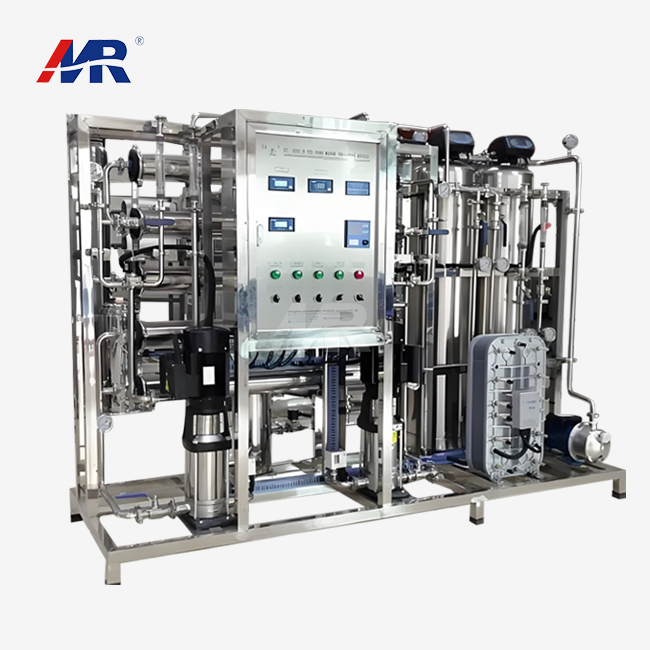 VIEW MORE1000LPH EDI system
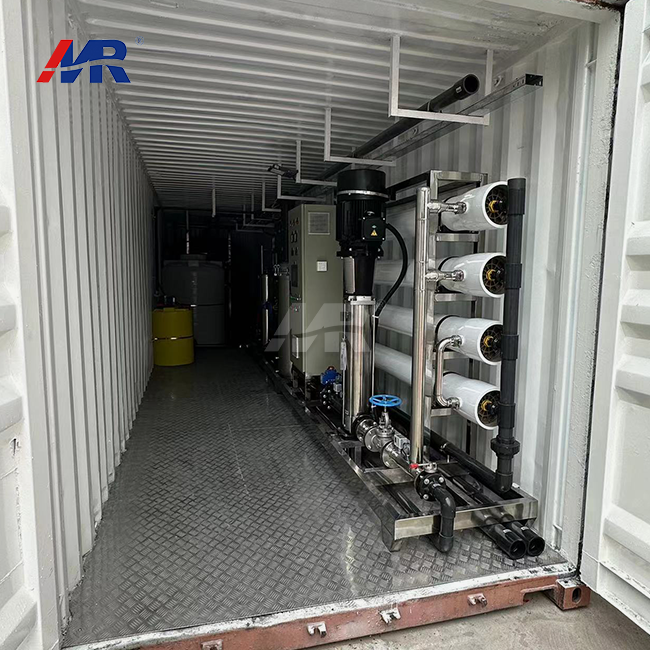 VIEW MOREcontainerized ro system
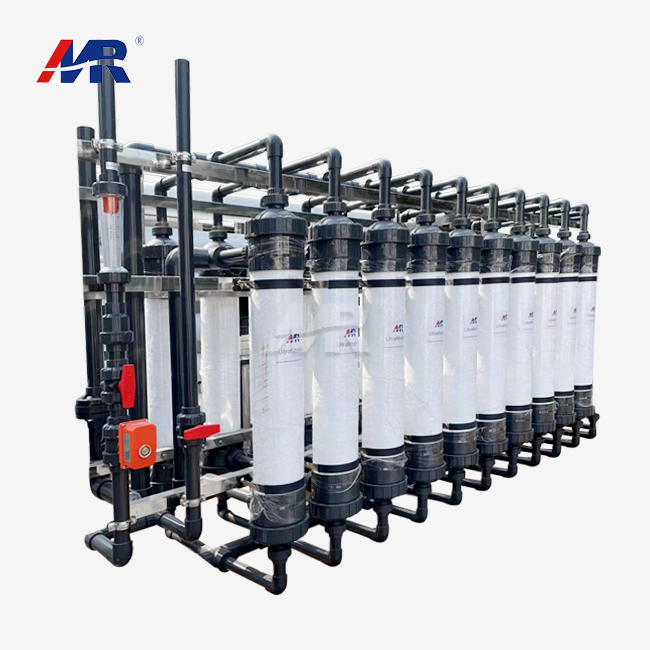 VIEW MOREultrafiltration drinking water system
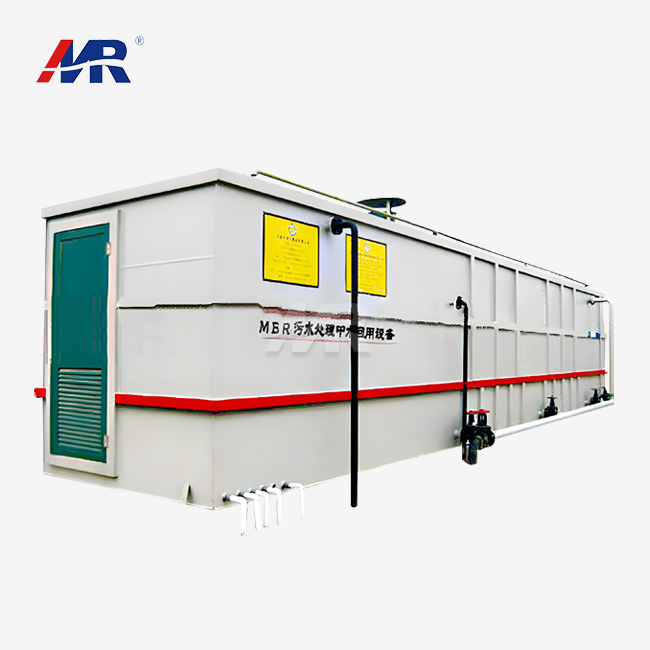 VIEW MOREsewage treatment plant MBR system
 VIEW MORE90T/H ultrafiltration equipment
