_1745823981883.webp)

Understanding current reverse osmosis technology and its useful advantages for homes is necessary before selecting the best small scale desalination equipment for private use. Today's small desalination systems use modern membrane filter methods to turn seawater into clean drinking water. These home-scale units help with water security, which is a growing worry, especially in coastal places where traditional water sources are under more stress. Newer technology for home distillation makes it possible to reliably count on your own water source while still being energy efficient and keeping costs low. Whether you want to be self-sufficient in water for coastal sites that are hard to get to or are looking for backup water solutions, knowing the options helps you make choices that will ensure your long-term water security.
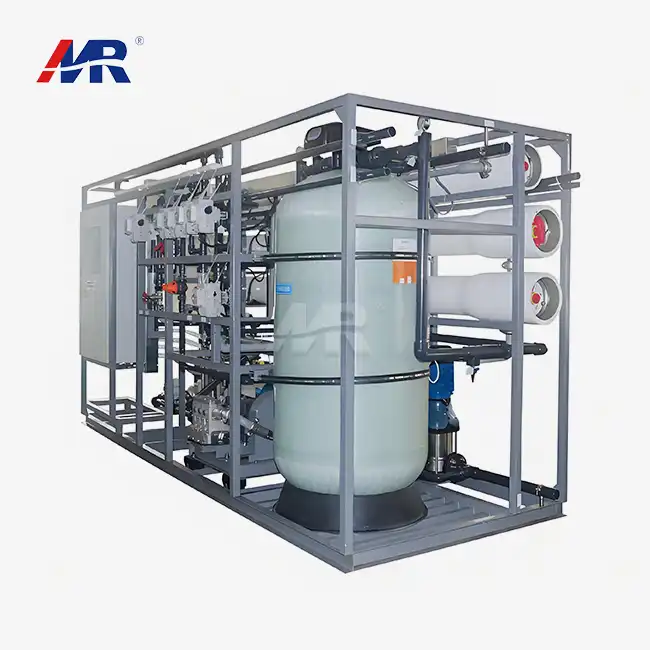
Understanding Small Scale Seawater Desalination Technology
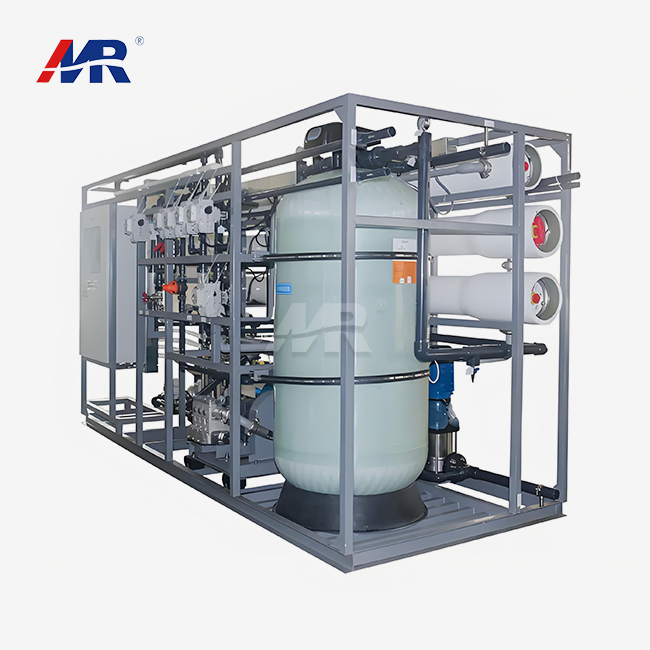
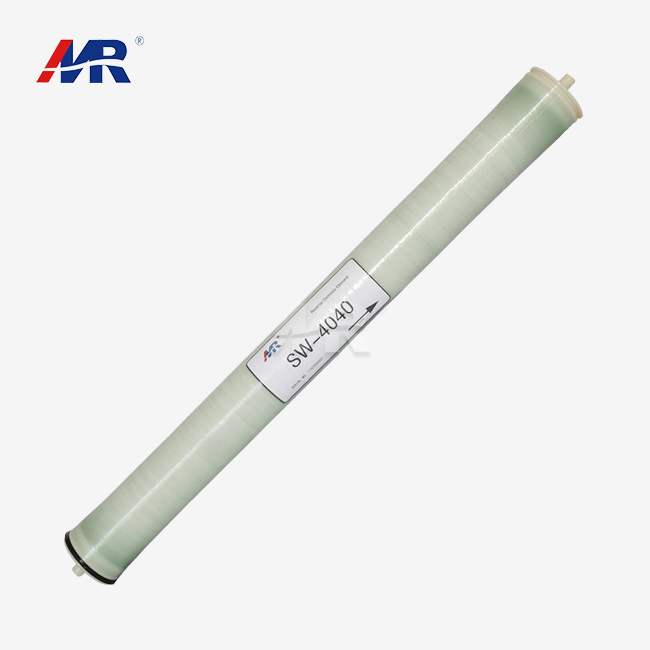
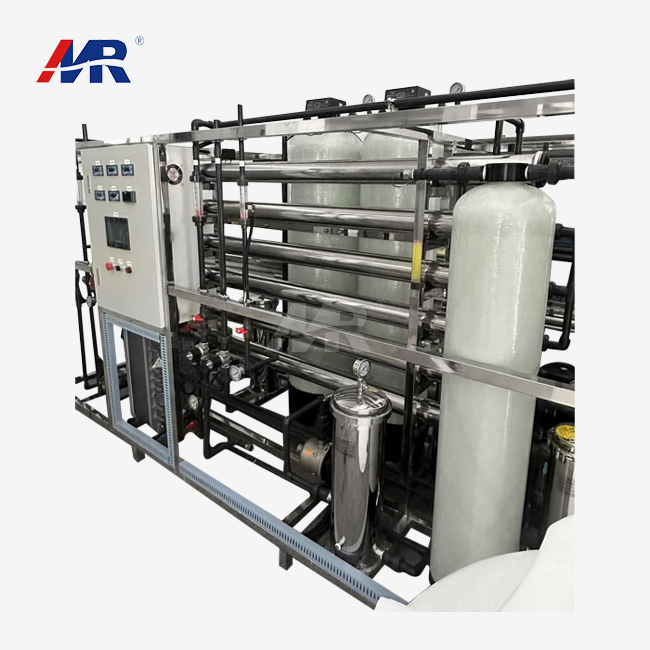
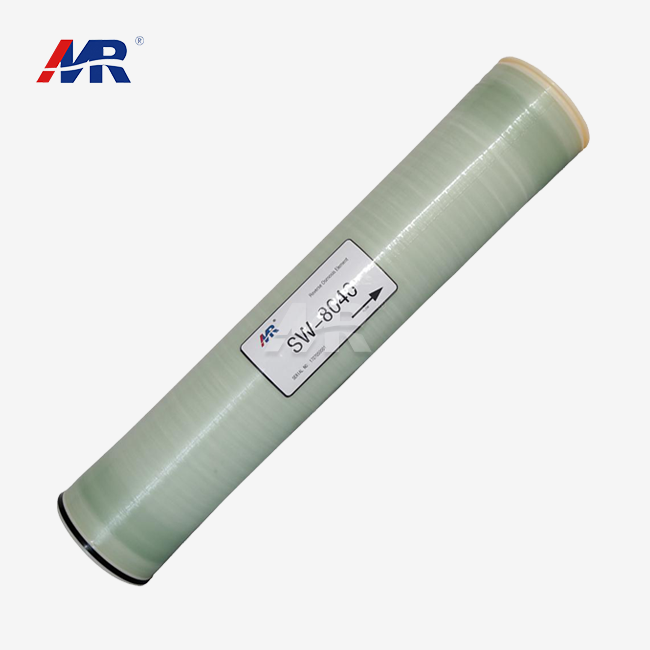
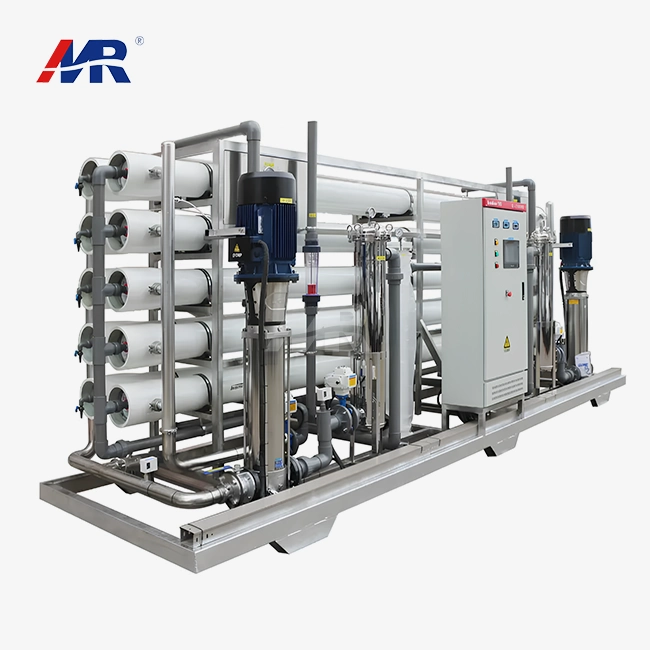
These days, home desalination devices mostly use reverse osmosis membrane technology to get salt and other things out of saltwater. These small units work in several steps, starting with pre-treatment filters to get rid of bigger particles and sediment. Then, high-pressure pumps push the saltwater through specialized semi-permeable membranes that let only clean water through and keep the salt molecules out.
Core Components and Operational Principles
In a normal home distillation system, several important parts have to work in order for the system work. Pre-filters take out chlorine, grit, and organic chemicals that might hurt ro membranes that are fragile. The high-pressure pump can push water molecules through membrane barriers by creating enough force. It usually works at pressures of 150–300 PSI. Advanced membrane technology makes sure that the water quality is high while using a fair amount of energy.
Many different ways of designing small scale desalination equipment can affect how energy efficient it is. Today’s machines use as little as 3 kWh per cubic meter of cleaned water, so they can be used continuously in homes. The recovery rate can be as high as 45%, which means that almost half of the seawater that goes into the system is turned into freshwater that can be used. This method is more efficient than older distillation technologies, so it lowers trash and the cost of running the system.
Automation and Smart Control Features
Modern distillation equipment for homes is fully automatic and can be monitored from afar. Intelligent control systems get the best performance by looking at changes in water quality and usage trends. These automatic features lower the need for hands-on work, maintain uniform water production, and extend system life through alerts for predictive maintenance.
Key Benefits of Small Scale Desalination Units for Residential Use
Home-based purification technology gives people who want to be able to get water on their own and reliably great benefits. These methods make sure that fresh water is always available, no matter what problems there are with the quality or quantity of city water. The expense usually pays for itself by making you less reliant on buying bottled water and protecting you from problems with the water supply.
Water Security and Independence
Home small scale desalination equipment units make sure that you always have access to water, even when the city supply is cut off or there are problems with the water quality. This method is especially good for coastal homes because they can get water from the sea directly. Being able to make high-quality drinking water whenever you need it takes away worries about running out of water and gives you real water security at home.
These systems work best in areas where normal water systems are hard to keep up and don't always work. In places where people live on islands or near the coast, purification of homes is often cheaper than bringing in water or digging deep wells. The system works with single-family houses and keeps energy needs reasonable.
Long-term Cost Effectiveness
While the cost of the first set of tools is high, the cost of running it stays low if you choose and maintain the right setup. It costs a lot to use energy, so for long-term pricing, it is very important to have energy-efficient models. Modern systems are very durable because they are made with materials that don't rust and are meant for long-term use in saltwater.
When systems are properly cared for and professionally serviced, their maintenance needs stay within reasonable limits. Regularly replacing filters and cleaning membranes keeps things working well and avoids expensive breakdowns. If you keep up with the right repair plans, most residential units work well for 10 to 15 years.
How to Choose the Best Small Scale Desalination Equipment for Your Home?
Choosing the right small scale desalination equipment home desalination technology takes a lot of thought about how much water the household needs, how much room is available, and how much energy the system will use. Daily water use trends help figure out how big and how much storage the system needs to be. Water quality standards affect the choice of membranes and the cleaning options needed for different uses.
Capacity and Performance Requirements
The amount of water a household needs changes a lot depending on how many people live there, how they use the water, and what they plan to use it for. Standard home units usually make between 100 and 500 gallons a day, which is enough for drinking, cooking, and other basic needs. People with bigger families or homes that need watering might need systems with more capacity or several units that work at the same time.
The cost of running things and the long-term effect on the world depend directly on recovery rates and energy use. It is possible to make as much fresh water as you need while also minimizing waste if you can recover 35% to 45% of what you have lost. An energy use of less than 4 kWh per cubic meter keeps the cost of power low and still allows for enough production to meet normal home needs.
Installation and Maintenance Considerations
Because it's compact, it can be installed in small places at home, usually in areas like those where water heaters are installed. Proper draining and air make sure that the system works well and lasts a long time. A professional installer makes sure that the system is properly connected to the building's water and electricity systems.
As part of routine maintenance, small scale desalination equipment filters are replaced, and membranes are cleaned from time to time to keep the water quality up and the system running well. Most home systems need to be serviced every 6 to 12 months, based on how often they are used and how clean the water is. Support from the maker and the availability of local service have a big effect on long-term ownership happiness and system stability.
Procurement and After-Sales Support: What B2B Clients Should Know
If you want to buy desalination equipment for homes professionally, you need to work with well-known companies that offer a lot of expert help and have service networks. Quality Certifications, history of successful performance, and clear specs help you judge how trustworthy a provider is and how reliable a product is. The system can be fine-tuned for certain home uses and local situations because of the customization feature.
Supplier Evaluation and Quality Assurance
ISO approvals, a long list of completed projects, and in-depth technical documents are ways for trustworthy companies to show they know what they're doing. Years of experience in water cleaning technology mean that customers can trust the goods and support teams. Ongoing research and development make sure that new Products and cutting-edge solutions are always available.
Quality assurance for small scale desalination equipment includes after-sales support, upkeep contracts, and quick expert help, in addition to the delivery of the tools. Service networks that are already in place help people in their own areas with installation, activation, and ongoing upkeep needs. This help structure is very important for keeping the system running well and users happy.
Customization and Technical Support
Top providers offer custom solutions that meet the needs of each home and the area's natural conditions. The ability to make custom designs helps with different installation issues, capacity needs, and interface needs. Getting professional advice helps you pick the best system based on a study of water quality and estimates of how much in in use.
Comprehensive Technical support covers teaching operators, helping with problems, and giving advice on upkeep during the entire lifespan of a system. With remote tracking, you can get help before issues arise and schedule repair before it is needed. This ongoing partnership method makes sure that the system works as well as possible and that the investment pays off the most for residential uses.
Enterprise Introduction and Products & Services Information
Guangdong Morui Environmental Technology Co., Ltd. makes high-tech water treatment products, like systems that remove salt from seawater for use in homes. That's what the company does for a living. We have a lot of experience with systems that treat industrial wastewater, handle sewage, and make drinking water. We have full equipment manufacturing and service delivery skills because of our 14 branches, 20 engineers, and over 500 workers.
Our small scale desalination equipment, home desalination equipment, is based on cutting-edge reverse osmosis technology that works best in home settings. These systems have flexible designs that make it easy to scale up or down and do routine work on them. They also use as little as 3 kWh per cubic meter. Materials that don't corrode make sure that things last longer in tough ocean settings.
We fully back projects by offering advice, unique design, installation, and commissioning services. To make sure the system always works well, our technical team provides full training to operators and ongoing help for repairs. We are an established supplier with our own membrane production plant and several companies that process equipment. We offer reliable solutions based on our extensive knowledge of water treatment technology.
Conclusion
Performance needs must be balanced with operational factors and long-term support needs when choosing the best small scale desalination equipment for residential uses. With modern reverse osmosis technology, you can reliably get the water you need at home without using a lot of energy or having to do a lot of maintenance. Success depends on working with makers who have a lot of knowledge and offer both proven product reliability and full expert support. Carefully looking at capacity needs, installation requirements, and the provision of ongoing service makes sure that long-term success and return on investment are good.
FAQ
Q1: How much energy does a machine that desalts water at home use?
A: These days, home distillation systems use 3 to 6 kWh of energy for every cubic meter of water they make. Models that are energy efficient use as little as 3 kWh/m³, which makes them useful for running them at home all the time. It takes different amounts of money to make water depending on where you are and how much water you need each day.
Q2: How do you take care of home distillation equipment?
A: Regular care means cleaning the membrane, keeping an eye on how well the system works, and changing the filters every six to twelve months. Getting a professional to come by once a year helps make sure the system runs smoothly and keeps it working for longer. Most maintenance tasks are simple and can be done by people who get the right training.
Q3: Can methods that remove salt from water in homes work with green energy sources?
A: Yes, most new home desalination systems can work with solar panels or other types of green electricity. This addition lowers the cost of doing business and has an effect on the environment. It also makes long-lasting water freedom possible. Battery backup systems can make sure that the system keeps working even when green energy creation is low.
Contact Morui for Professional Small-Scale Desalination Equipment Solutions
Discover reliable water independence with Morui's advanced residential desalination technology. Our engineering team provides personalized consultation to match your specific household needs with optimal system configurations. We offer comprehensive support from initial design through installation and ongoing maintenance, ensuring your investment delivers consistent performance and value. As a trusted small scale desalination equipment manufacturer, we combine proven expertise with innovative solutions tailored for residential applications. Ready to explore sustainable water solutions for your home? Contact us at benson@guangdongmorui.com for detailed consultation and customized quotes. Visit moruiwater.com to learn more about our comprehensive water treatment capabilities.
References
1. National Academy of Sciences. "Desalination: A National Perspective." Washington, DC: The National Academies Press, 2019.
2. Greenlee, Lauren F., Desmond F. Lawler, Benny D. Freeman, Benoit Marrot, and Philippe Moulin. "Reverse osmosis desalination: water sources, technology, and today's challenges." Water Research 43, no. 9 (2009): 2317-2348.
3. Khawaji, Akili D., Ibrahim K. Kutubkhanah, and Jong-Mihn Wie. "Advances in seawater desalination technologies." Desalination 221, no. 1-3 (2008): 47-69.
4. Elimelech, Menachem, and William A. Phillip. "The future of seawater desalination: energy, technology, and the environment." Science 333, no. 6043 (2011): 712-717.
5. Amy, Gary, Noreddine Ghaffour, Zhenyu Li, Logan Francis, Rodrigo Valladares Linares, Thomas Missimer, and Sebastián Lattemann. "Membrane-based seawater desalination: Present and future prospects." Desalination 401 (2017): 16-21.
6. Jones, Edward, Manzoor Qadir, Michelle TH van Vliet, Vladimir Smakhtin, and Seong-mu Kang. "The state of desalination and brine production: A global outlook." Science of the Total Environment 657 (2019): 1343-1356.